Work We Turn Down
We don't chase every call that comes in. If a door is older than the housing stock out here - think pre-1973 hardware that predates the wave of construction that put up most of this area between 1973 and 2010 - parts can take weeks to source, and we'll tell you that up front instead of taking a deposit and making you wait. We also won't patch a panel that's rusted through at the bottom corners just to get a door moving again; on a door that age, a patch job costs you nearly what a new bottom panel costs, and we'd rather say so than sell you a temporary fix. We don't do new home construction installs on spec homes still being framed - that's a different trade with different scheduling, and we stick to repair and replacement on houses people already live in. If your opener is a chain-drive unit old enough that the circuit board is no longer made, we'll say that too, rather than quote a repair that won't hold.
What We Are Called Out For
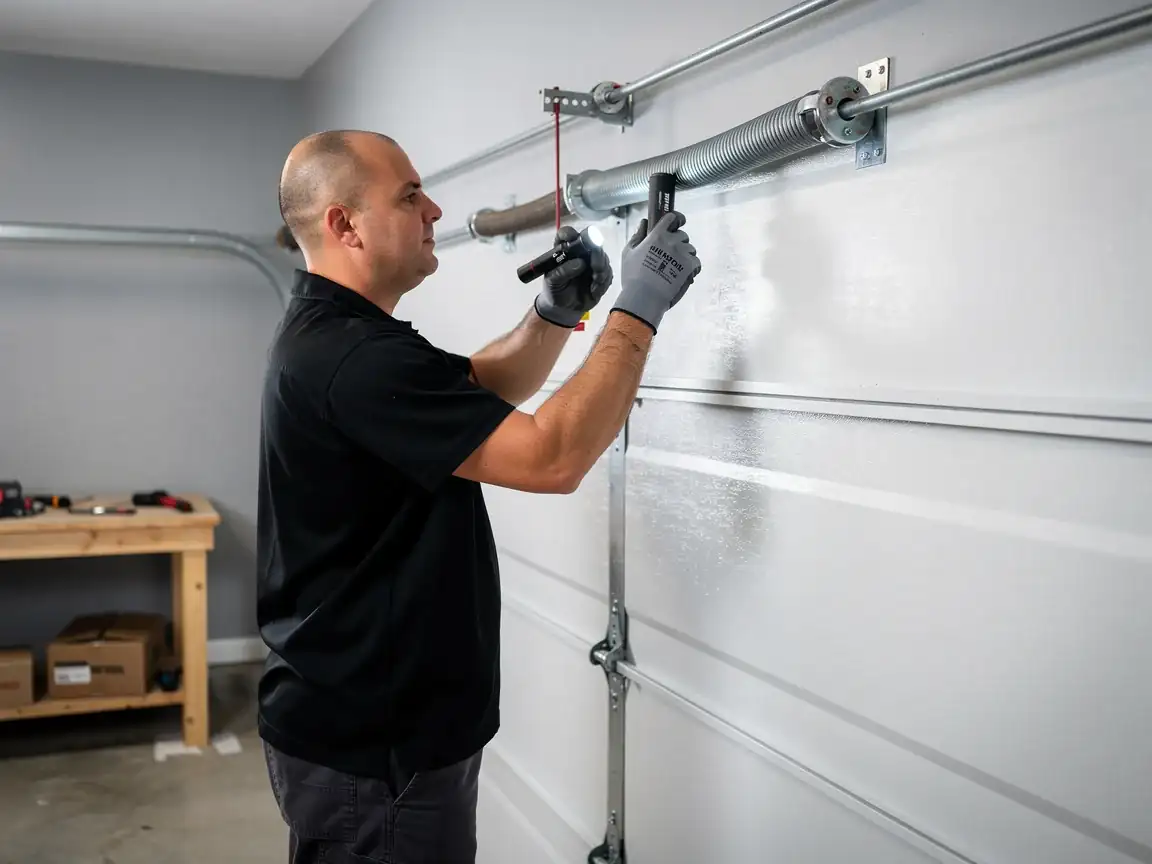
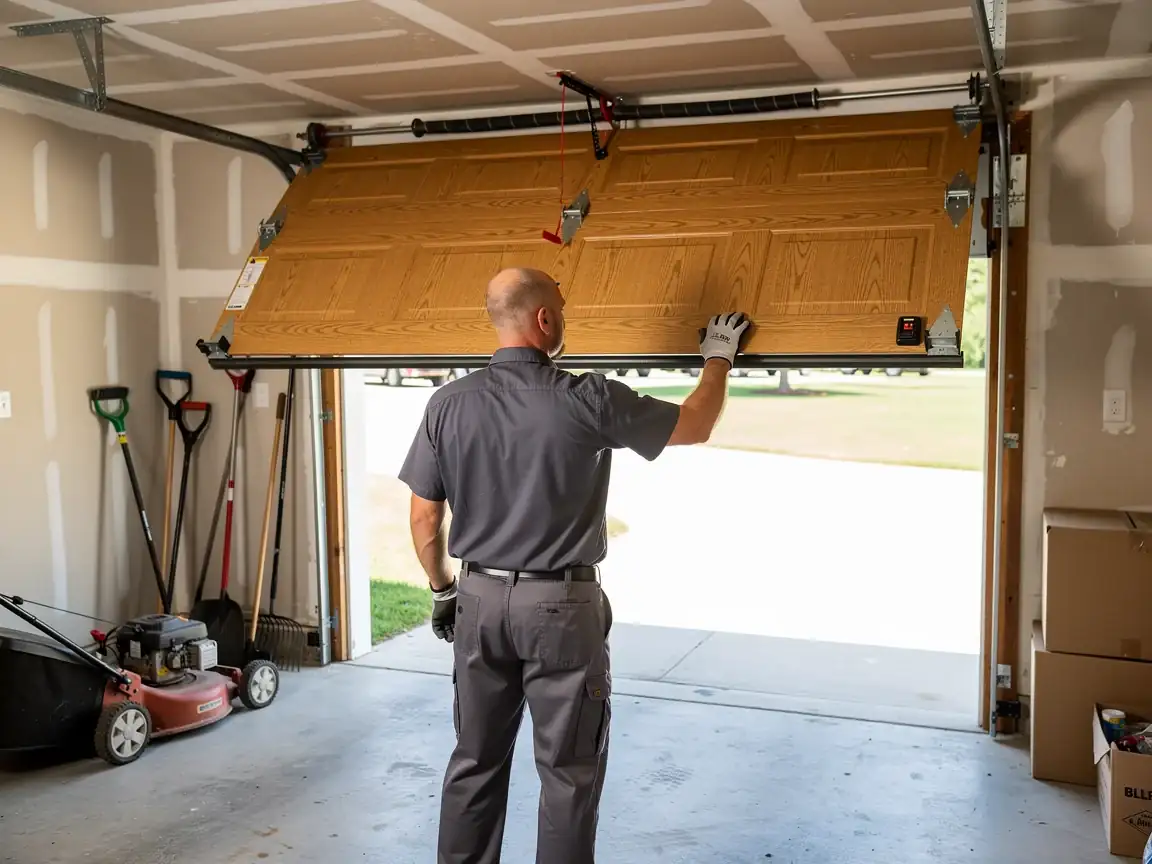
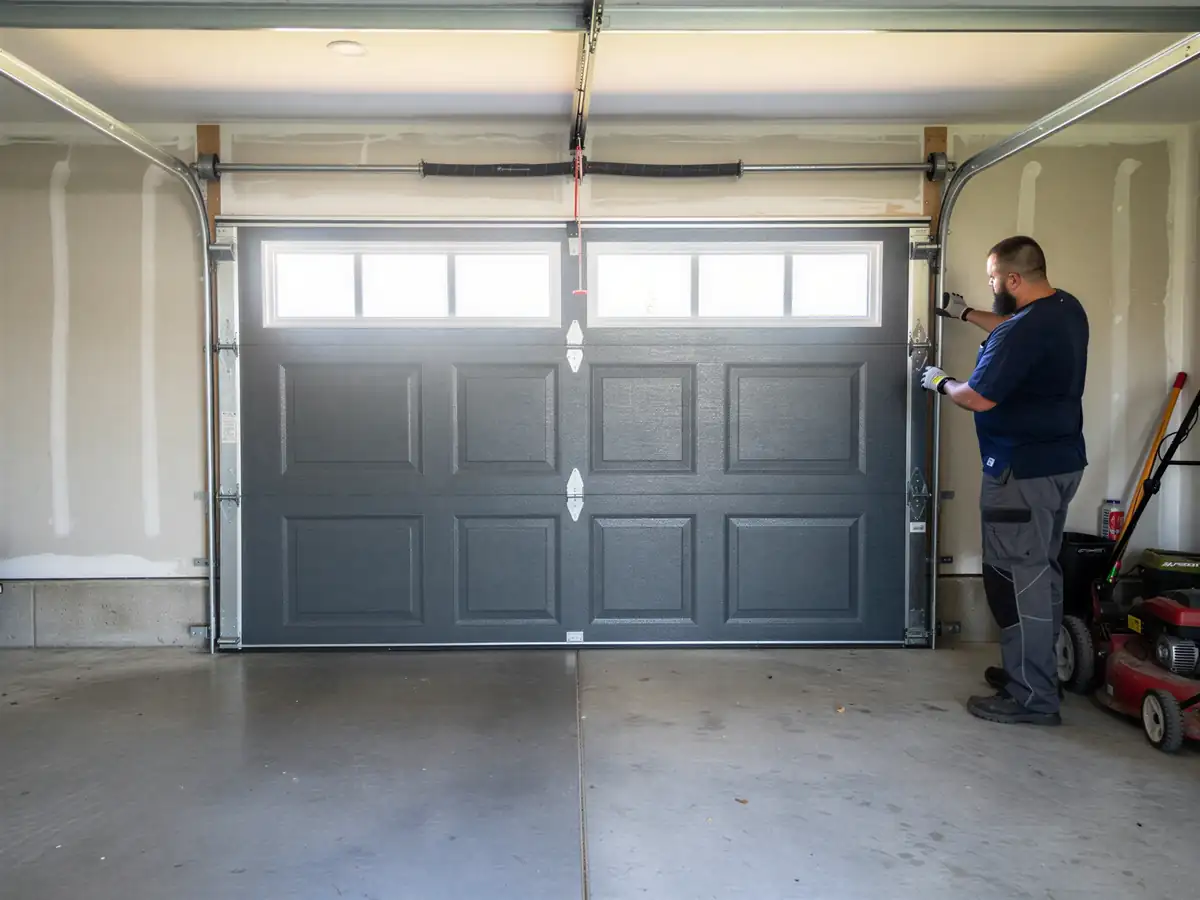
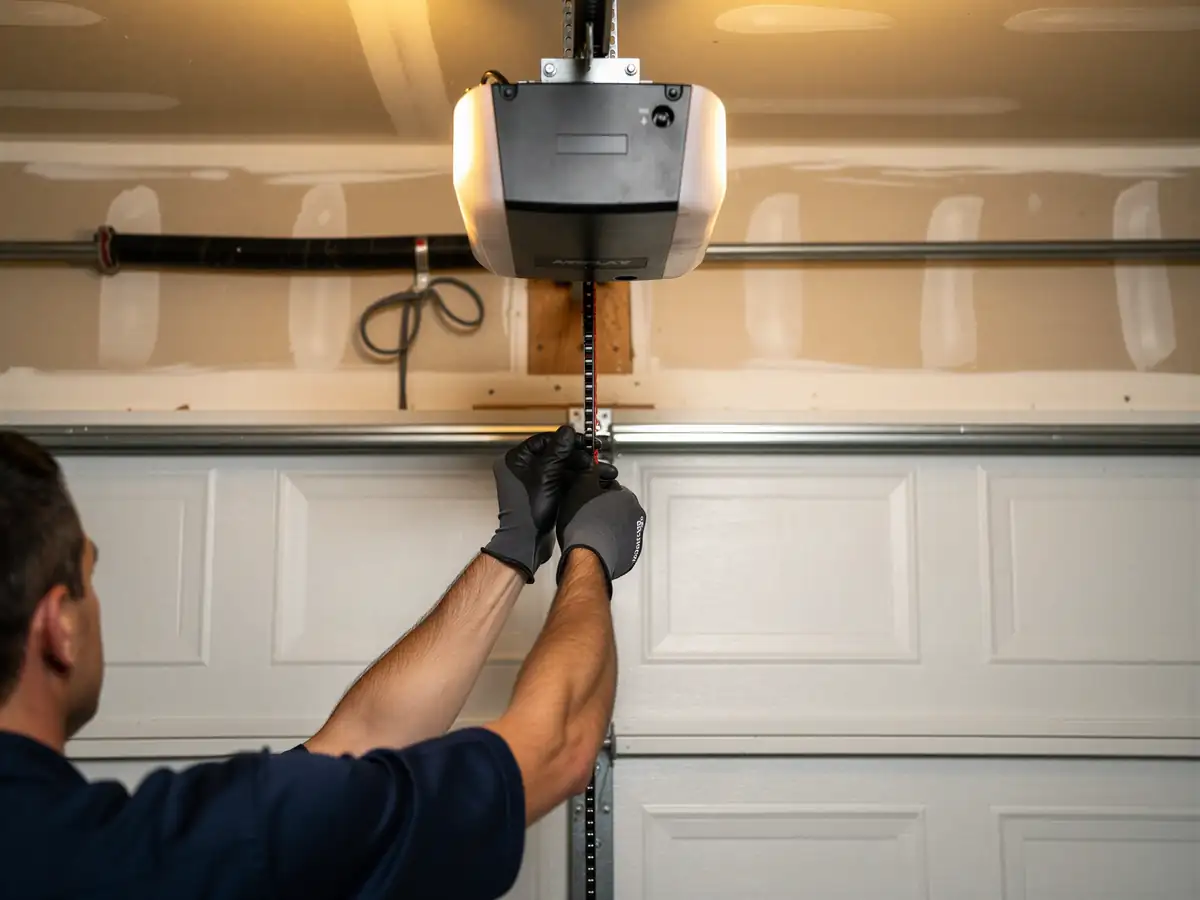
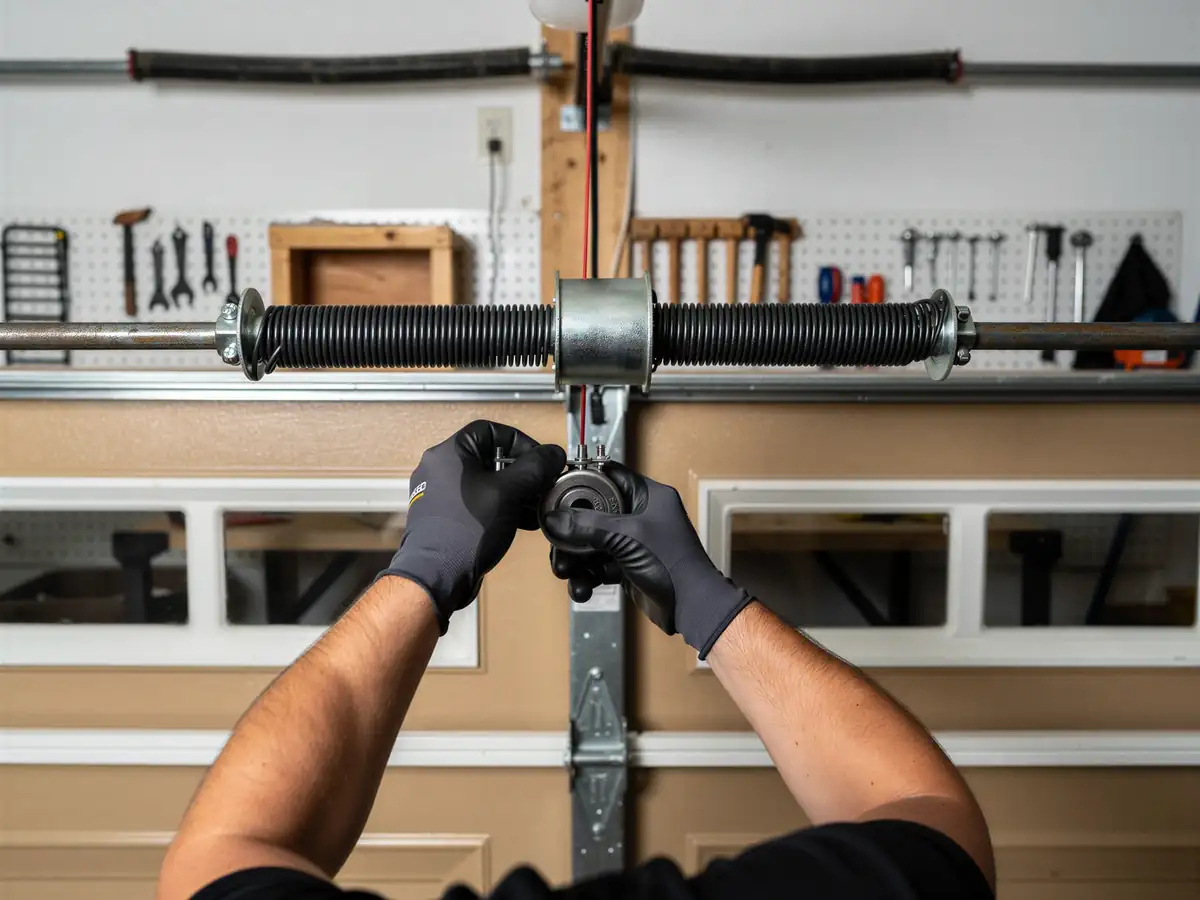
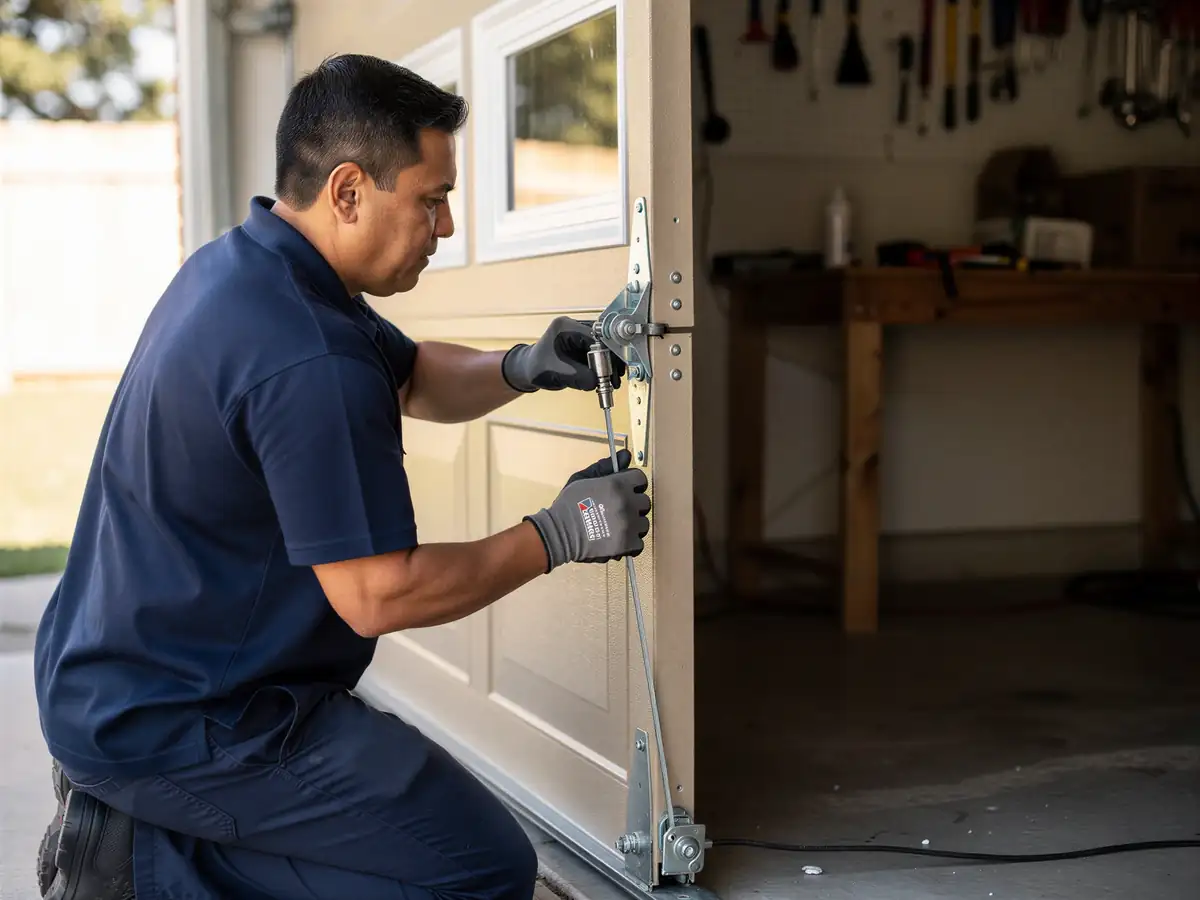
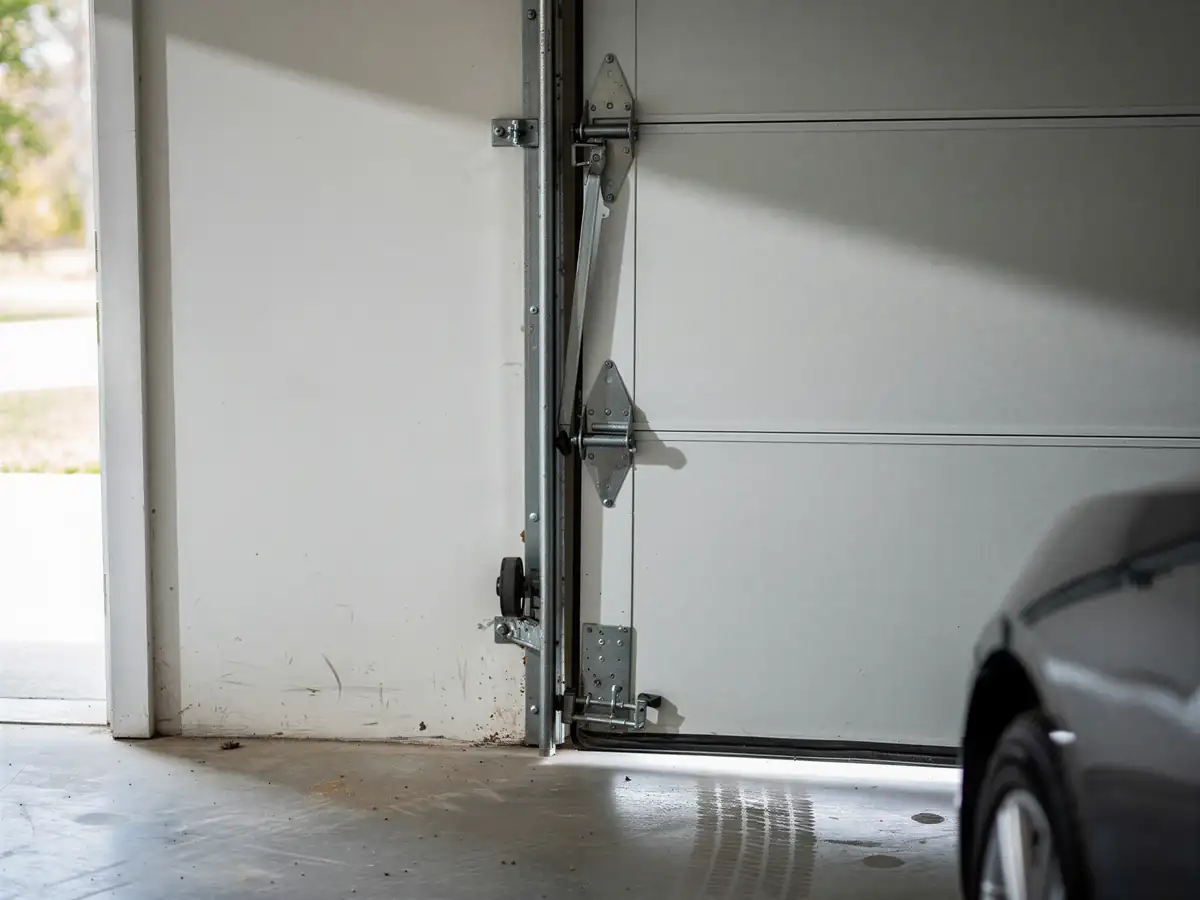
Most of the work we see traces back to the age of the stock here - a lot of these houses, especially across the 1980s-90s construction that fills out Lockwood, Laurel, and the were built with torsion springs sized for lighter steel doors that have since been swapped for heavier insulated ones. That mismatch shows up as a door that slams the last foot of travel or an opener straining on every cycle. Cold is the other driver. This is a severe cold climate, and a garage that sits unheated all winter stiffens nylon rollers, thickens old grease on the track, and shortens the life of a spring that was already near its cycle count. We get calls for broken torsion springs on double doors, openers that reverse for no reason, cables that've jumped the drum, and tracks knocked out of alignment by a bumper tap in a tight driveway. Across the service area - Central, the - the pattern repeats: 30-to-50-year-old door hardware meeting winters it wasn't rated for.