Time on the Job
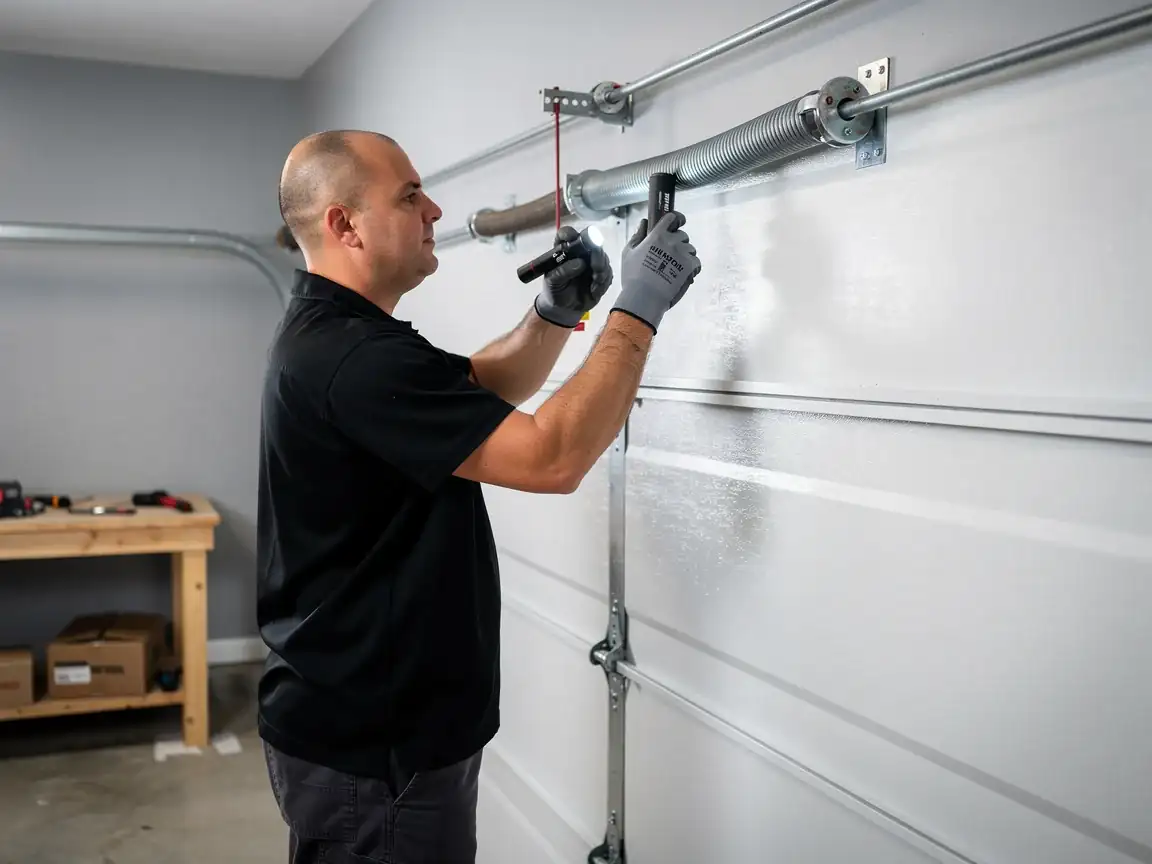
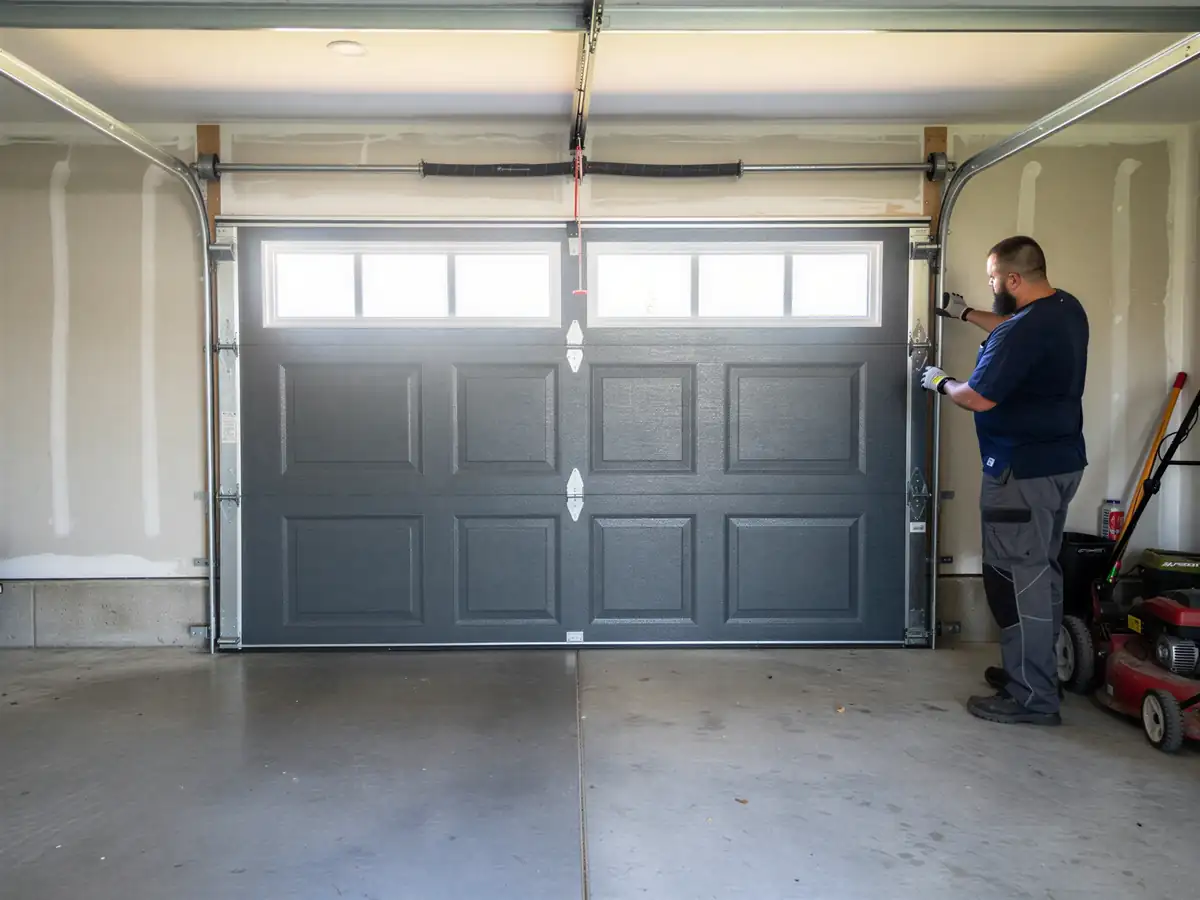
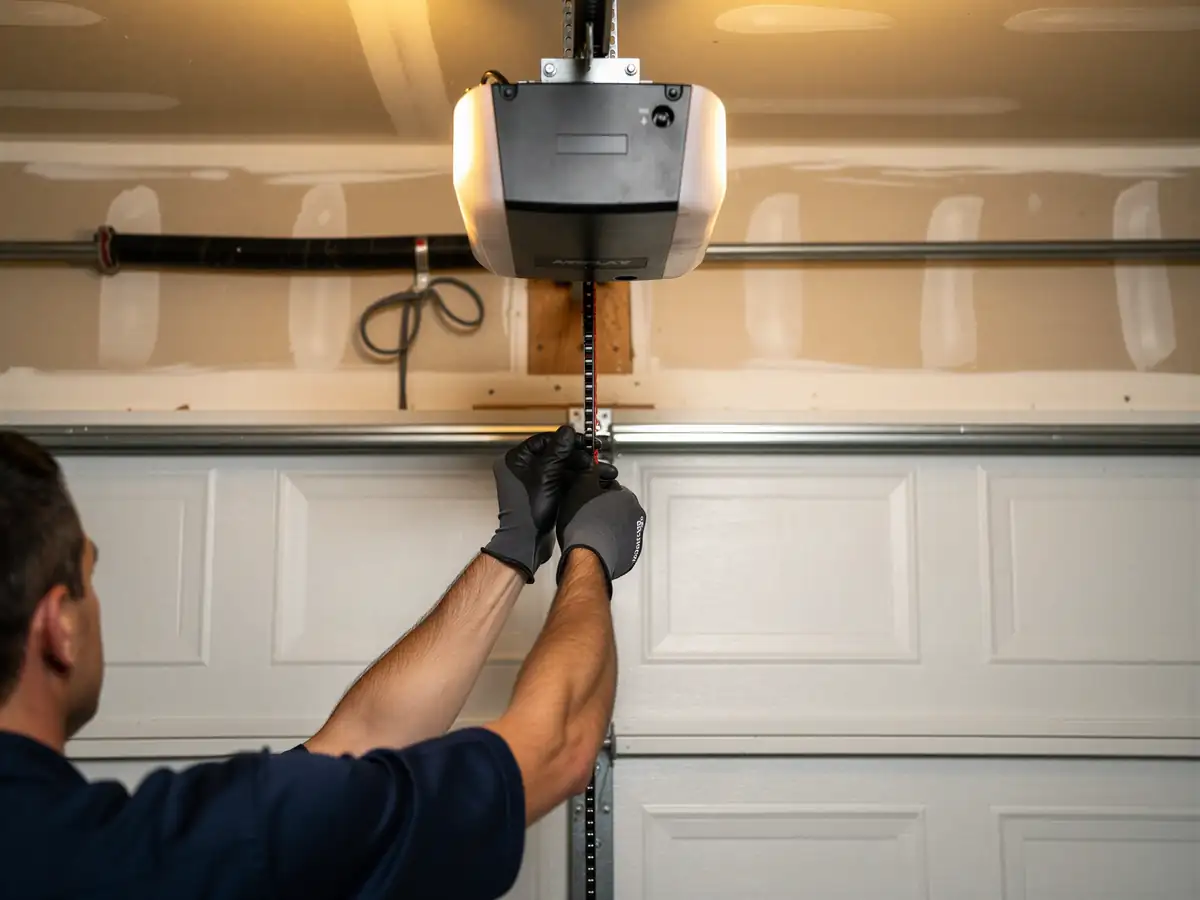
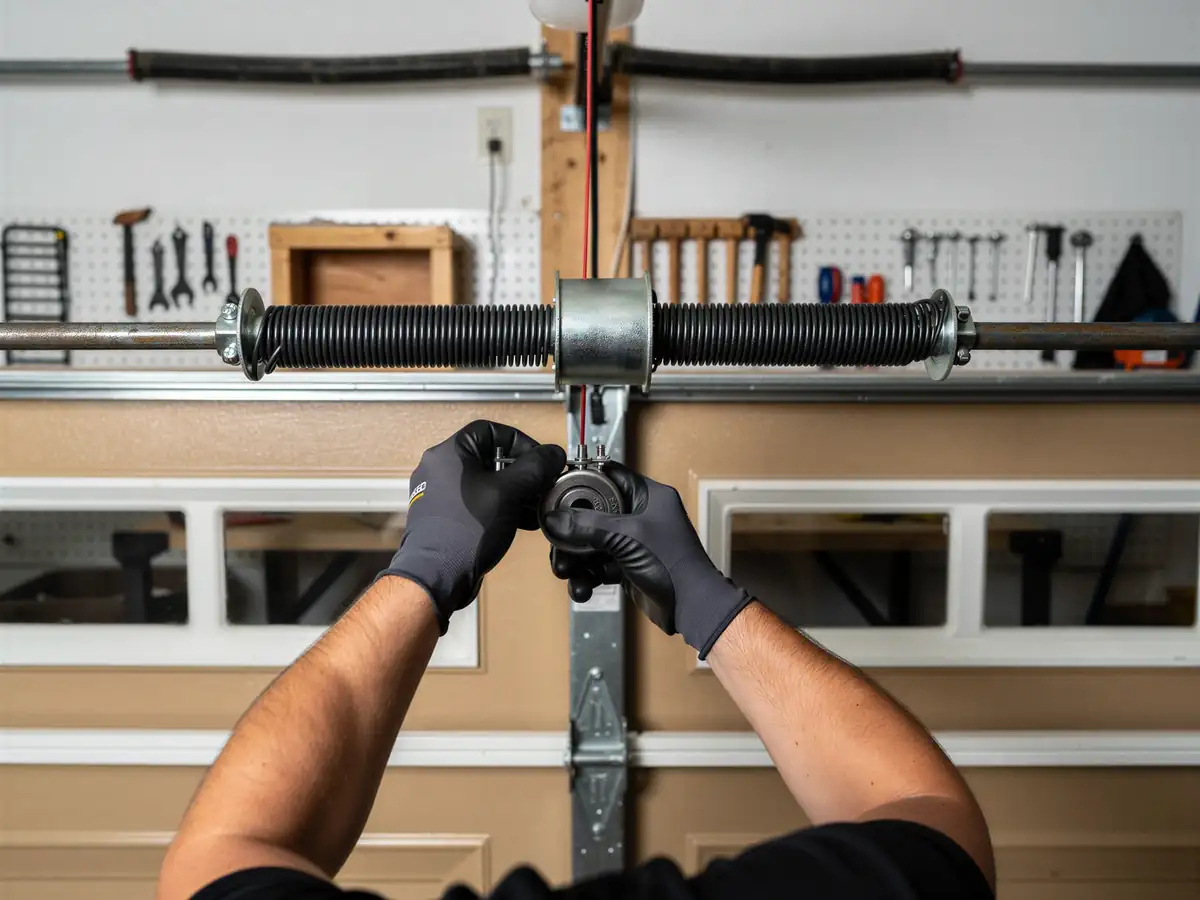
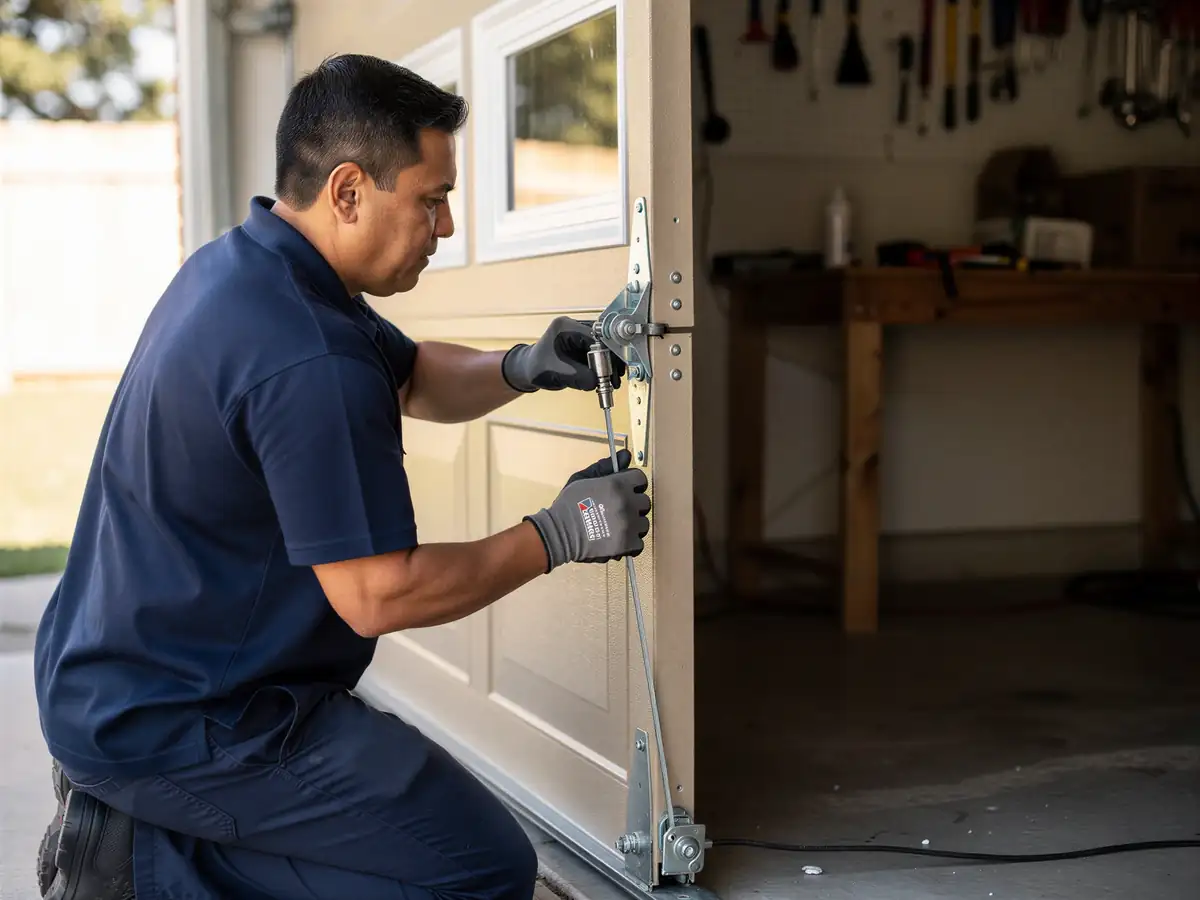
A torsion spring swap on a standard double door is a same-visit job once the truck's on site - it's not a tear-down, it's pulling the old spring off the shaft, winding a matched replacement to the right wire size and inside diameter, and running the door through a full cycle to check balance. What eats time isn't the spring itself, it's figuring out what's actually on the door first. A lot of the houses we work on in this area were built between 1973 and 2010, median right around 1985, and that means we're often looking at original hardware nobody's touched since the house was framed - springs sized for a door that may have been swapped out at some point, or cones that don't match current standard winding. We cover a tight radius out from the shop: the the are all inside five miles, with Lockwood, Laurel, Huntley, and Shepherd a bit further out. On a call inside that close ring, we're usually diagnosing and fixing in one trip. One honest limit: if the spring size is unusual or a part has to come from a supplier, that's a second visit, not a same-day fix.
What Causes It Around Here
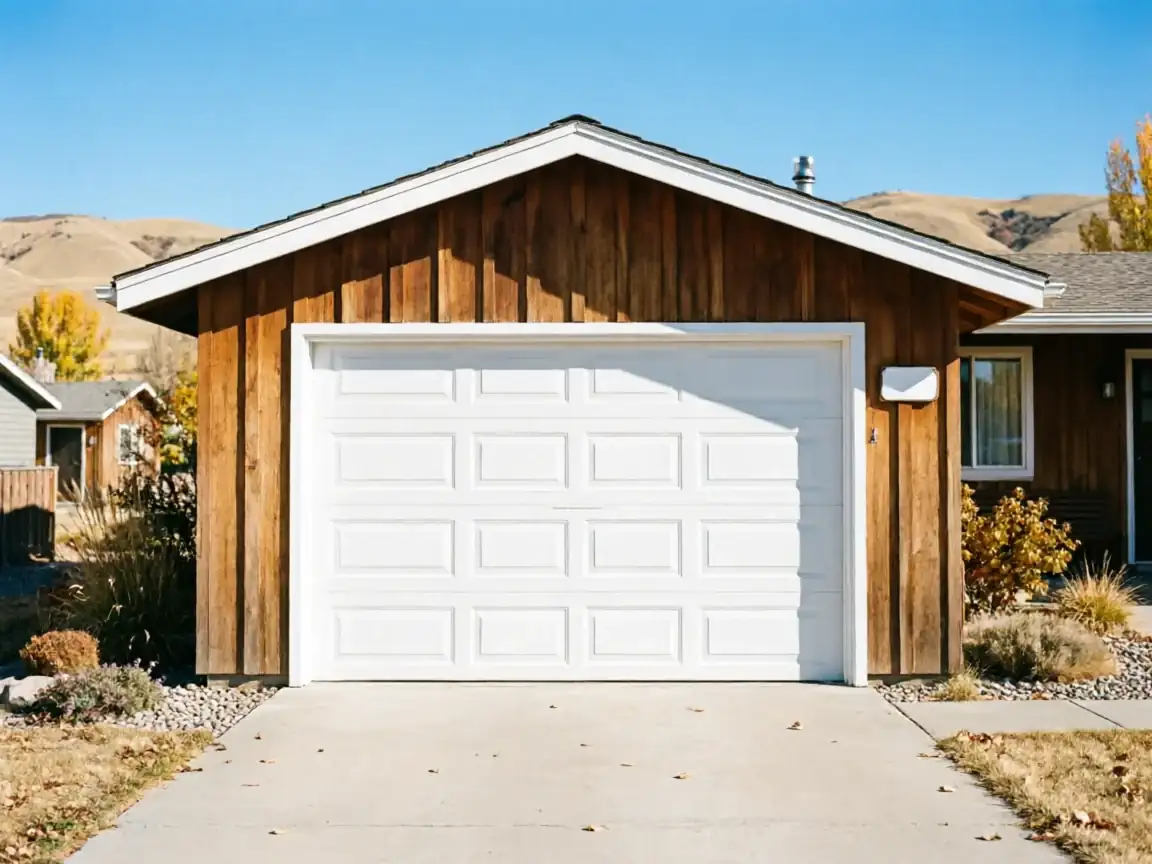
Torsion springs are rated for a number of open-close cycles, and age plus temperature swing is what eats into that rating faster than normal use does. Billings sits in a cold-severe climate band, and steel contracts and loses flexibility in hard cold - a spring that's already fatigued from twenty or thirty years of winding and unwinding is far more likely to snap on a cold morning than in the middle of summer. That's a pattern we see across the 1980s and 90s stock that makes up most of four areas close in - the. Those houses are old enough that the original springs are well past the point anyone should expect them to hold, and they're also in a climate that puts extra stress on the metal every winter. It's not bad luck and it's not a defect - it's an old spring meeting a cold snap at exactly the wrong moment. Houses built later, closer to 2010, usually still have original springs too, just with a few more years left in them before the same thing happens.
The Symptom
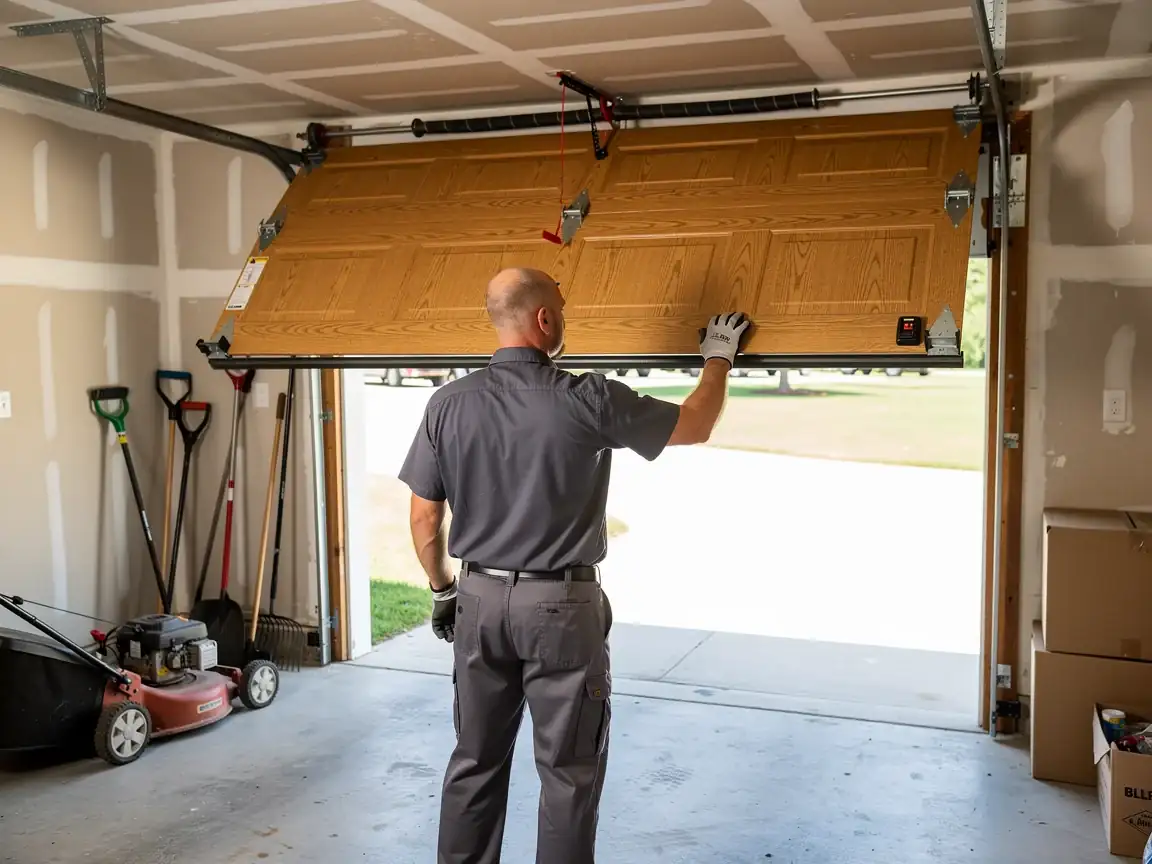
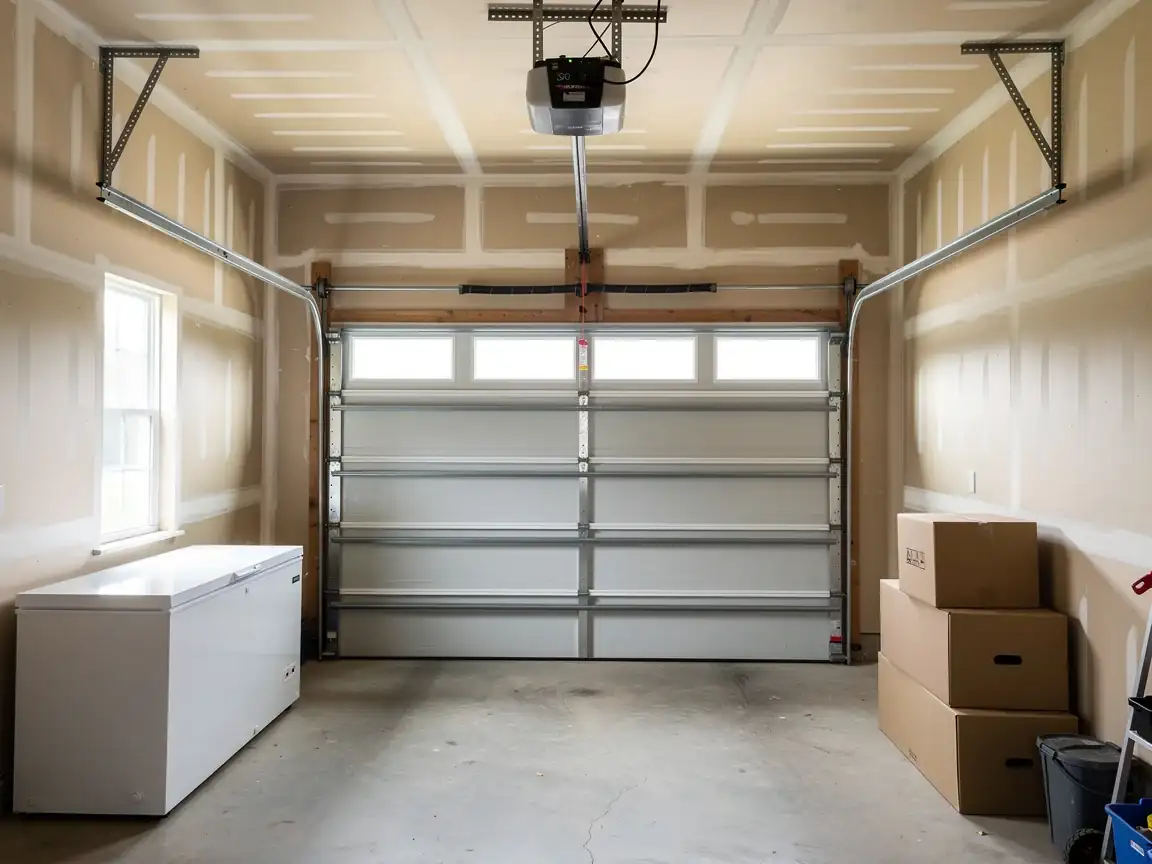
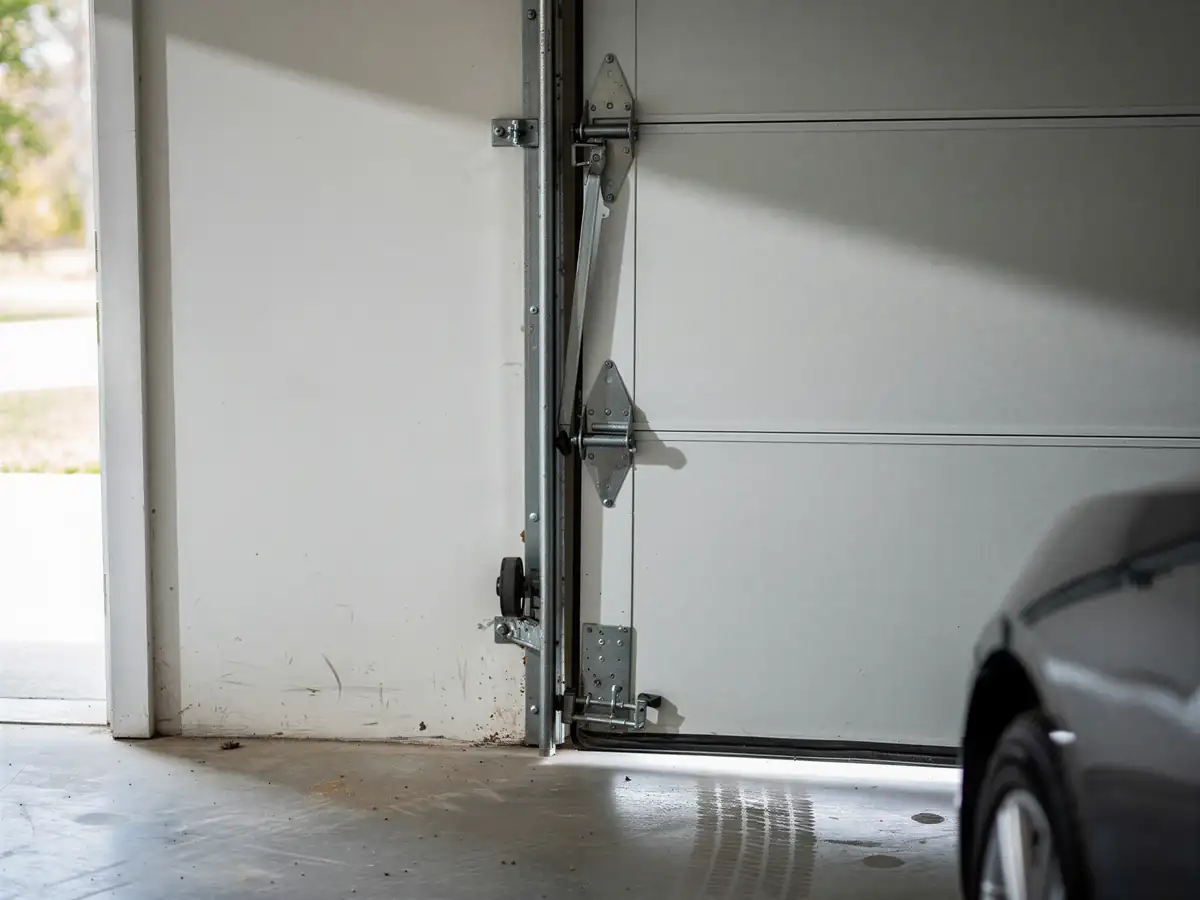
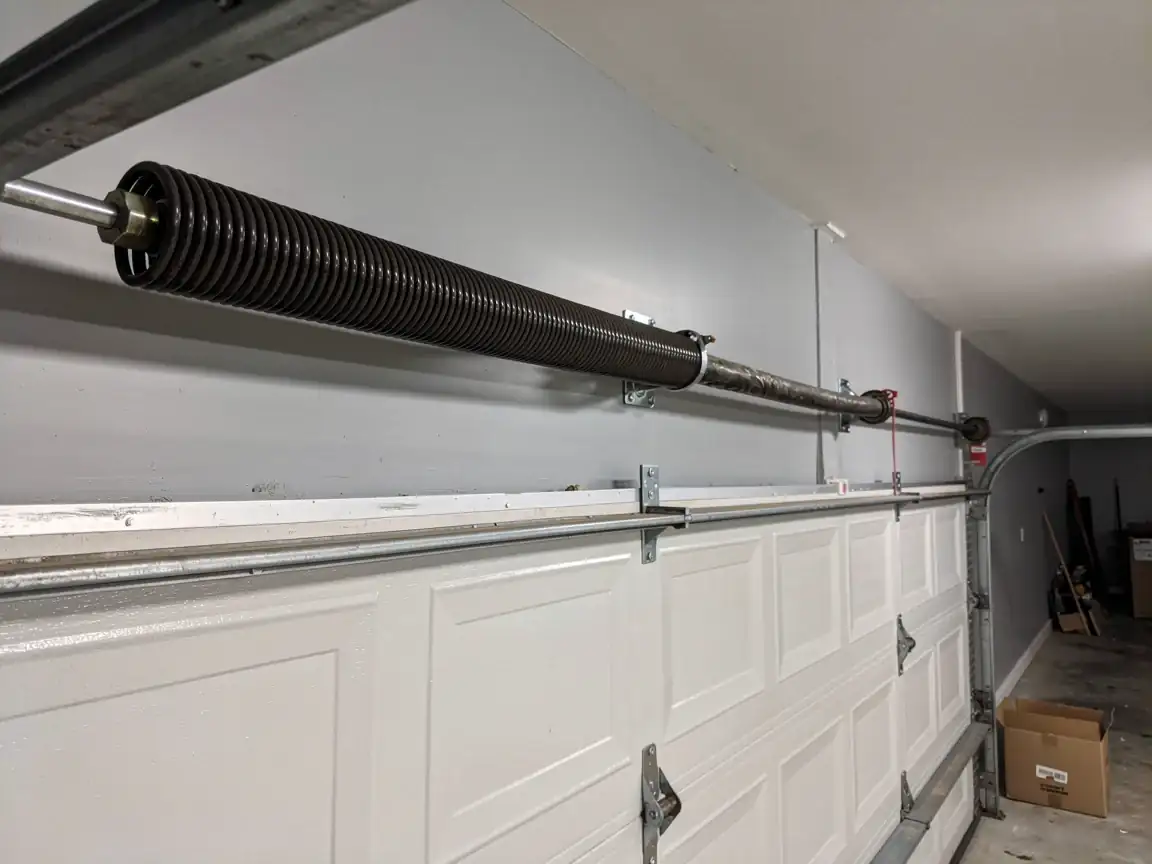
The door won't move, or it moves wrong. Classic broken spring: you hit the opener button and the motor strains, grinds, or trips its breaker without the door lifting more than an inch - the opener was never built to lift a 150-plus pound door on its own, that's the spring's job. Sometimes it's quieter: the door looks fine shut, but when you try to lift it by hand it feels like dead weight, with none of the usual counterbalance. A loud bang from the garage, especially on a cold morning, is usually the spring itself letting go - you'll often find it split at one point along the coil, still wound around the shaft. If only one spring on a double door has gone, the door may open but hang crooked, lifting higher on one side than the other, which puts extra strain on the tracks and rollers until that gets fixed too. None of these are safe to force through repeatedly - every cycle on a dead spring loads more weight onto the opener and the cables.