What to Look At First
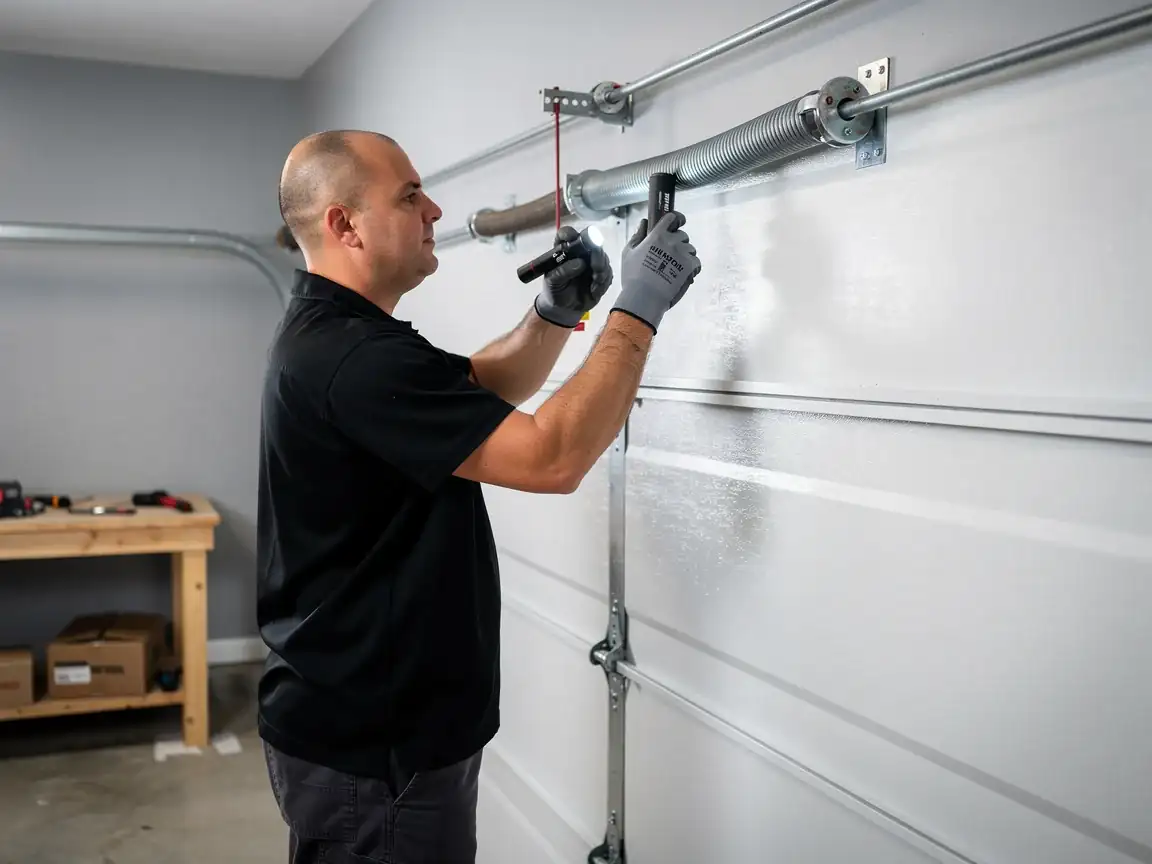
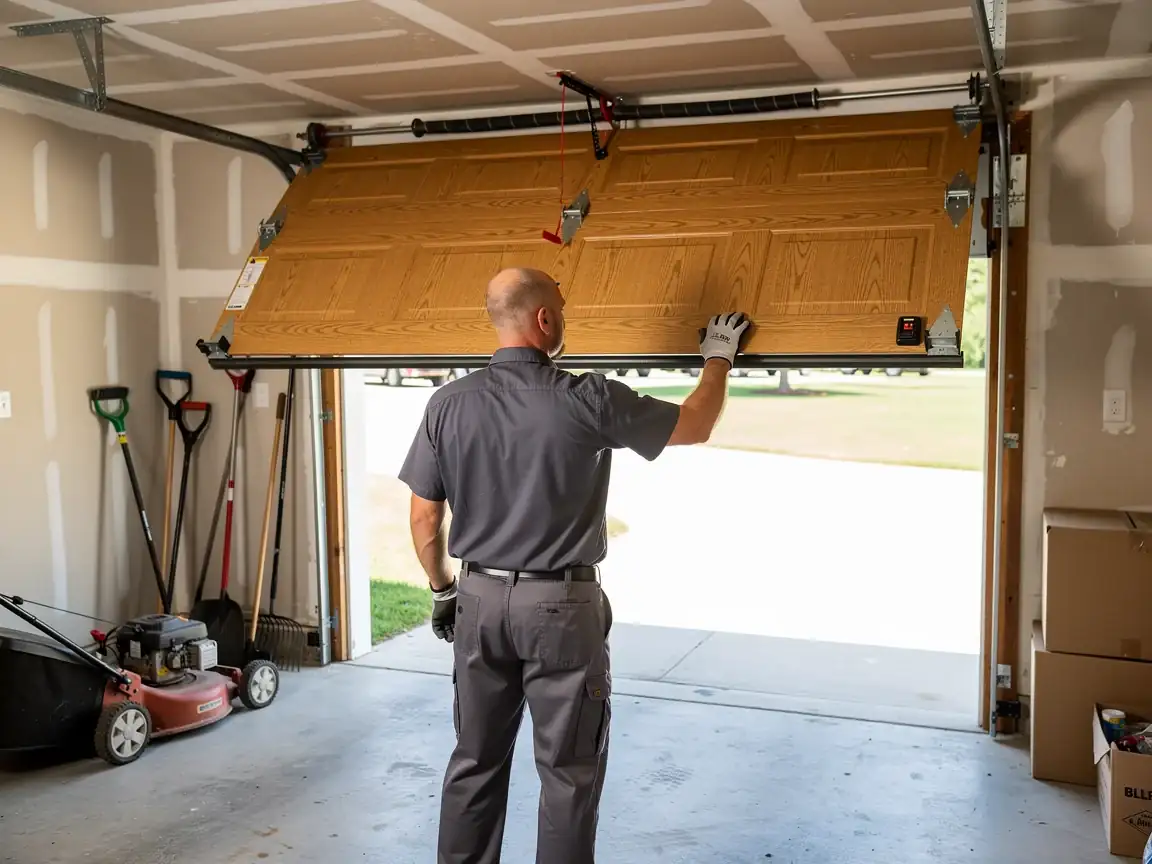
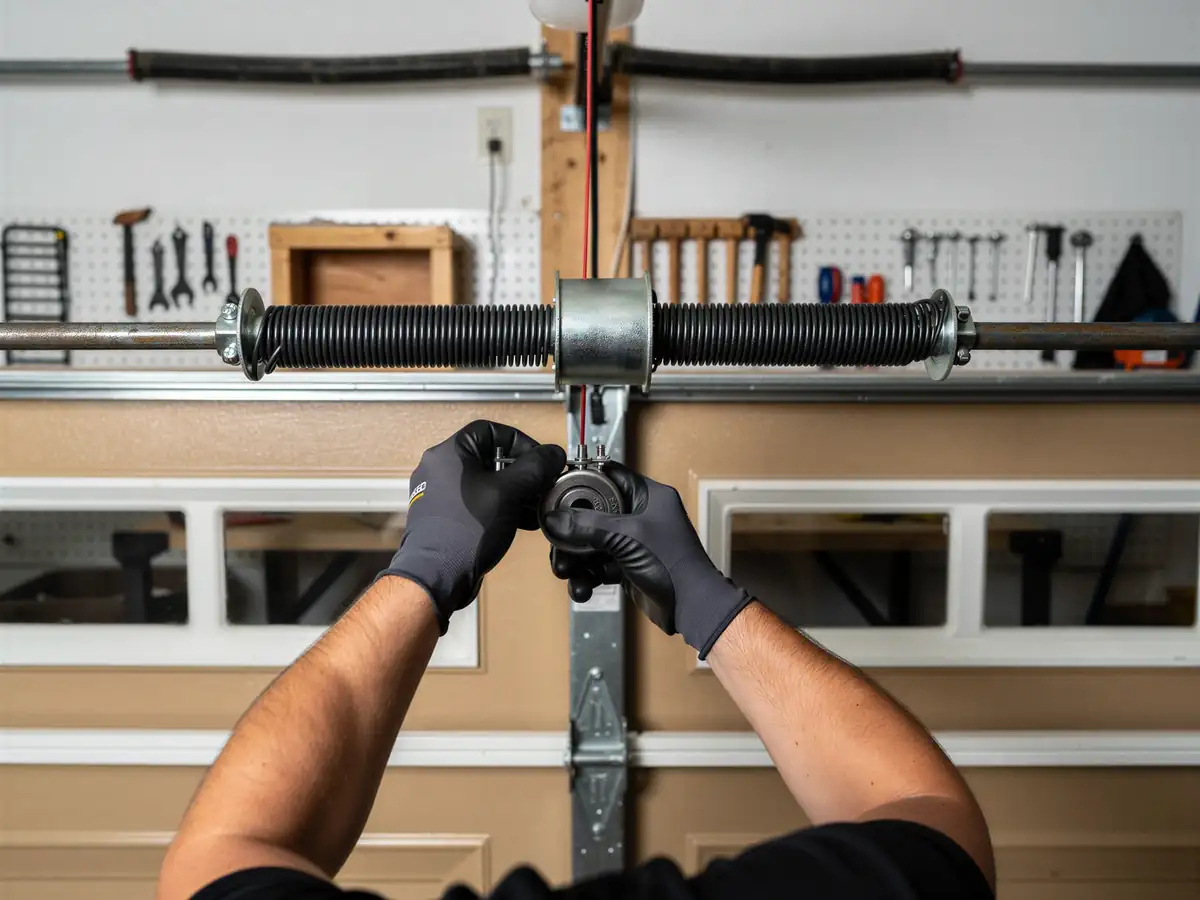
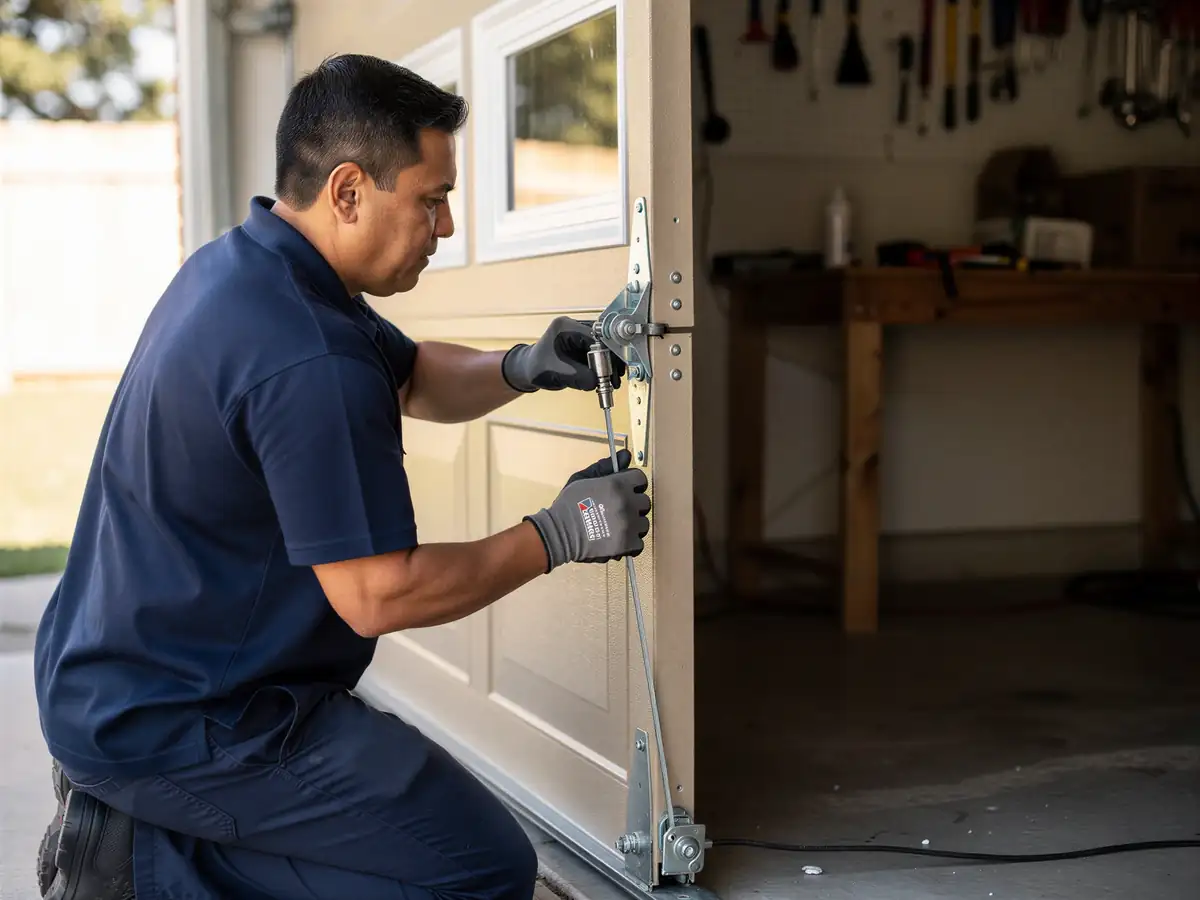
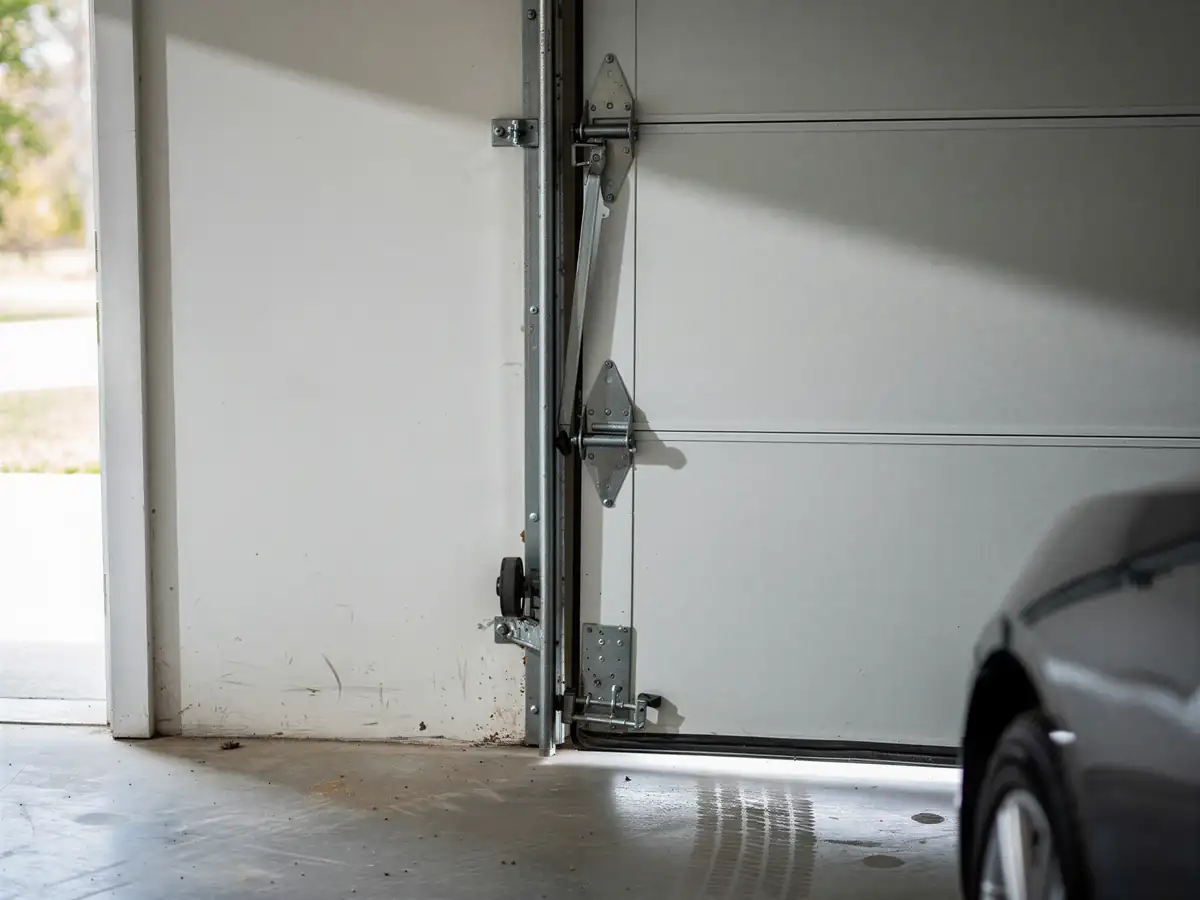
Start with the spring itself, not the opener. Most houses across the service area - Lockwood, Laurel, Huntley, Shepherd, and the - went up between 1973 and 2010, with the bulk of that stock dating to the 1980s and 90s. That matters because a torsion spring has a rated cycle life, and a spring installed when a house was built in, say, 1985 is well past due for failure by now regardless of how it looks. Check for a gap in the coils when the door is down, rust streaking down the spring tube, or a door that feels heavier than it used to when you lift it by hand with the opener disconnected. If the spring looks original to a house from that build window, treat it as a when-not-if situation. Also look at the end bearing plates and the center bracket - on houses from this era they're often the stock parts from original construction, not upgraded hardware. A spring that lets go in cold weather usually gives some warning first: a popping sound, a door that drifts, or cables that look loose at the bottom bracket. None of that is dramatic. It's just metal fatigue catching up with a part nobody's looked at in years.
The Common Mistake
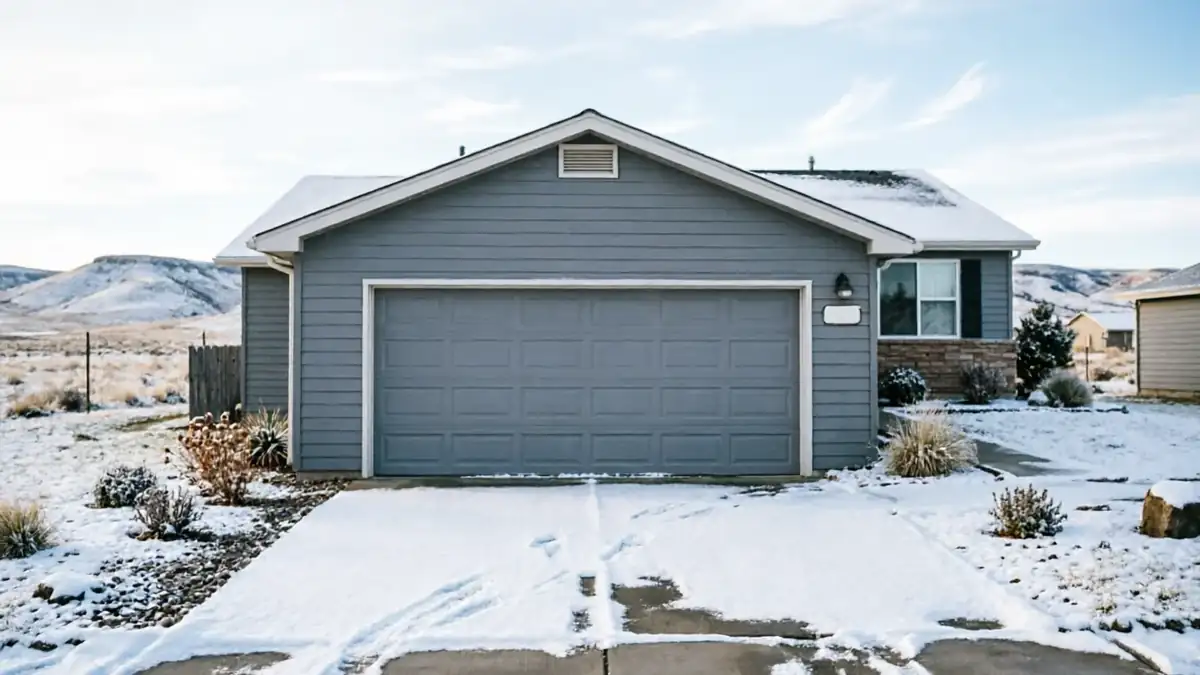
The common mistake is waiting for the spring to look broken before calling anyone. By the time a torsion spring visibly separates, it's usually already cost you a slammed door, a jammed opener gear, or a scared kid standing under a door that just dropped. The other mistake, just as common, is assuming a garage door spring is a weatherproof part that doesn't care about temperature. It is steel under heavy constant tension, and steel behaves differently at 10 degrees than it does at 70. Owners in houses built across the 1973-2010 window often have the original or first-replacement spring still in place, sized for a door and a climate assumption from whenever it went in. A spring that's been fine for fifteen winters doesn't mean it's fine for the sixteenth. We also see people try to lubricate a spring that's already cracked internally, which does nothing - the fatigue is inside the coil, not on the surface. If a spring has gone brittle, oil won't fix brittle. The honest answer is that once a spring shows cold-weather stress, the fix is replacement, not maintenance.
What Is Going On
Across the roughly 6,294 households in the service area, about 2,689 are owner-occupied houses, and a large share of those were built during the same 1973-2010 stretch with a median year around 1985. That means a lot of this area's garage doors are running springs that are either original to a decades-old build or a single replacement cycle behind that. Fatigue in torsion springs is cumulative - every open and close cycle adds a little wear, and cold weather accelerates the final failure once a spring is already near the end of its life. With median household income here at $74,451, most owners we talk to want the job done right the first time rather than a cheap patch that fails again next winter, which is why we won't guess at spring sizing over the phone. Wire diameter, coil length, and drum size all have to match the door and the opening, and getting one of those wrong leaves you with a door that won't balance even after the spring is new. That's the one limitation worth saying plainly: a spring swap isn't a universal part, and doing it right means measuring your actual door, not assuming it matches the house next door.