Time on the Job
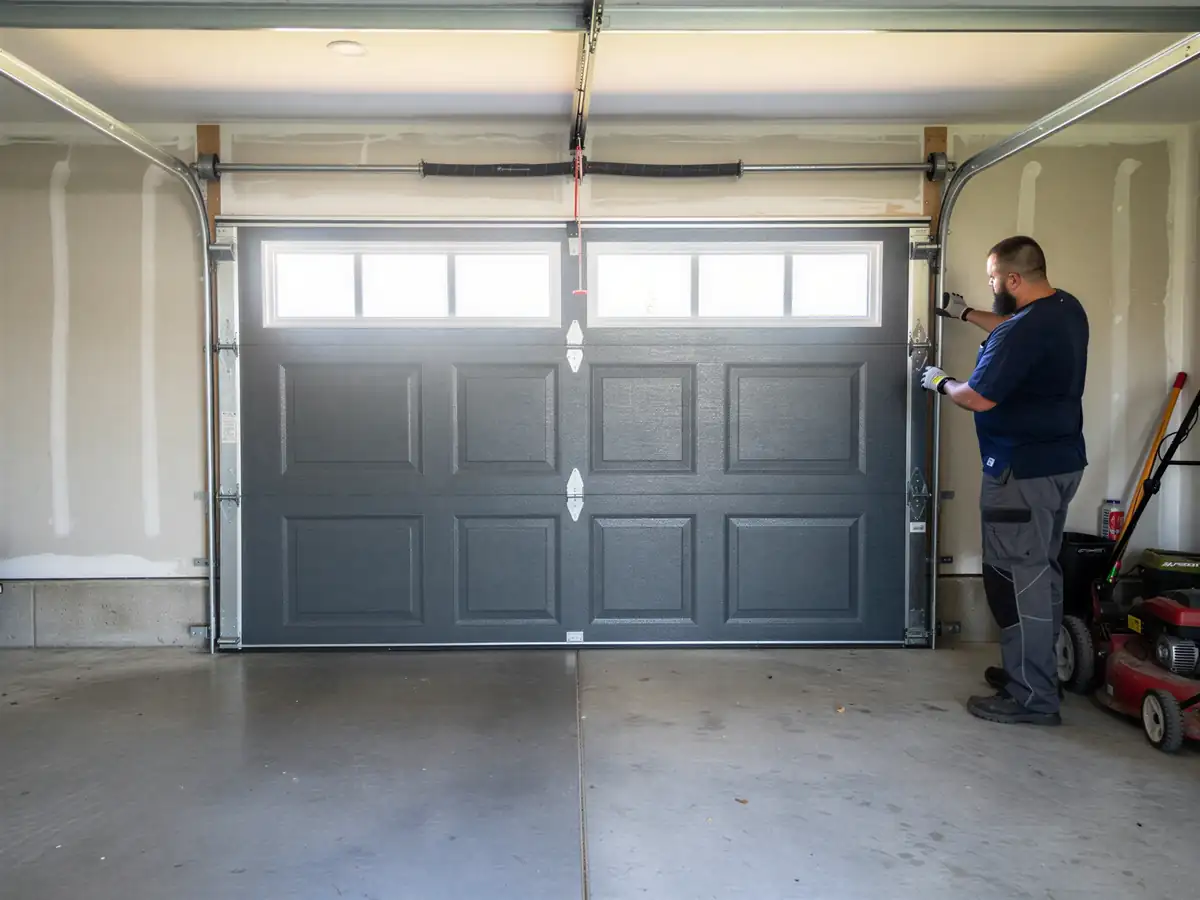
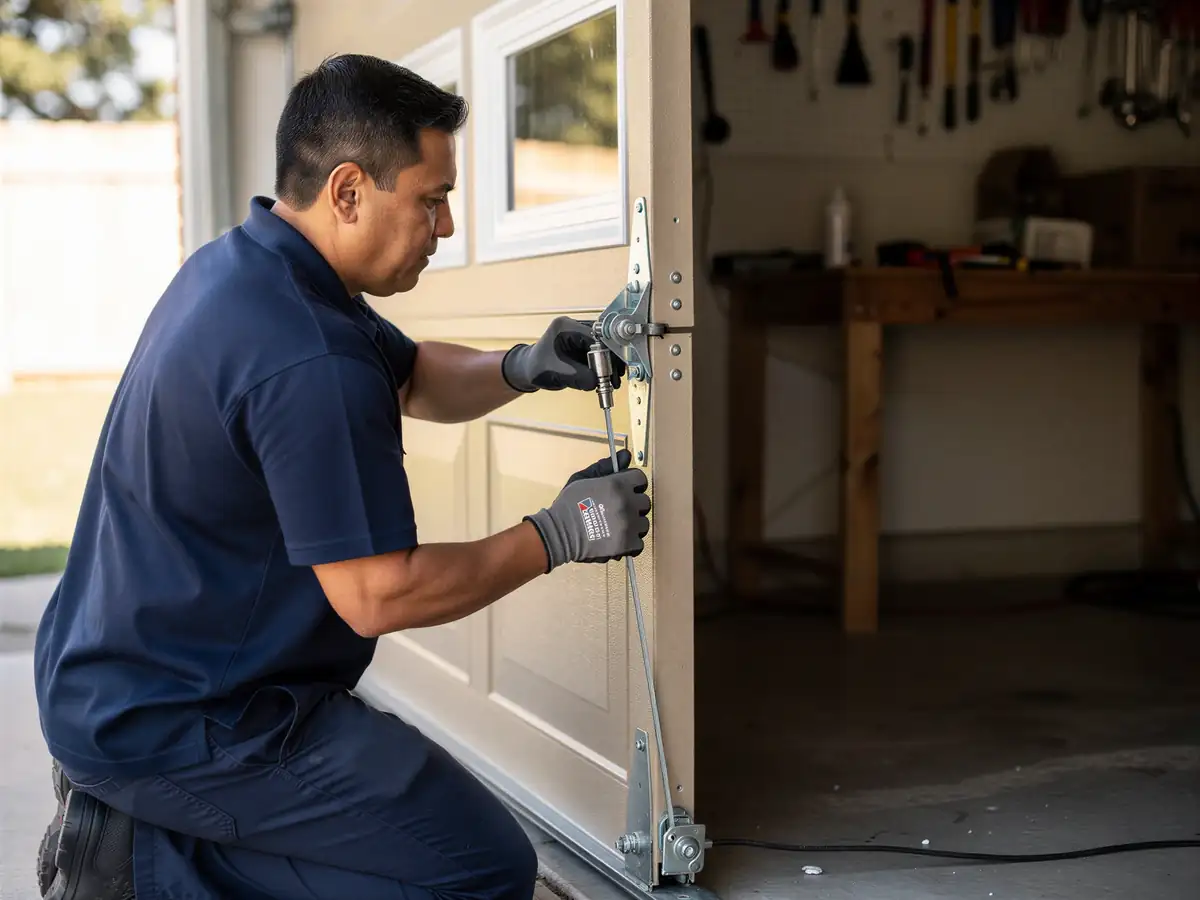
A torsion spring swap on a standard double door usually fills a morning slot once we're on site with the right size spring for your drum and shaft setup. Most Billings garages we work in still have the original door from whenever the house went up, so the first part of the job is often just figuring out what spring wind and wire gauge is actually on there before we cut anything loose. Houses across this service area went up mostly between 1973 and 2010, with the median build year around 1985, so we're not dealing with one standard spring size - we're dealing with three decades of manufacturer changes. A single broken spring on a double door is a same-visit fix in nearly every case. Two springs, or a spring paired with a bent shaft or a seized bearing plate, takes longer because we're replacing hardware that's been under tension and ignored for years. We don't rush the balance check at the end - a door that isn't balanced right after a spring job just wears the next spring out faster, and that callback costs the homeowner more than the extra fifteen minutes would have.
What Causes It Around Here
Billings sits in a severe cold climate band, and that matters more for springs than most people think. Steel torsion springs lose temper faster with repeated freeze-thaw cycling than they do from pure cold or pure use - the metal flexes differently at 10 below than it does at 60 above, and a spring rated for 10,000 cycles in a mild climate doesn't make it that far here. Add in housing stock that's mostly 1980s and 90s builds across the four main areas we serve, and you've got a lot of garages running on original or first-replacement springs that are now 25 to 45 years old. Builders in that era also spec'd lighter-duty springs than what goes on new construction today, so a lot of these doors were already running close to their limit before the winters started working on them. We also see springs fail early on doors that got heavier insulation retrofits over the years - adding weight to a panel without upsizing the spring to match is a common DIY miss that shortens spring life fast.
The Symptom
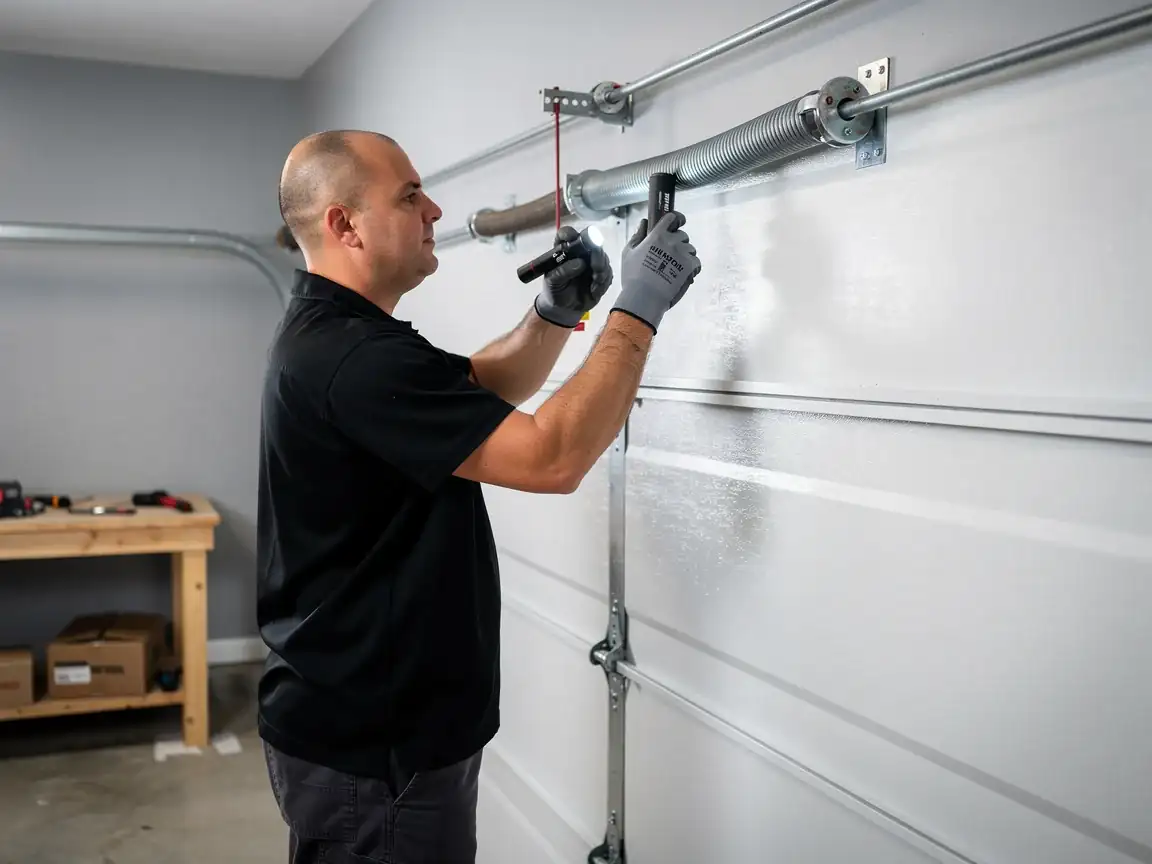
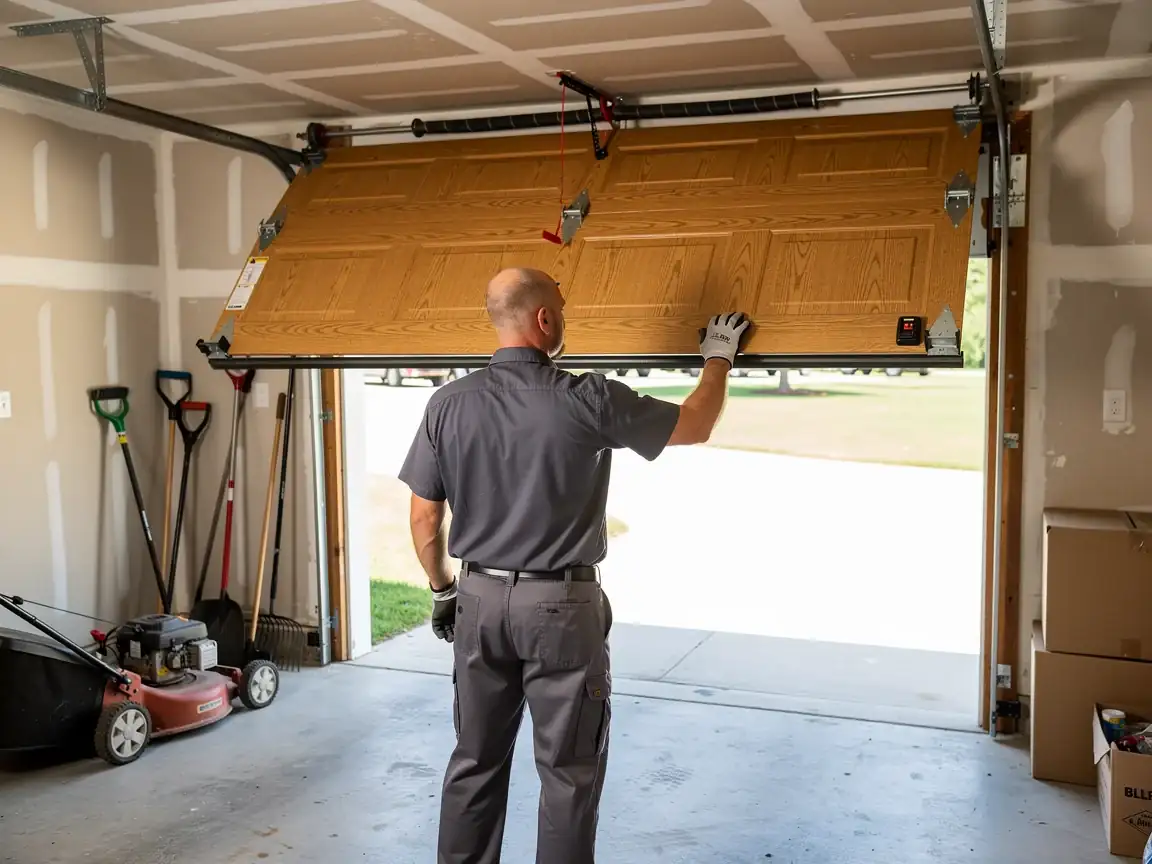
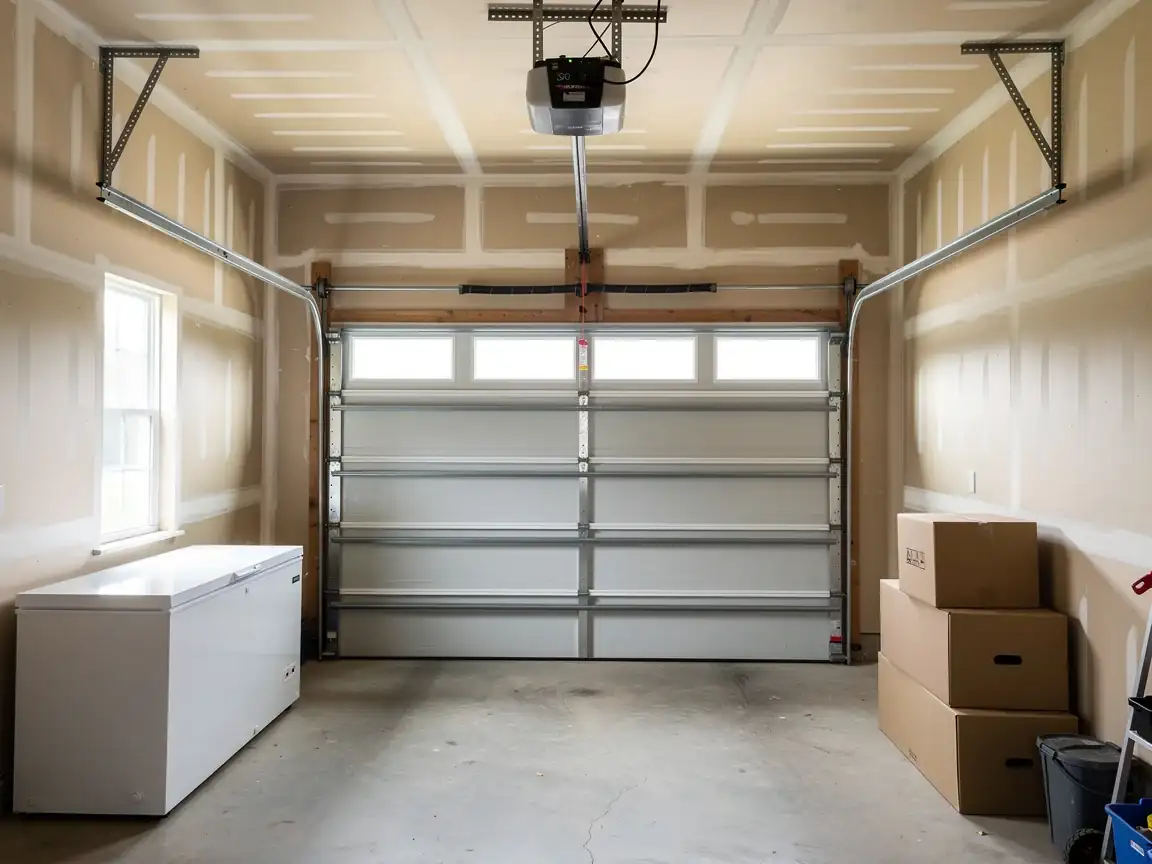
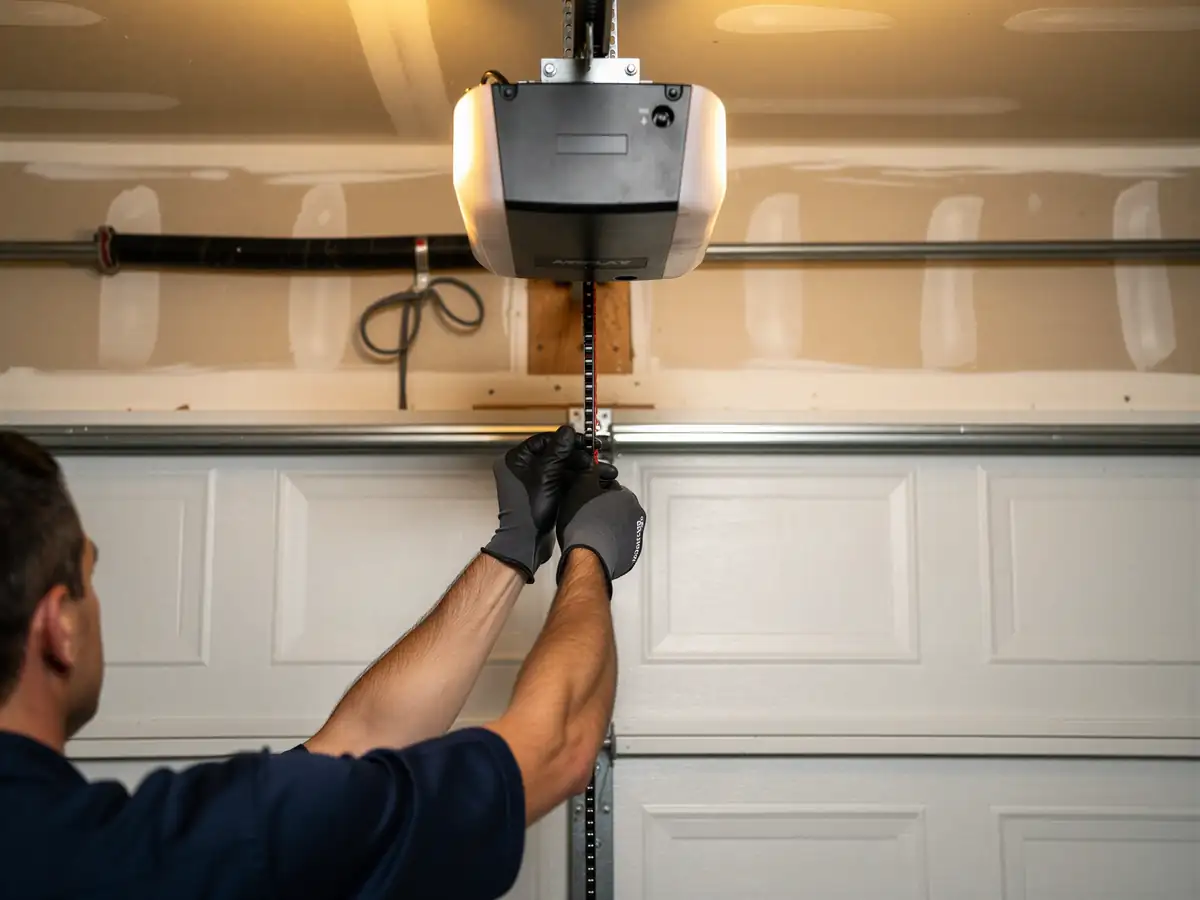
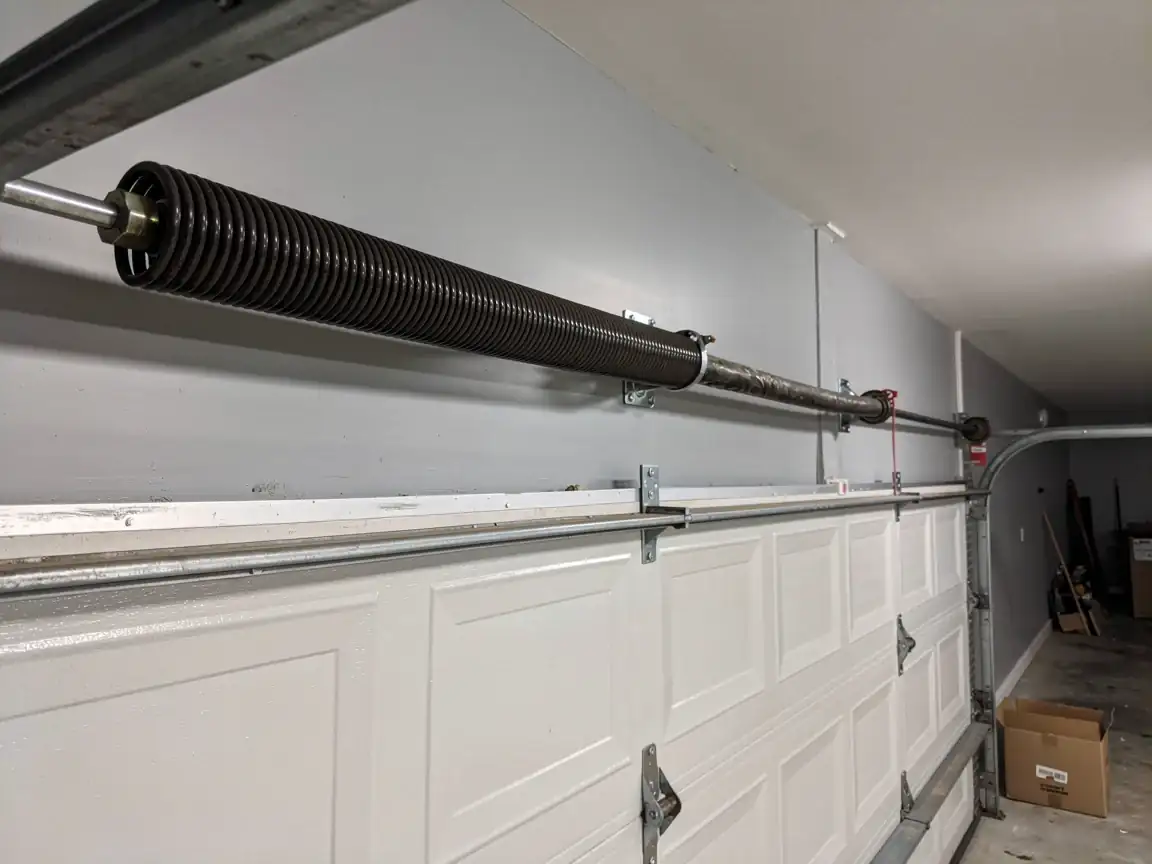
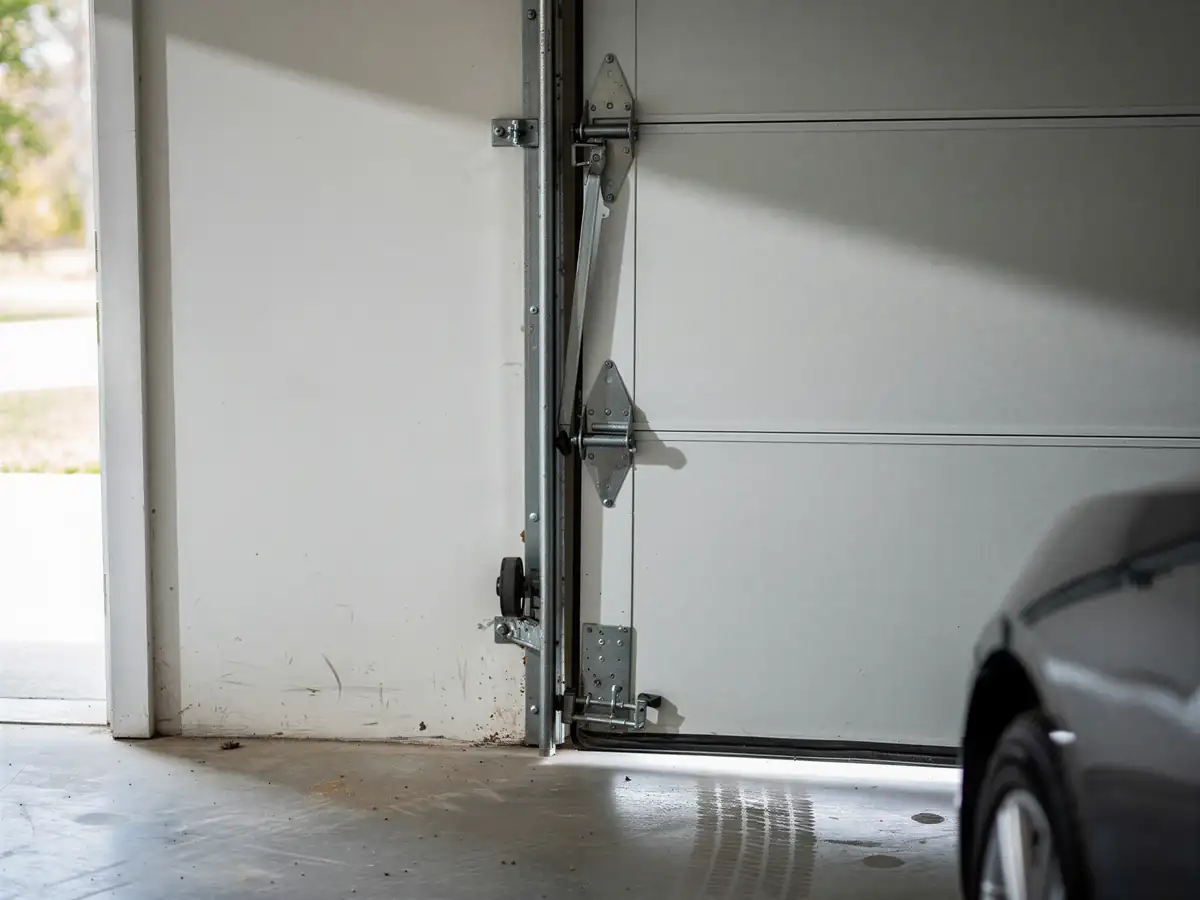
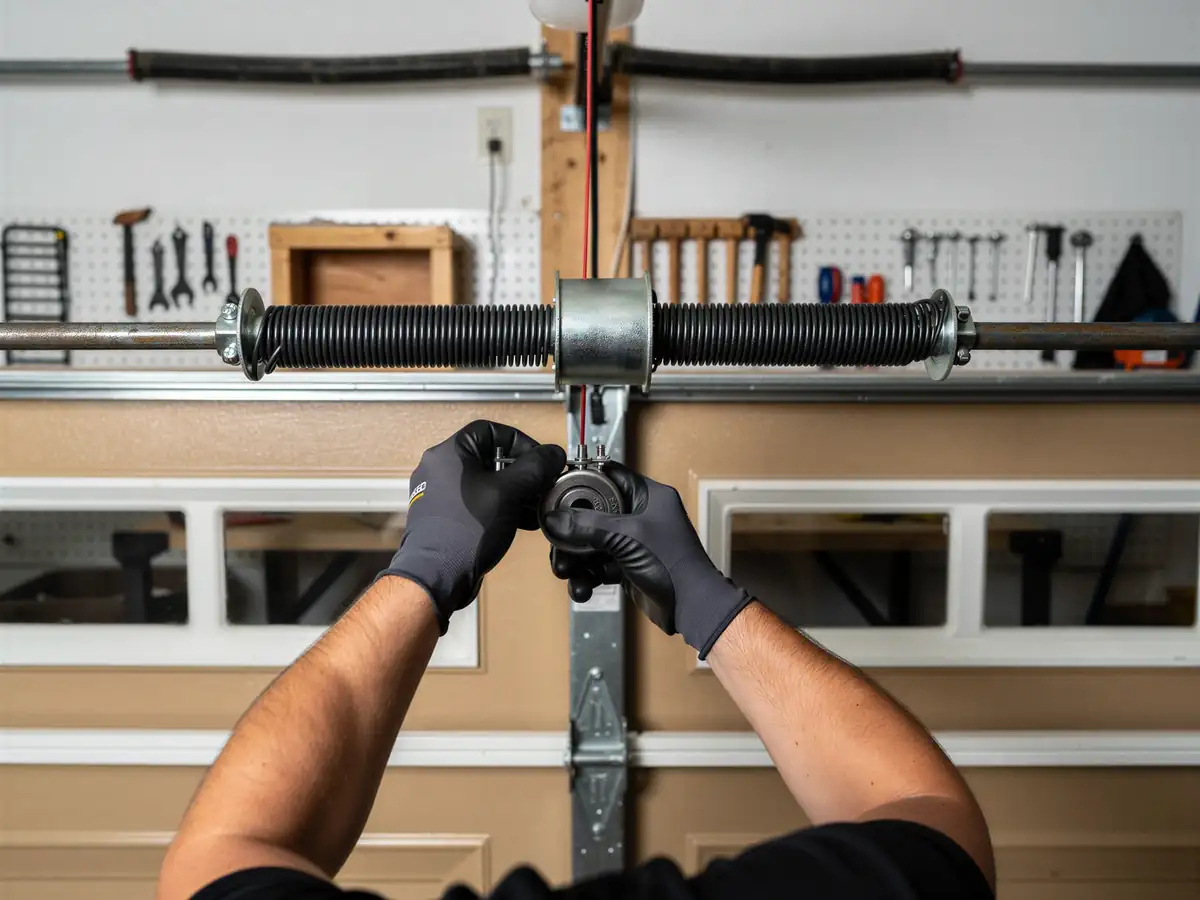
The door won't budge, or it only moves a few inches before stalling - that's the classic sign, and if you look up at the spring above the door and see a gap in the coil, that's your answer. Sometimes it's less obvious: the opener strains and groans but the door creeps up slow and uneven, one side dropping faster than the other when you release it halfway. That unevenness usually means one spring on a two-spring setup has already gone while the other is still holding, which is actually the easier version of this call because the door hasn't fully dropped its weight onto the opener or the tracks yet. A loud bang from the garage, especially on a cold morning, is almost always a spring letting go under tension - it's startling but it's not dangerous if nobody's standing under the door. Don't try to force the door open manually when a spring's gone; the weight of a standard double door with no spring tension is more than most people expect, and that's exactly how hands and fingers get caught in the track.