What to Look At First
Most houses across this service area were built between 1973 and 2010, with the median landing around 1985, and the four named pockets we work in - Central/Terry, the - lean heavily toward that 1980s-90s stock. That matters the moment the power goes out, because an opener from that era, or even one replaced once since, often has a manual release cord that's brittle, frozen stiff, or tucked up out of reach by whoever installed it.
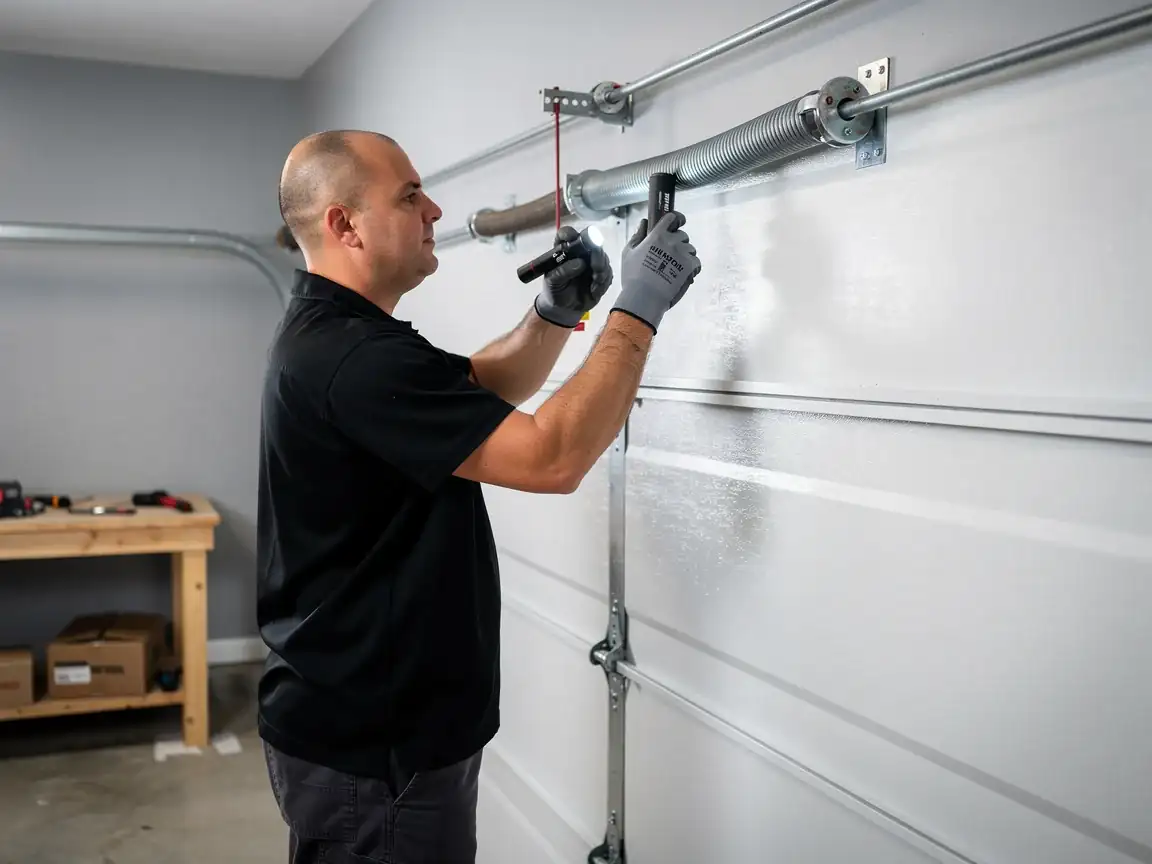
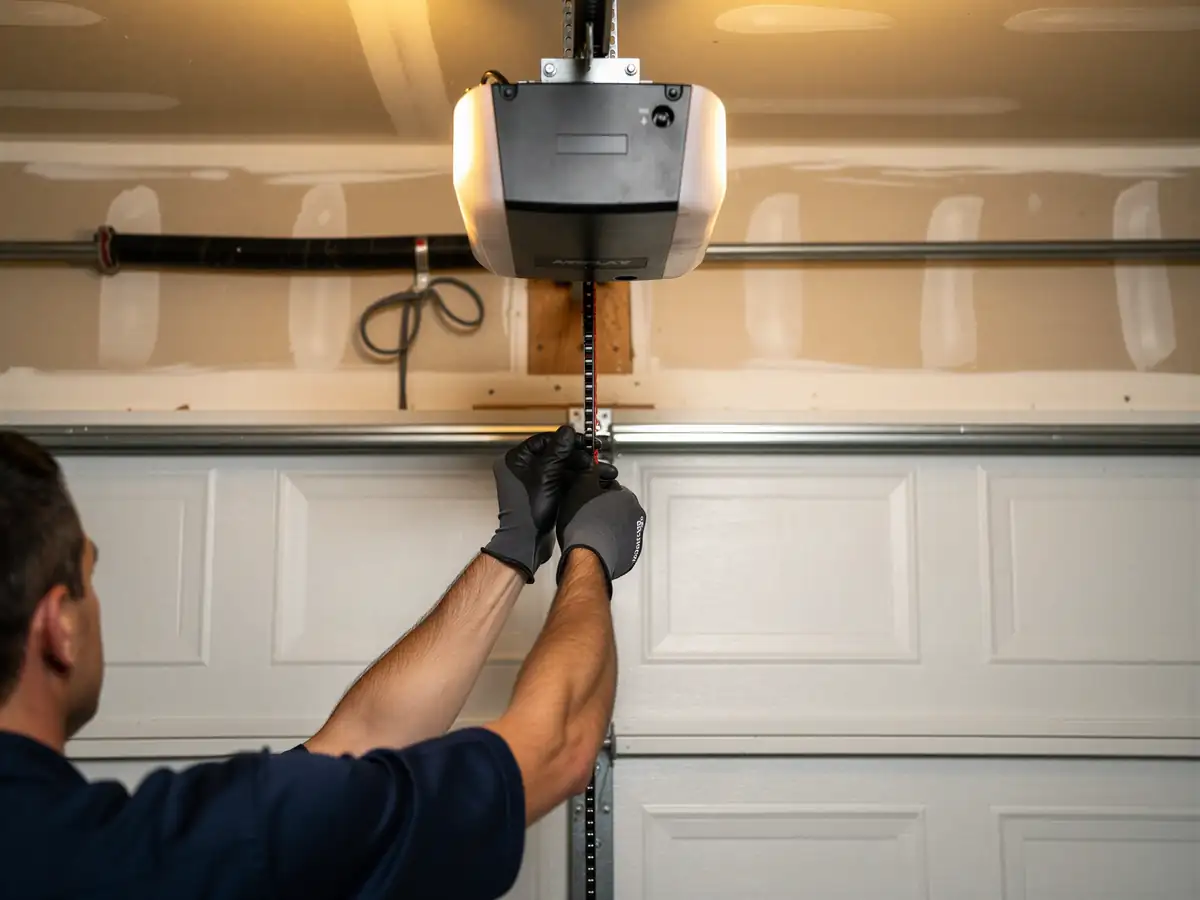
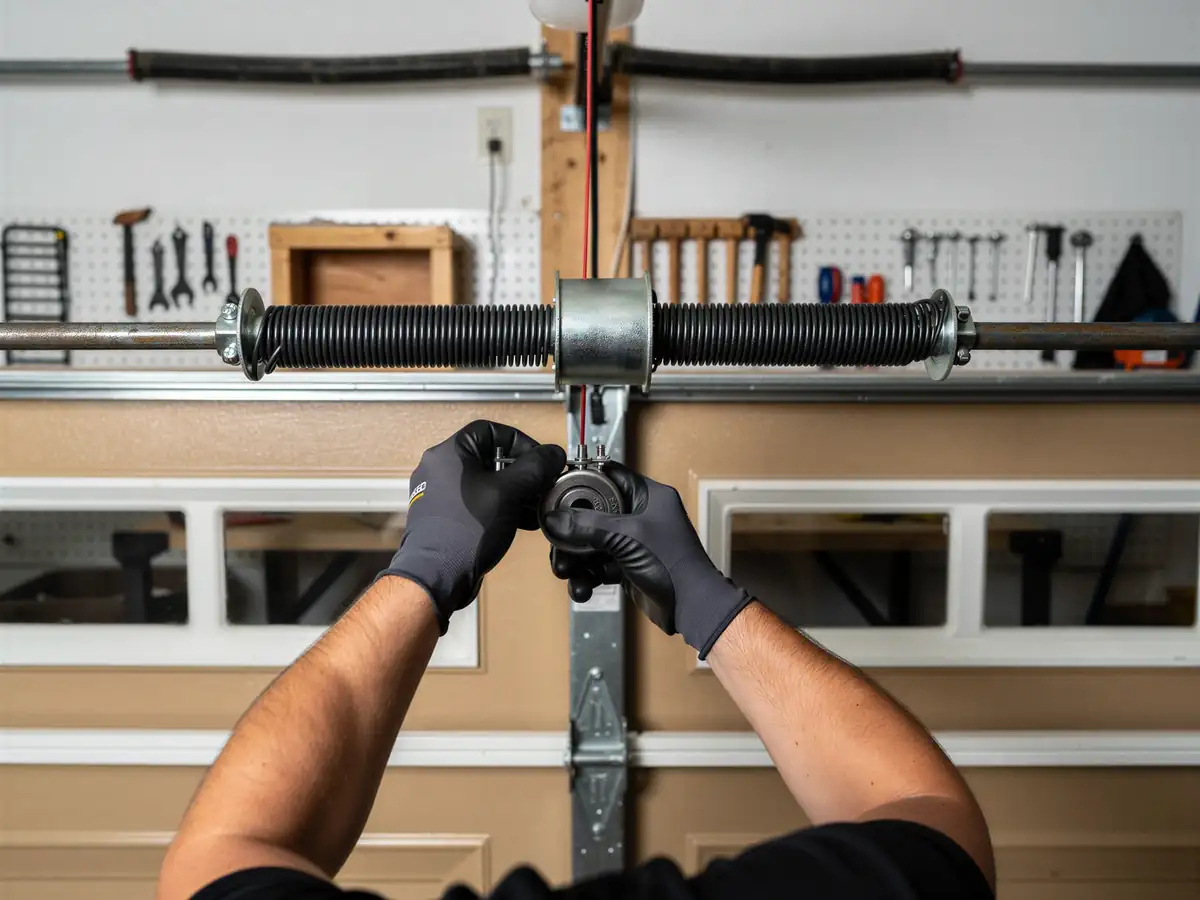
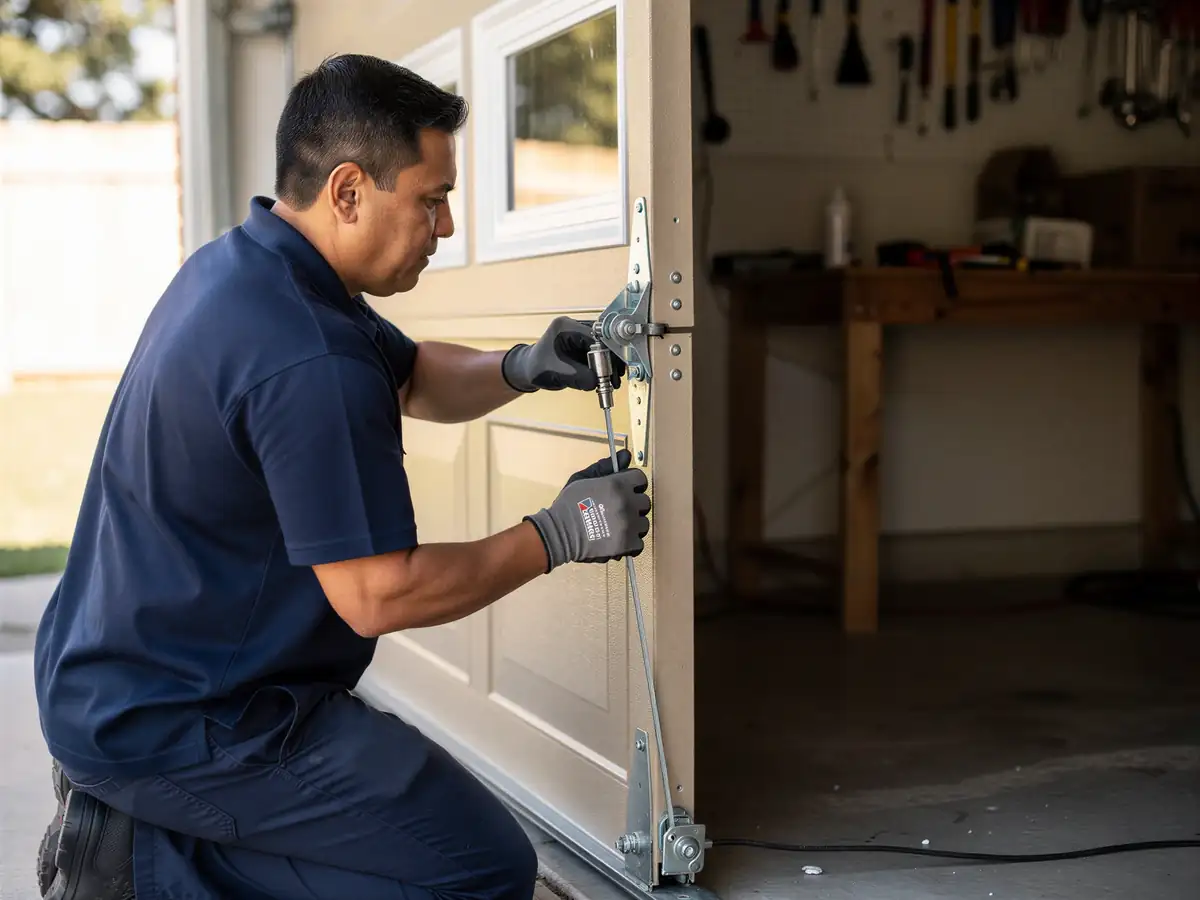
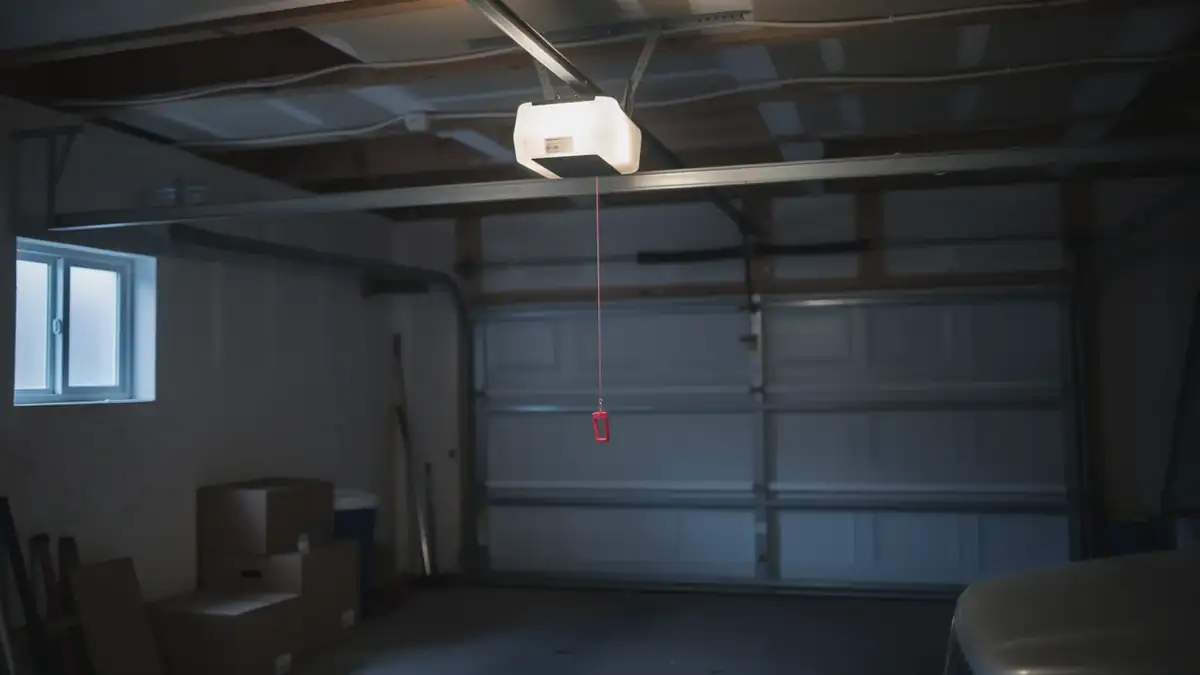
Start at the trolley. Find the red release cord hanging from the rail. Pull it straight down, not at an angle, and the carriage should disconnect with a solid click. If it doesn't move, or moves and the door still won't lift by hand, the problem isn't the power at all - it's a spring that's already given out, and you've just found that out at the worst possible time.
Check the battery backup next if your opener has one. A lot of units installed in this age bracket of house were sold without backup batteries standard, so don't assume yours has one just because the house is newer than it looks.
The Common Mistake
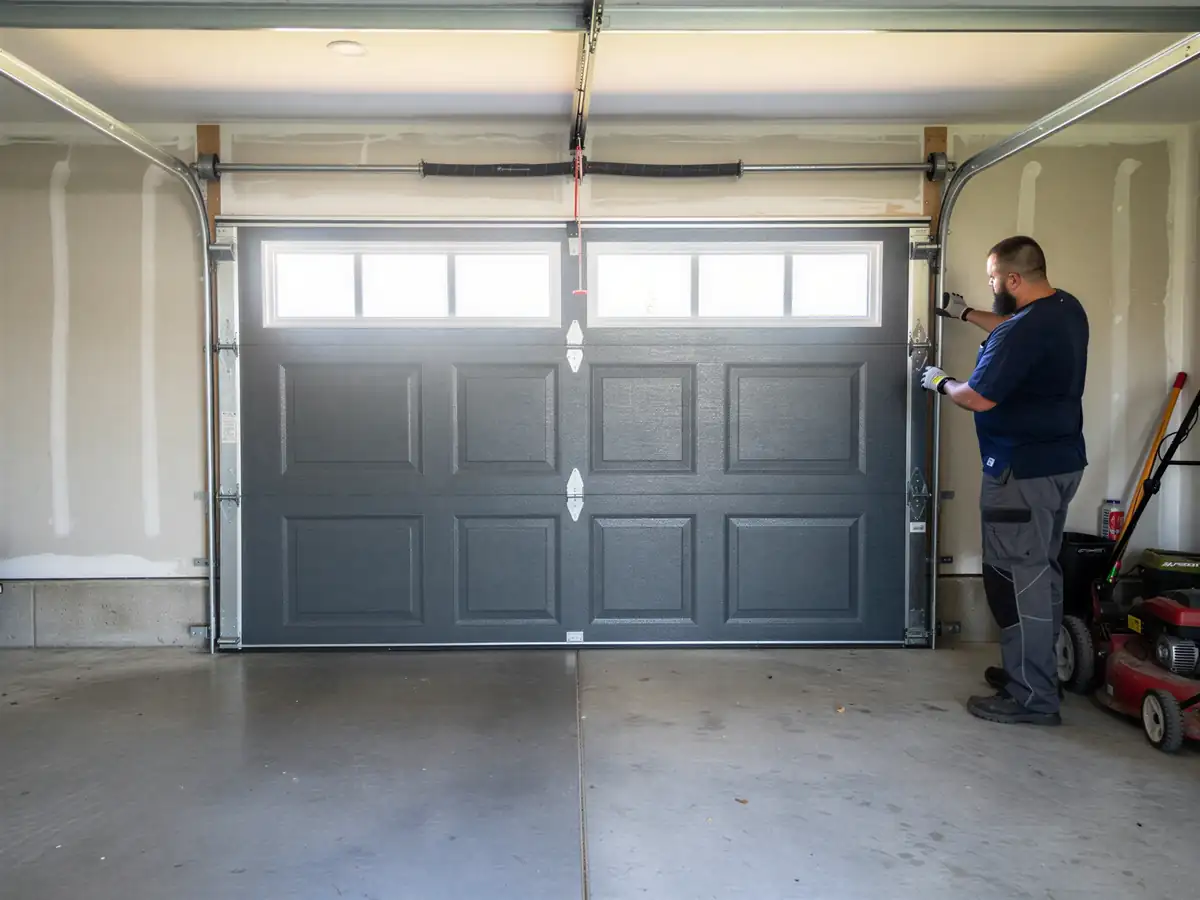
The mistake we see most in homes from this era is treating the manual release like a last resort instead of something to test twice a year. Cord and pulley systems that sit unused for a decade seize up, and the first time anyone pulls them is during an outage, in the dark, with the car half in the driveway.
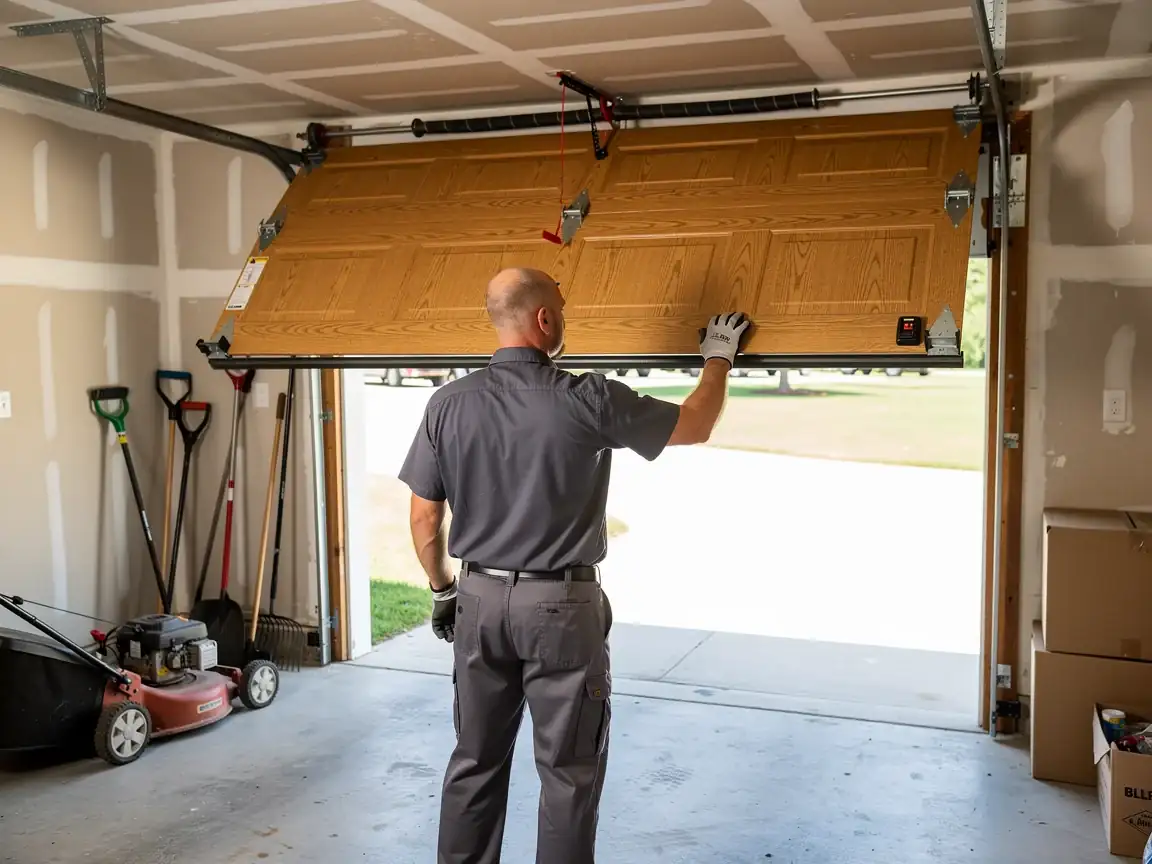
The second mistake is forcing the door up by hand when the opener is still engaged. On the older chain-drive units common in the pockets, forcing a lift against an engaged trolley can bend the rail or strip the drive gear, turning a five-minute outage workaround into a parts-and-labor repair.
We'll say the limitation plainly: if your opener is original to a house built in the early part of that 1973-2010 window, parts for it may not exist anymore. Some of those motor units were discontinued years ago, and a repair call on one of them sometimes ends with a recommendation to replace the opener rather than chase a part nobody stocks.
What Local Conditions Do
This is a severe cold climate band
And cold does two things to an opener during a power cut that owners don't expect. First, the lubricant in an older chain-drive unit thickens, so even a manual release that worked fine in July can bind in January. Second, the plastic housing on the release mechanism itself gets brittle below freezing, and pulling hard on a frozen cord is how that housing cracks.
Households here also deal with outages tied to winter weather more than summer storms
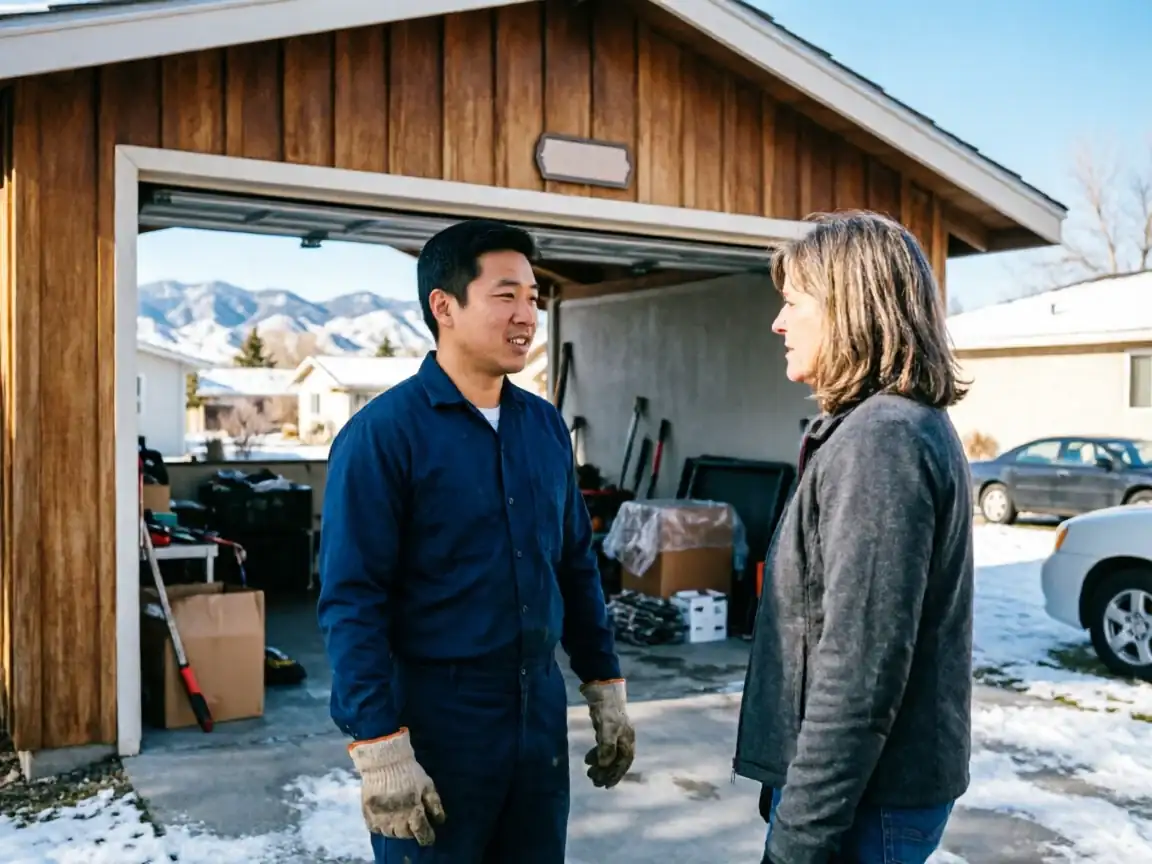
Which means the manual release gets used in the exact conditions - dark, cold, often with snow already on the driveway - where a seized mechanism is most likely. It's worth testing the release cord on a cold morning at least once a season, not just when the weather's mild and everything moves easily.
What Is Going On
Across the roughly 6,294 households and 2,689 owner-occupied houses in the areas we serve, the pattern is consistent: a median household income of $74,451 means most owners can afford a battery backup or a newer opener, but plenty haven't gotten around to it because the existing unit still runs fine on grid power. That's reasonable until the power cuts out and the original equipment from the 1980s or 90s is suddenly the only thing standing between you and the car.
If your opener predates battery backups and you're in one of the areas with older stock - Central/Terry - the practical fix isn't a workaround, it's deciding whether to add a backup battery kit to the existing unit or replace the opener outright. We can look at the unit and tell you honestly which one makes sense for the age of what you have.