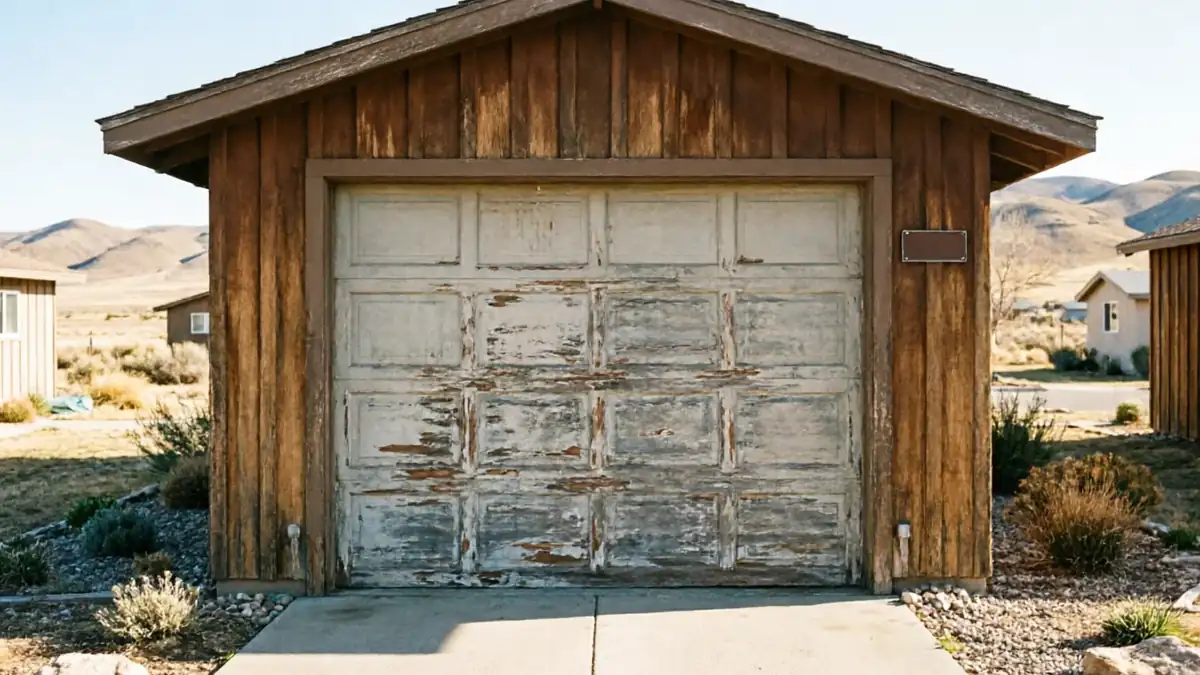
What to Look At First
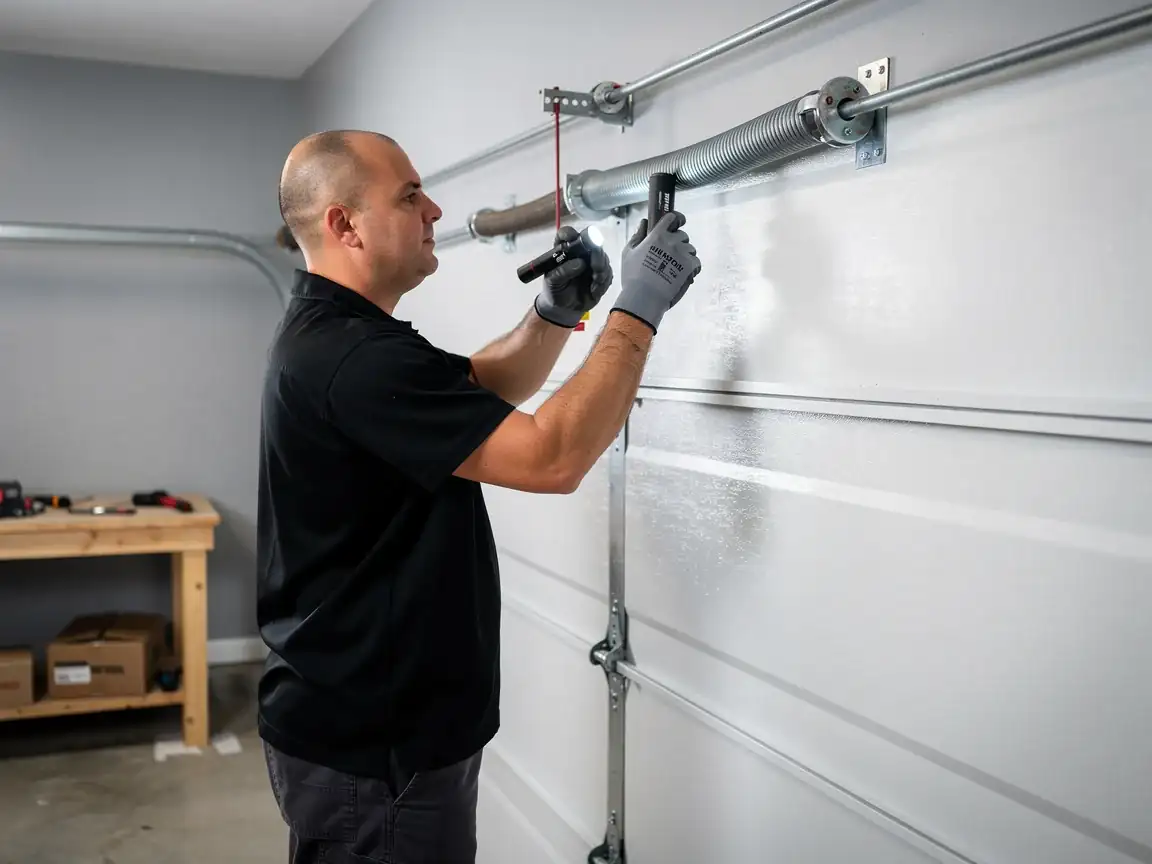
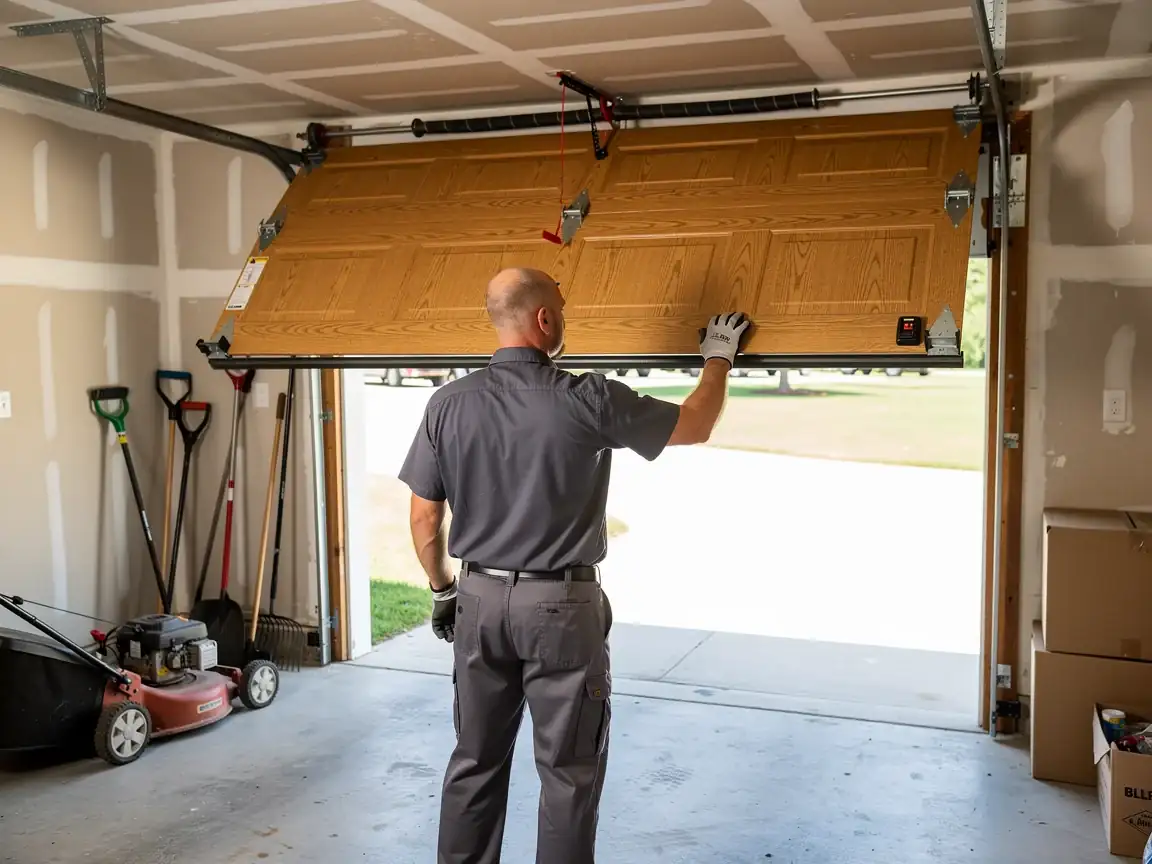
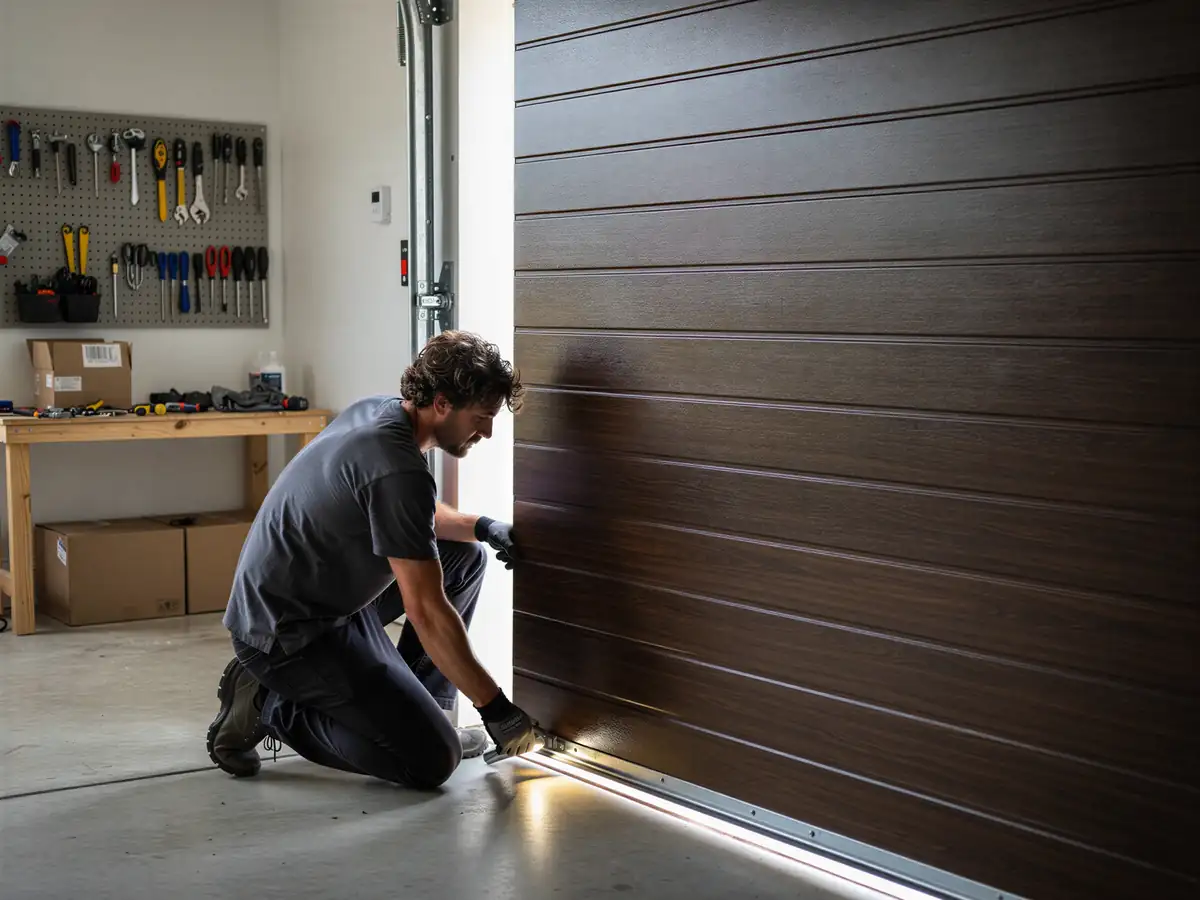
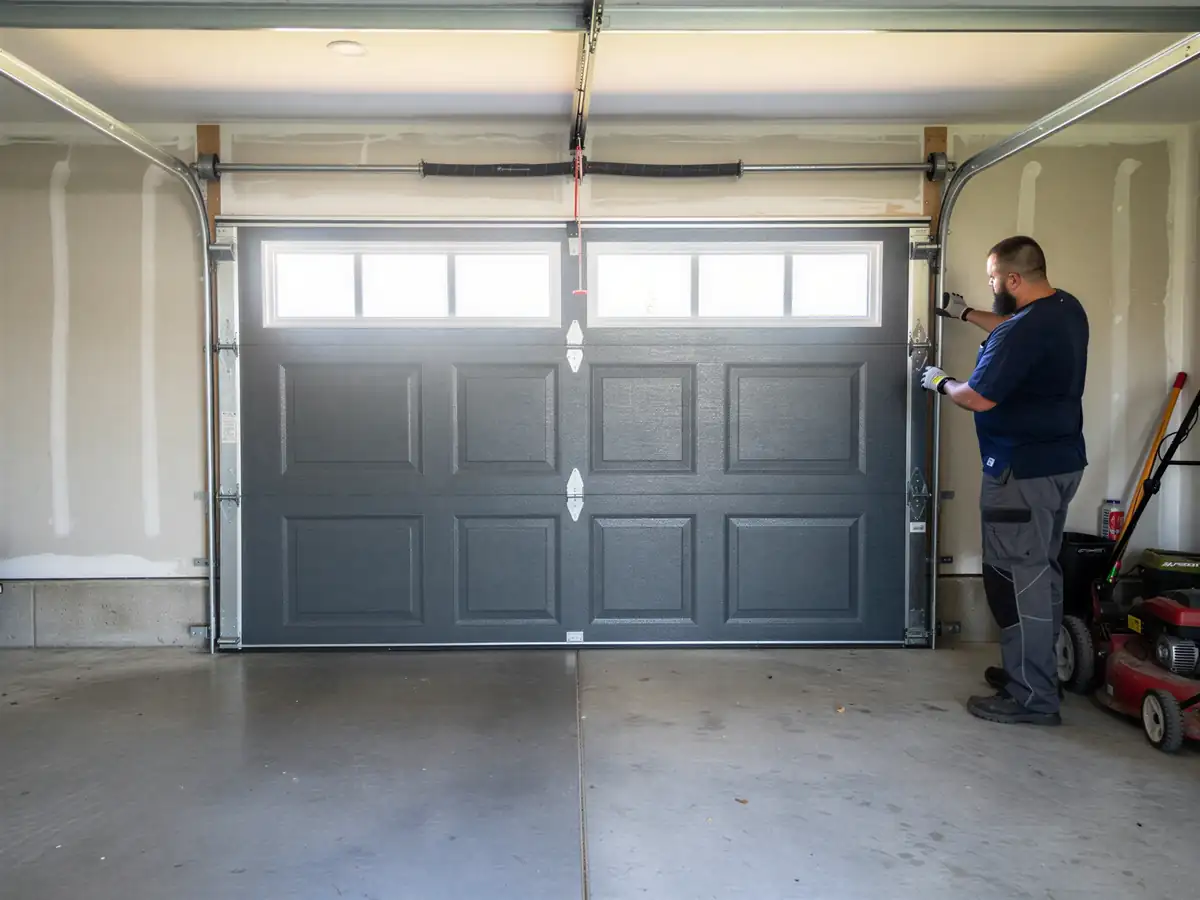
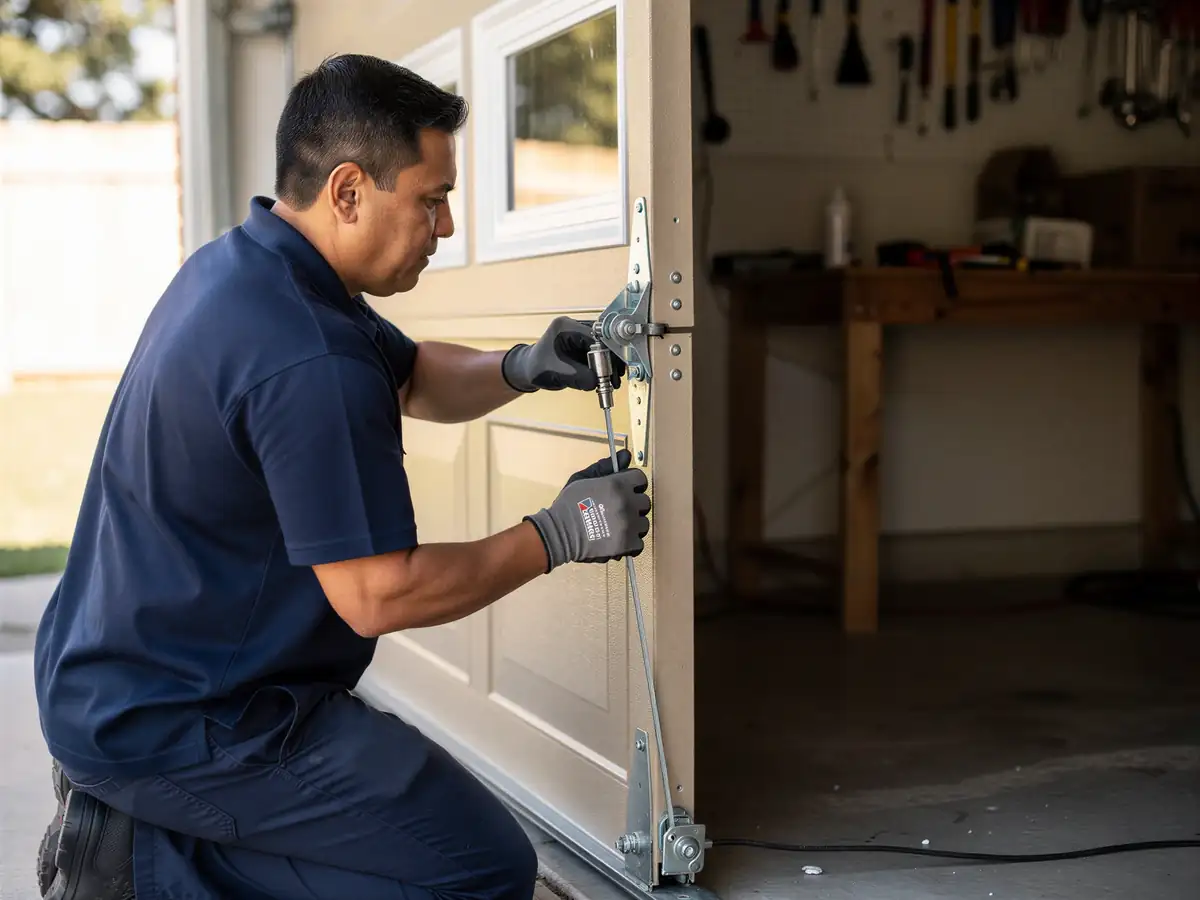
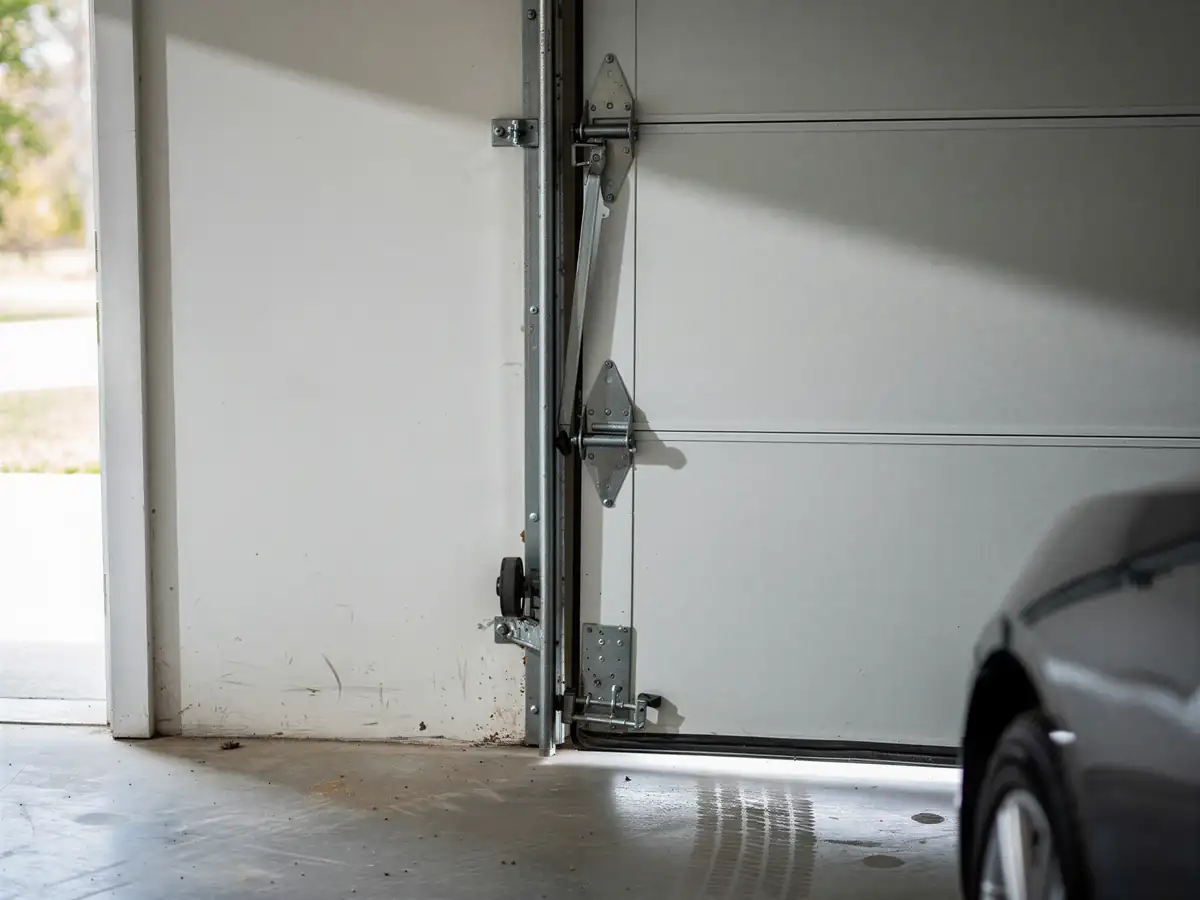
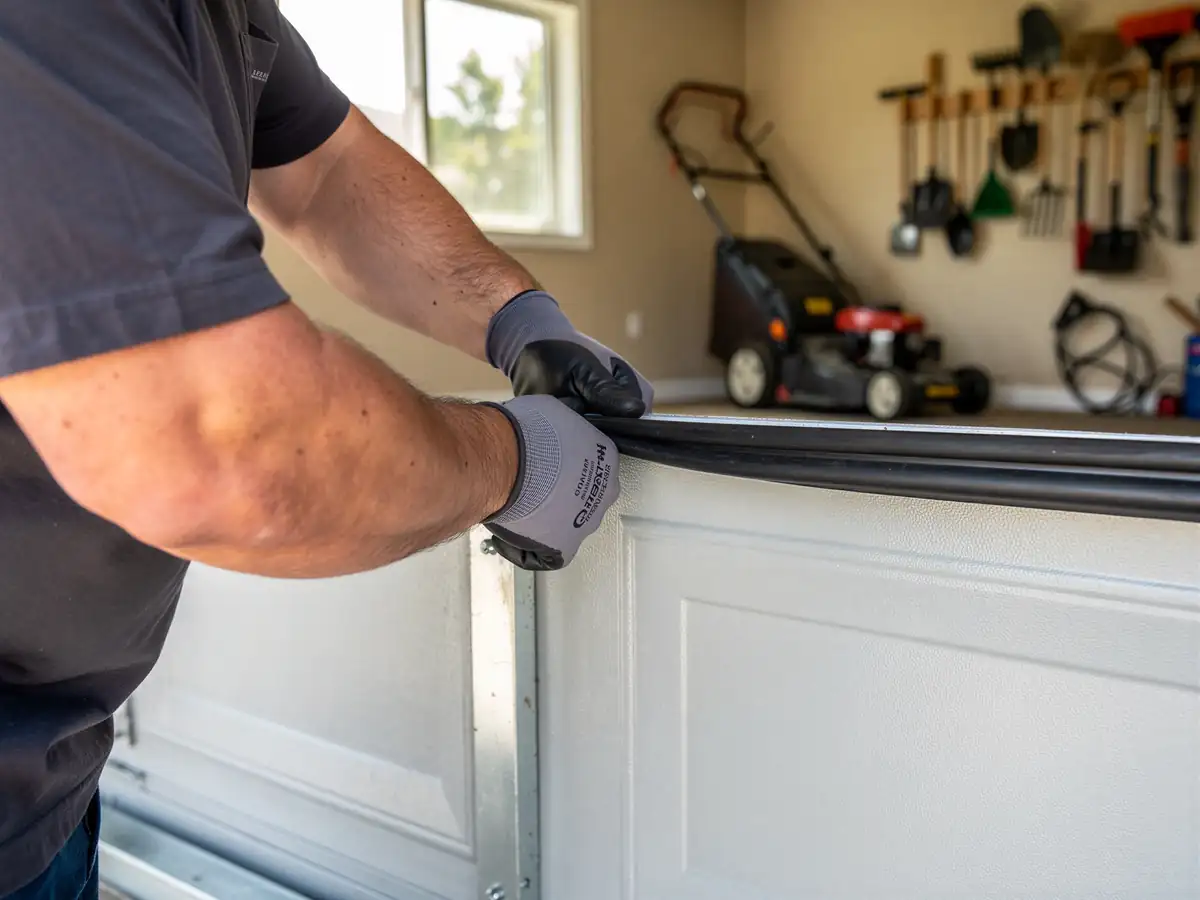
Most of the houses we work on in Billings went up somewhere between 1973 and 2010, with the bulk of that stock built in the 1980s and 90s. That matters because a door from that era is usually original hardware - the track, the spring, sometimes even the opener. Before you call anyone, open the door by hand with the opener disconnected. If it moves smoothly and stays where you leave it, the springs are doing their job and you're likely looking at a repair, not a replacement. If it drops like a rock or fights you the whole way up, the spring is worn out or the cable has stretched past where it should be. Check the panels next. Surface rust and faded paint don't mean much on their own. What matters is whether the bottom panel has rotted or buckled from years of snowmelt sitting against it, which we see a lot on doors from the areas where older slab foundations sit closer to grade. A door that's structurally sound but cosmetically rough is almost always worth fixing. One that's racked, bowed, or has a cracked stile is a different conversation.
The Common Mistake
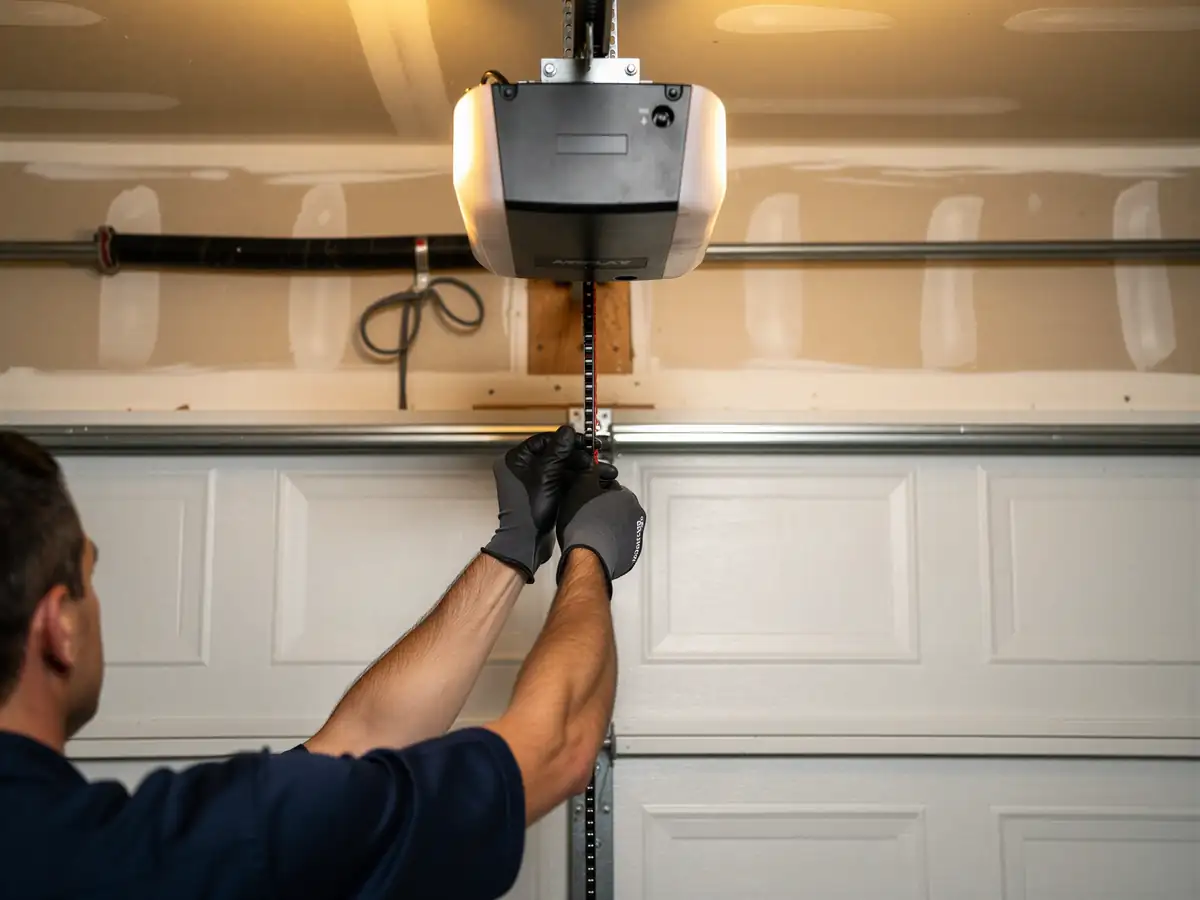
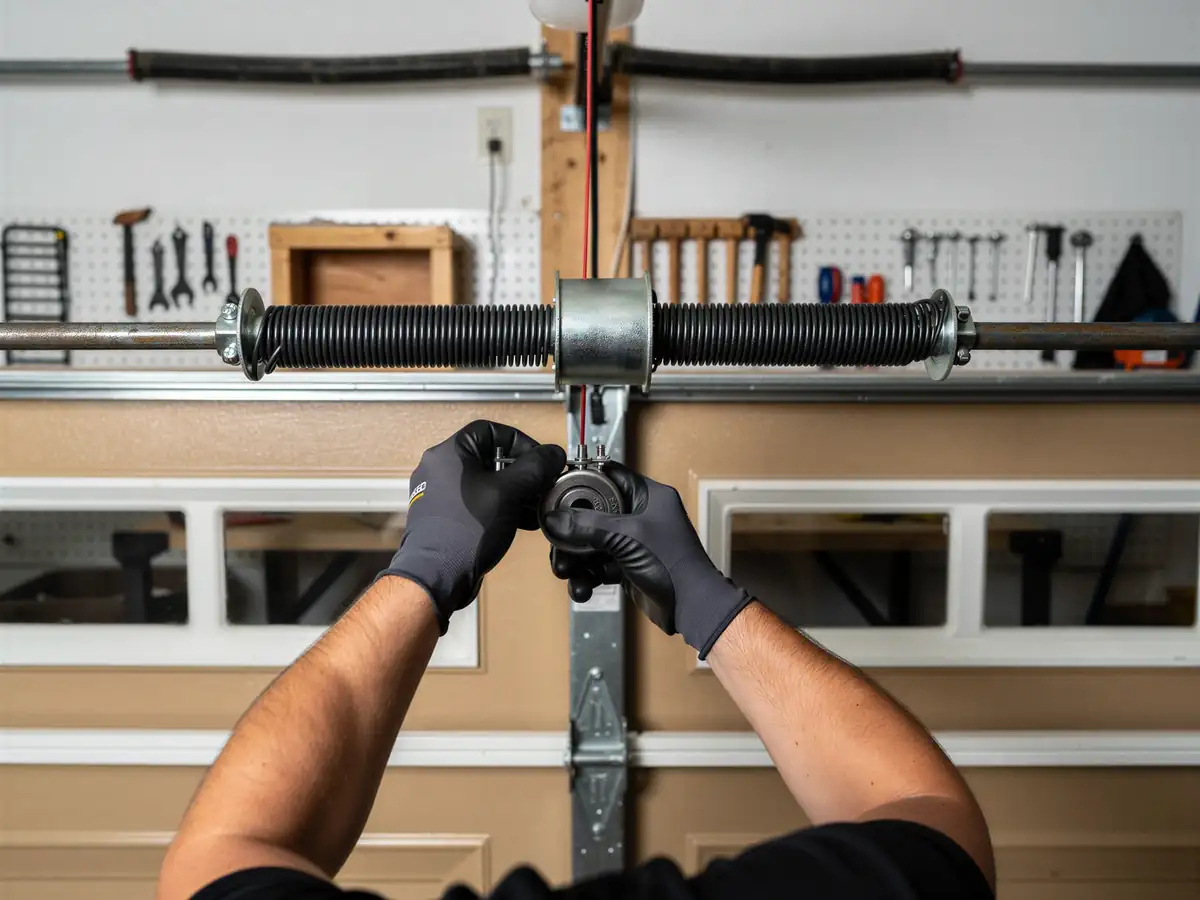
The mistake we see most is homeowners replacing a whole door system because the opener failed, or replacing the opener because the door felt heavy. Those are separate problems. A door built in the 80s or 90s on original torsion hardware can run fine for another decade once the spring is resized correctly - but a lot of newer openers aren't rated for the heavier, non-insulated doors common in that housing stock, so swapping just the opener without checking spring weight leads to a motor that burns out fast or a door that reverses on its own in cold weather. The other mistake is assuming a quiet door is a healthy door. Rollers and hinges on a 30-plus-year-old door often look fine and sound fine until the day a cable snaps under tension. We'd rather tell you a part is worn before it fails than after.
What Is Going On
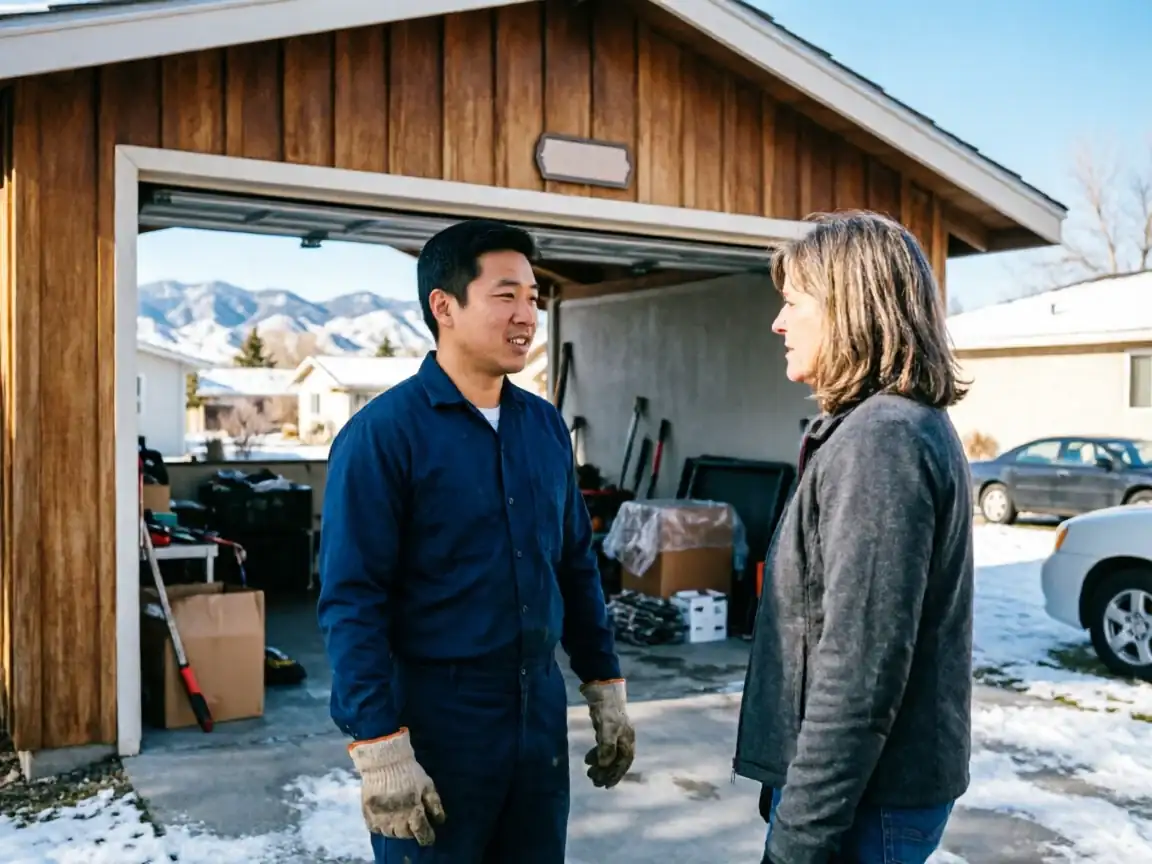
Across the service area, with a median household income of $74,451, most homeowners we talk to want a straight answer on whether a repair will hold, not a sales pitch toward a new door. If your door is from the housing boom years here and the frame, track, and panels are sound, a spring replacement or hardware tune-up usually runs a fraction of what a full system costs and buys years more use. Where we draw the line: if the door has been patched more than once in the same spot, if the panels are rotted through rather than just rusted at the surface, or if the track is bent badly enough that it's pulling off the wall, that's not a repair anymore - that's a door asking to be replaced before it fails on its own terms, likely in the middle of a cold snap. We'll tell you which one you've got before we touch anything.