Time on the Job
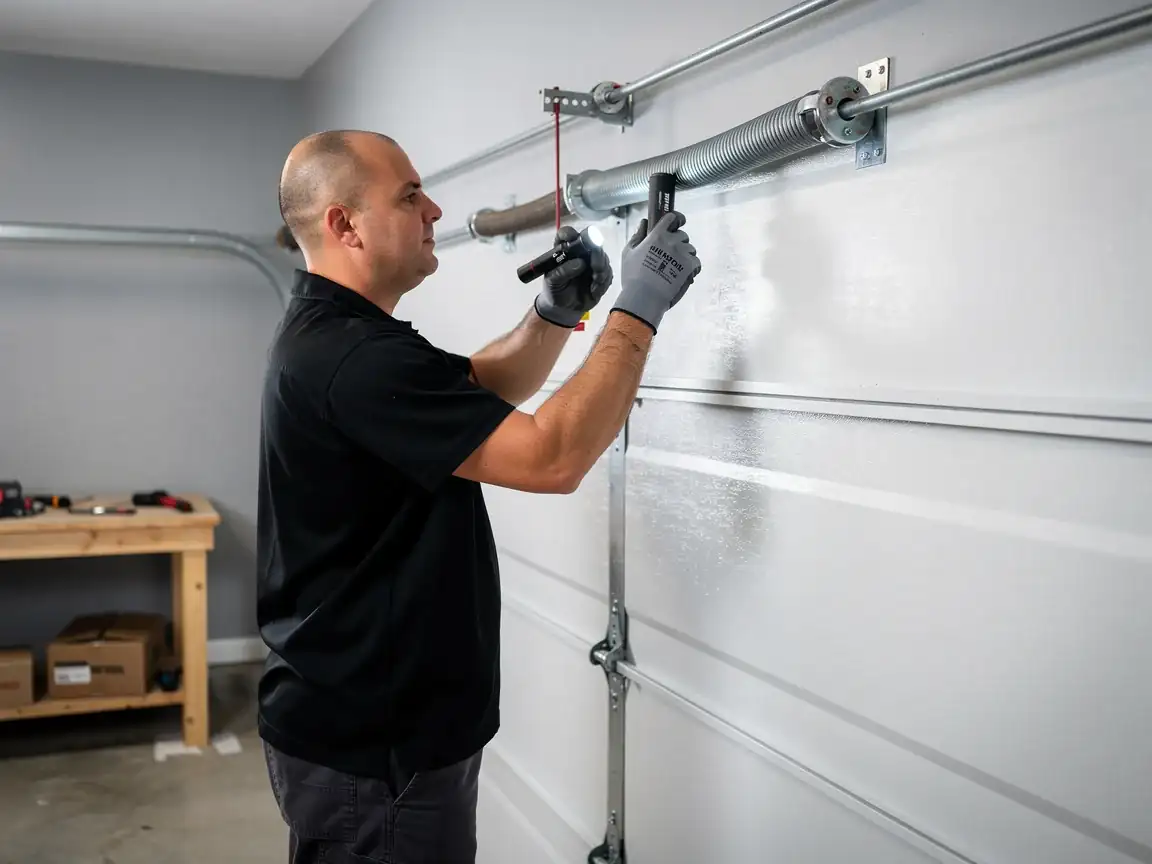
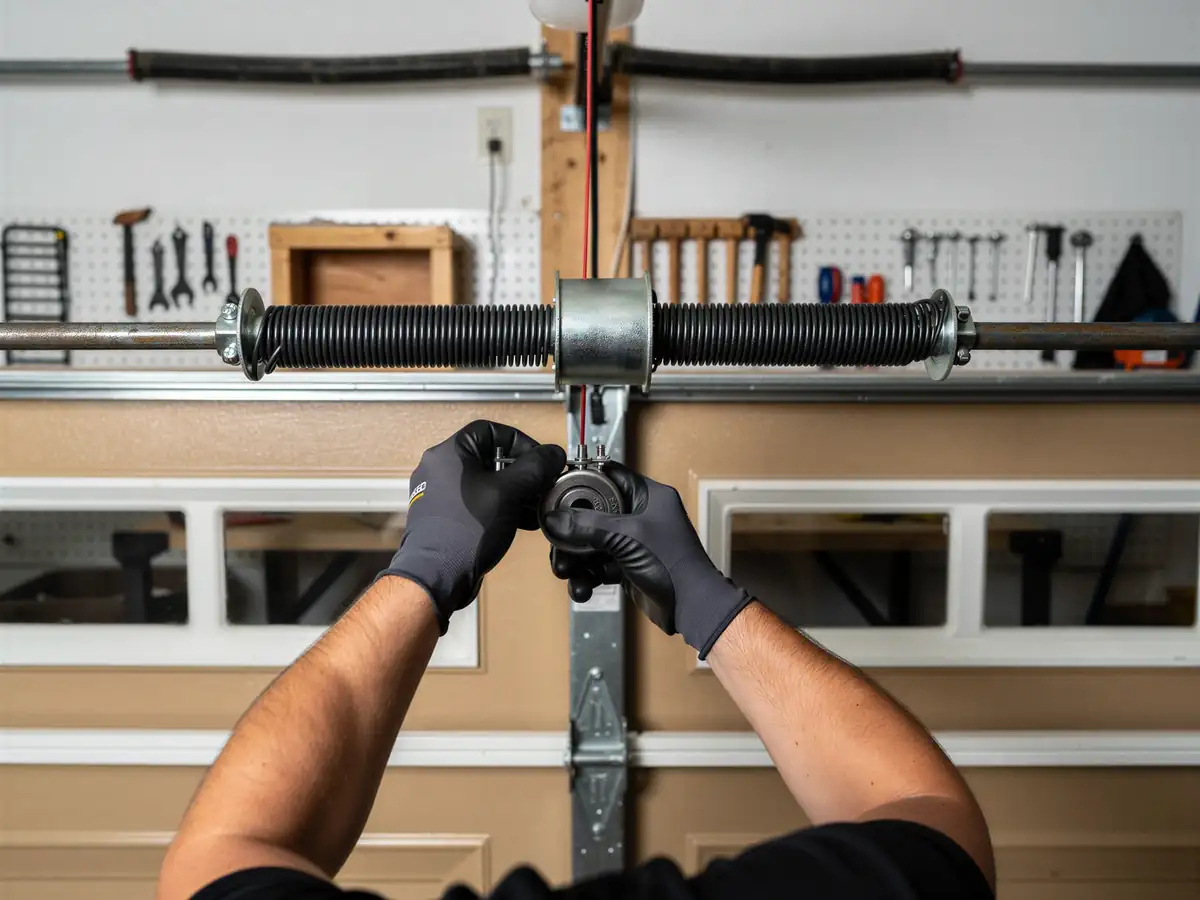
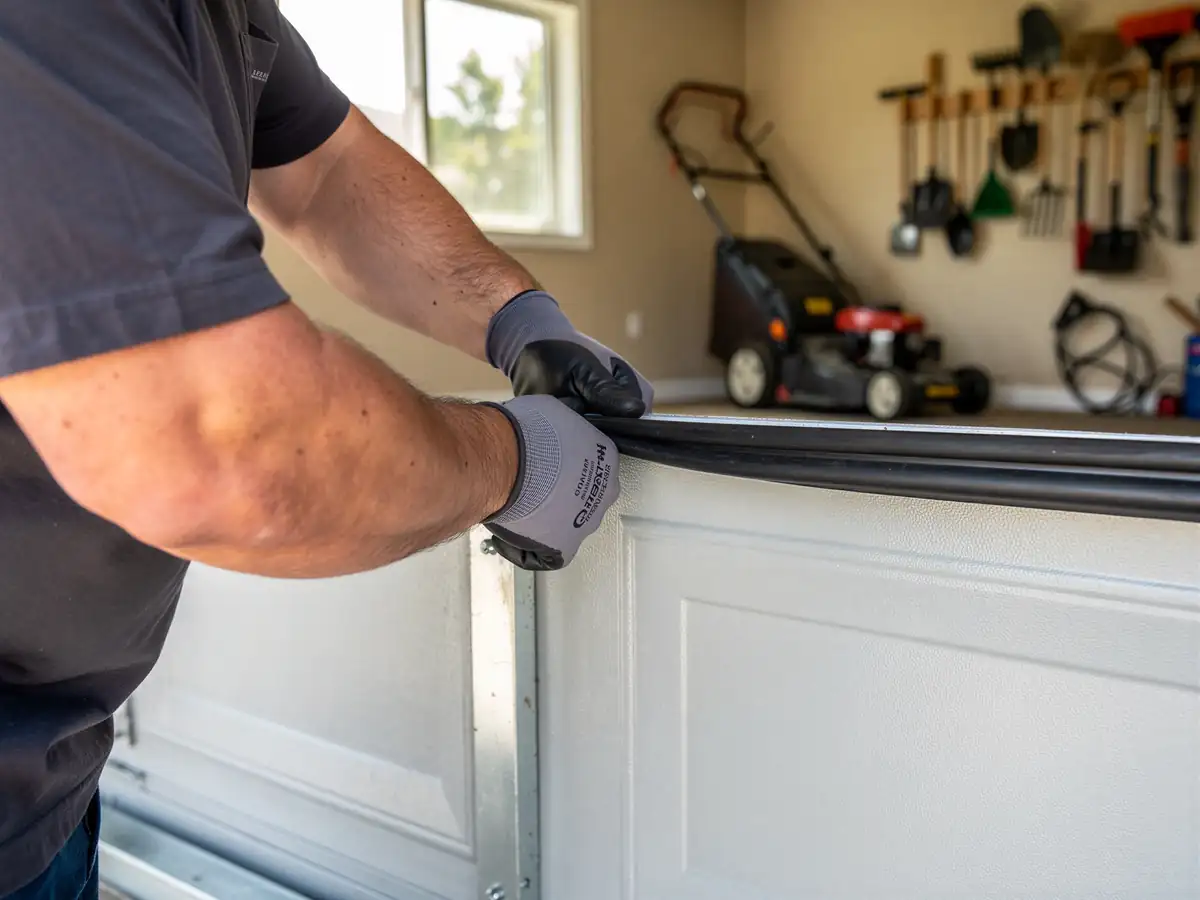
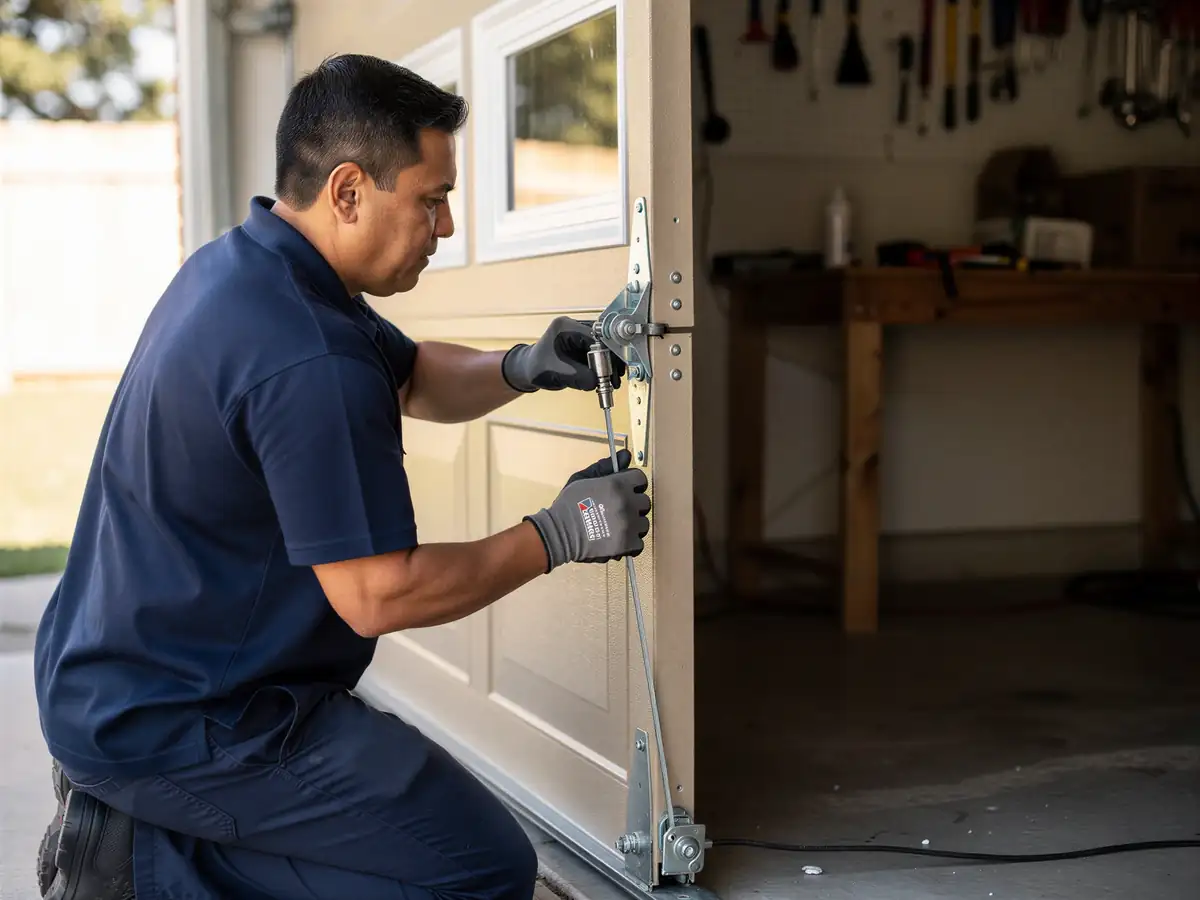
A cable job is quick to diagnose but not always quick to fix right. If one cable has snapped, the door is stuck wherever it was when it let go, usually half-open and crooked, with the other cable still under load. We check both cables, both drums, and the track alignment before we touch anything, because a cable that snapped from a bent drum or a rusted track roller will snap again if we just swap the wire and leave. On a straightforward single-cable break on a residential double door, the swap itself doesn't take long once the door is secured and the spring tension is released safely. What adds time is matching the drum groove and cable gauge to the door's weight and the opener's travel limits, and on older torsion setups across the Billings area that still run original 1980s-90s hardware, the drums and end bearing plates often need attention at the same visit. We don't leave a door half-fixed. If the second cable shows the same fraying pattern as the one that broke, we tell you before we close it up, because a return trip for the other side a month later isn't a fix, it's a delay.
What Causes It Around Here
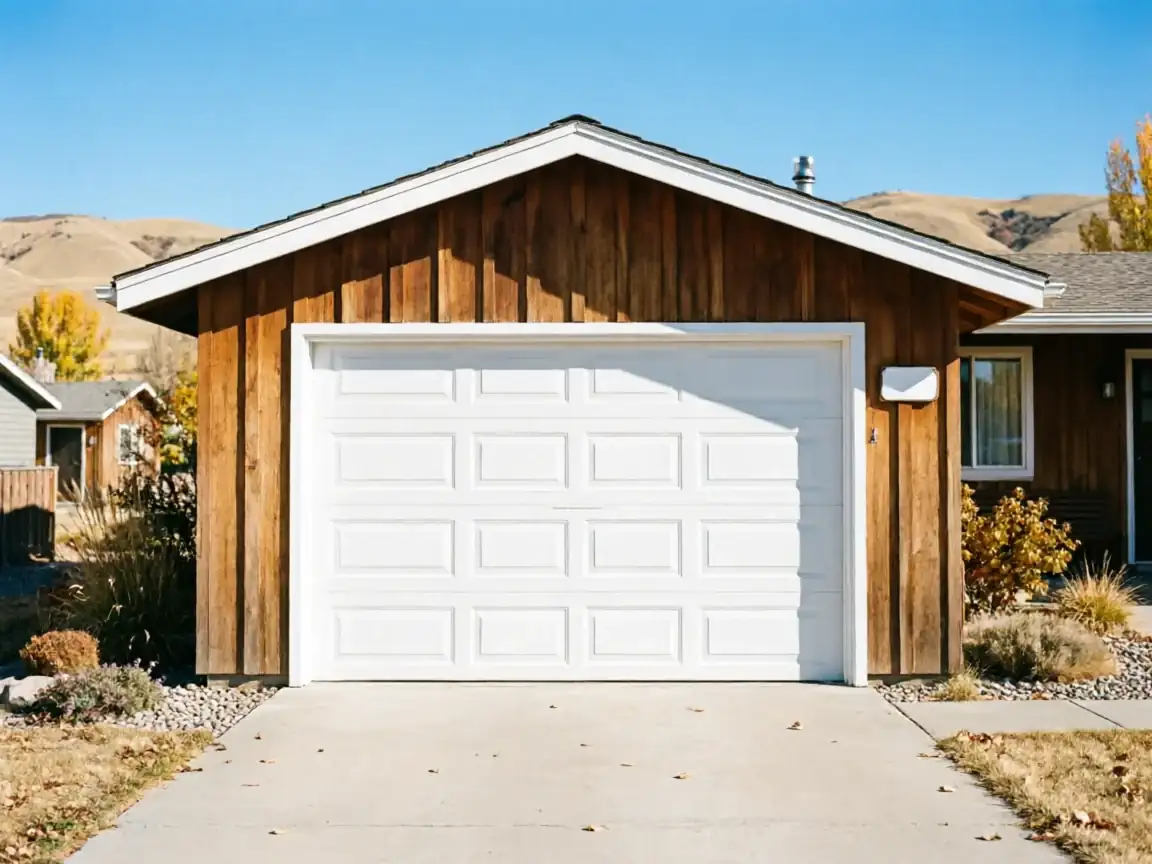
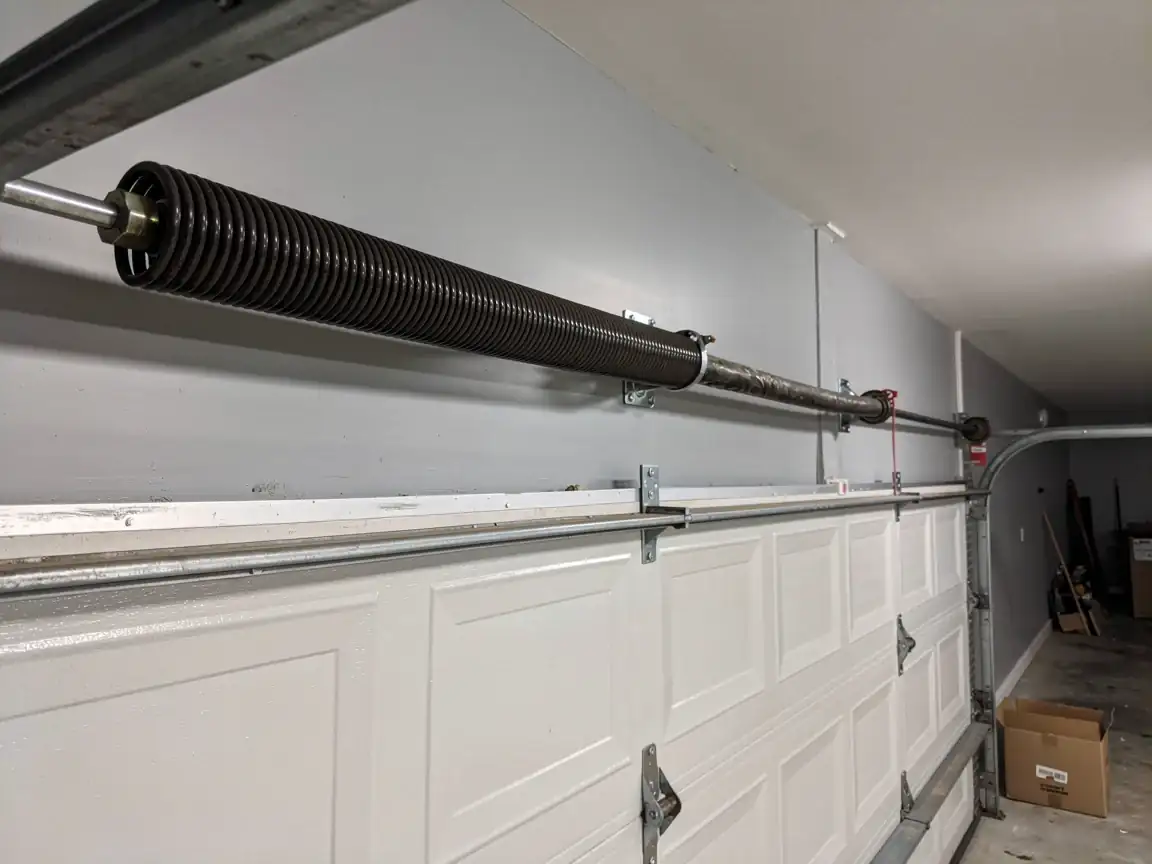
Most of the housing stock across the service area went up between 1973 and 2010, with the bulk of it dating to the 1980s and 90s across the four main residential pockets we work in most - Central, the. That generation of door hardware uses galvanized aircraft cable on steel drums, and after three or four decades of winters it's the cable, not the spring, that usually goes first. Billings sits in a severe cold climate band, and that matters here specifically: repeated freeze-thaw cycling stiffens the lubricant on the drum and cable, the cable starts dragging instead of winding smoothly, strands fray against the drum groove, and eventually one gives out under tension - often on the first hard cold morning after a warm stretch, when the metal contracts fastest. Garages that aren't insulated see this more, since the swing between a 60-degree afternoon and a sub-zero night happens right at the door. We also see cables fail early on doors where a roller has gone bad or a track has shifted slightly out of plumb, because that throws uneven load onto one cable while the other coasts - a problem that shows up as fraying on one side only, which is usually our first clue when we open the panel.
The Symptom
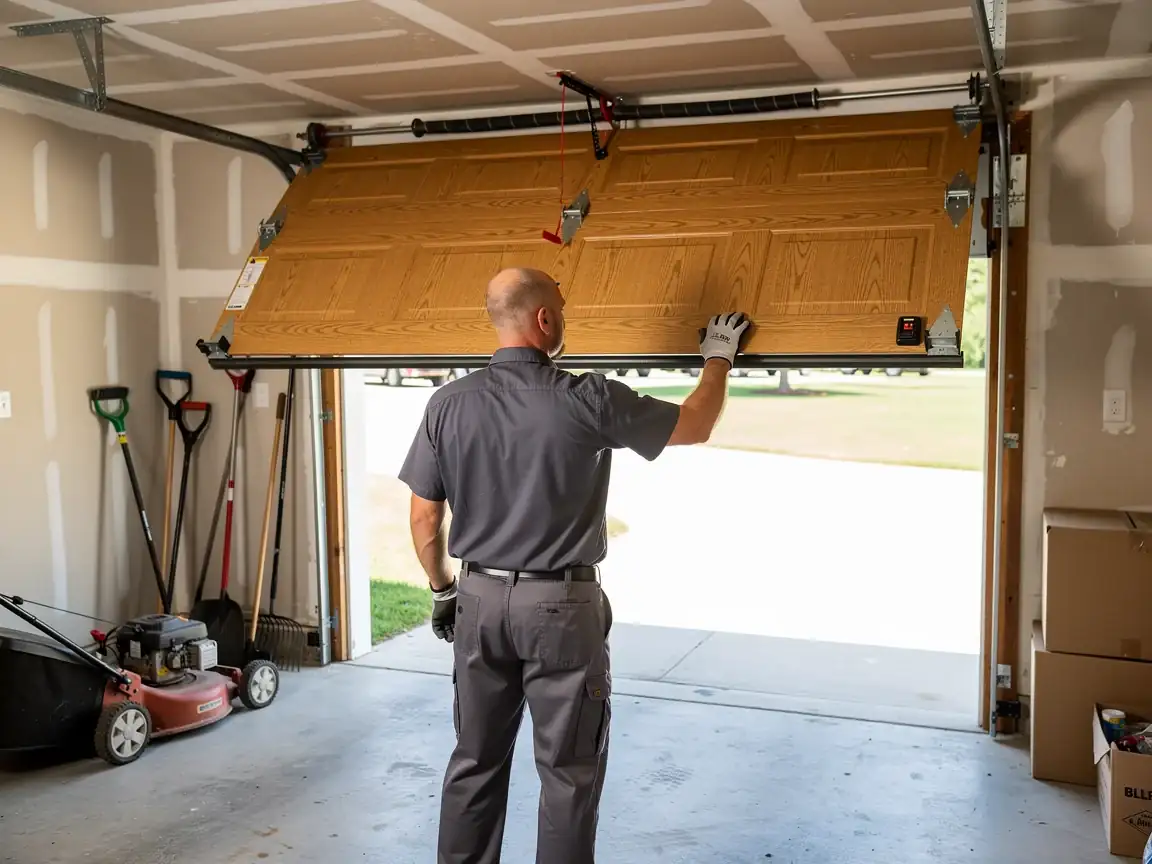
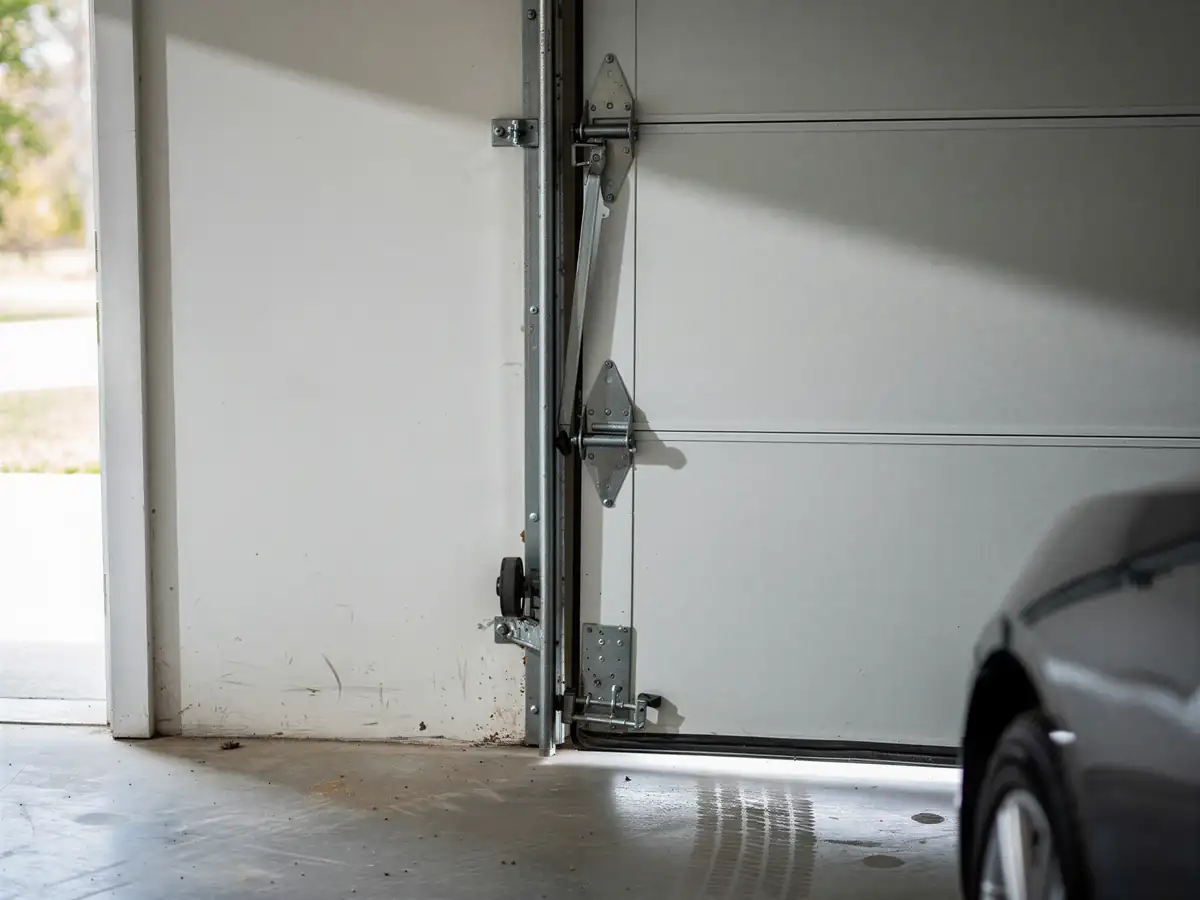
A broken cable looks and sounds different from a broken spring, and it helps to know which one you've got before you call. If the door sags unevenly, hangs crooked at one corner, or stops moving mid-travel with a sharp snapping noise, that's almost always a cable, not a spring. A spring failure tends to drop the whole door suddenly and evenly; a cable failure leaves one side high and one side low, because only one side let go. You may also notice frayed wire strands sticking out near the bottom bracket or the drum at the top corners - that's the warning sign before the snap, and it's worth a call before it fails completely and the door comes down on one side while someone's reaching for the opener. Don't try to force the door up or down once a cable has gone. With the other cable still holding tension, the door can shift suddenly and the track can bend further. Leave it where it stopped and call.