What to Look At First
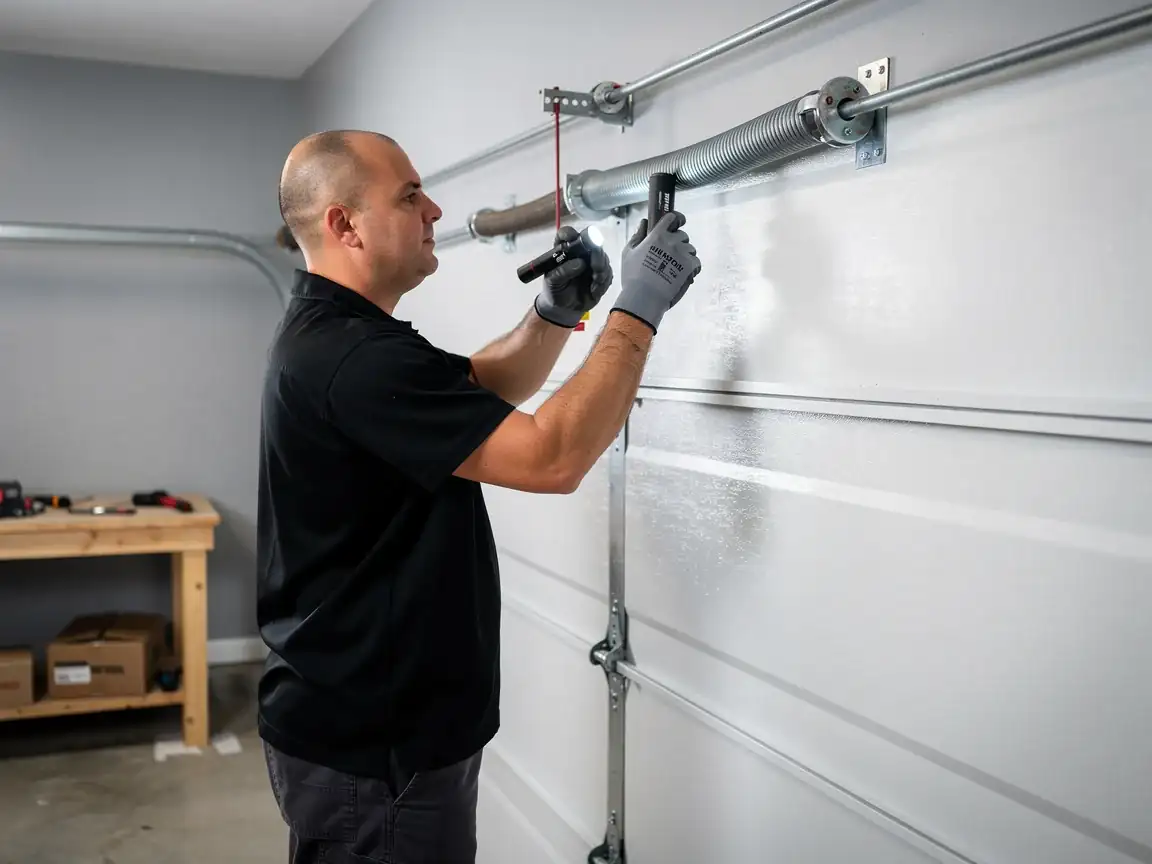
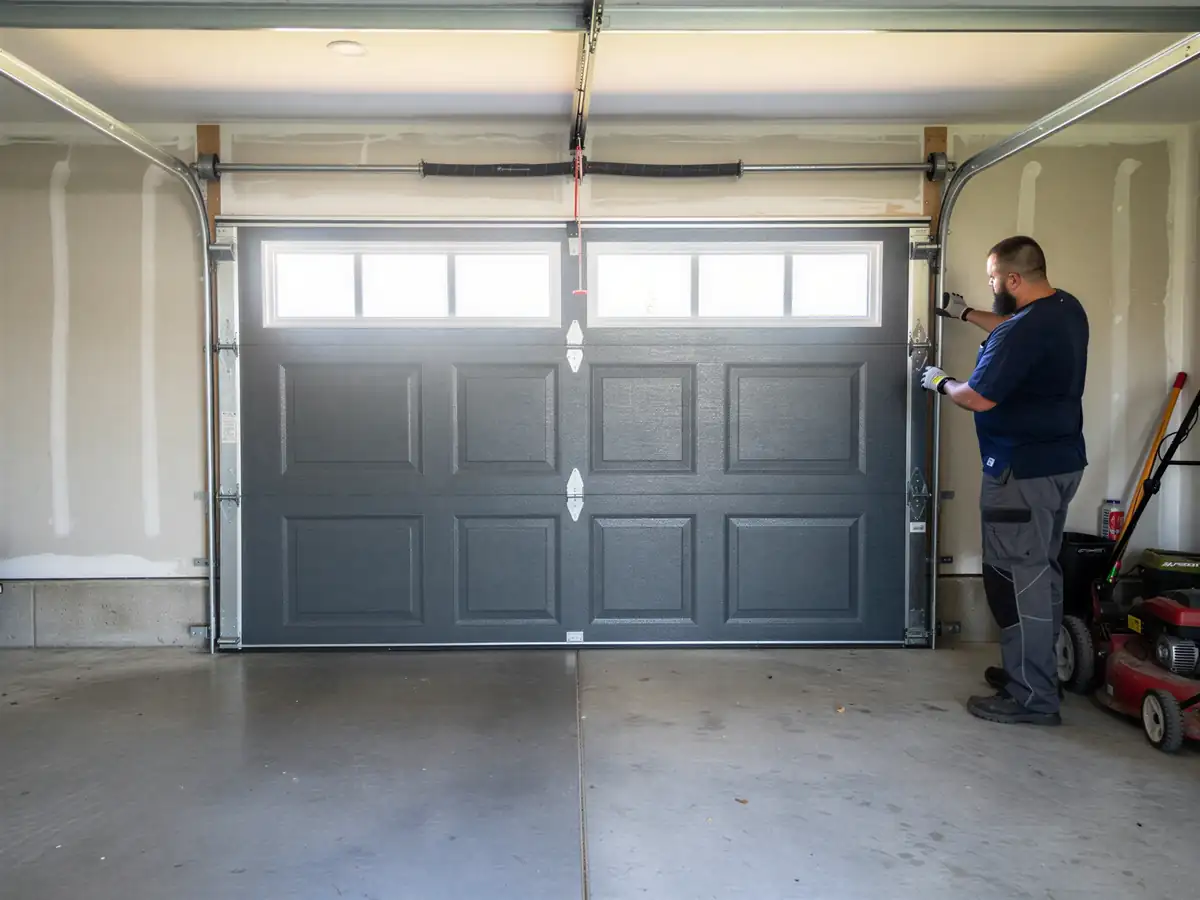
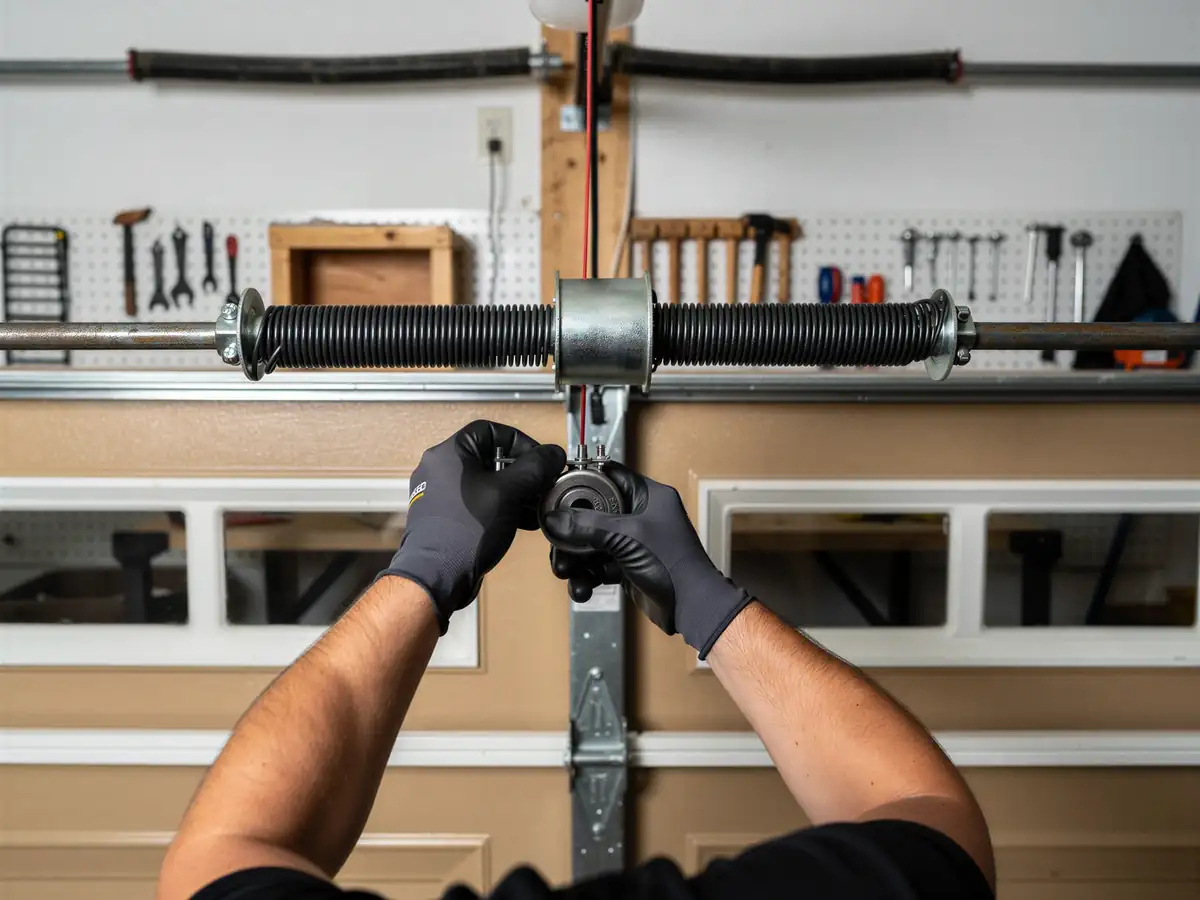
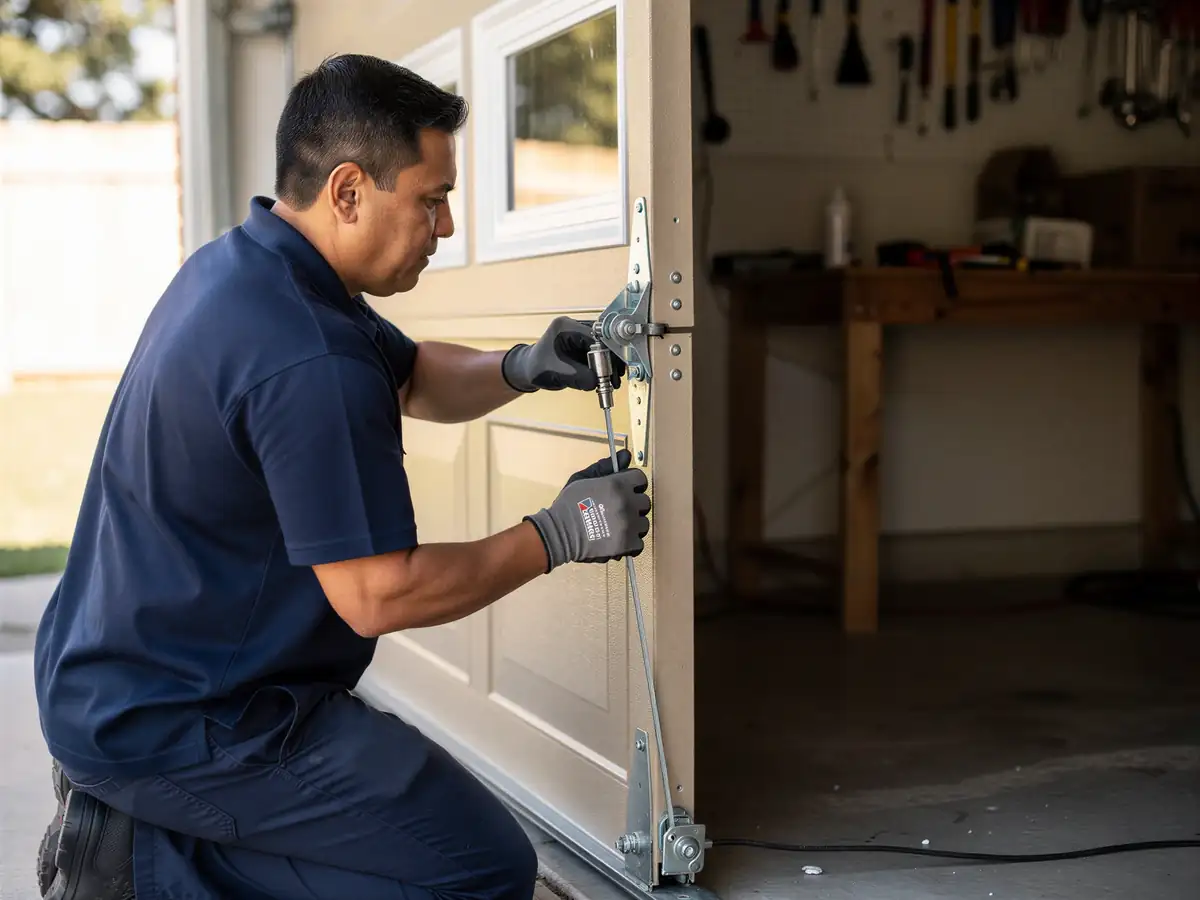
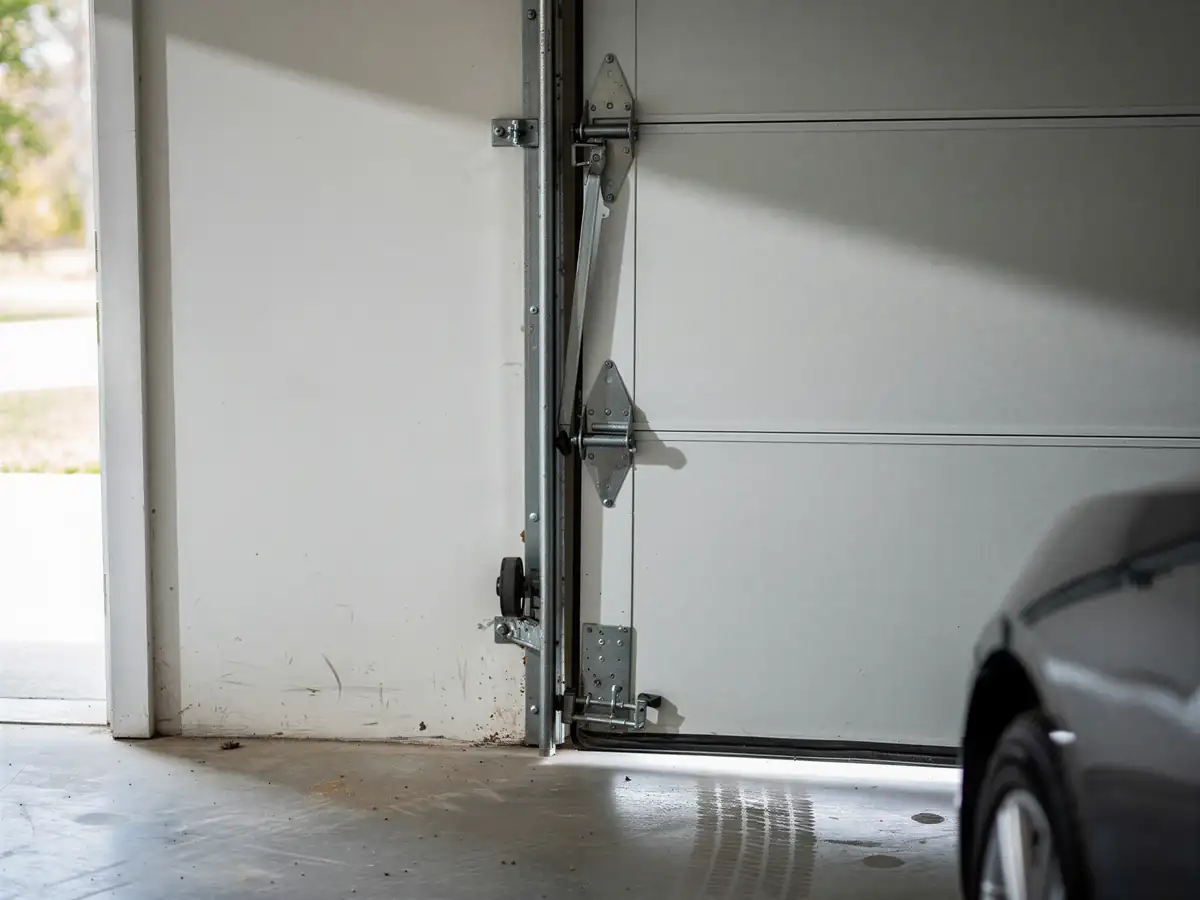
Before a tech touches a wrench, he's looking at two things: the age of the door and the hardware it was built with. Across this service area, houses went up mostly between 1973 and 2010, with the median build year landing around 1985. That matters because a door from that era usually has the original torsion spring mount and a opener that's been swapped once, maybe twice, but the track and drums are often untouched. So the first look is at the spring - is it the factory size, has someone already replaced it with the wrong wire gauge, and does the cable drum match the door's weight.
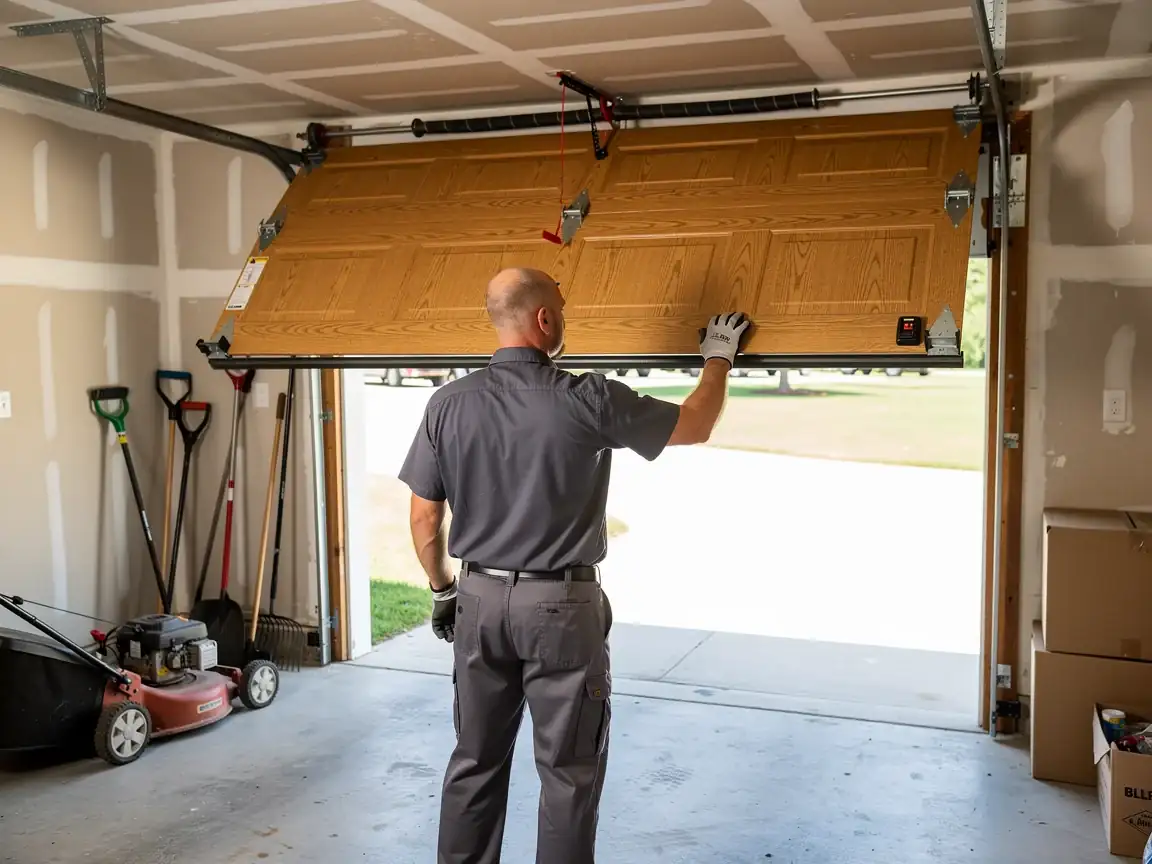
Second, he checks the panels for flex. In the 1980s-90s stock that makes up most of Lockwood, and the panels are thinner steel than what's sold today. A spring that's even a quarter-turn over-tensioned can bow a panel inward over a winter, and you won't see it until the door's already racking in the track. That's the kind of thing a call is supposed to catch before it becomes a stuck door at 6am in January.
The Common Mistake
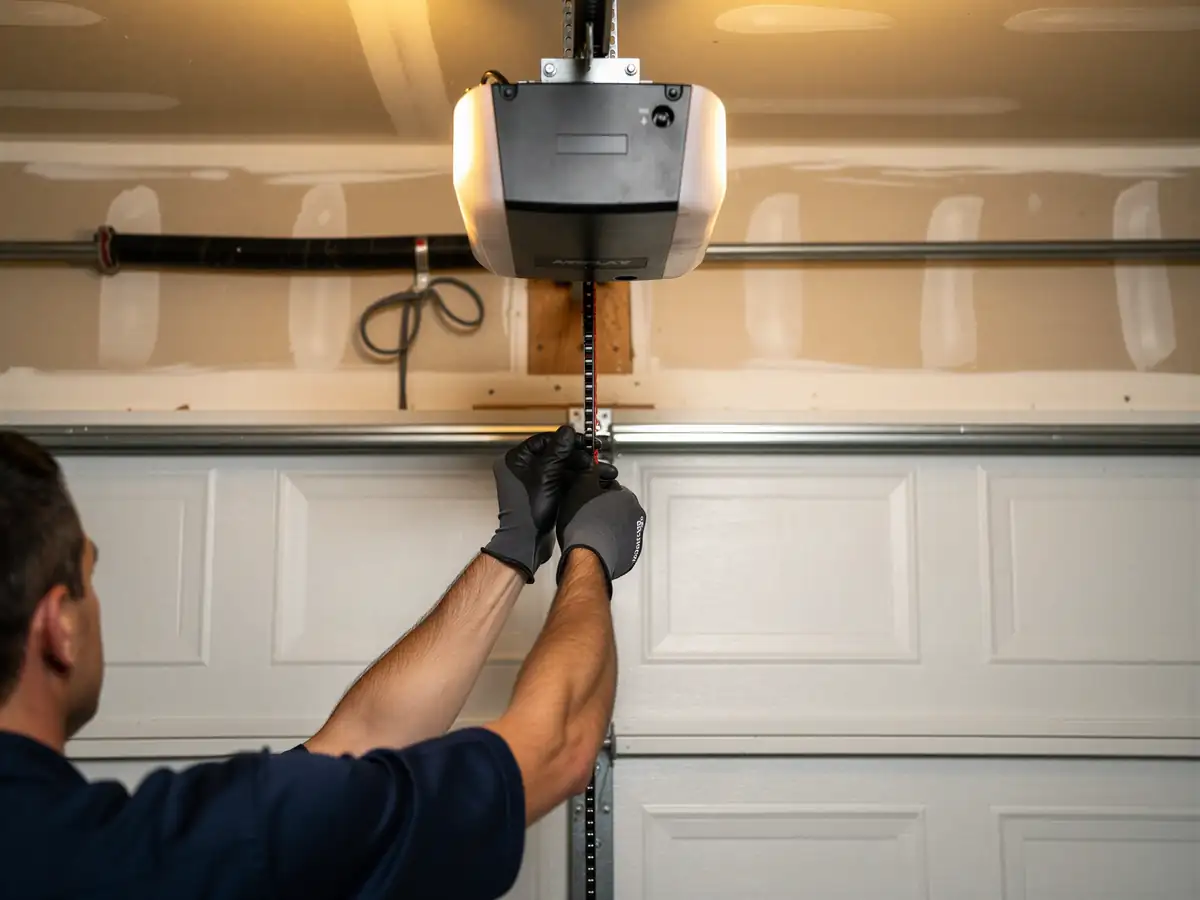
The mistake we see most is a homeowner calling for "the opener" when the actual problem is the spring, or the reverse. On a house from the 1985 median-build era, the opener has almost always been replaced at least once, but the spring and the track hardware behind it are often original. If a tech only looks at what's loud and obvious - the opener motor grinding - he can miss a spring that's a season away from snapping on a 1980s torsion bar that's never been serviced.
The other mistake is treating every call the same regardless of where the house sits. A door in built in roughly the same decade as most of the surrounding area, behaves differently than one further out depending on how it's been maintained, not because the town is different but because the hardware generation is. A call that doesn't separate "what's original" from "what's been replaced" ends up guessing at the fix instead of diagnosing it. We don't guess - we open the door up, look at the spring gauge stamped on the coil, and go from there.
What Local Conditions Do
Billings sits in a cold-severe climate band
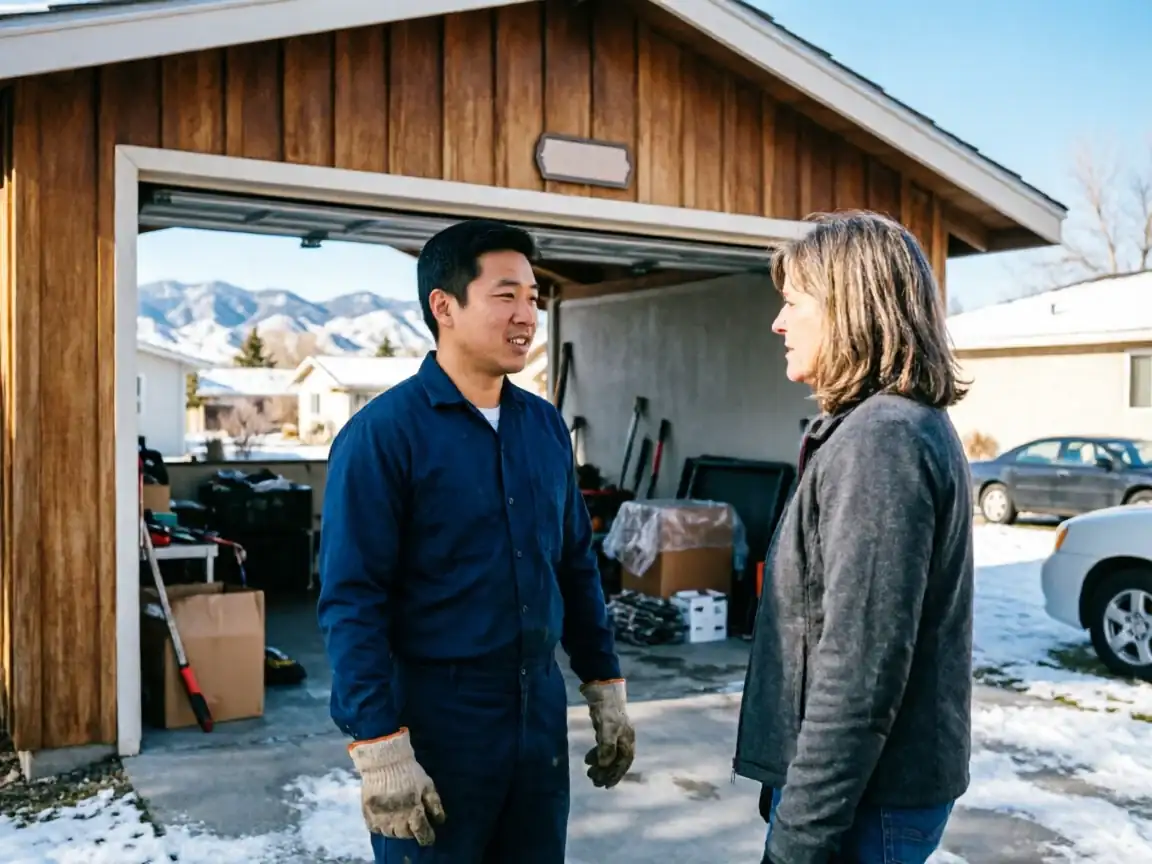
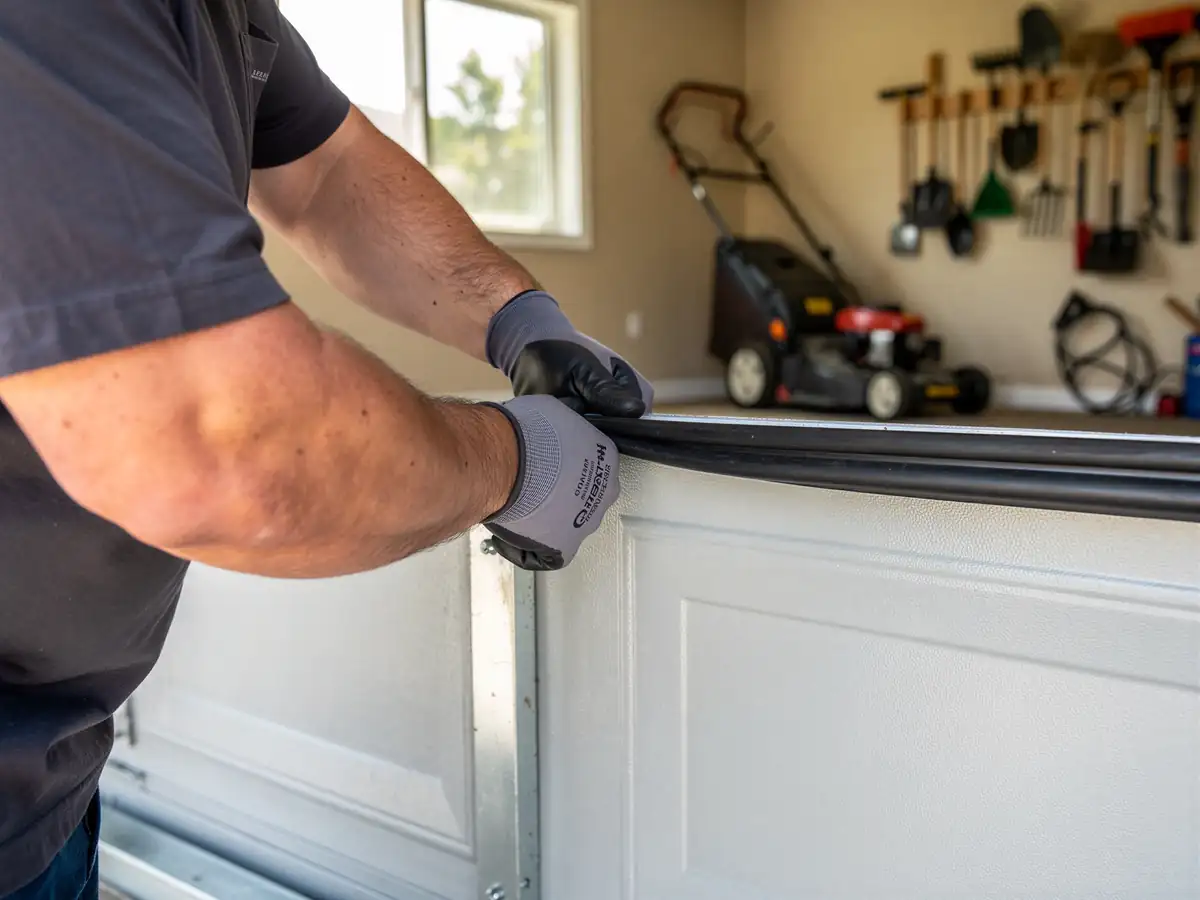
And that shows up on a service call in specific ways. Steel contracts in cold temperatures, which tightens tolerances on tracks that are already decades old in this housing stock. A door that rolled fine in August can bind in January simply because the rollers and track were never adjusted for the seasonal shrink. We check roller wear and track alignment on every winter call, not because it's standard practice everywhere, but because a loose roller in cold-severe conditions turns into a jumped track faster than it would somewhere milder.
Cold also stiffens the lubricant on older springs and hinges
If a spring hasn't been serviced since the house was built sometime in that 1973-2010 window, the grease has likely hardened, and a tech will often find more resistance in the coil than the spring's rated for. That extra load is what causes a lot of the cable snaps we get called out for. It's not dramatic weather - it's ordinary cold doing what cold does to hardware nobody's touched in years.
What Is Going On
Most of what's going on, across the 2,689 owner-occupied houses in this service area, is wear that matches the housing stock's age rather than anything unusual about one specific address. With a median household income of $74,451 and 6,294 households total in the area, most calls we take are repair calls, not full-door replacements - people want the thing fixed, not swapped out, and for a door from the 1980s or 90s that's usually the right call if the frame and panels are sound.
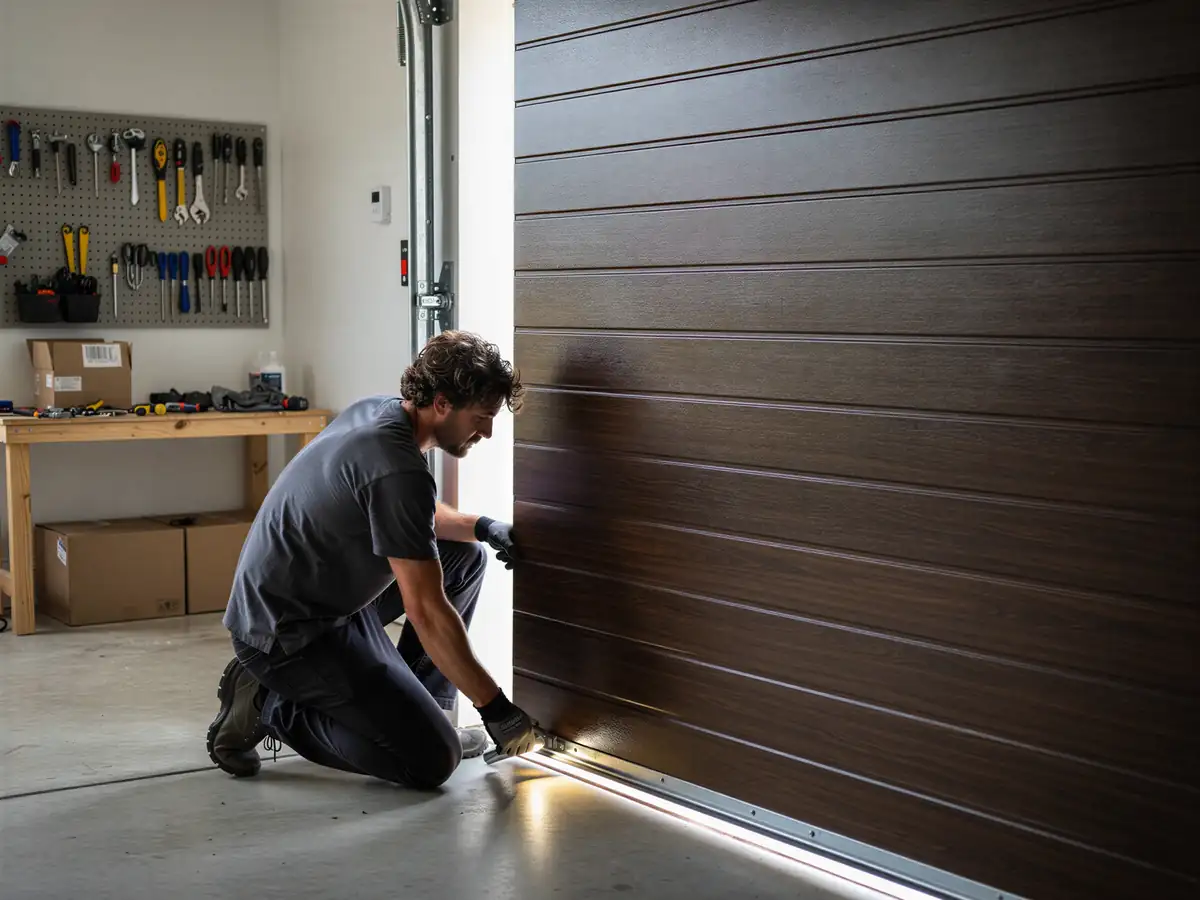
Where we're honest about limits: if a door's track is bent badly enough, or the panels have rusted through at the bottom from years of melt-off sitting against them, patching the spring or cable doesn't solve the underlying problem. At that point a repair is throwing a new part at an old structure, and we'll say so instead of billing for it. Travel across the territory also matters for scheduling.