Time on the Job
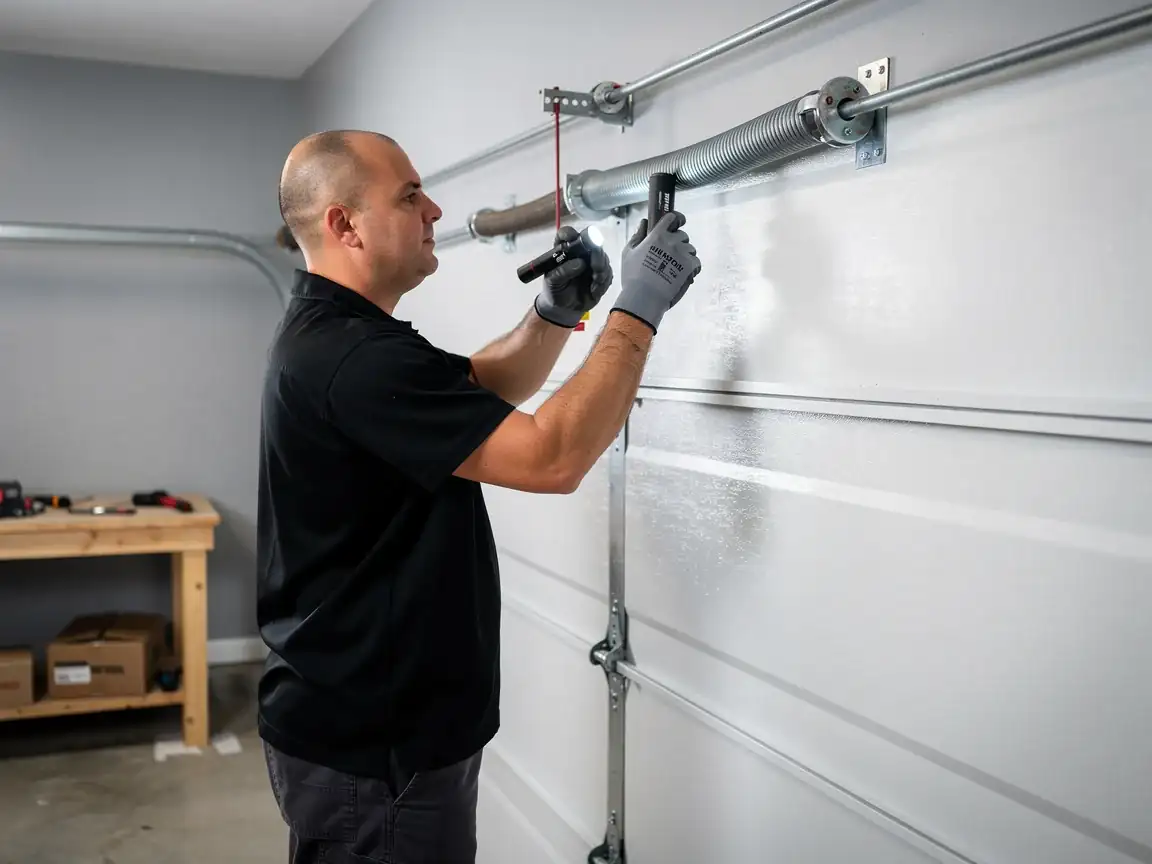
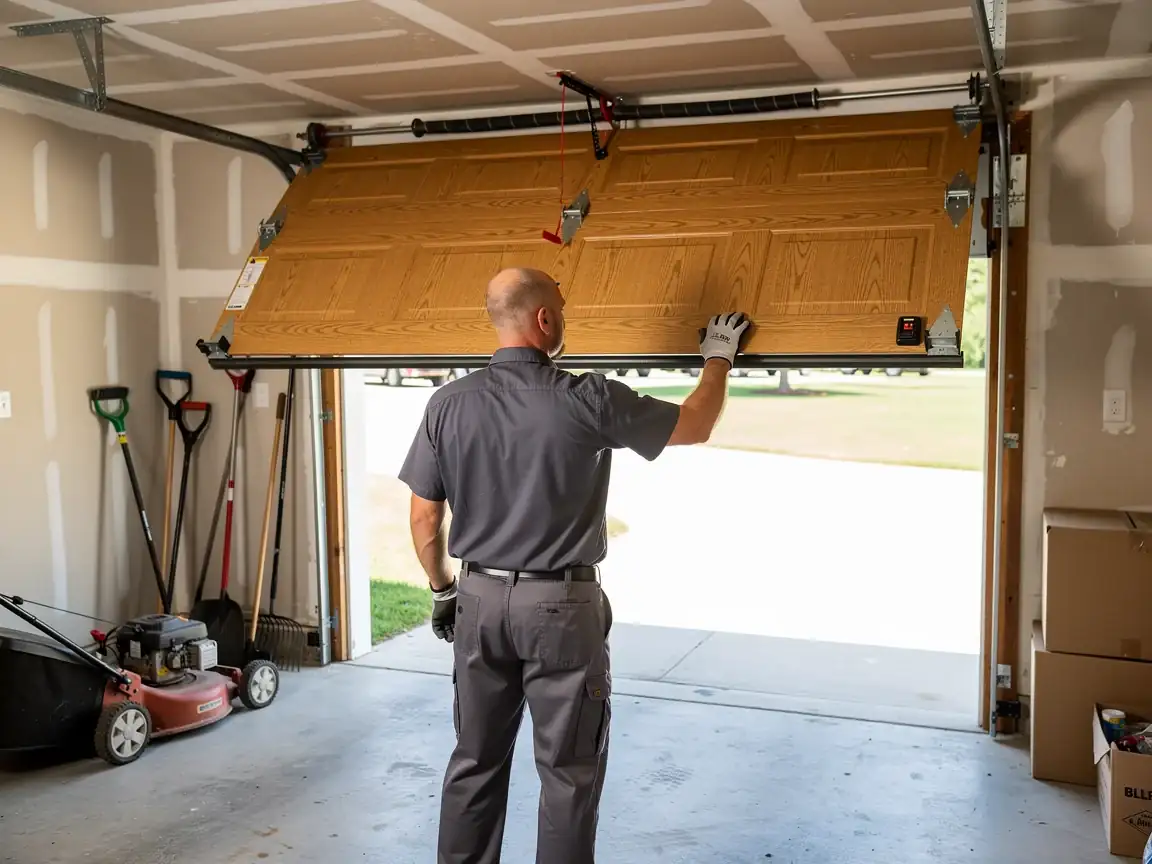
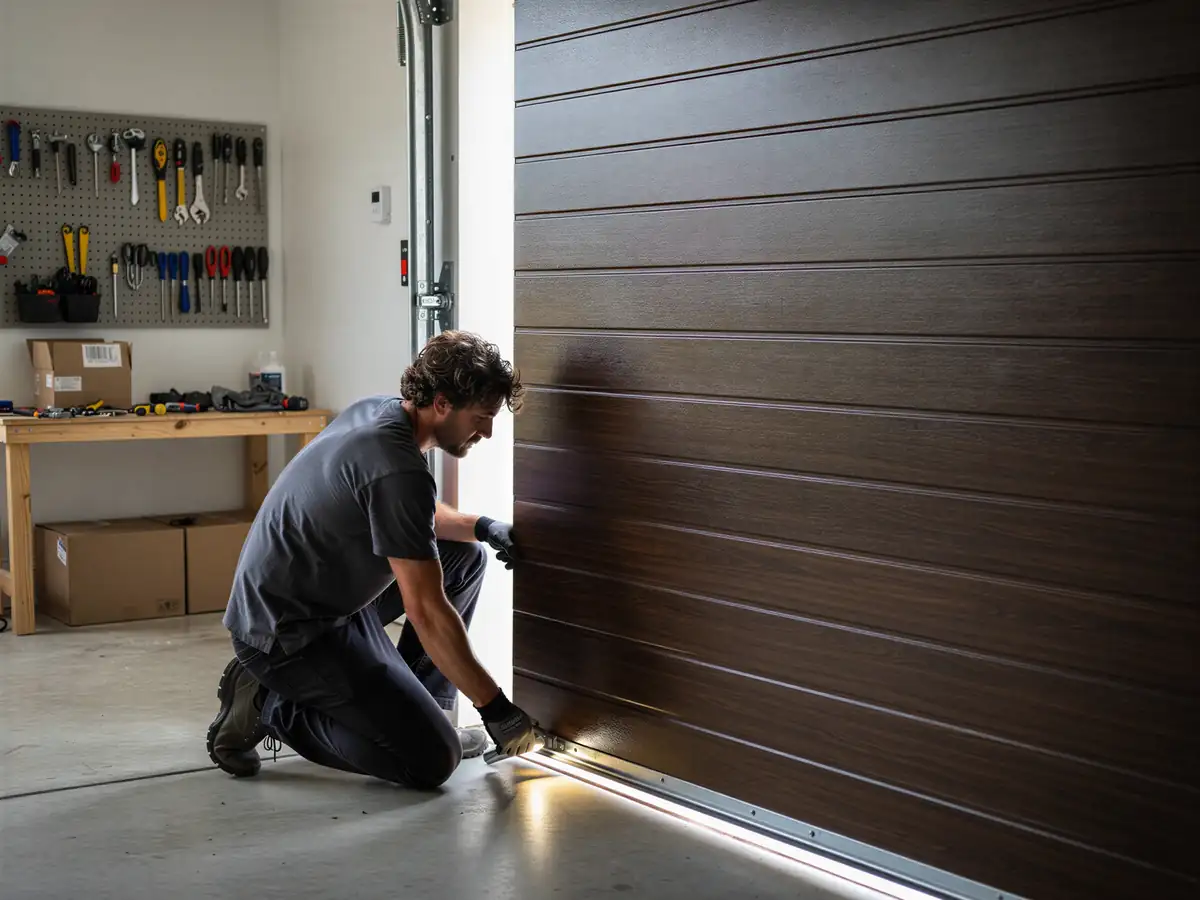
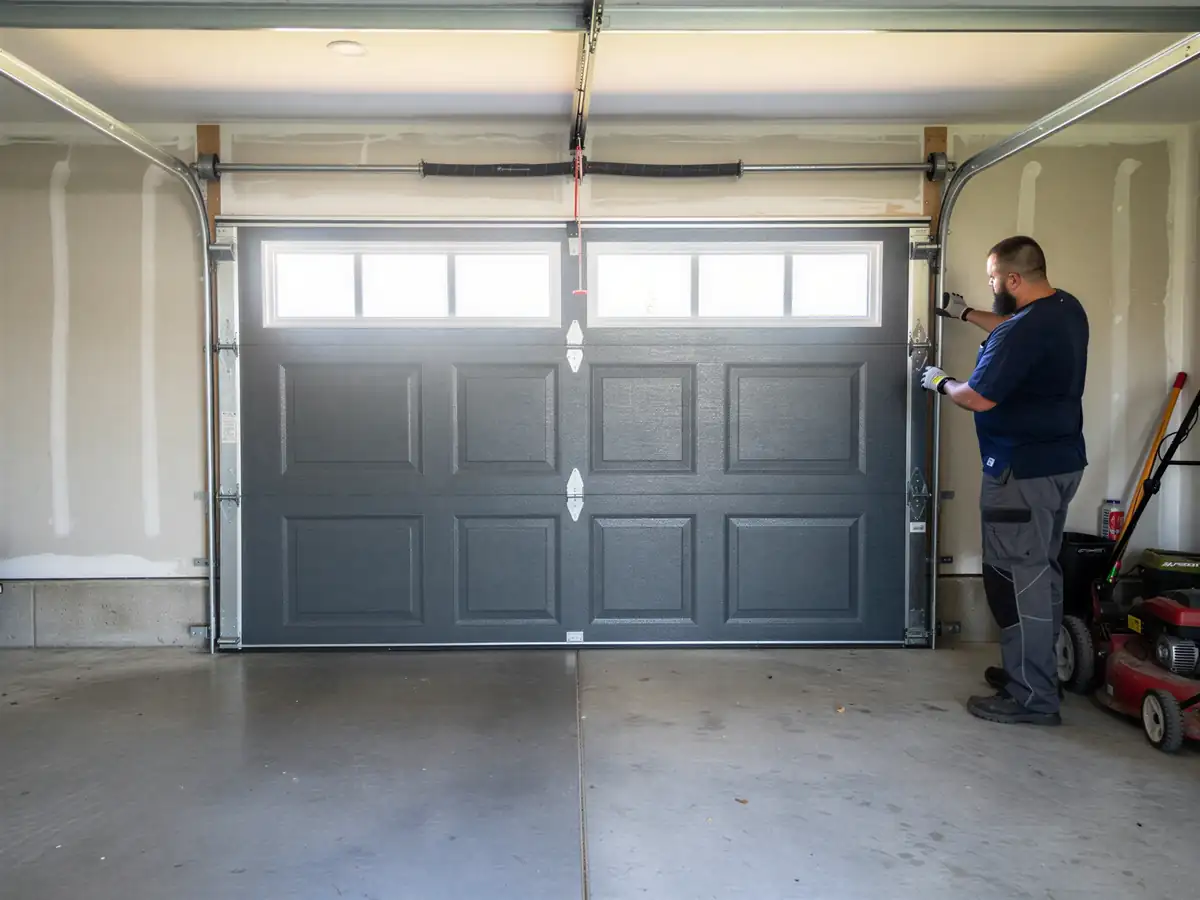
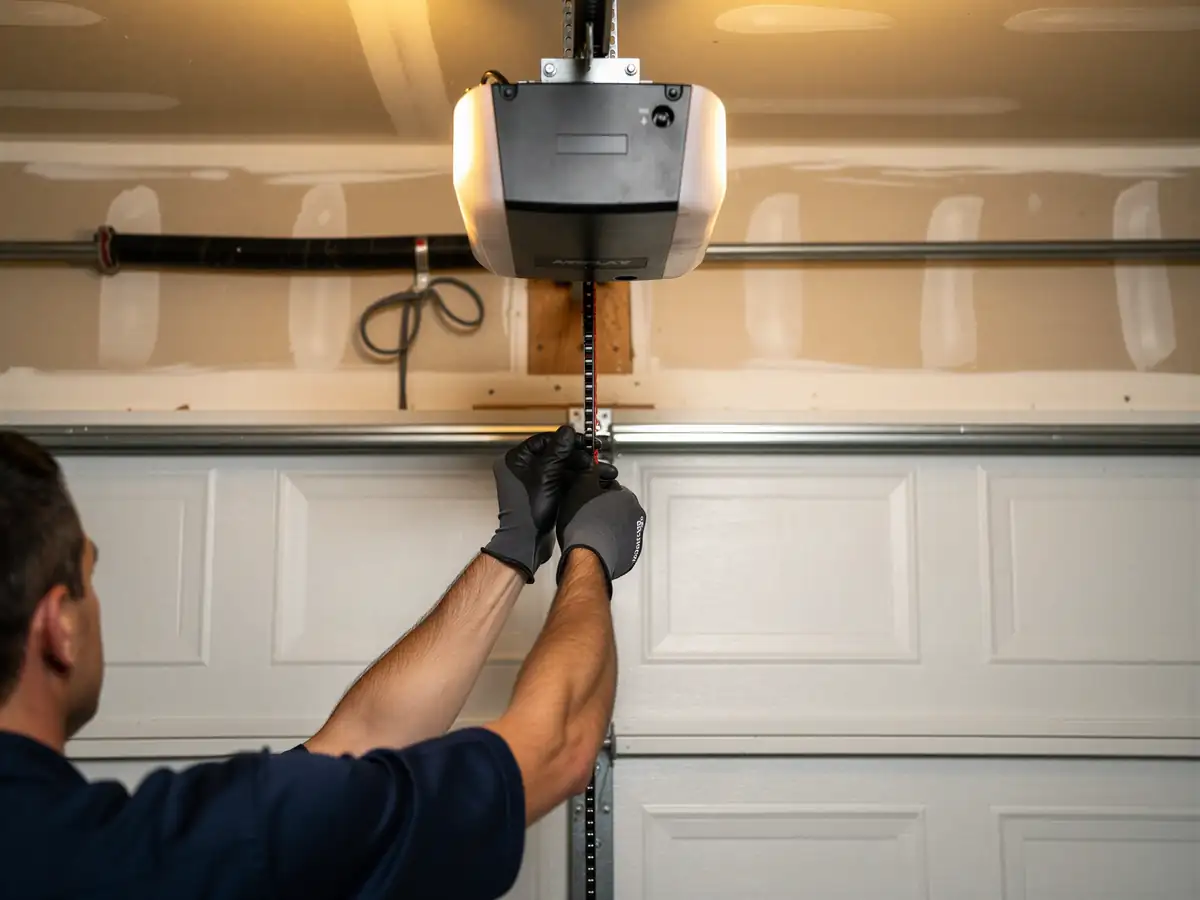
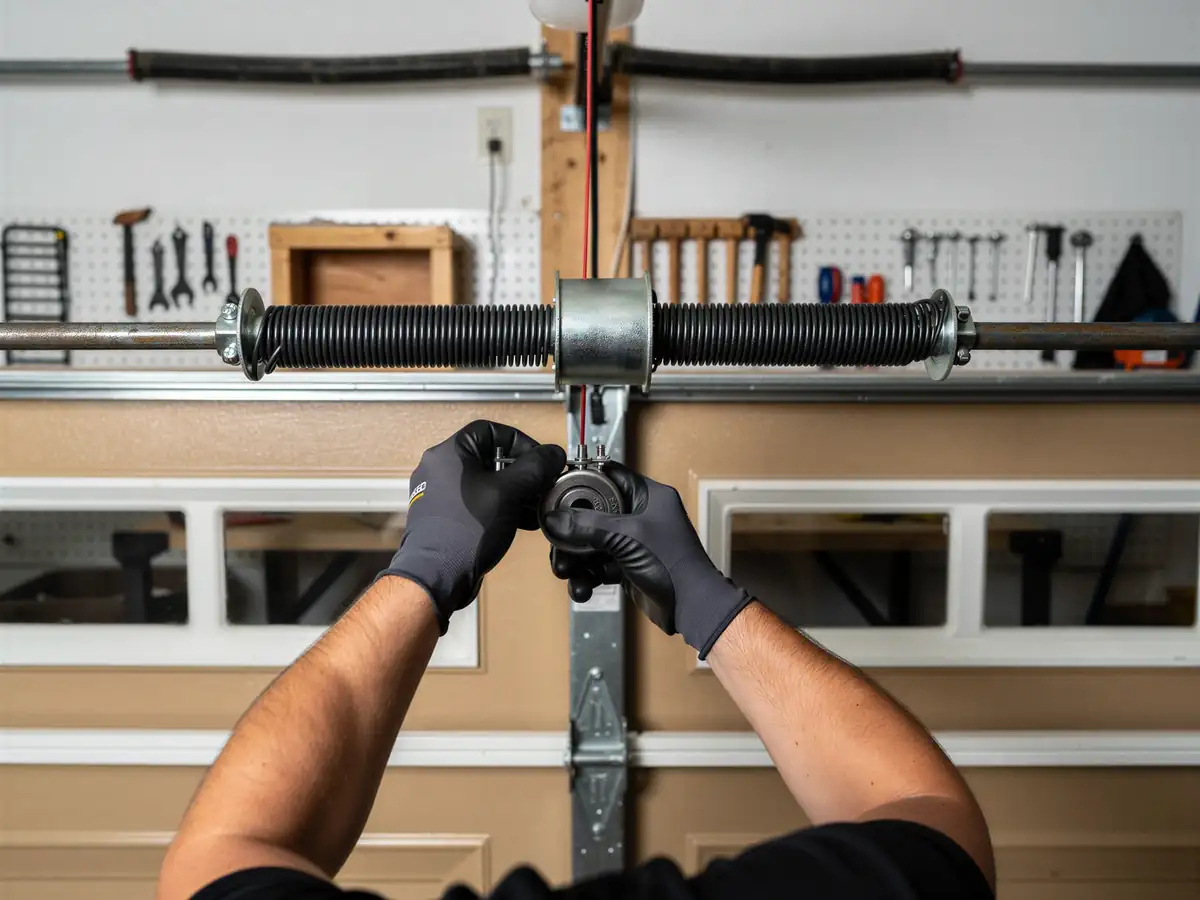
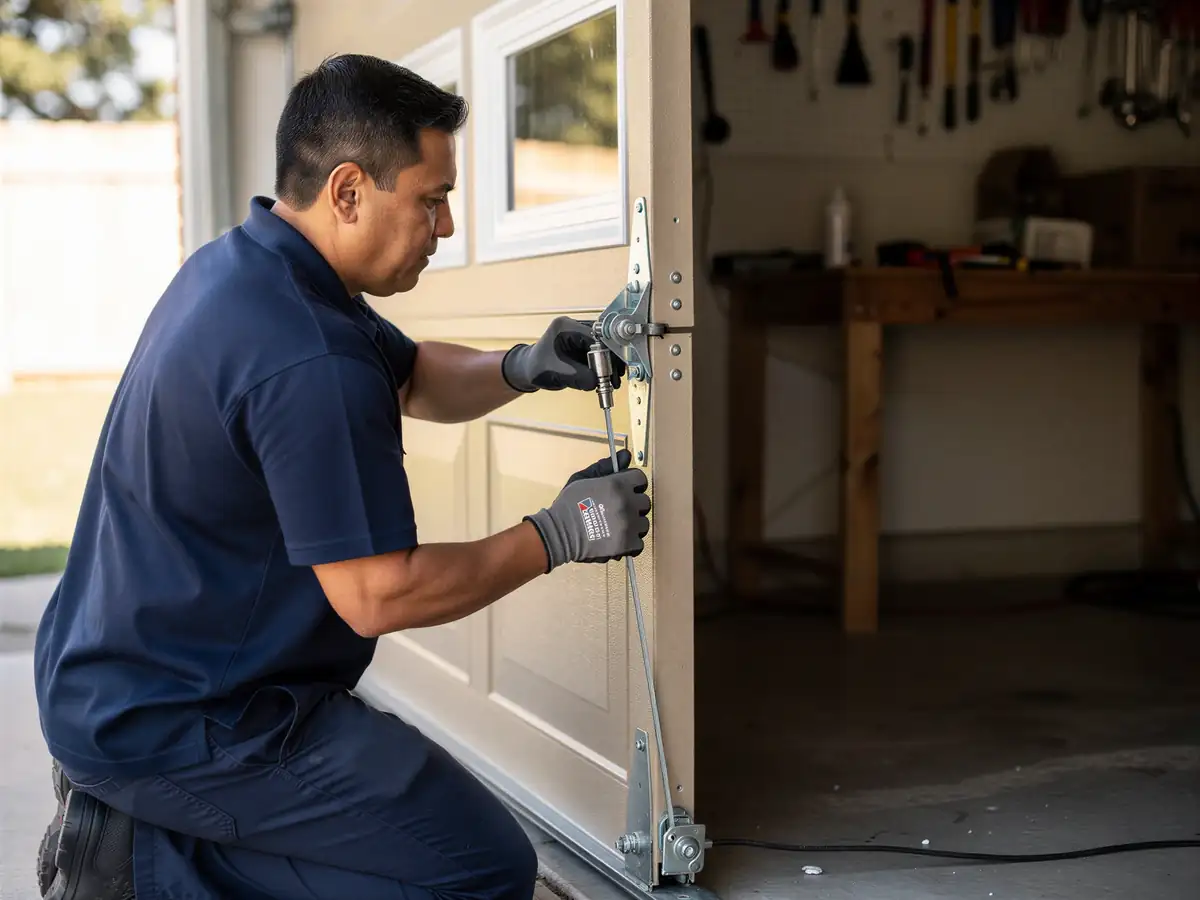
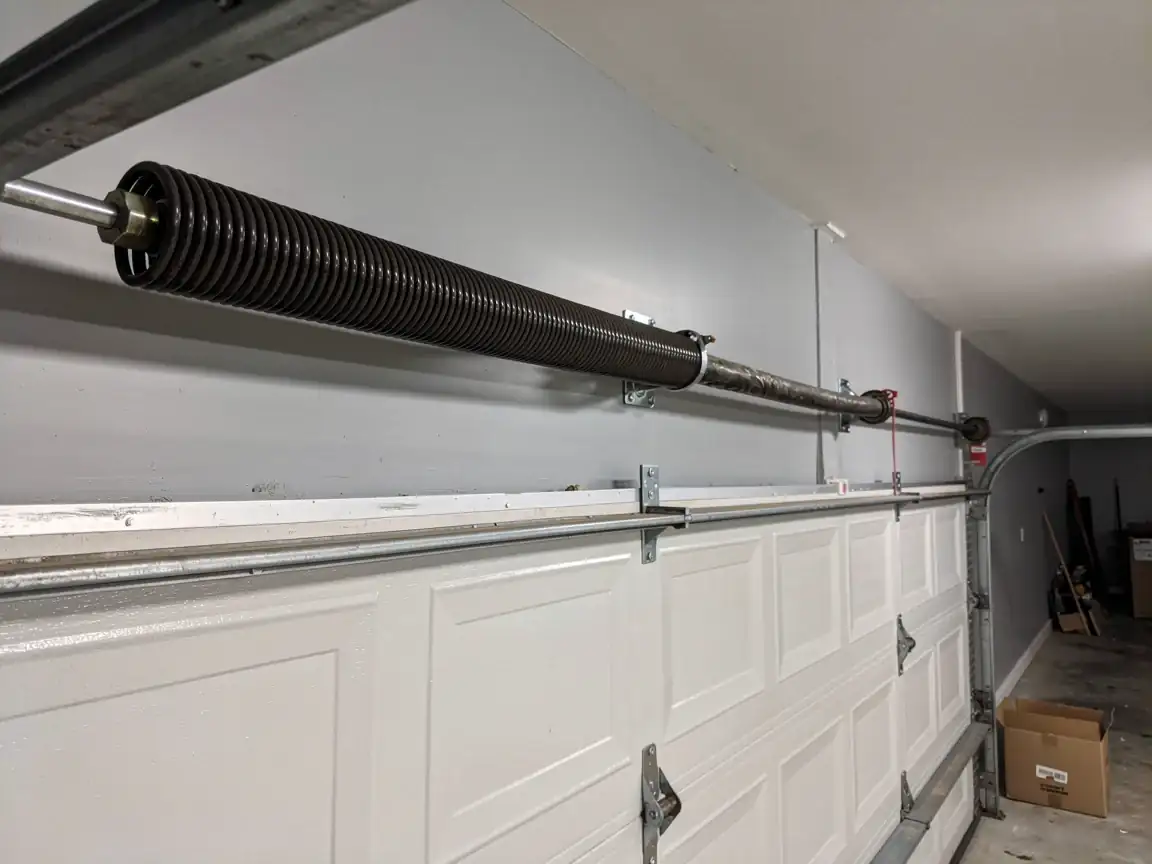
A maintenance visit on a Billings garage door takes about the same hour whether the house sits in out toward the but what we check changes with the age of the door. Most homes across this service area went up between 1973 and 2010, with the median build year landing around 1985, so the bulk of what we touch is 30-to-50-year-old hardware: steel torsion springs rated for a specific door weight, extension cables, and rollers that have logged three or four Montana winters for every one mild year. We go panel by panel, check spring tension, inspect cable fraying at the drum, lube the track and hinges, and test the auto-reverse and force settings on the opener. On a double door with a single torsion spring from that 1980s-90s stock, we're also looking for the fatigue cracking that shows up right where cold-stressed steel wants to let go. We don't rush this because a 10-minute once-over misses the thing that actually breaks.
What Causes It Around Here
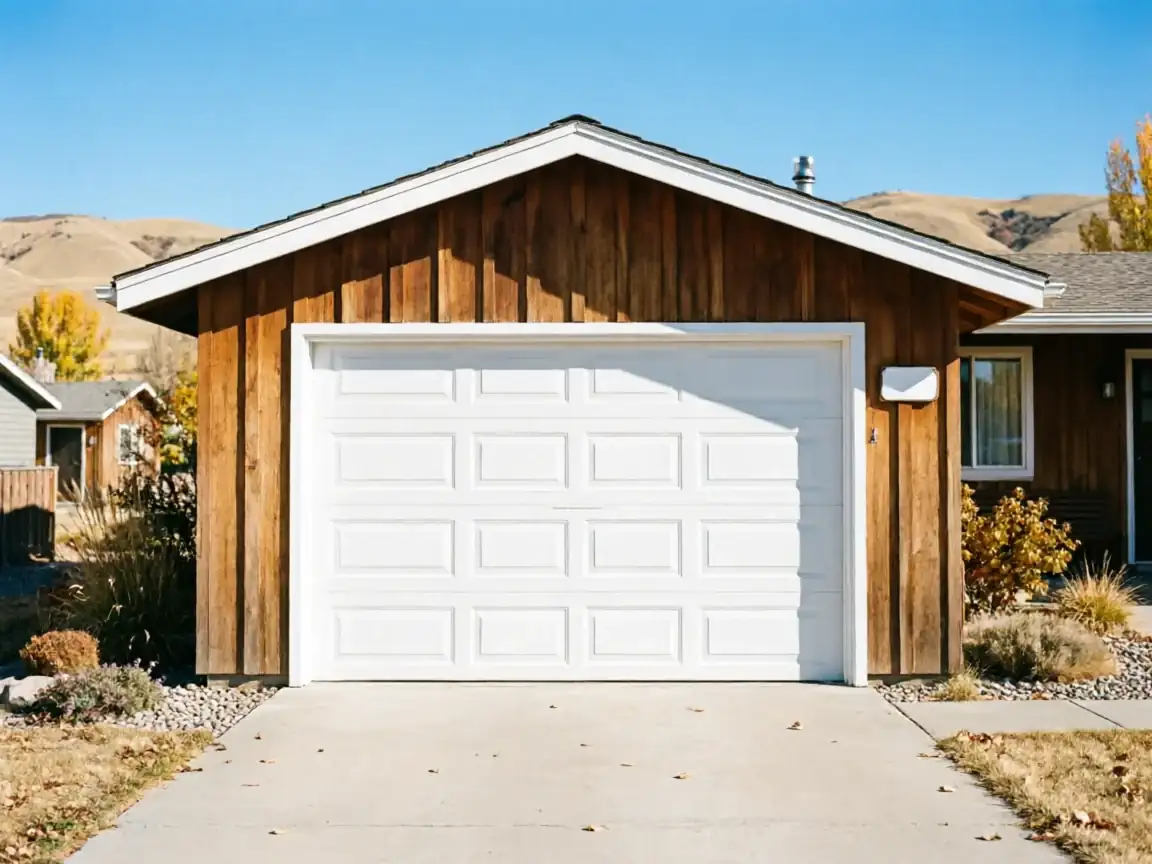
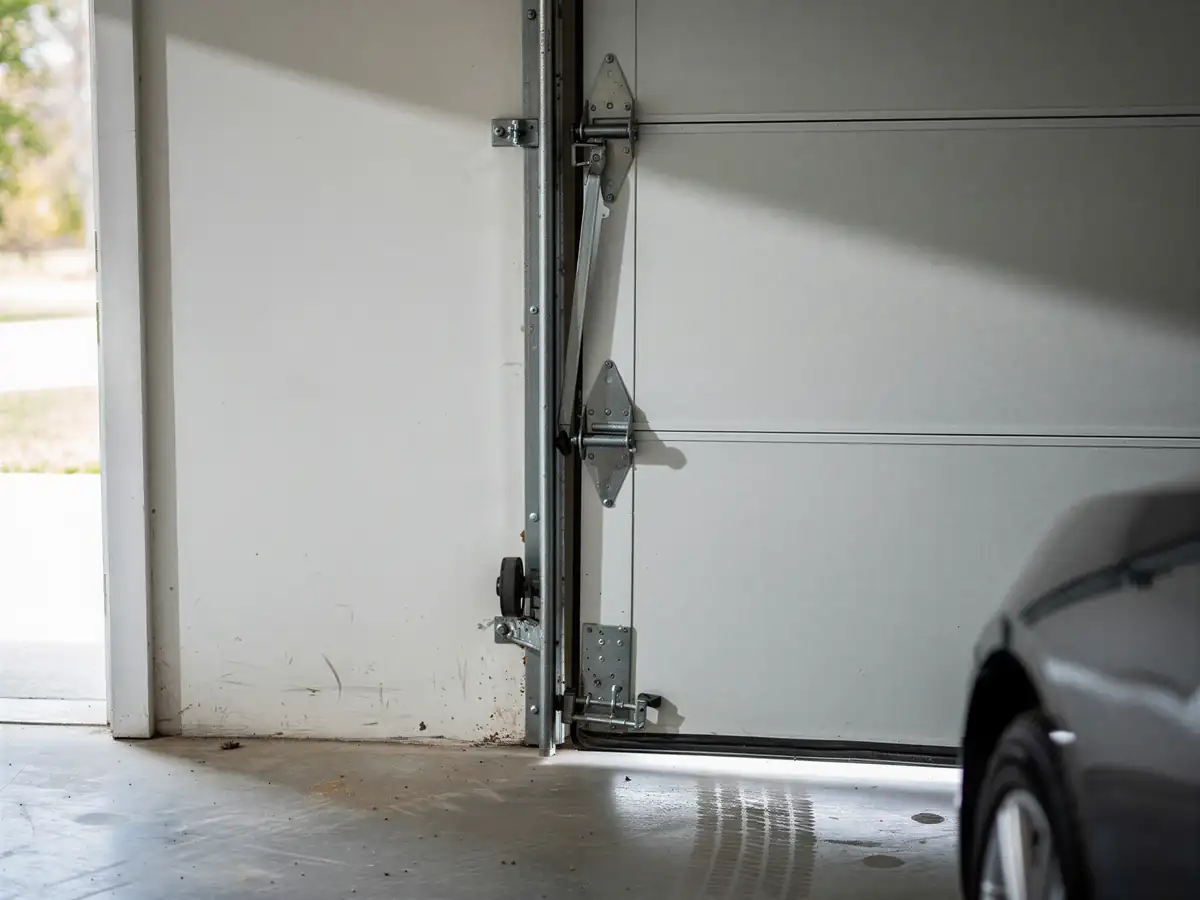
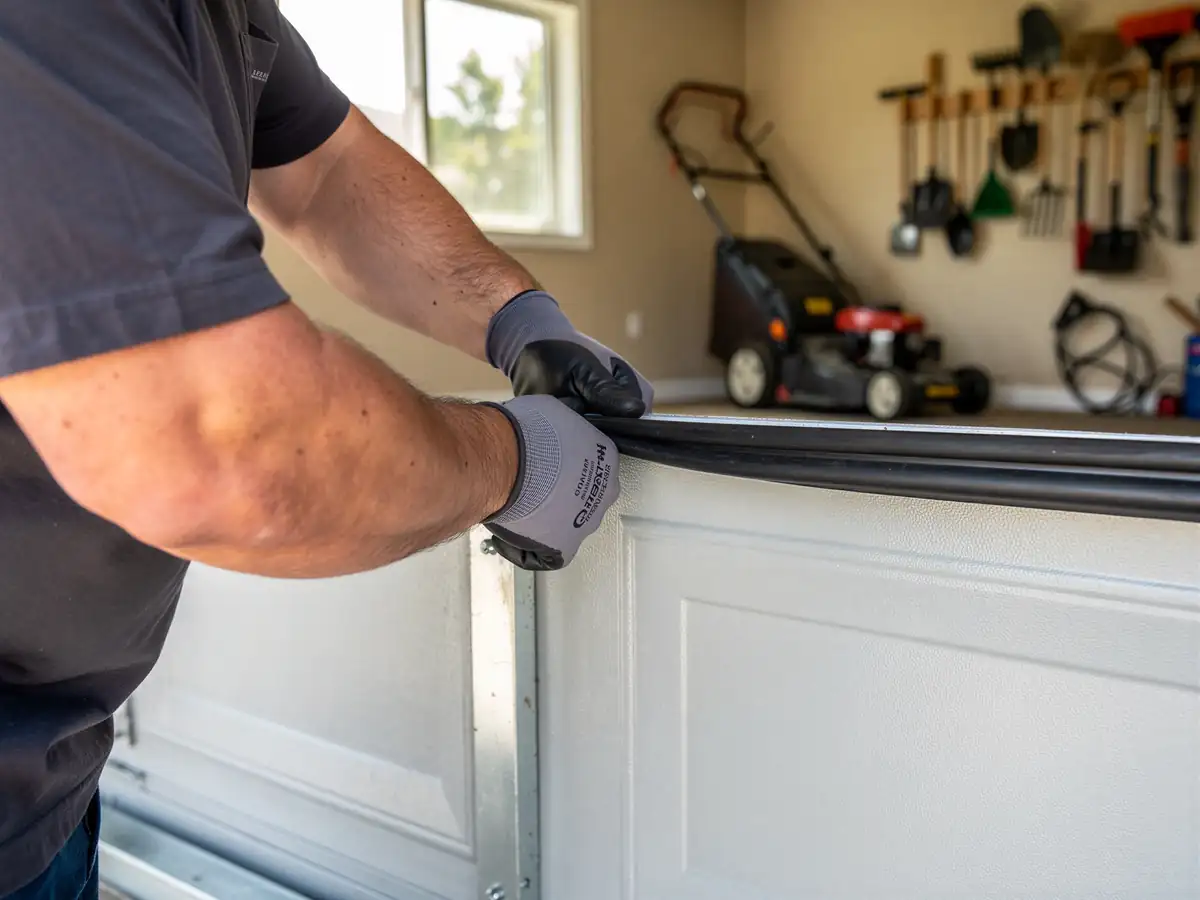
Billings sits in a cold, severe winter climate, and that's the root of most maintenance calls we run across Lockwood, Laurel, Huntley, Shepherd, and the closer-in areas. Steel contracts in deep cold, which tightens spring coils and stiffens the lubricant inside bearings and rollers - that's why a door that worked fine in October starts binding or slamming in January. Add in the housing stock: a huge share of doors here are original or first-replacement units installed between 1973 and 2010, meaning the springs and openers are old enough that the factory lubricant has broken down and the rollers have flat spots from years of hard freeze-thaw cycling. We also see a lot of weatherstripping failure at the bottom seal, which isn't dramatic but lets cold air and moisture into the track channel, where it speeds up rust on cables and hinges. None of this is unique to one house - it's the predictable result of this region's winters acting on hardware that's now old enough to show it.
The Symptom
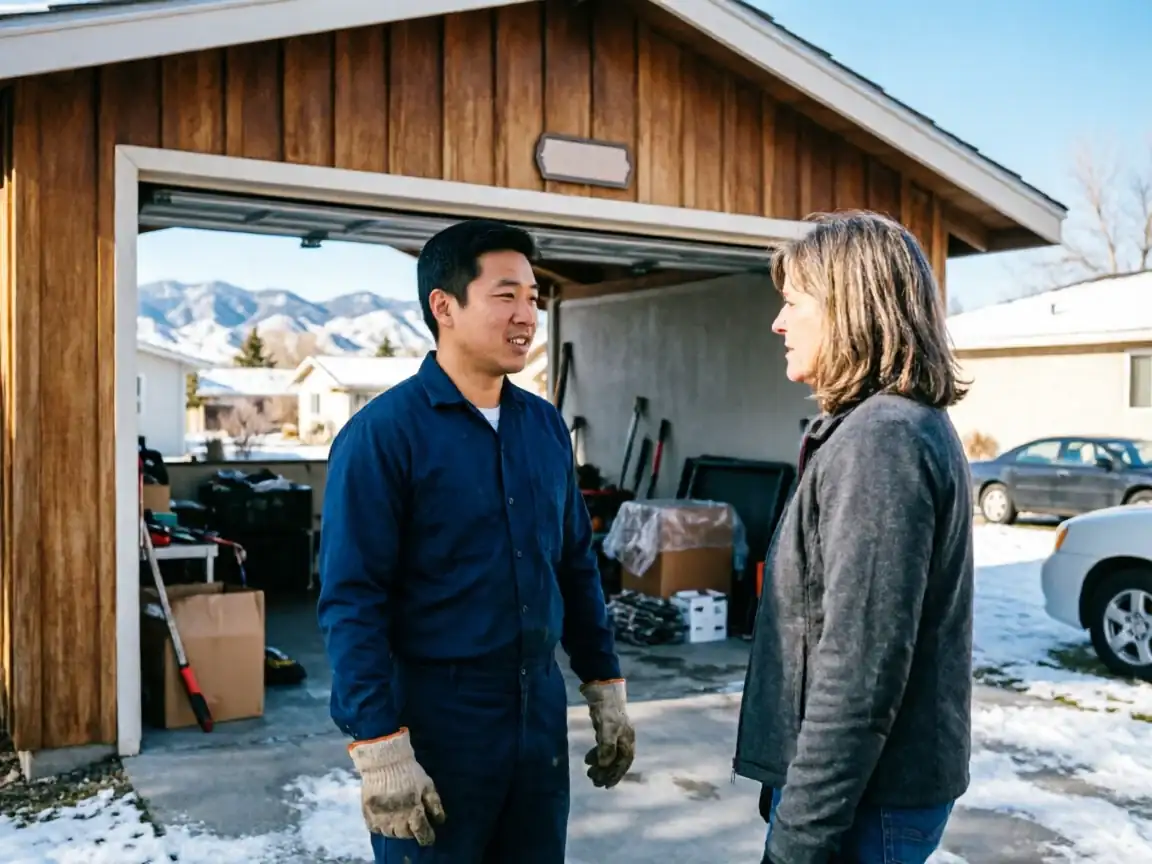
The tell we hear most from Billings owners is a door that groans or catches partway up, usually worse on the first cold morning after a hard overnight freeze. That's consistent with the cold-severe climate here working on springs and rollers that are often original to houses built in that 1973-2010 window - the metal just doesn't move the same at 10 degrees as it does at 60. A second common complaint is an opener that reverses for no clear reason; nine times out of ten that's a force setting that was never adjusted for how heavy winter-stiffened cables make the door feel to the motor. If your door is loud going up, slow coming down, or the opener light blinks a cycle count before it'll run, those are maintenance-stage symptoms - catch them now and it's a tune-up. Wait, and in this climate they tend to become a spring failure instead.