What to Look At First
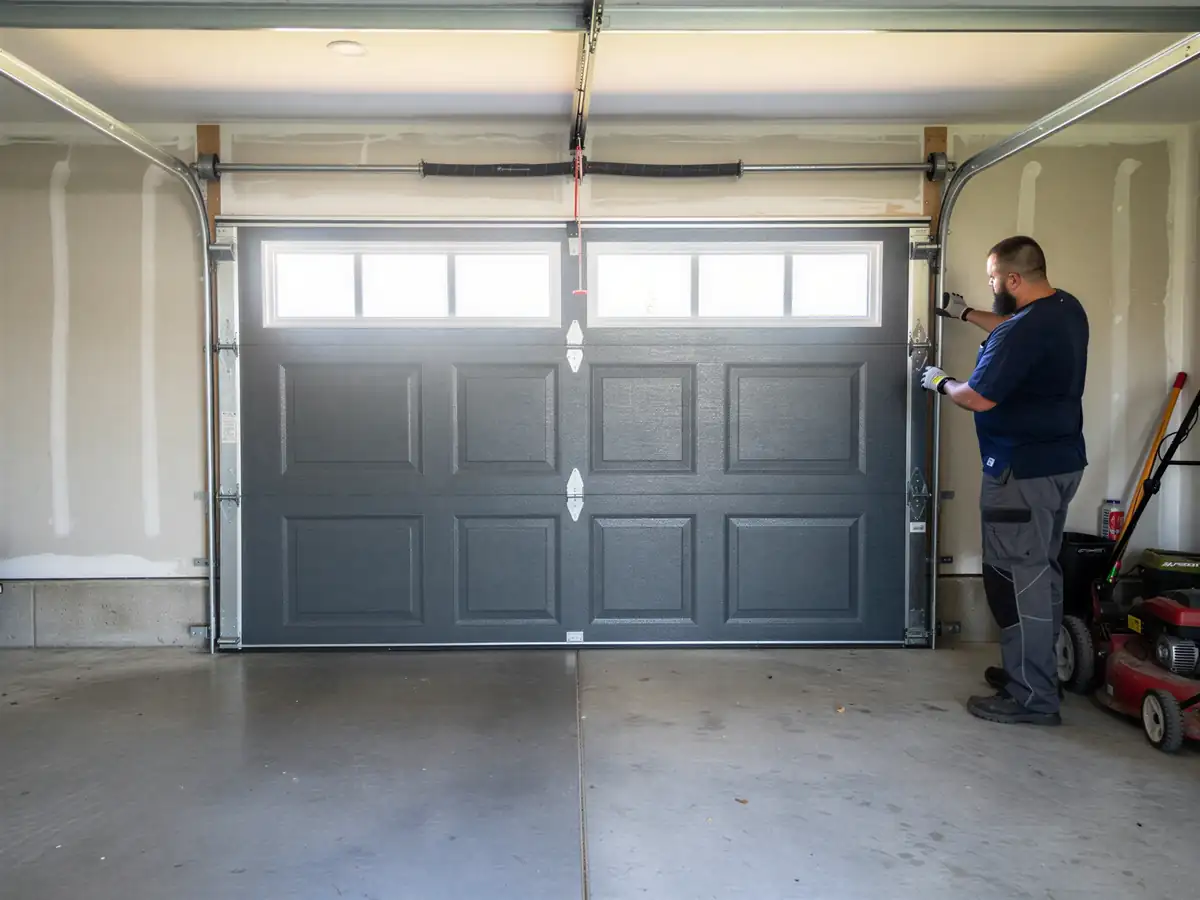
Start with the door's age relative to the house, not the symptom you noticed. Most homes across the service area went up between 1973 and 2010, with the median landing around 1985, so a lot of what's hanging on the front of these garages is either the original builder-grade steel door or a replacement put in sometime in the 2000s that's now past its working life. Pull the date card or stamp off the bottom panel if you can find it.
If your house is on the older end of that range, you're likely looking at doors on houses built before insulation rules tightened up, which means a thin single-layer steel skin with no foam core. That door weighs less than a modern insulated one, which matters because the torsion spring on it was sized for that lighter weight. Swapping in a heavier insulated door later without resizing the spring is a common reason a door feels wrong at the halfway point.
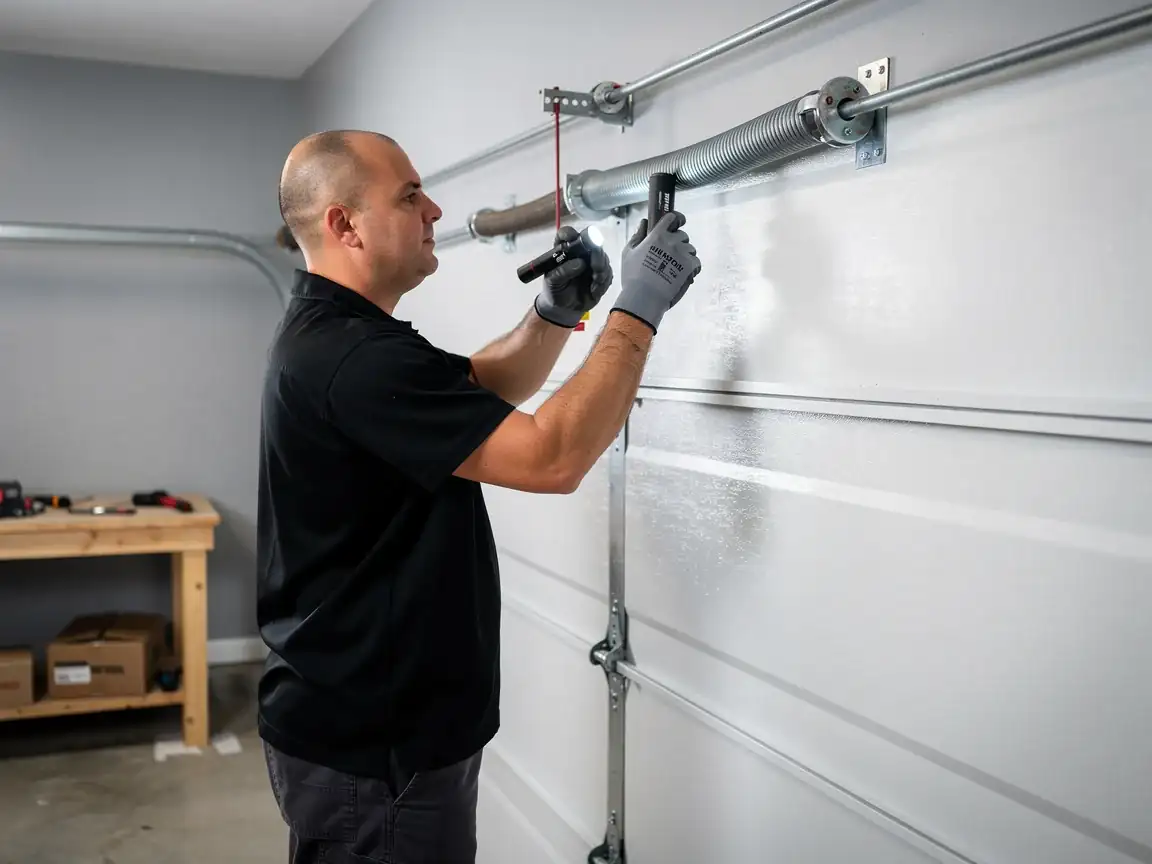
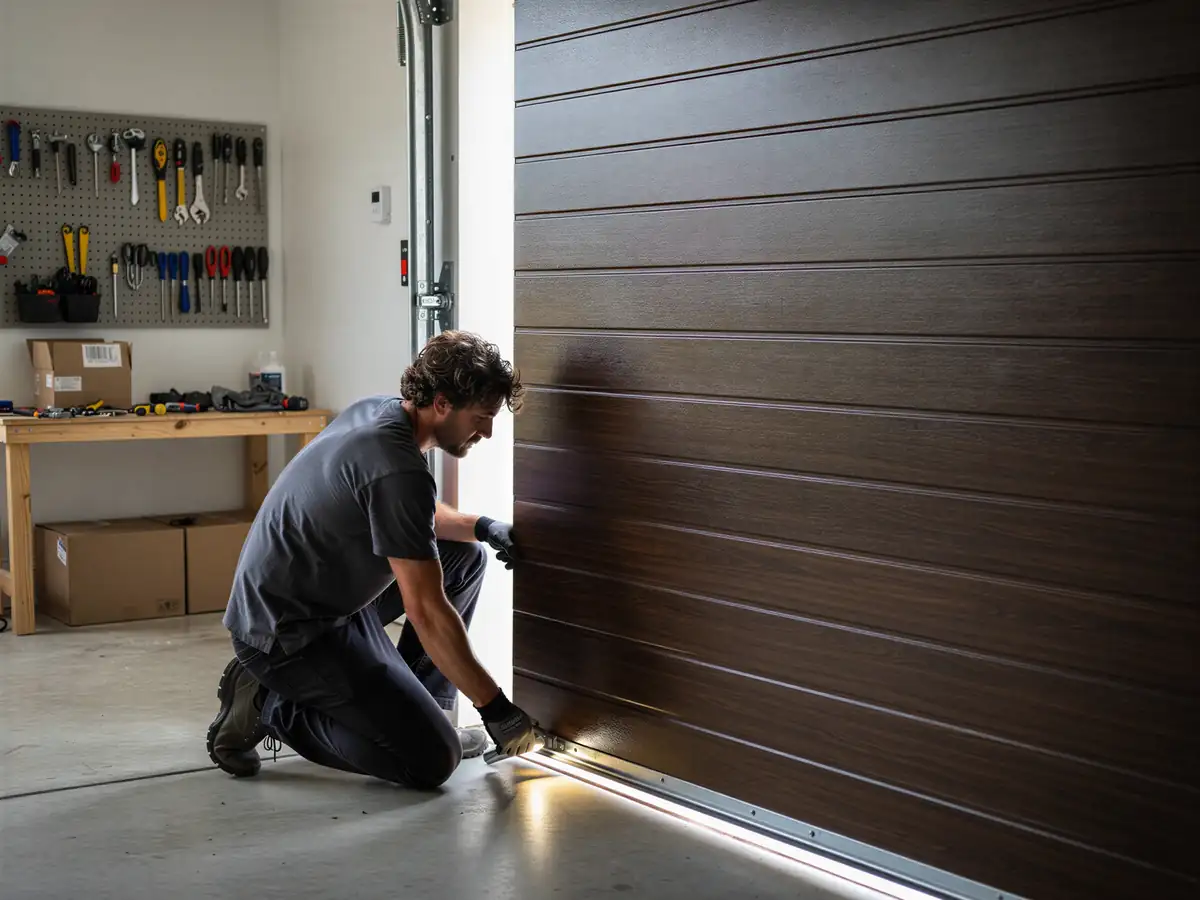
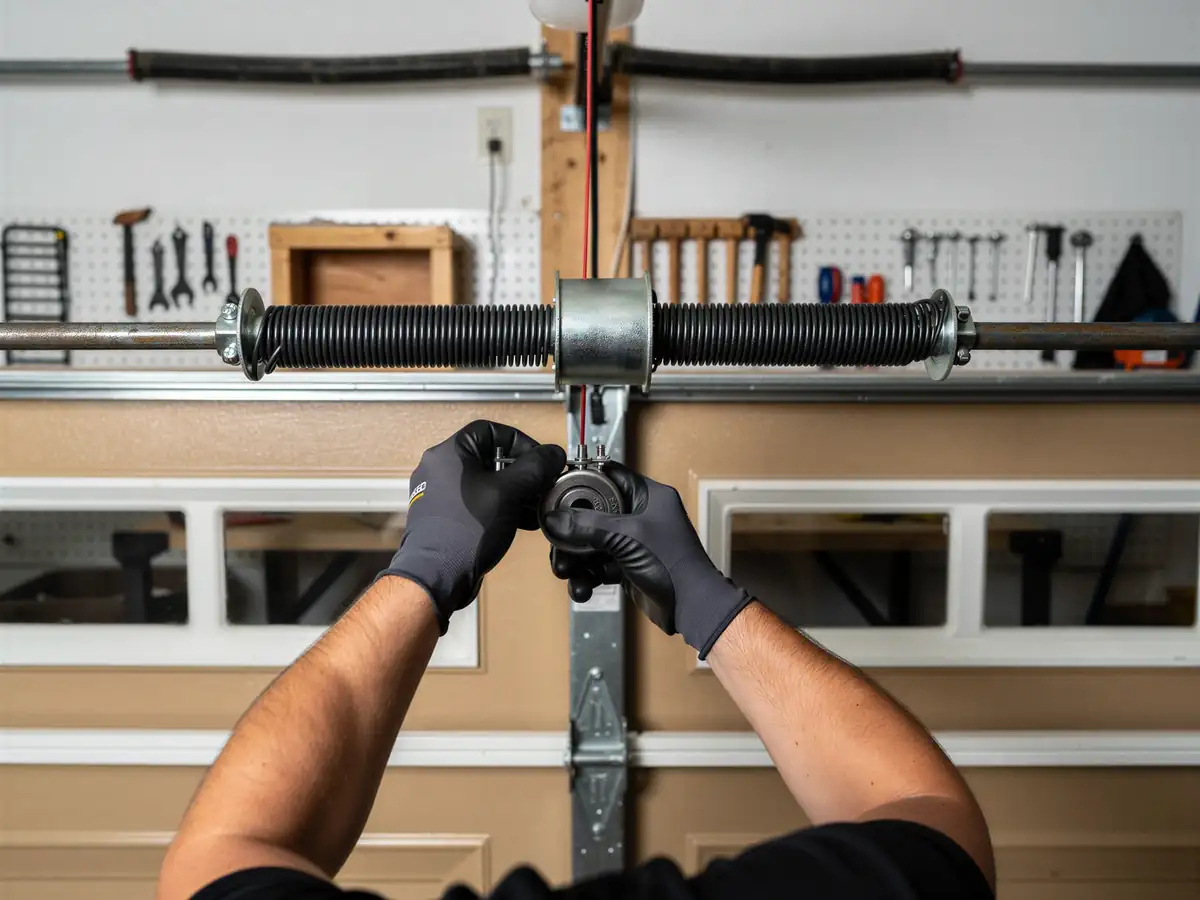
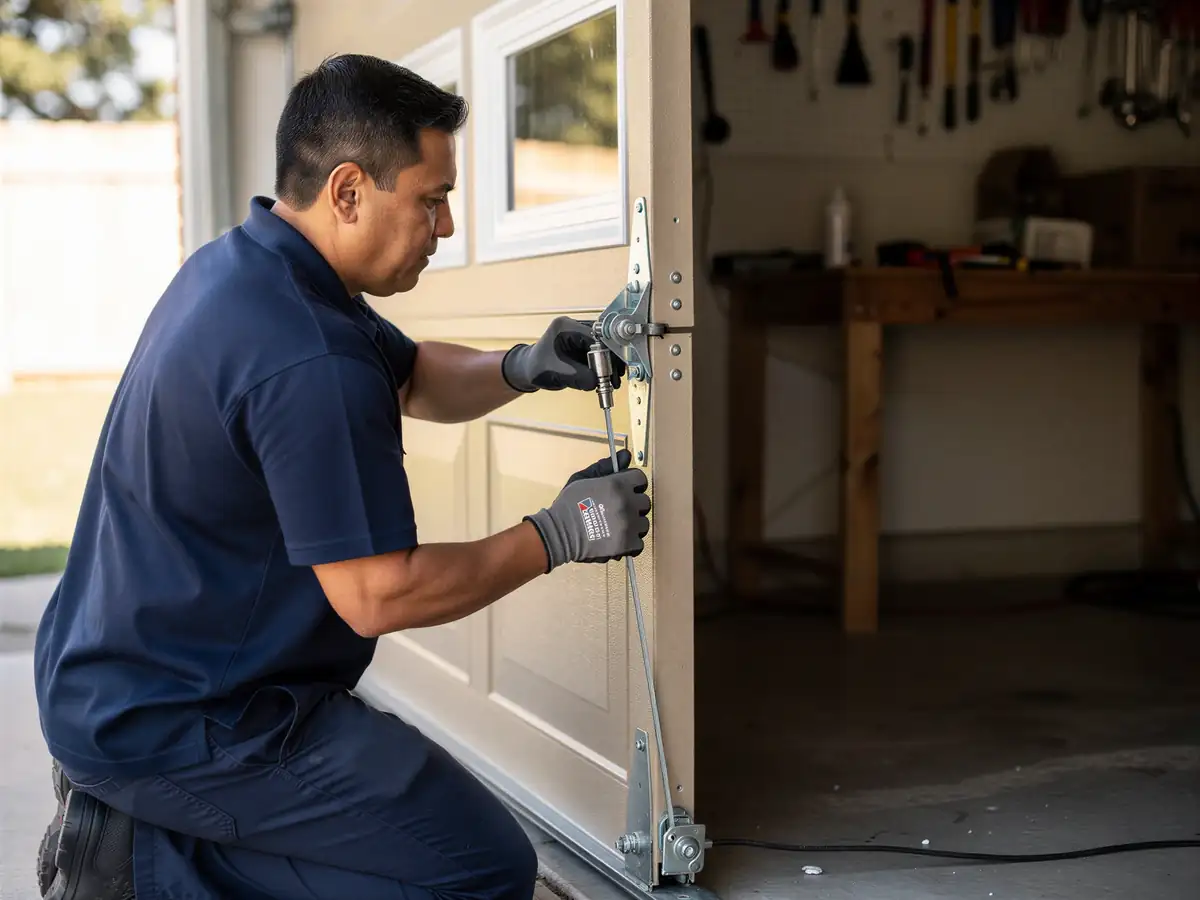
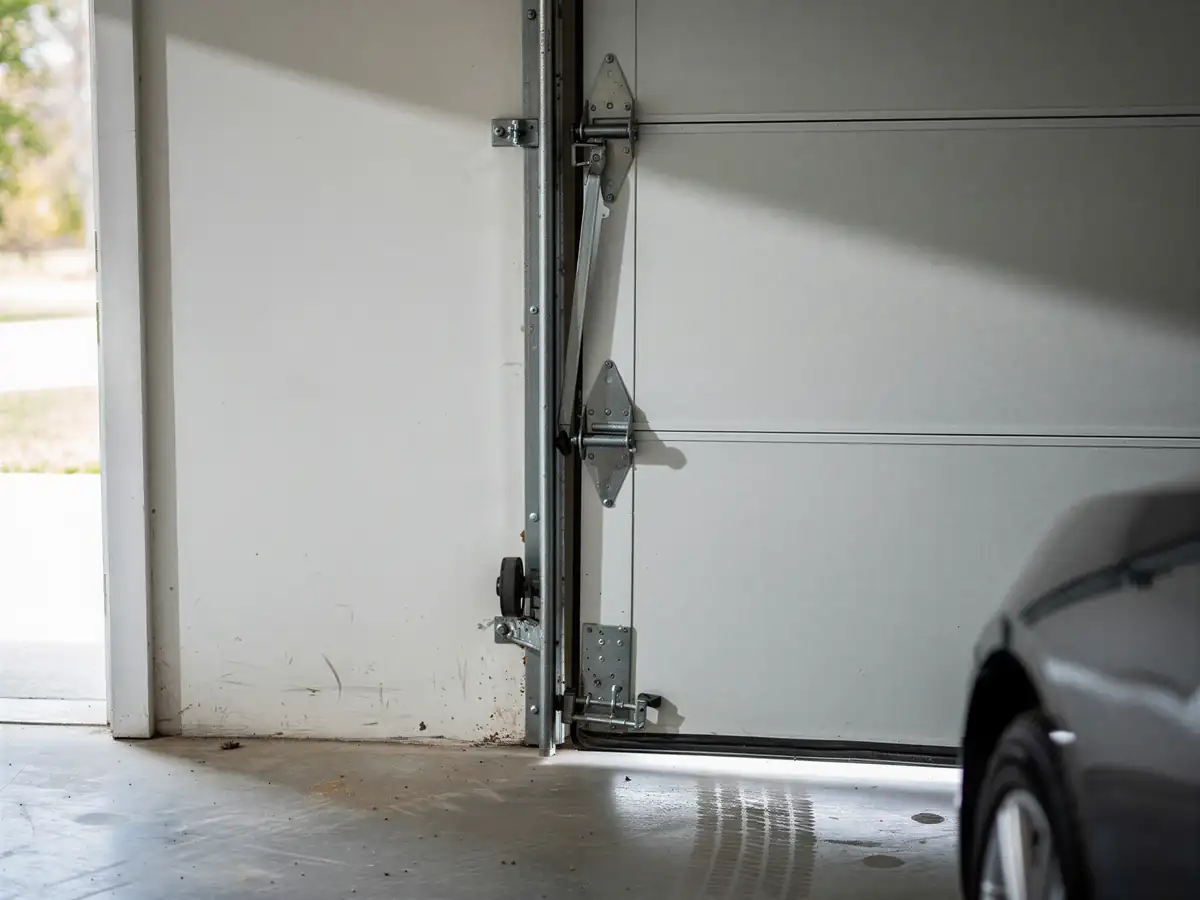
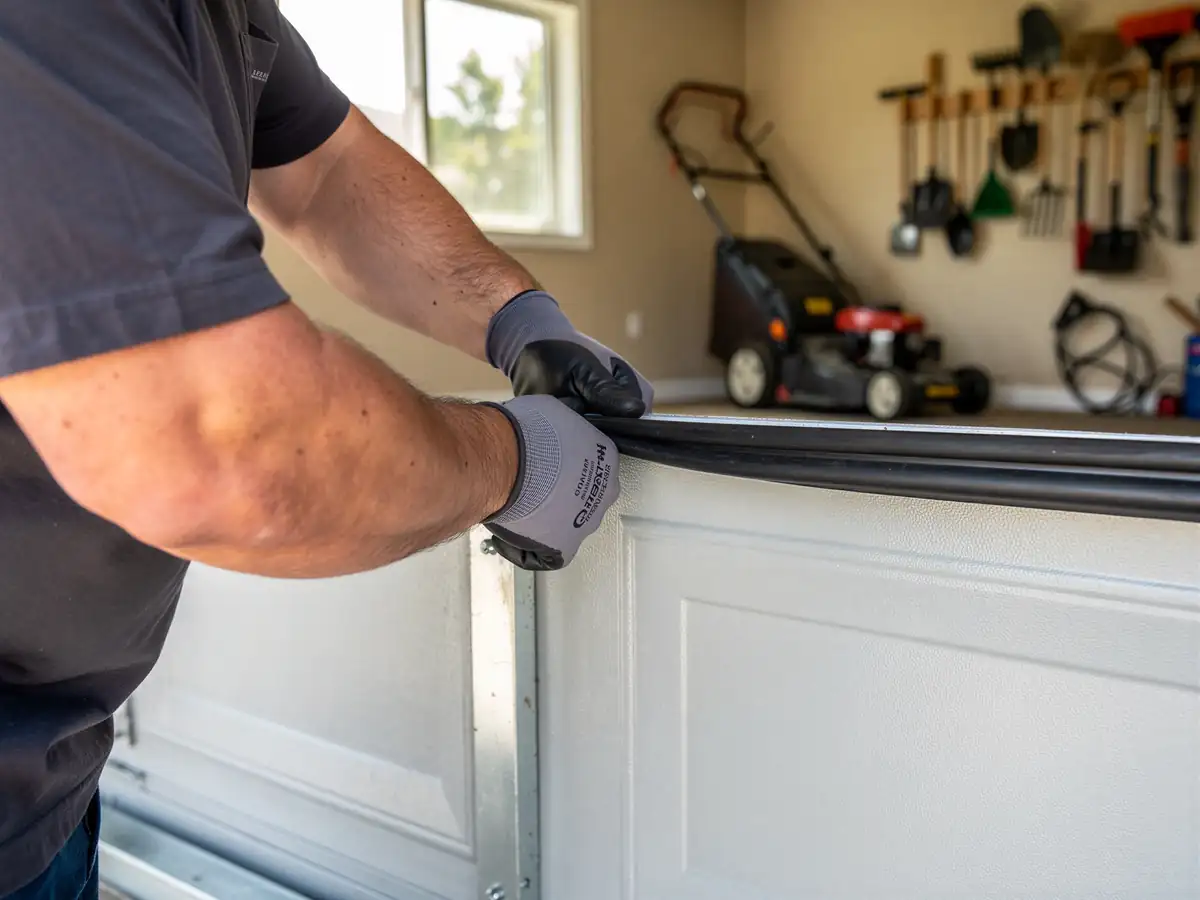
Check the bottom seal for daylight gaps, check the spring coils for flat spots or rust blooming unevenly, and check whether the opener's force setting has been touched since install. None of this takes a tech visit to spot - it takes five minutes with a flashlight.
The Common Mistake
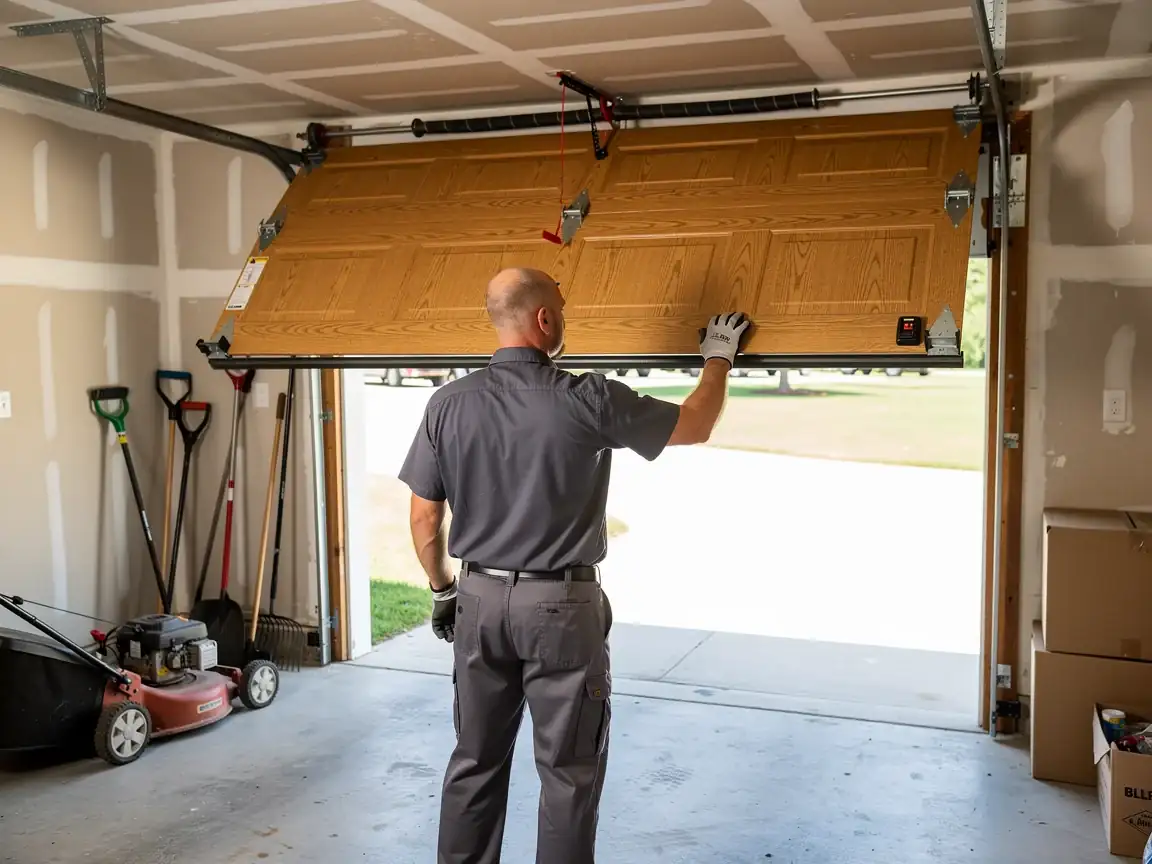
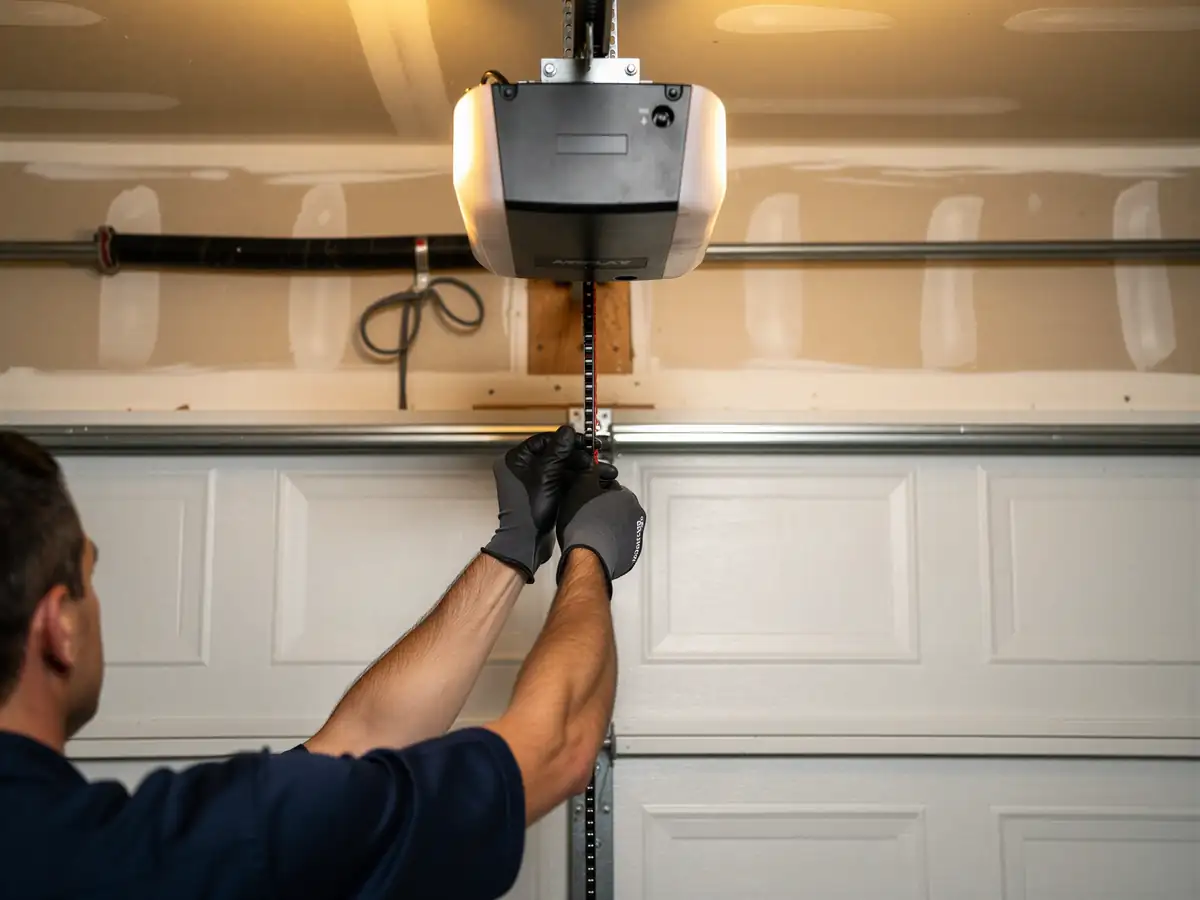
The mistake we see most is replacing the opener first. A door that's hard to lift by hand, or that the opener strains against, usually isn't an opener problem at all - it's a spring that's lost tension or a cable that's stretched. The opener is just the part doing the complaining. Swap the opener and the new one will strain just as hard against the same bad spring, usually within a season.
This gets worse in a cold climate because low temperatures stiffen the grease in the rollers and hinges, so a marginal spring that was barely coping in September can feel like a dead one in January. The owner concludes the opener failed overnight. It didn't - the spring finally lost the fight with cold steel and a stiff track at the same time.
We won't pretend every call is a spring call. Sometimes the opener board really has burned out, and no amount of spring adjustment fixes a dead circuit board. The honest version is: check the spring and the balance first, every time, before you spend money on a motor.
What Local Conditions Do
This area sits in a severe cold climate band
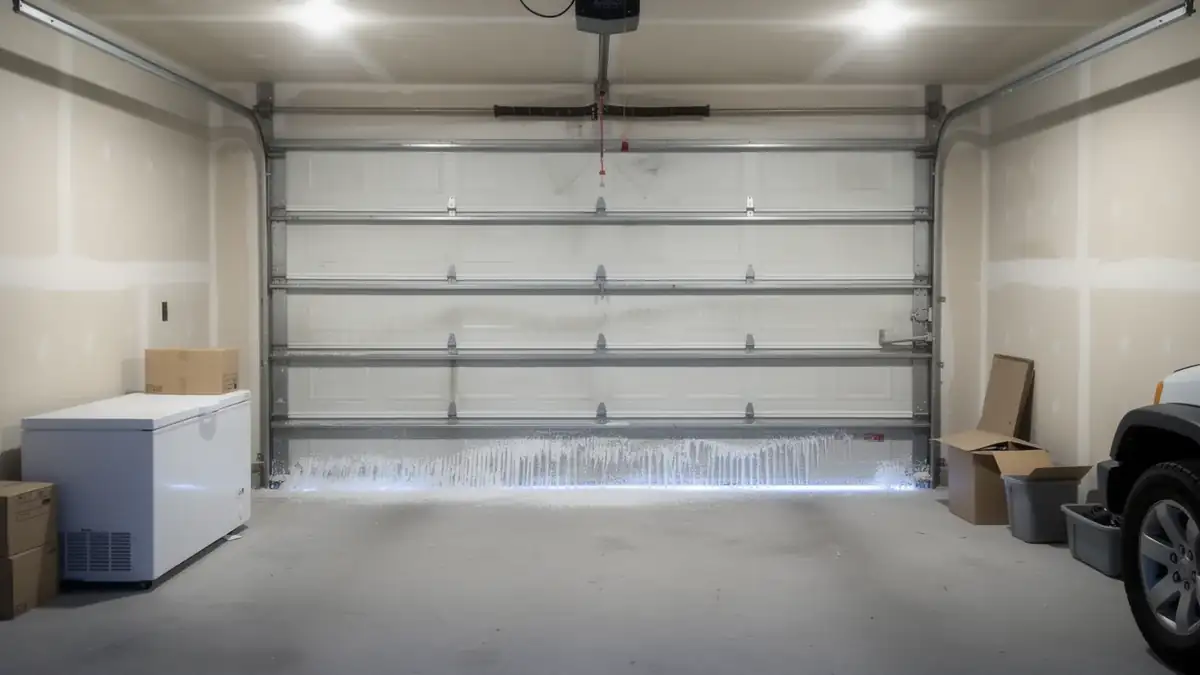
And that changes what parts wear out and how fast. Steel torsion springs contract in deep cold, and a spring that's already fatigued from twenty or thirty winters of that cycling is far more likely to snap on a cold morning than a mild afternoon - the metal is simply less forgiving when it's contracted tight.
Cold also thickens the lubricant on rollers and hinges
Which is why doors that run smoothly in July can groan and stick in January. If you hear a new grinding noise only in winter, that's the lubricant, not necessarily a worn part - though worn parts make the noise worse.
Freeze-thaw cycling at the slab can shift a garage floor by a fraction of an inch over the years
Enough to throw off a door's level and put uneven load on the tracks. None of this is dramatic on its own. It's the accumulation, winter after winter, that eventually shows up as a door that won't balance right no matter how many times you adjust it.
What Is Going On
Put the pieces together and the pattern is pretty clear. In the housing stock runs mostly 1980s and 90s, which means a lot of torsion springs out there were installed or last replaced decades ago, sized for the lighter uninsulated doors common to that era, and have since been through thirty-plus winters in a severe cold band. That's a long run for a part that typically has a service life measured in cycles, not years.
Across the service area's 2,689 owner-occupied houses, the garage door is often the same age as the house itself, which means a lot of original hardware is simply reaching the end of its reasonable life at the same time. With median household income at $74,451 here, most owners can afford a full spring replacement rather than a patch job, and a patch on a thirty-year-old spring rarely buys much time anyway.
Not every door on this list needs replacing. A door that's balanced, sealed, and running on a spring installed in the last decade can keep going with routine lubrication. The point isn't to scare anyone into a new door - it's to know which category your door falls into before you spend money on the wrong fix.