Booking a Visit
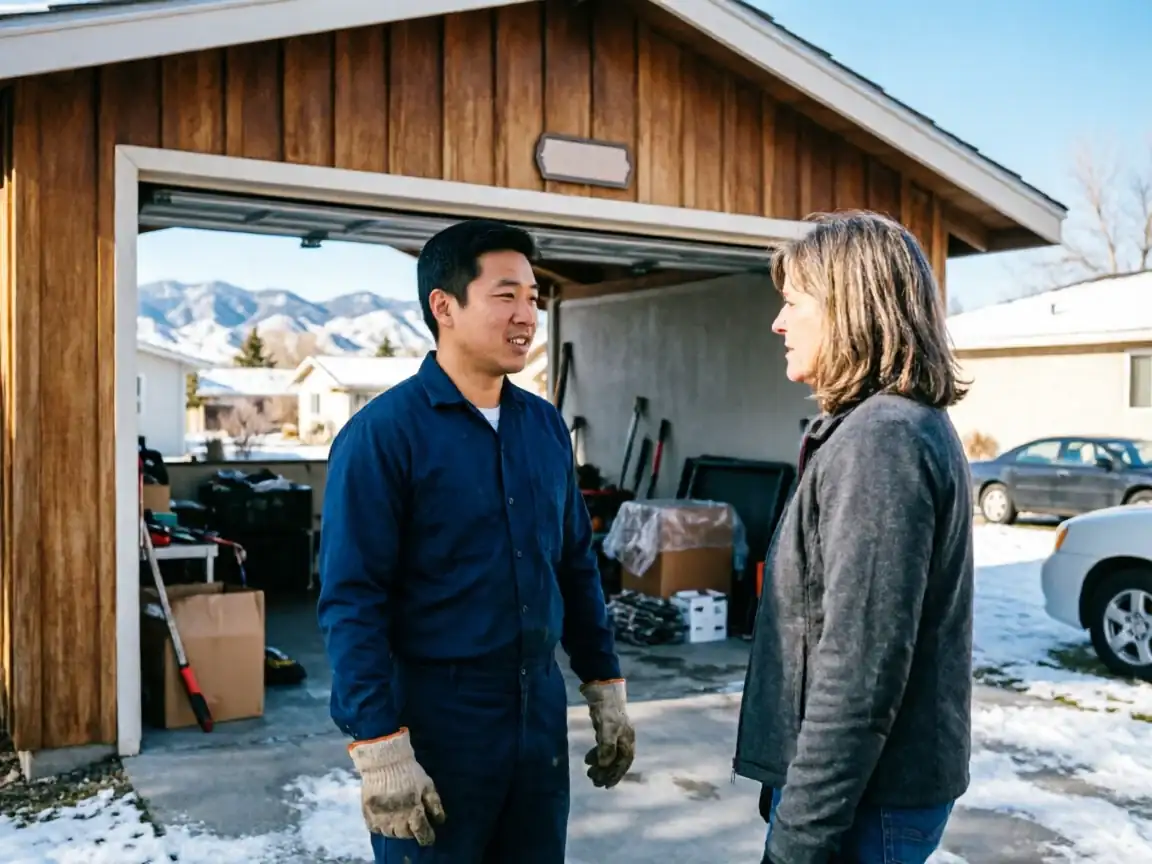
We run this job out of Billings, about 15 miles down the road, so a visit to Shepherd isn't a same-block call for us the way it might be for a shop sitting in town. We still make the drive for cable work, but we ask a few questions up front - is the door stuck down, is one side hanging lower than the other, did you hear a bang - so the truck that shows up has the right drum and cable length instead of a guess. Shepherd sits on the small side, around 261 households, so this isn't a route we run every day; a little detail on the phone saves a second trip.
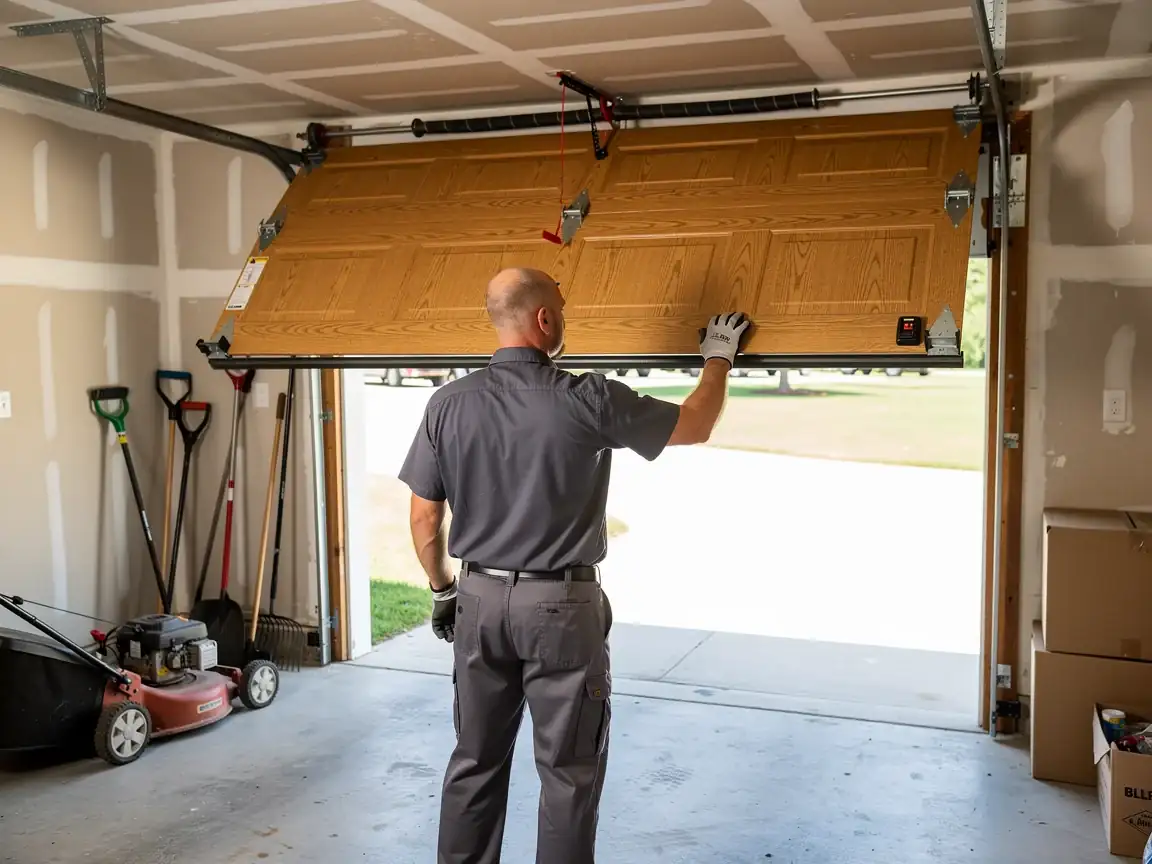
If your door is already on the ground and won't budge, say so when you call. A door resting on a snapped cable can still have spring tension loaded into it, and that's not something to lever up with a pry bar while you wait. Use the Shepherd garage door service page if you're not sure cable is actually your problem.
The Symptom
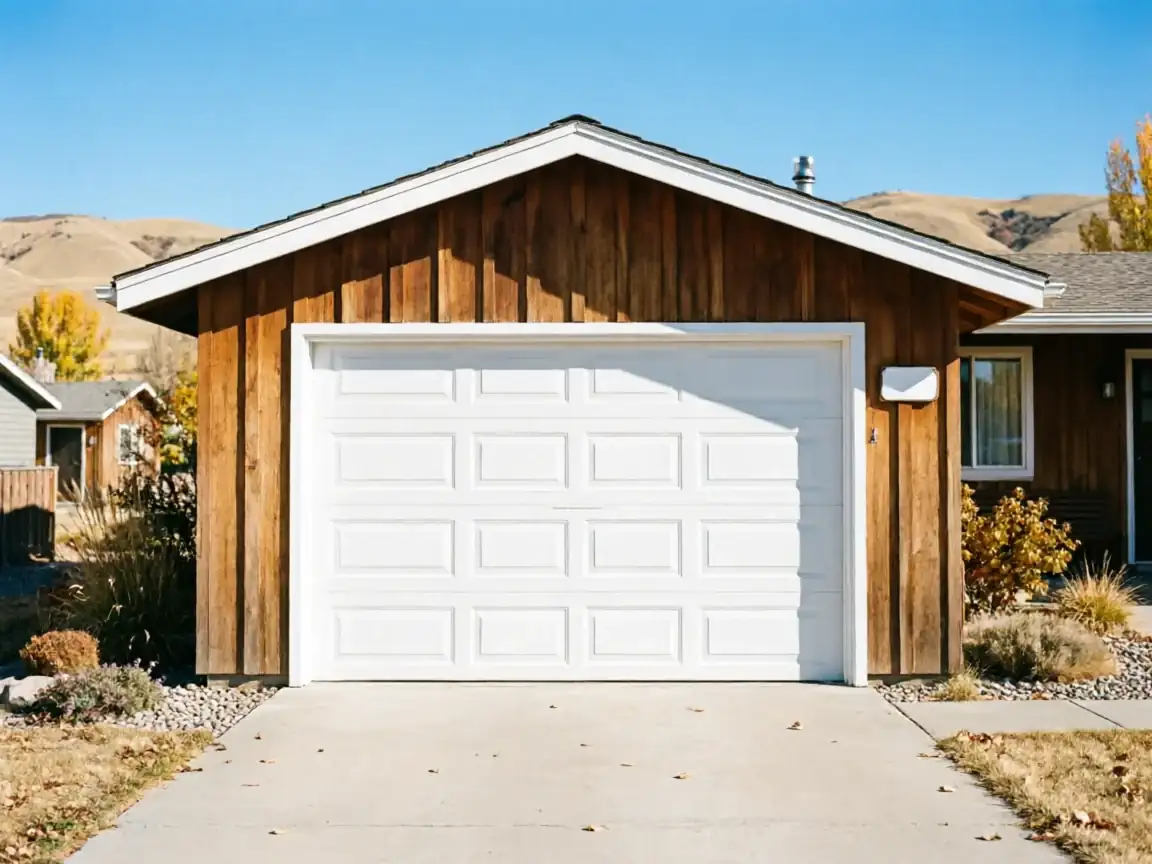
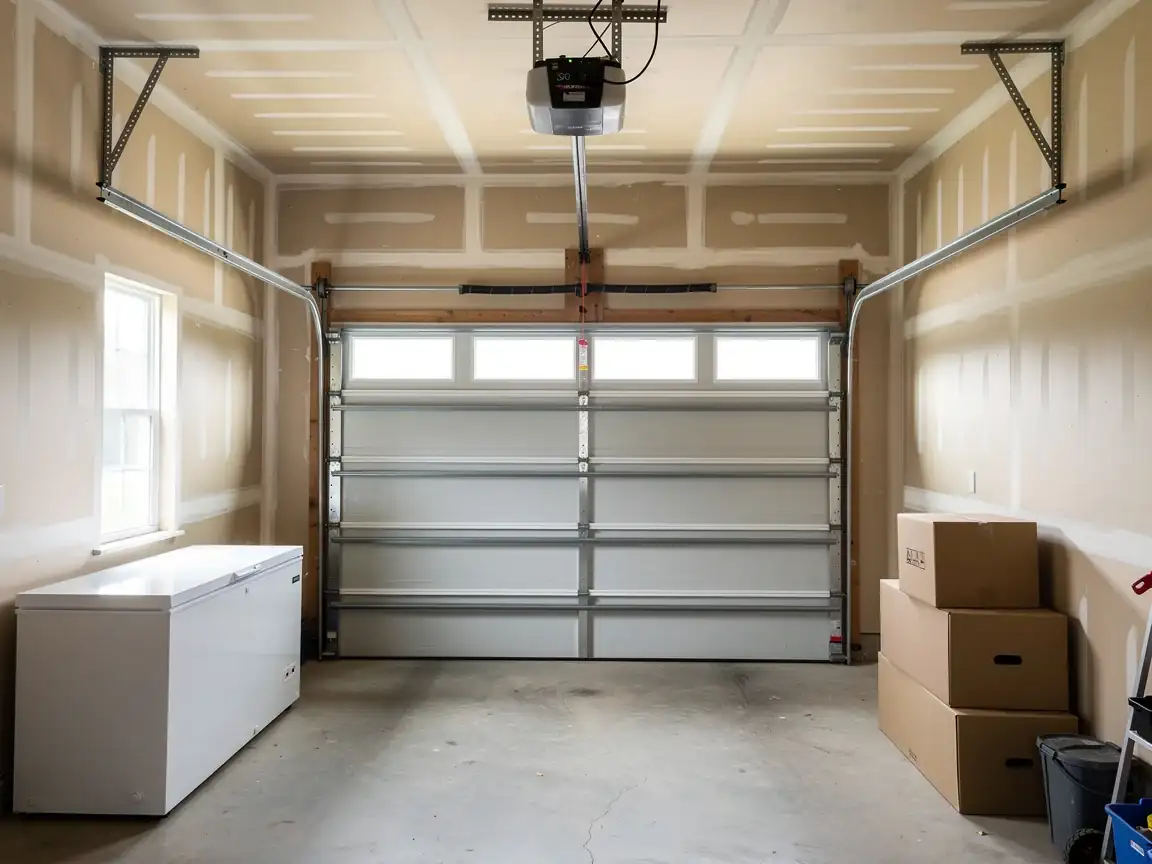
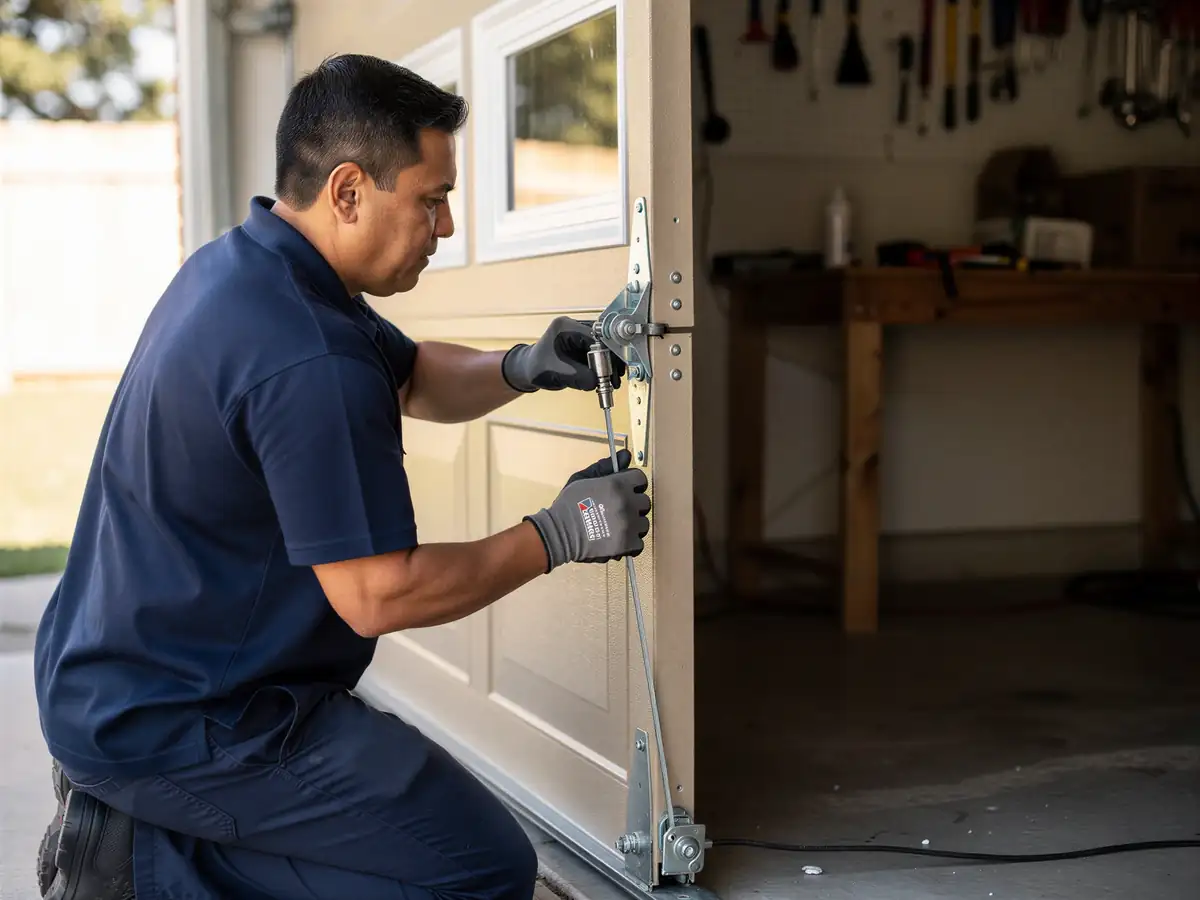
Most of the houses we work on in Shepherd went up in the late 1980s - the median build year here lands around 1988, which puts it squarely in the same stretch of stock that filled out this whole corner of Montana through the 70s into the 2000s. That matters for cables because doors from this era were mostly built for extension-spring systems with lift cables running off a pulley near the top track, not the torsion-drum setup you'd find on newer production doors. The failure looks the same either way - a loud pop, a door that drops crooked, one corner hanging an inch or two below the other, or the door refusing to move at all because a frayed cable has jumped the drum or pulley.
What's different is how it fails. On these older setups, the cable itself tends to go first at the bottom bracket, where road grit and winter moisture work into the strands over thirty-plus years. You'll often see a few broken strands sticking out like a frayed rope before the whole thing lets go.
What the Fix Involves
On a door this age, we're not just swapping a length of cable
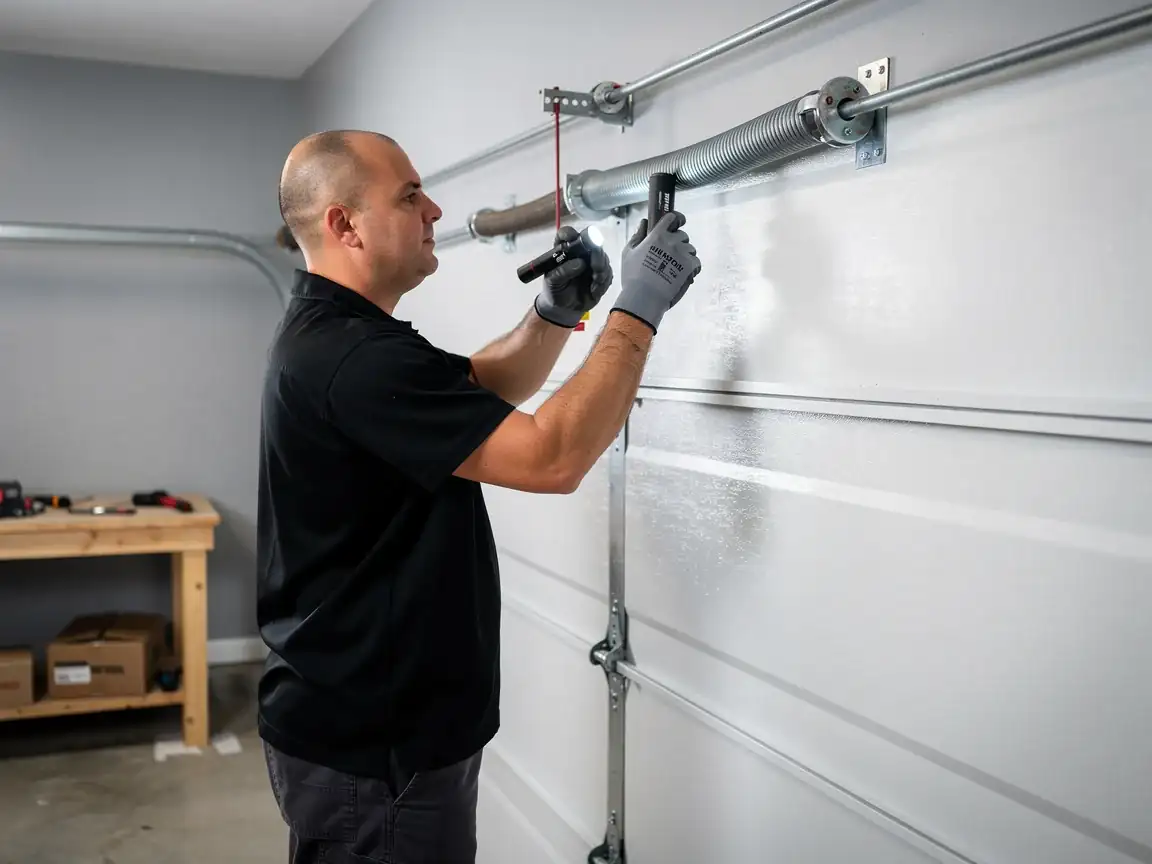
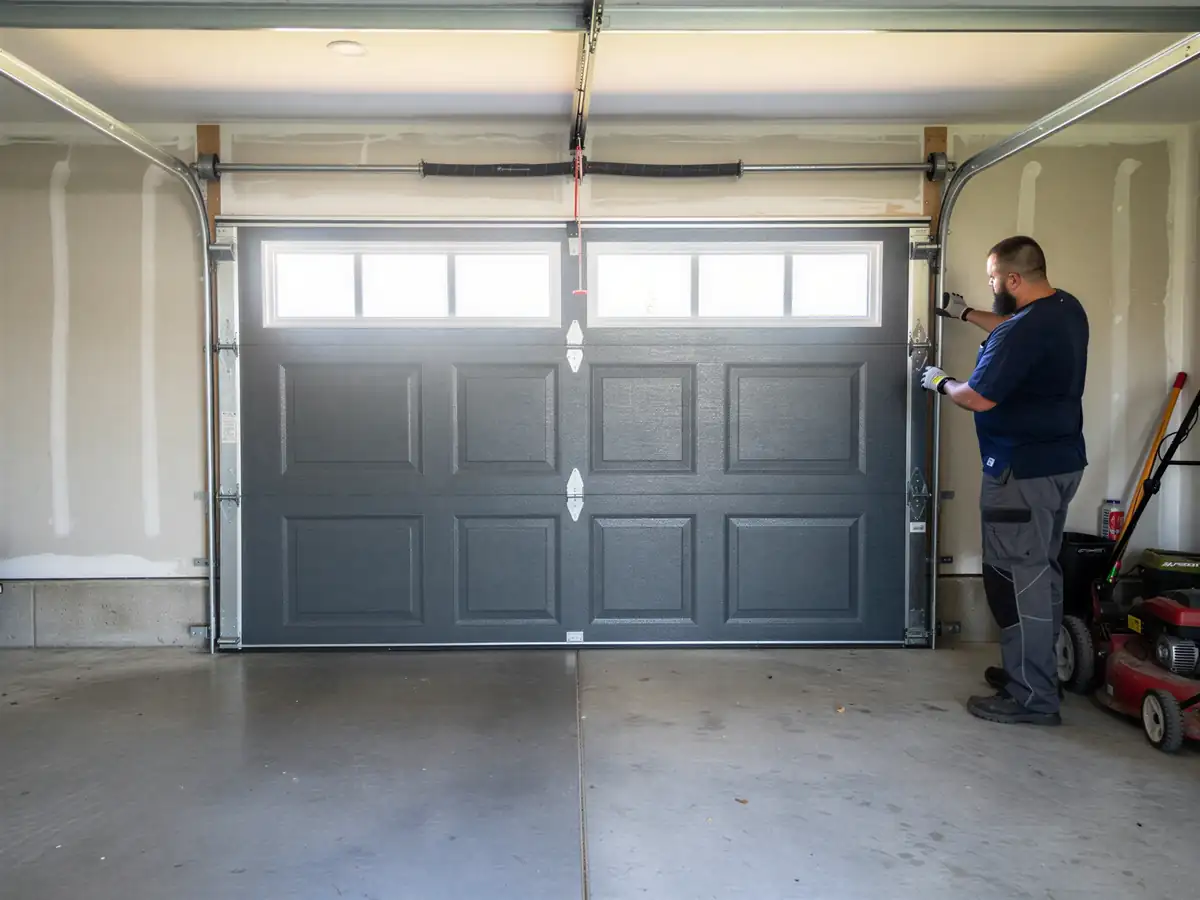
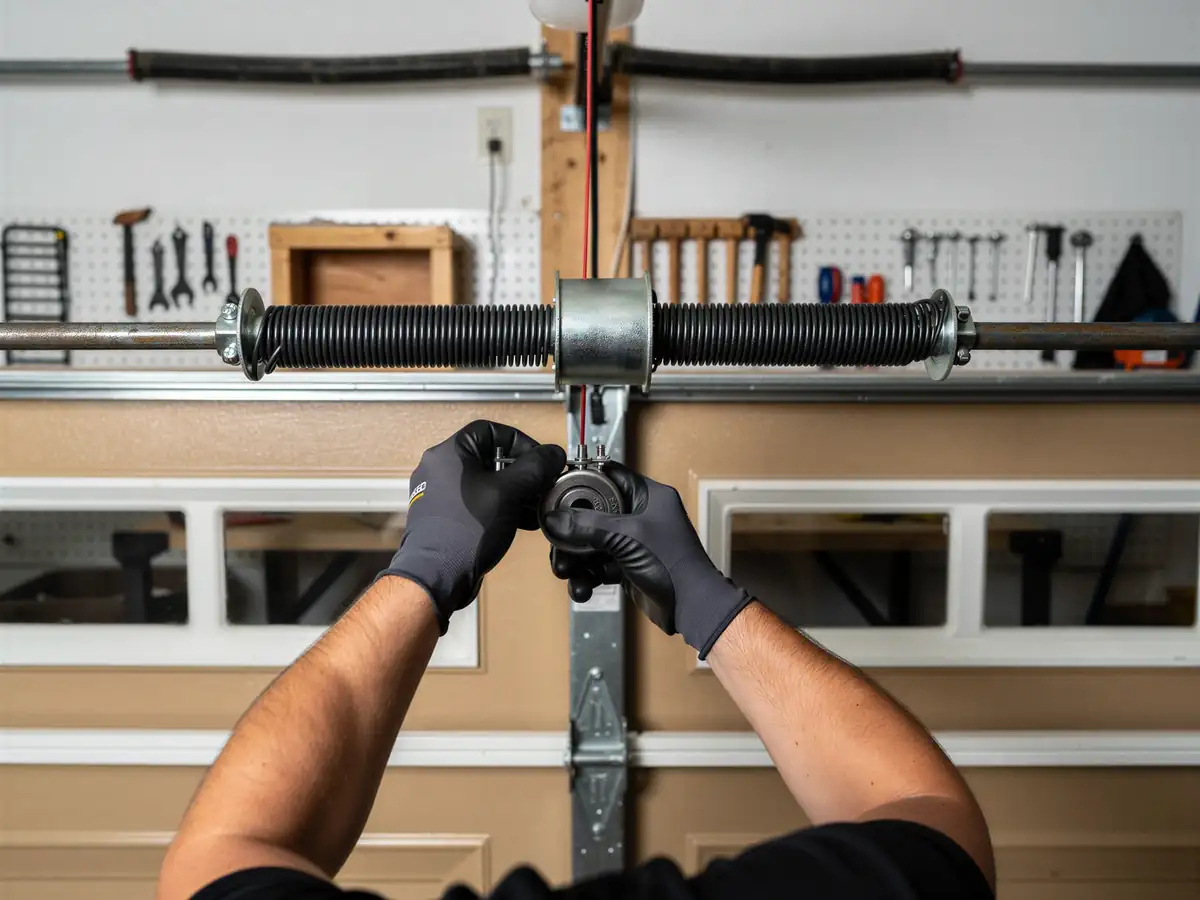
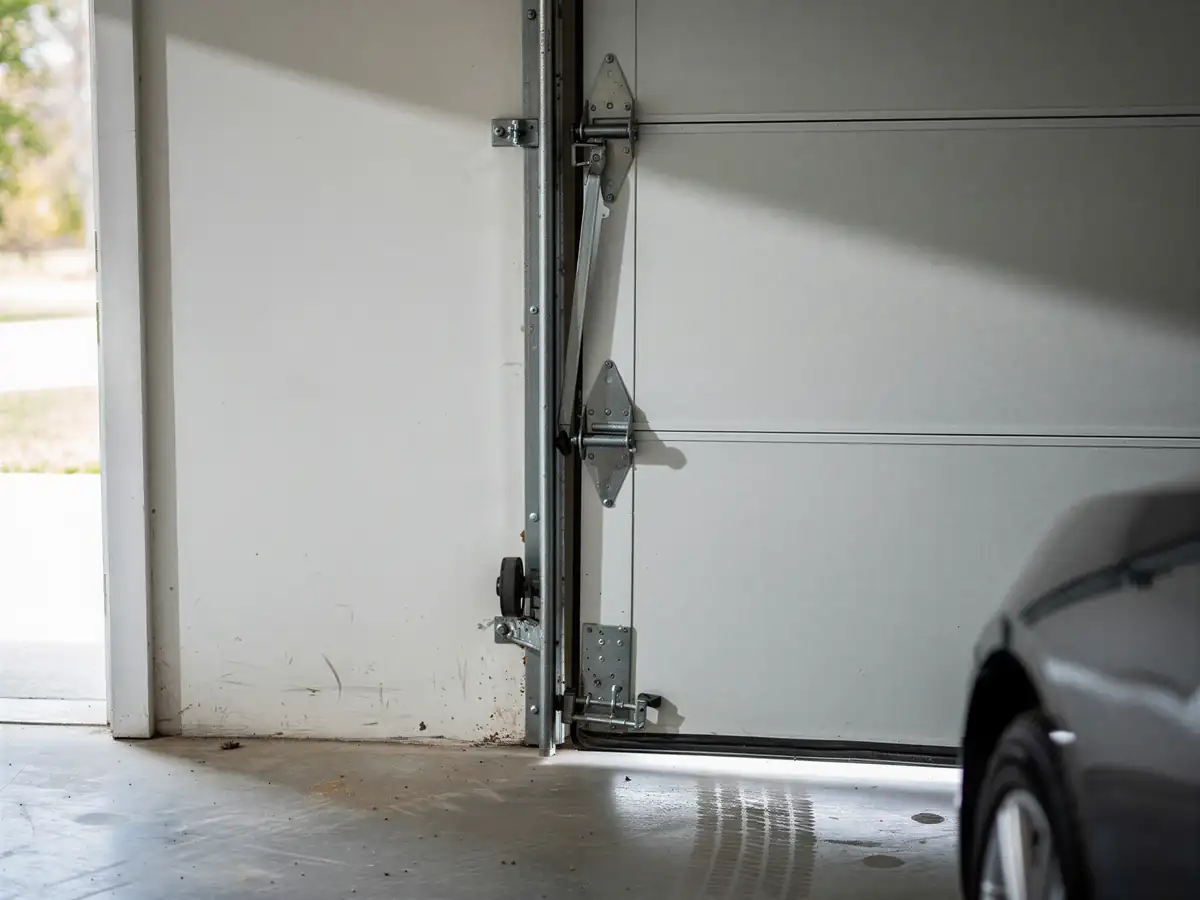
We check the drum or pulley it rides on, since a cable rarely snaps without wearing a groove or chipping a pulley wheel on its way out. We also look at the bottom bracket and the roller it sits near, because that's the spot that takes the most abuse on an extension-spring door.
Shepherd and the rest of this area sit in a cold climate zone with real winter severity
And cold cable steel loses some flex - it's stiffer, more likely to kink instead of bend when it's binding on a dry pulley. So part of the job is checking lubrication and making sure the replacement cable is rated for the spring weight on your specific door, not just a generic length off the shelf. We match both cables on a two-cable door even if only one broke, since the other side is usually close behind it on the same wear clock.
Doing It Yourself
A cable job sounds simple until you remember the springs on either side of it are holding real tension - enough to put someone in the ER if a wrench slips. We won't walk you through releasing that tension yourself. If the door is down and the opener won't lift it, leave it down, keep the area clear, and call rather than try to free the cable off a jammed drum.
What you can safely check before calling: whether the cable is visibly frayed versus fully separated, and whether both sides look even or one side is sagging. That tells us whether to bring one cable or a pair, and it's the kind of detail that speeds up a trip from Billings instead of us showing up short a part.
Where This Job Goes Sideways
The honest limitation here: if your door is original to a 1988 build and the drums, pulleys, or track brackets are worn out alongside the cable, we may tell you the repair isn't worth doing piecemeal. Patching a cable onto hardware that's thirty-five years old and already pitted just means we're back out here in a year for the next failed part. We'd rather say that up front than sell you a cable swap that doesn't hold.
The other place this goes sideways is winter calls where the door's been forced open or closed while binding on the bad cable - that usually bends the track, and now it's not a cable job anymore, it's a track and cable job. Letting it sit stuck rather than forcing it is the cheaper outcome almost every time.