Booking a Visit
We don't keep a branch in Shepherd - we run the truck out from Billings, about 15 miles in. That means we schedule by route rather than by the hour, so when you call, ask what window we can give you for that side of the county rather than assuming same-morning. Shepherd is a small place, 261 households by our count, and we don't get out there every day the way we do inside Billings proper. That's not a knock on the town, it's just the math of covering a service area this size with one crew on any given day. If the job is a safety issue - a door stuck half open, a spring that's let go and dropped the door - say so when you call, because that does change where we slot you in.
The Symptom
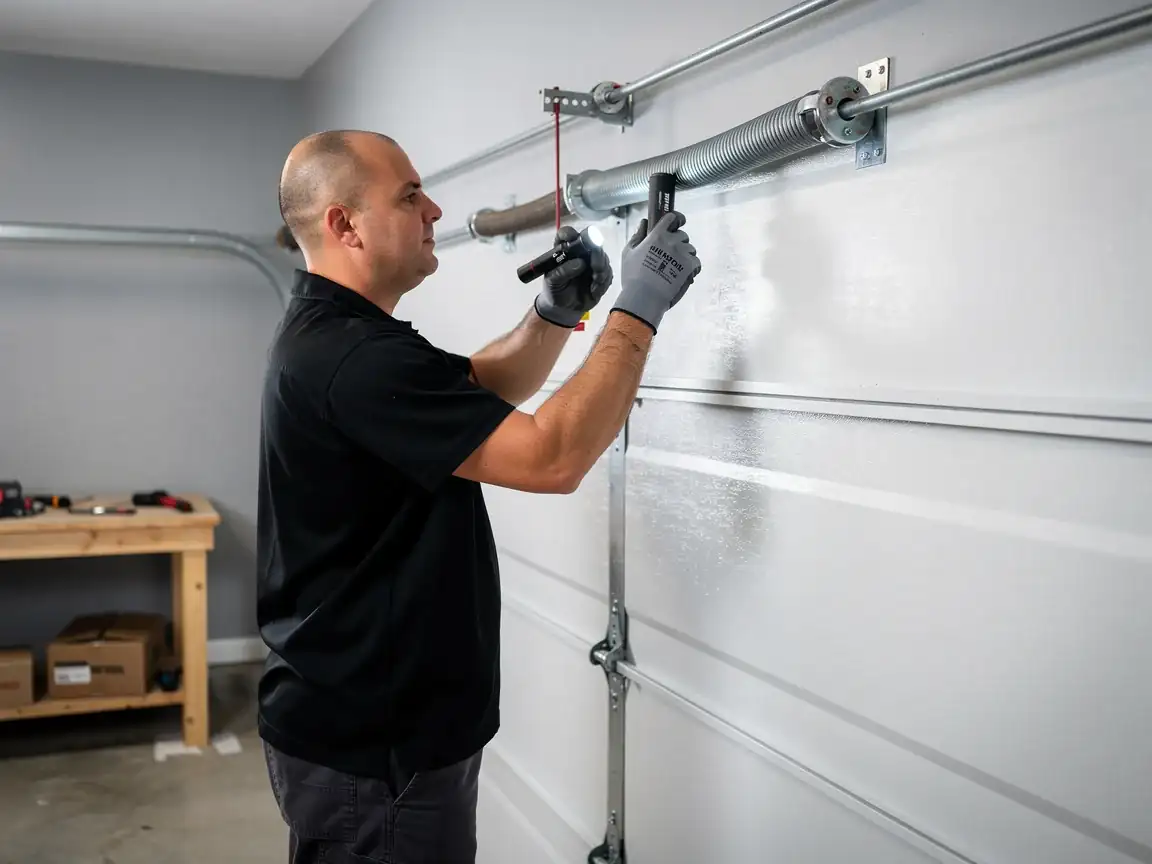
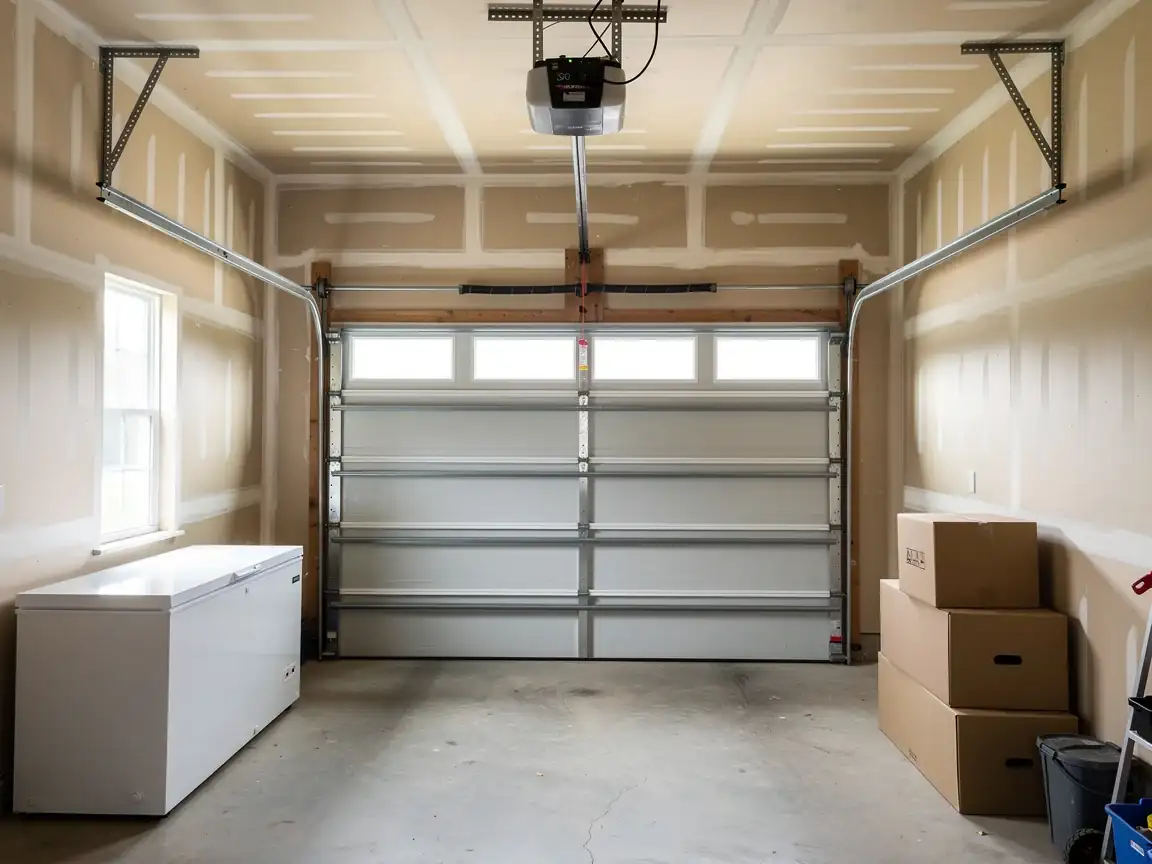
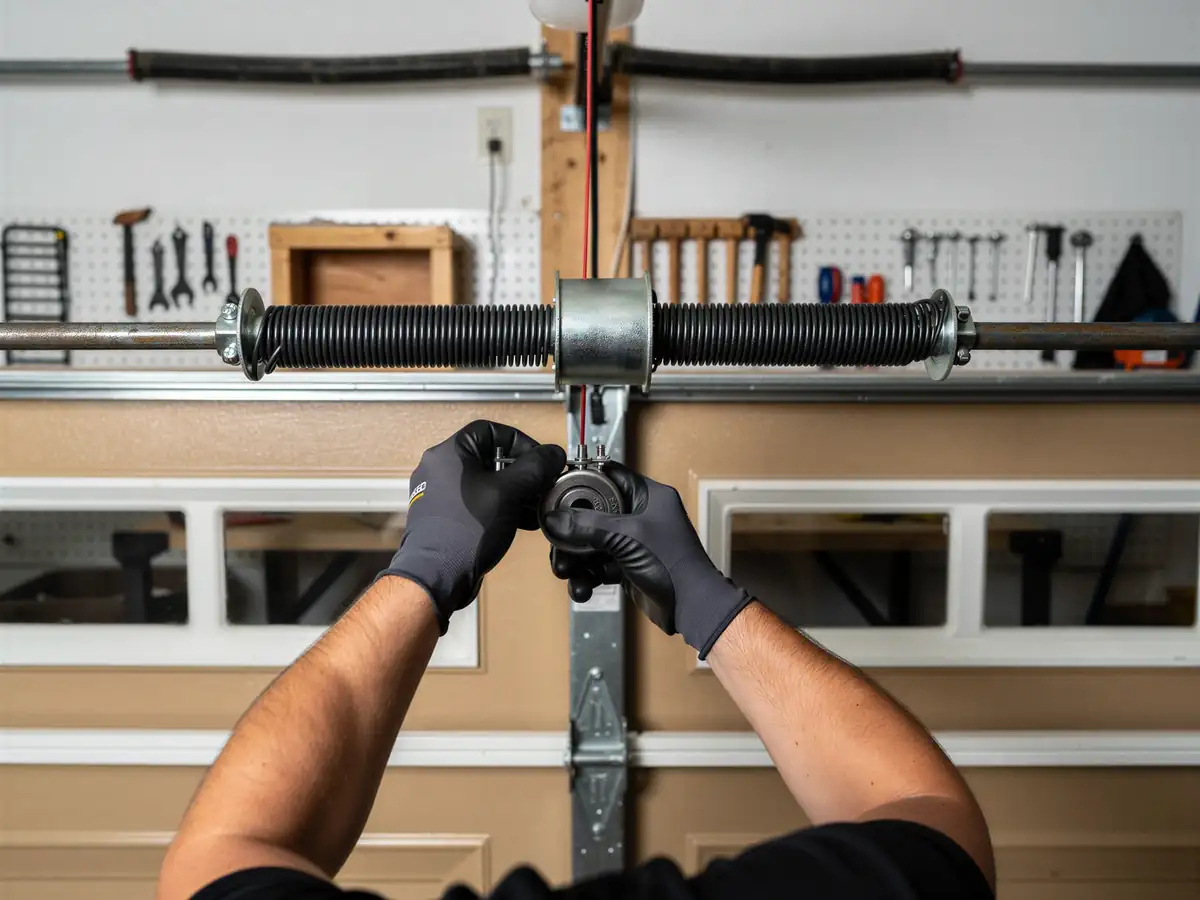
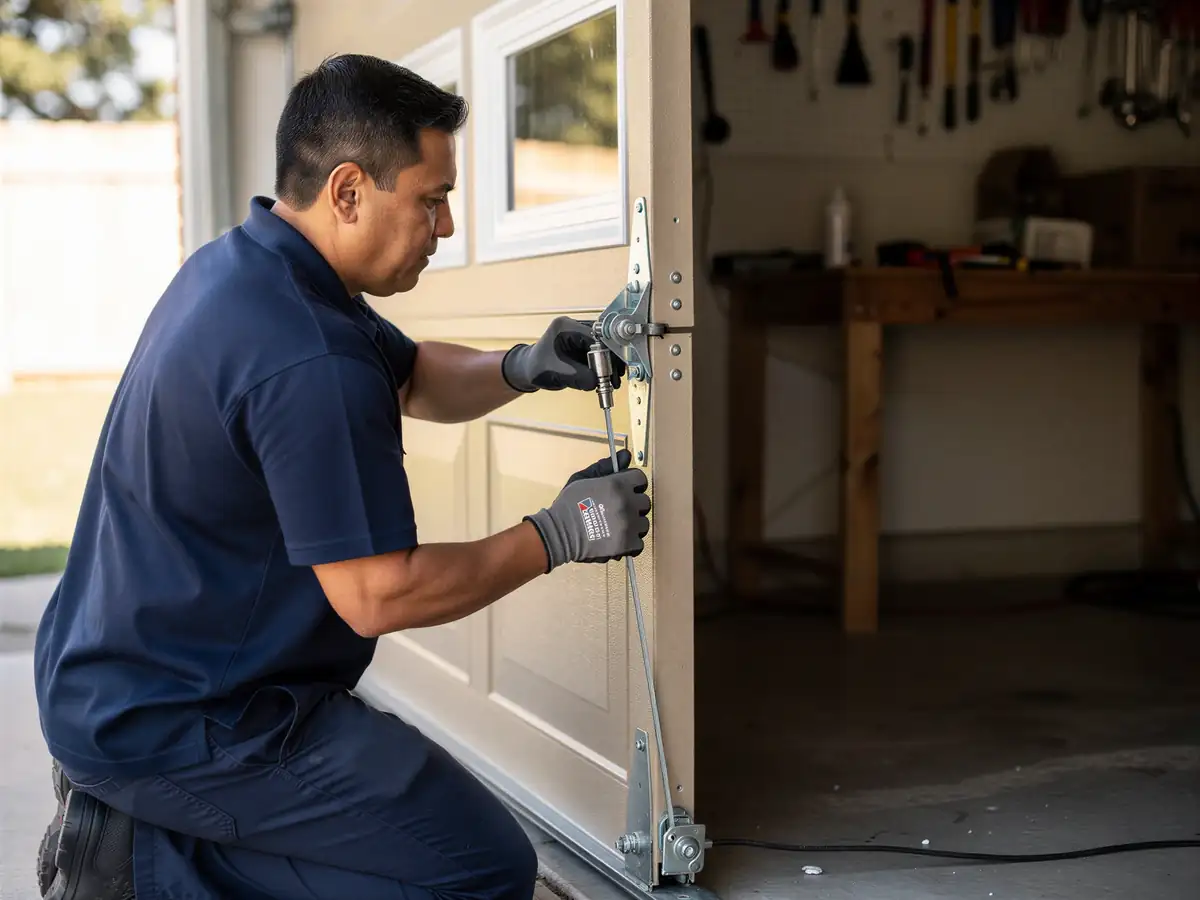
The median home out here was built around 1988, which puts most garage doors and their hardware right at the end of their realistic service life. Springs rated for roughly 10,000 cycles start giving out in year 25 to 30 regardless of maintenance, and a door built in the late '80s has had three decades of Montana winters doing extra work on top of that. What we see most from houses this age: torsion springs that finally snap rather than just sag, galvanized cable fraying where it wraps the drum, and openers from that same era with worn nylon gears that strip under cold-stiffened grease. The severe winters here (this whole service area sits in a cold, high-stress climate band) make lubricant thicken and metal more brittle right when the door's already working harder to seal against the weather. None of that is unique to one house - it's what you'd expect across a neighborhood that mostly went up in the same five-year stretch.
Doing It Yourself
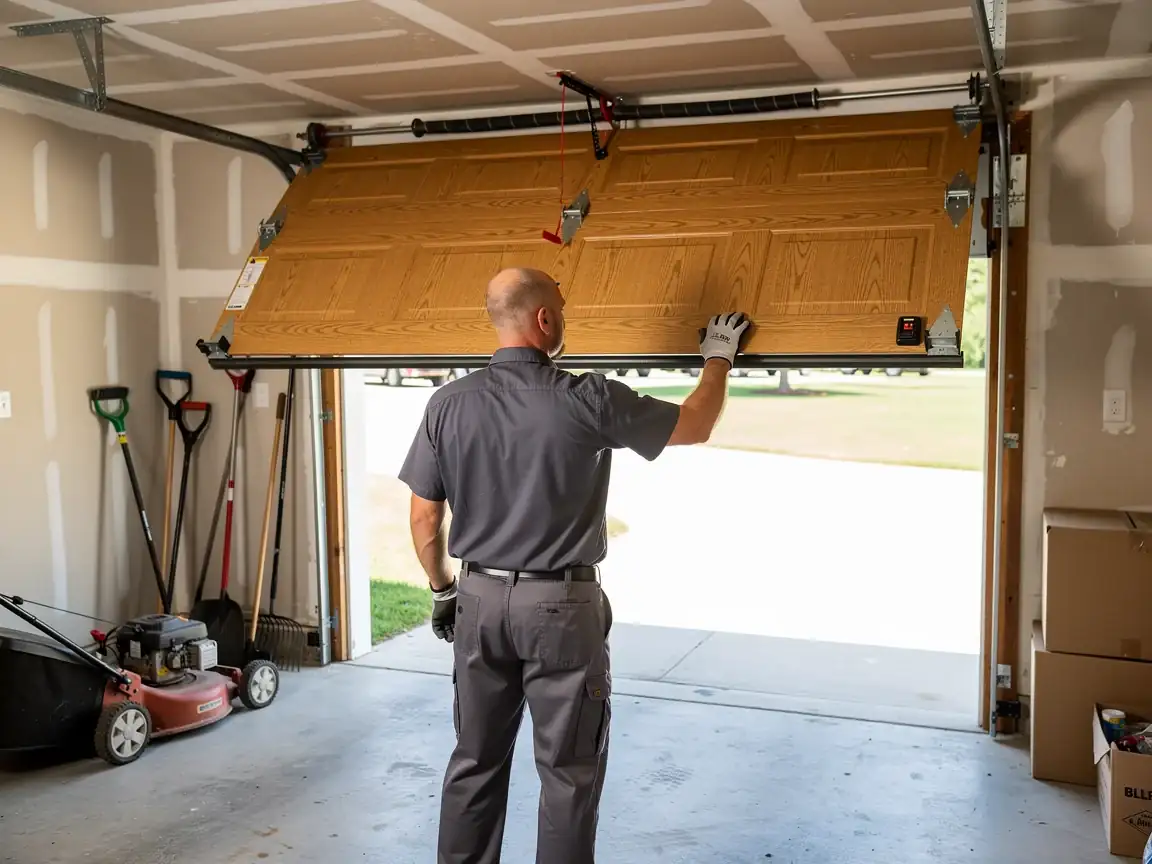
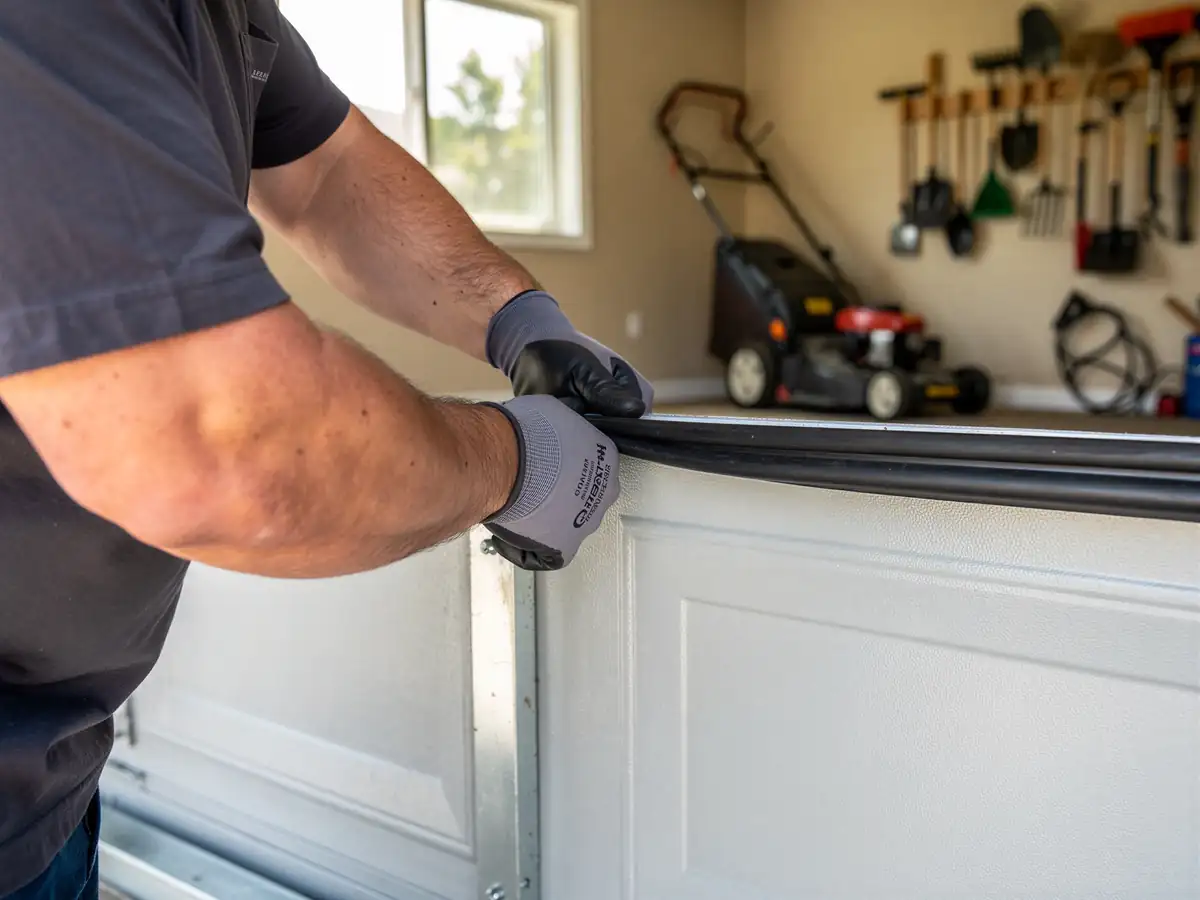
Weatherstripping, tightening loose hinge bolts, and lubricating rollers and hinges are all fair DIY work, and worth doing before winter sets in hard. Torsion springs are not. They're under enough stored tension to break a wrist or worse if the winding bar slips, and on a door built in the late '80s the hardware holding that tension has had 35-plus years to corrode or loosen in ways you can't always see from the garage floor. If you're on a fixed or modest income and tempted to save the service call, know that a trip for a bent winding cone or a dropped door from a DIY attempt costs more than the original job would have.
Where This Job Goes Sideways
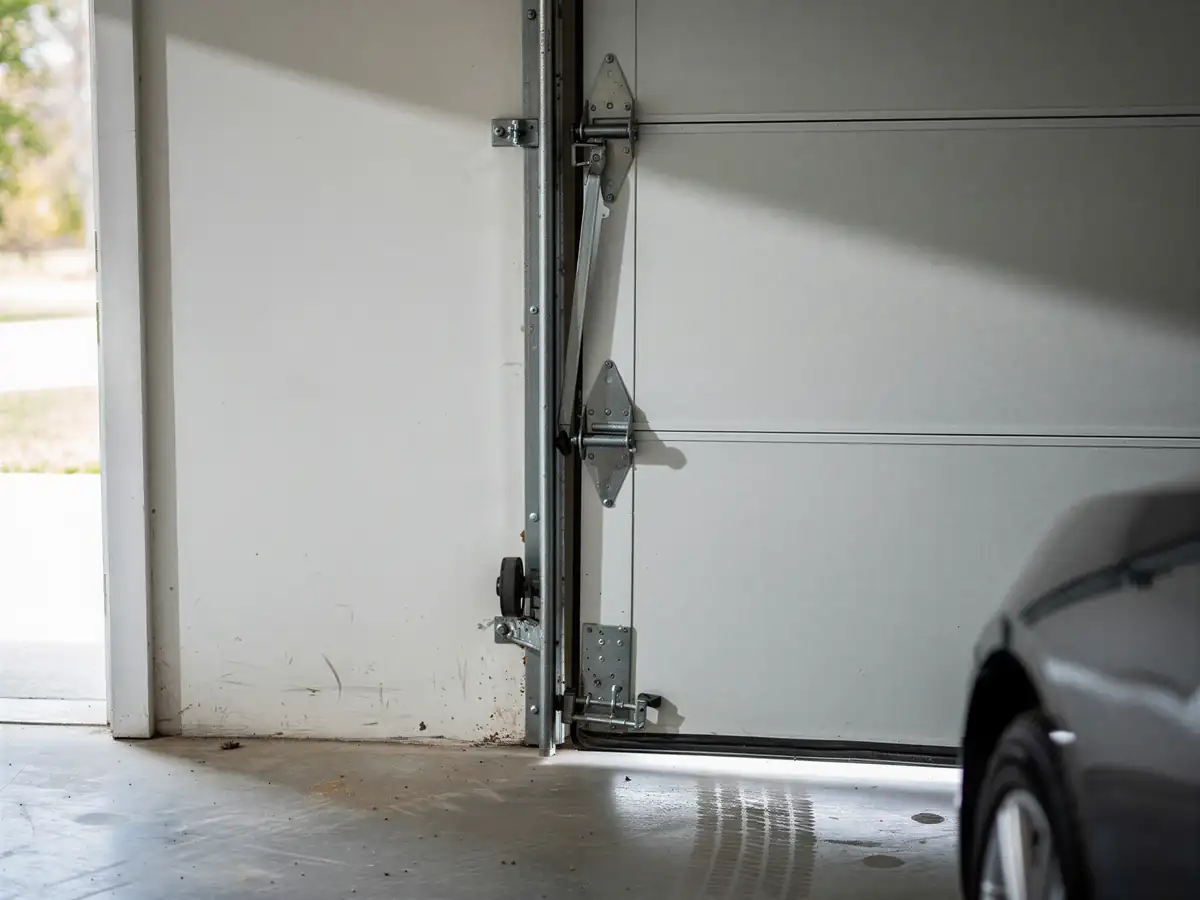
Across the service area the median household income runs around $74,451, which is the number that usually decides repair versus replace for a homeowner in Shepherd. A spring and cable repair on a sound 1988 door almost always pencils out below that line. Where it stops making sense is when the door itself - the panels, the track, the frame - has warped or rusted past square, which happens more on doors that sat unheated and unmaintained through a few decades of hard winters. At that point you're not fixing a door, you're patching one, and we'll tell you that straight rather than keep billing you for parts that won't hold. The other place this goes sideways: openers old enough that the manufacturer's stopped making the logic board. We can sometimes retrofit a new opener to the existing rail and track, but if the track itself is bent, that's a bigger job than the phone call that started it.