Booking a Visit
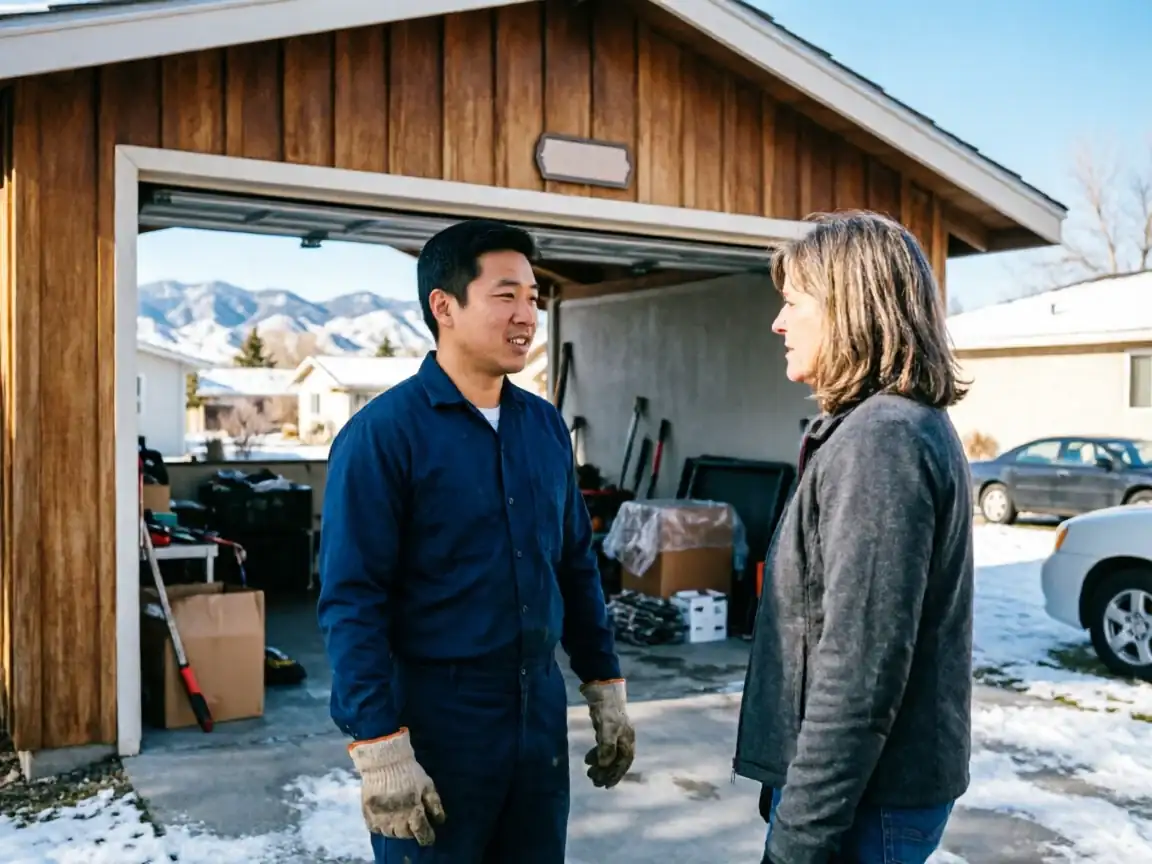
Shepherd sits about 15 miles from our shop in Billings, which changes how a spring call here actually works compared to a job across town. We don't keep a crew stationed out this way, so when you call, we're building the drive into the schedule, not squeezing in a quick stop between two Billings addresses. That means we ask more up front on the phone: what the spring looks like, whether the door is stuck up or down, whether it's a single torsion spring or a pair. The more you can tell us before the truck leaves, the less likely we show up needing a part we didn't bring. With only about 261 households in Shepherd, we're not running back and forth daily, so we try to get it right in one trip - which starts with us knowing what we're walking into before we knock on the door.
The Symptom
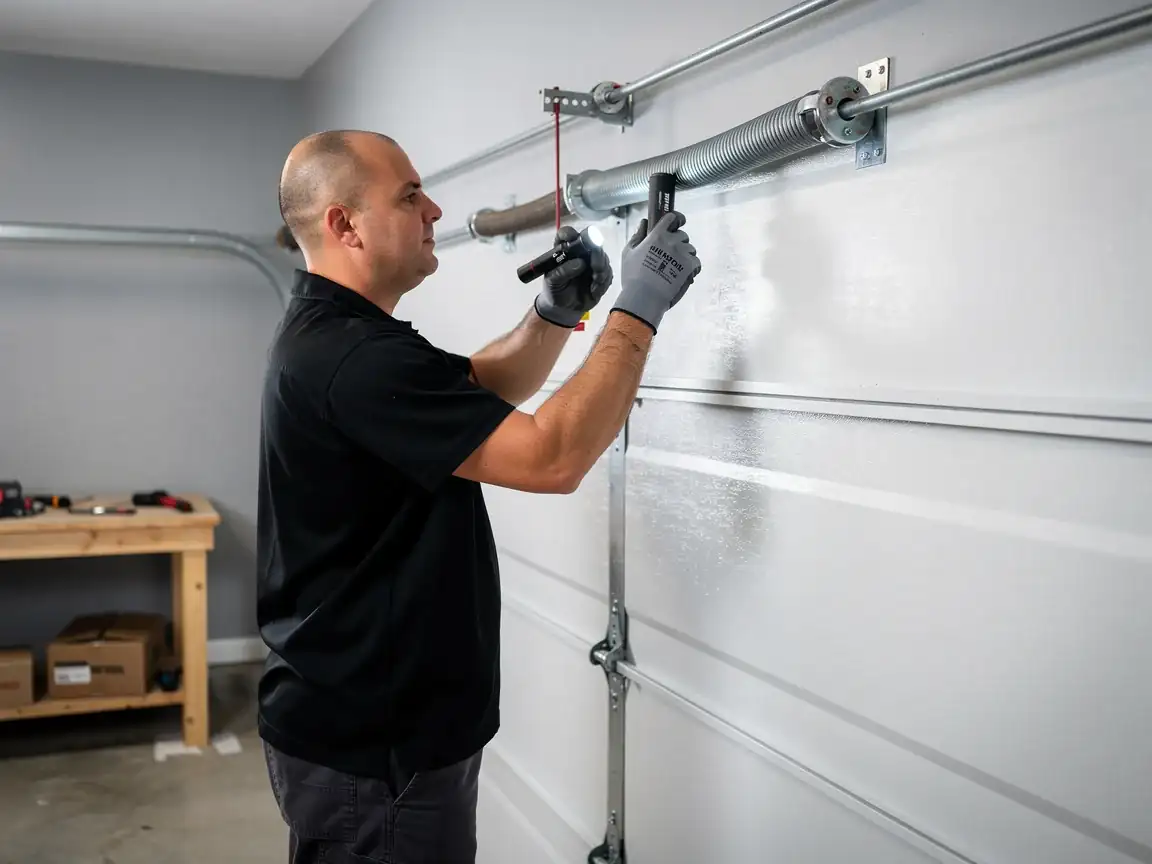
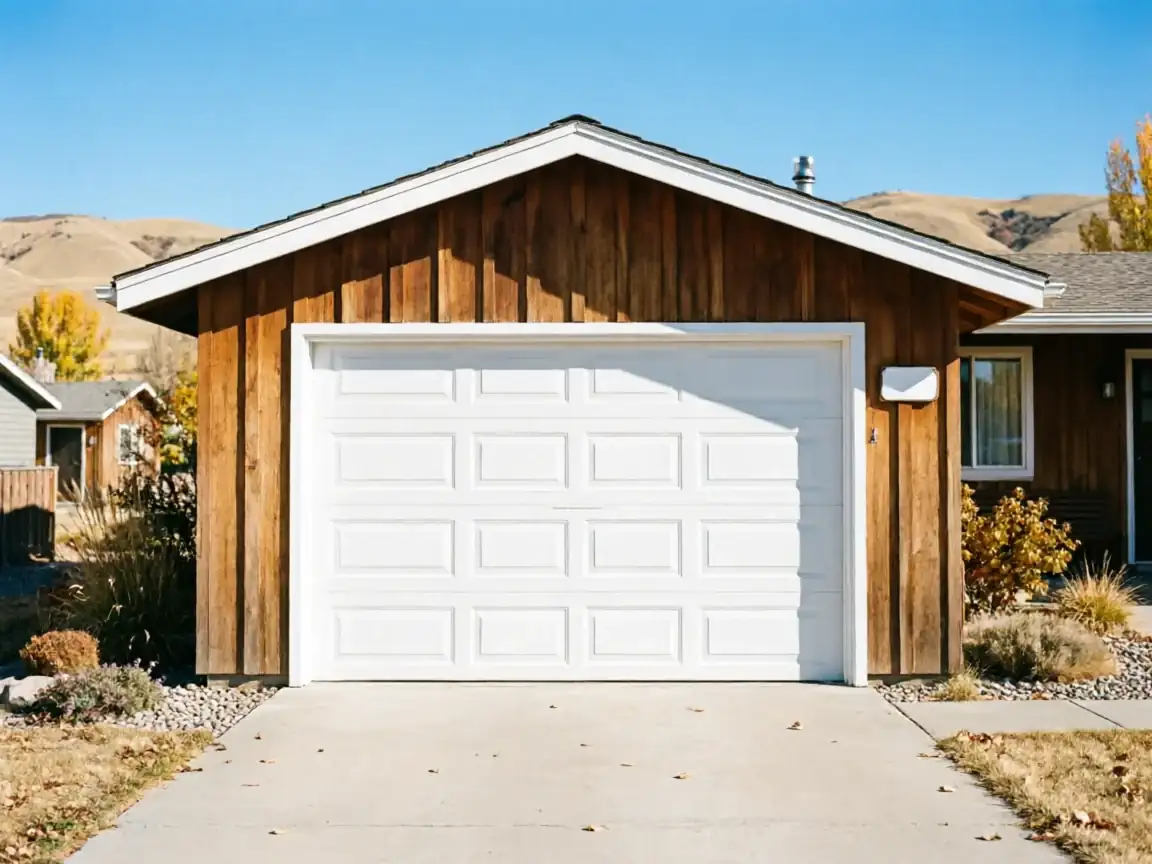
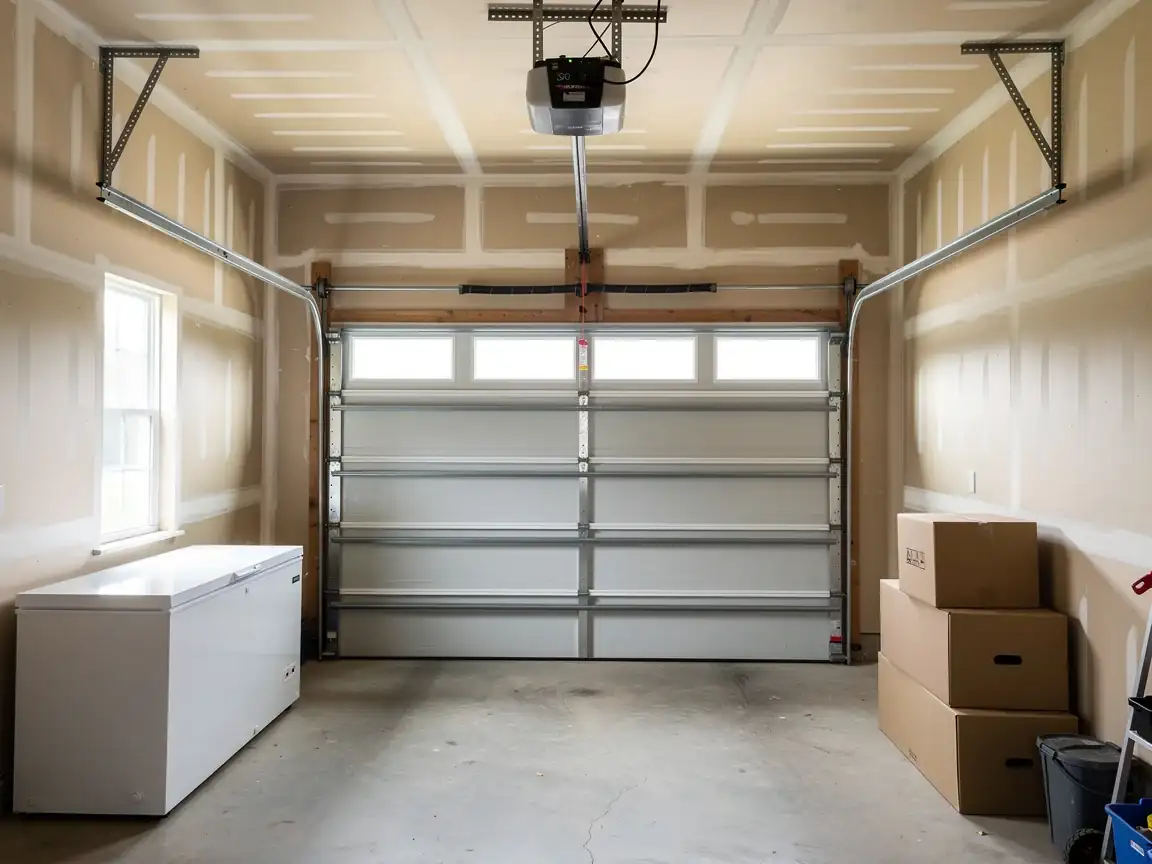
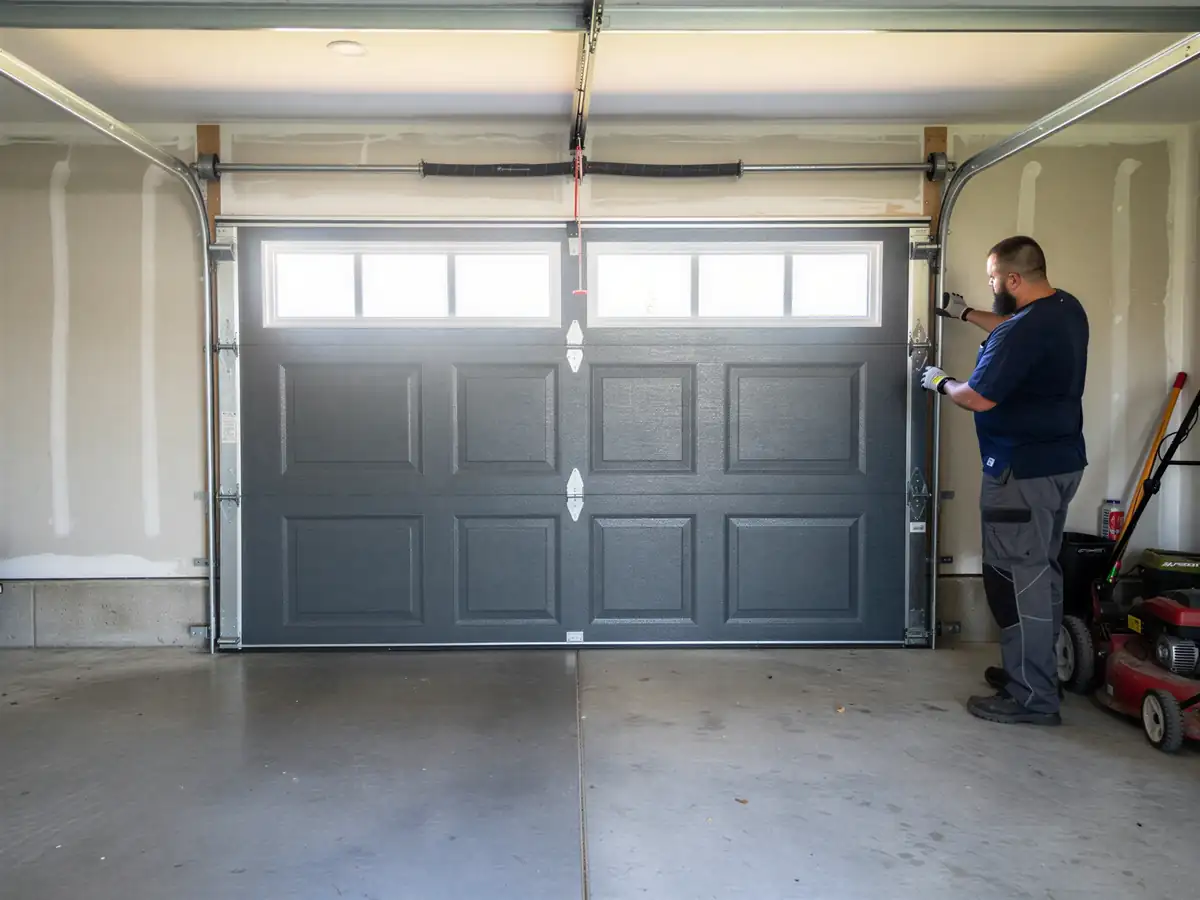
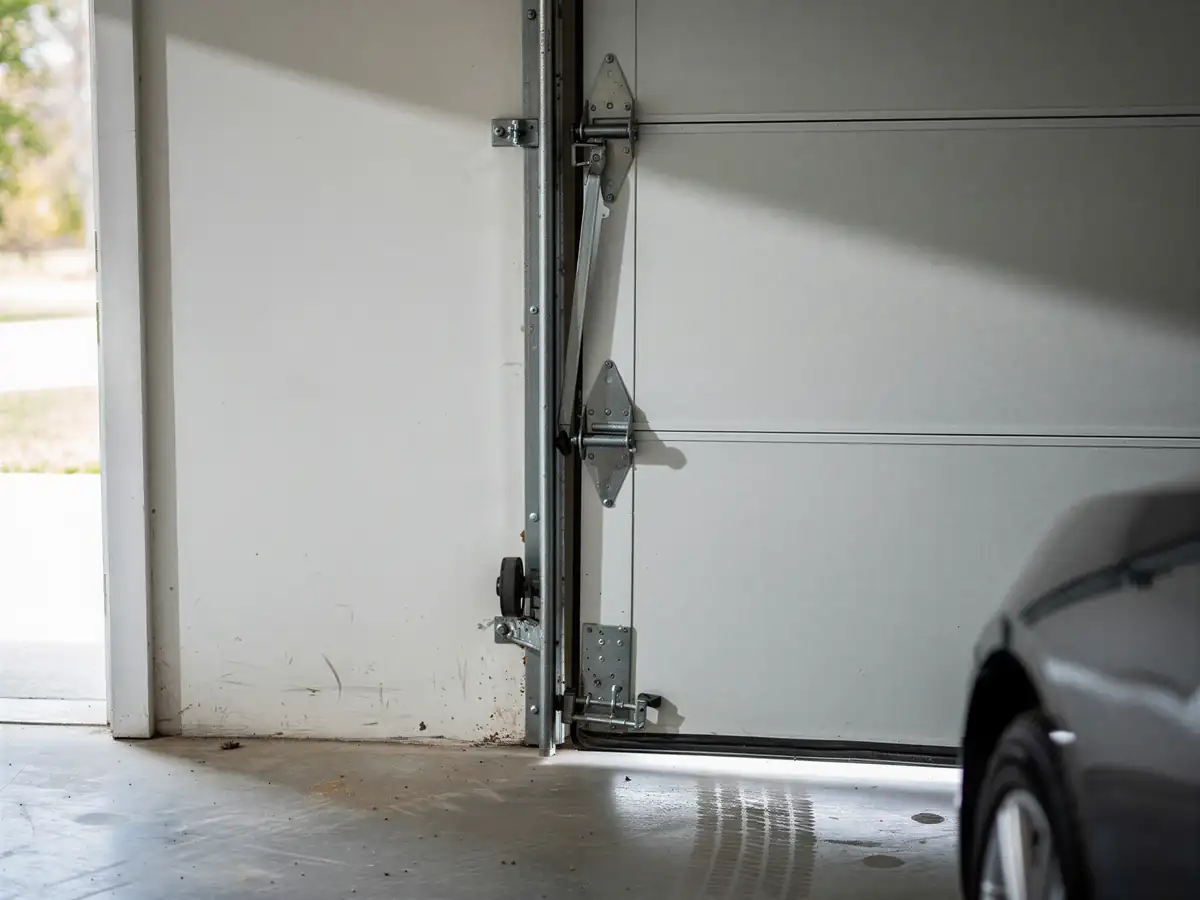
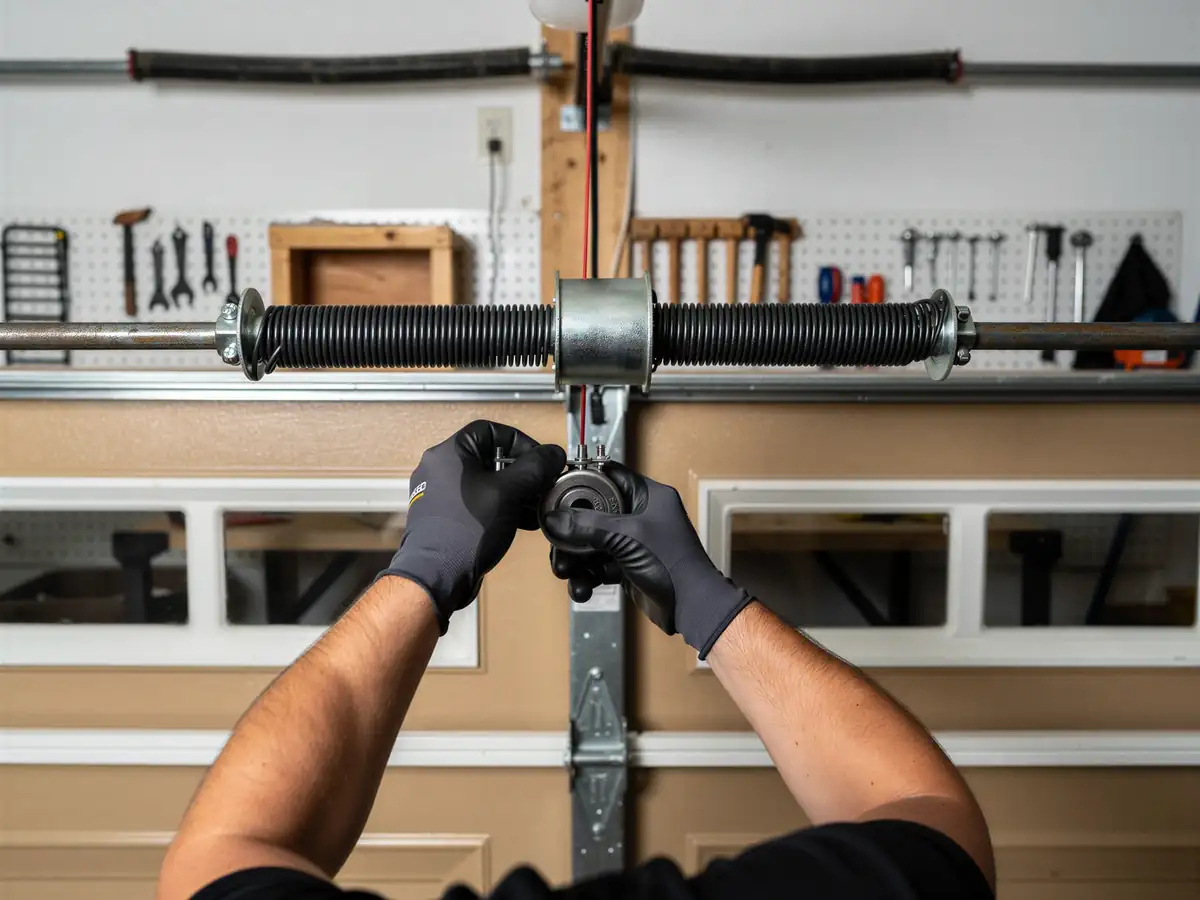
Most of what we see in Shepherd traces back to a torsion spring that's done its cycle count, usually with a loud bang and a door that won't lift, or lifts an inch and stops. Housing here mostly went up around 1988, which puts a lot of these garages into their third or fourth decade on the original spring - springs are rated in cycles, not years, but a 35-year-old spring has almost always used up its life whether the door gets worked hard or not. You'll also hear a spring that's about to go before it fully breaks: a grinding or ticking noise on the way up, a door that feels heavier than it used to, cables that look a little slack at the bottom bracket. In a cold-climate town like this, metal fatigue doesn't wait for summer - a spring under tension that's already near the end of its life is more likely to snap on a sub-zero morning when the steel is stiffer and less forgiving.
Doing It Yourself
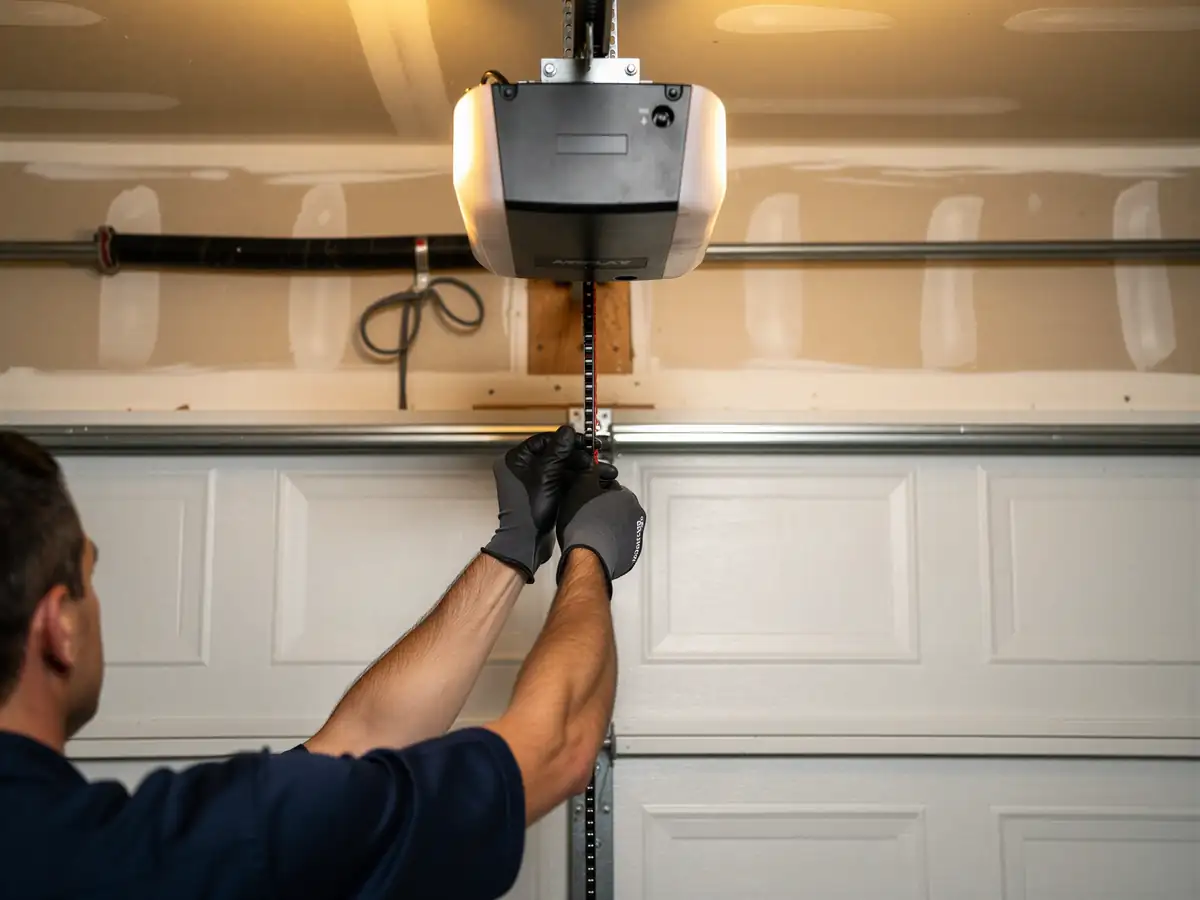
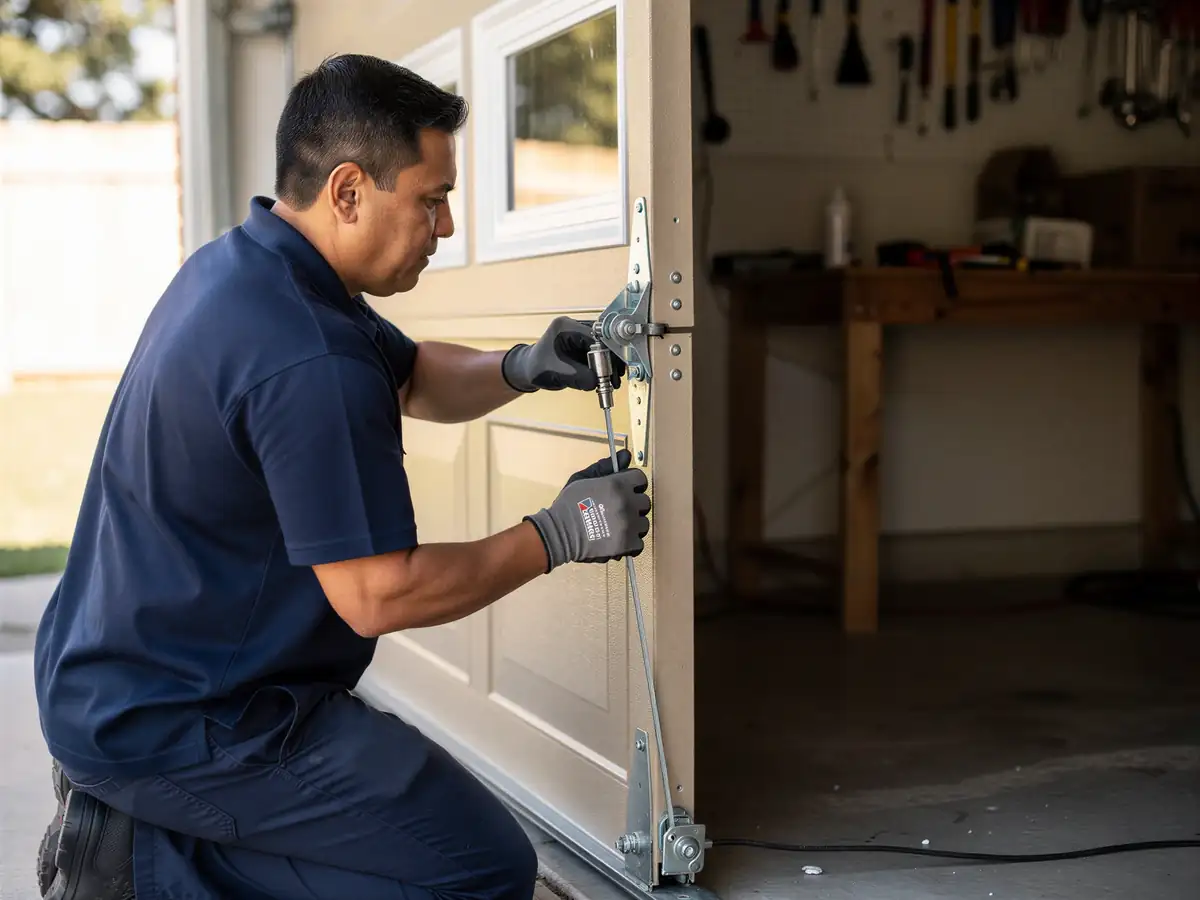
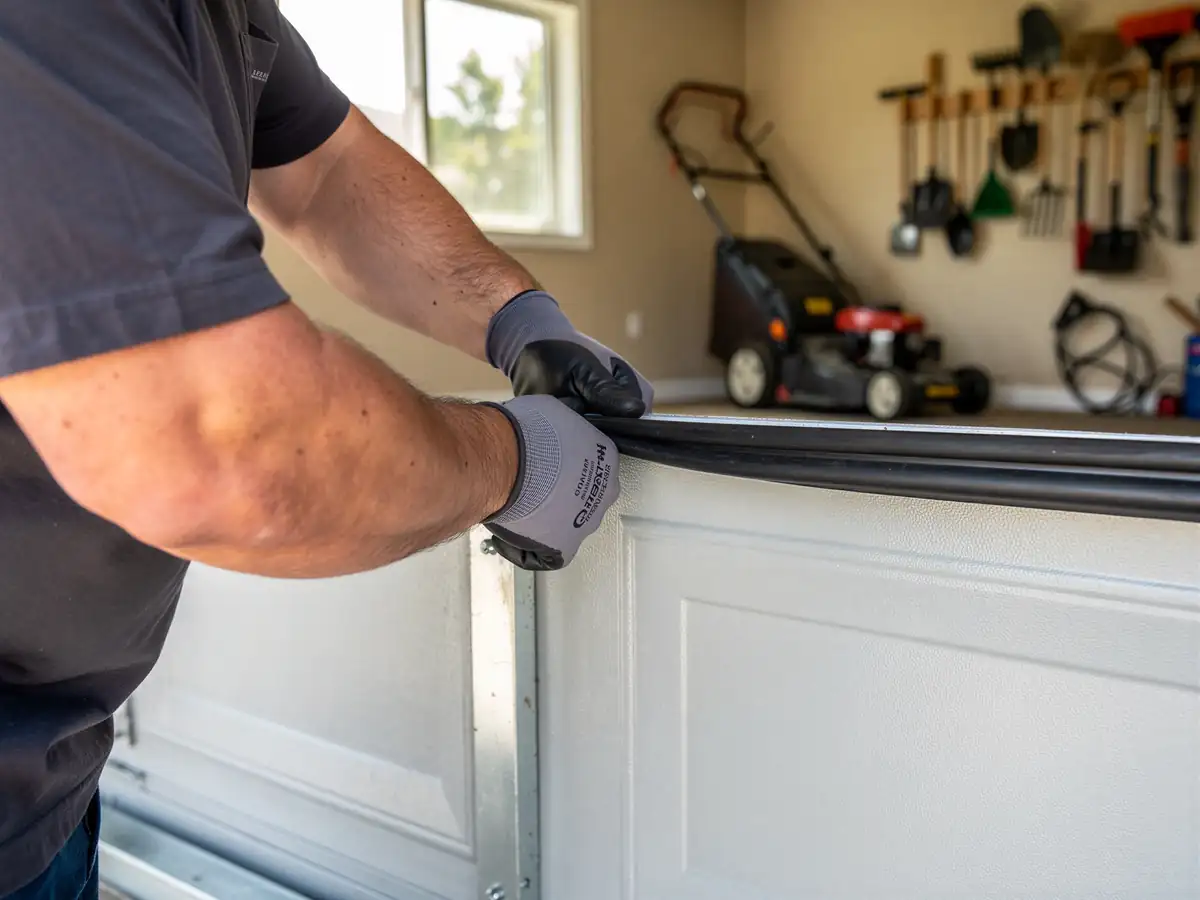
A torsion spring is under enough stored tension to break a bone or worse if the winding bars slip, and we'd rather tell you that plainly than have you find out the hard way. Checking the spring - looking for a visible gap in the coil, listening for noise, watching how the door moves - costs you nothing and is worth doing yourself. Setting the winding cones and unwinding the old spring is not a one-person job with hand tools and a stepladder. If you're comfortable with a wrench, you can safely tighten loose hardware on the track brackets or lubricate hinges and rollers, which won't fix a broken spring but keeps the rest of the door from wearing out faster while you wait for the call.
Where This Job Goes Sideways
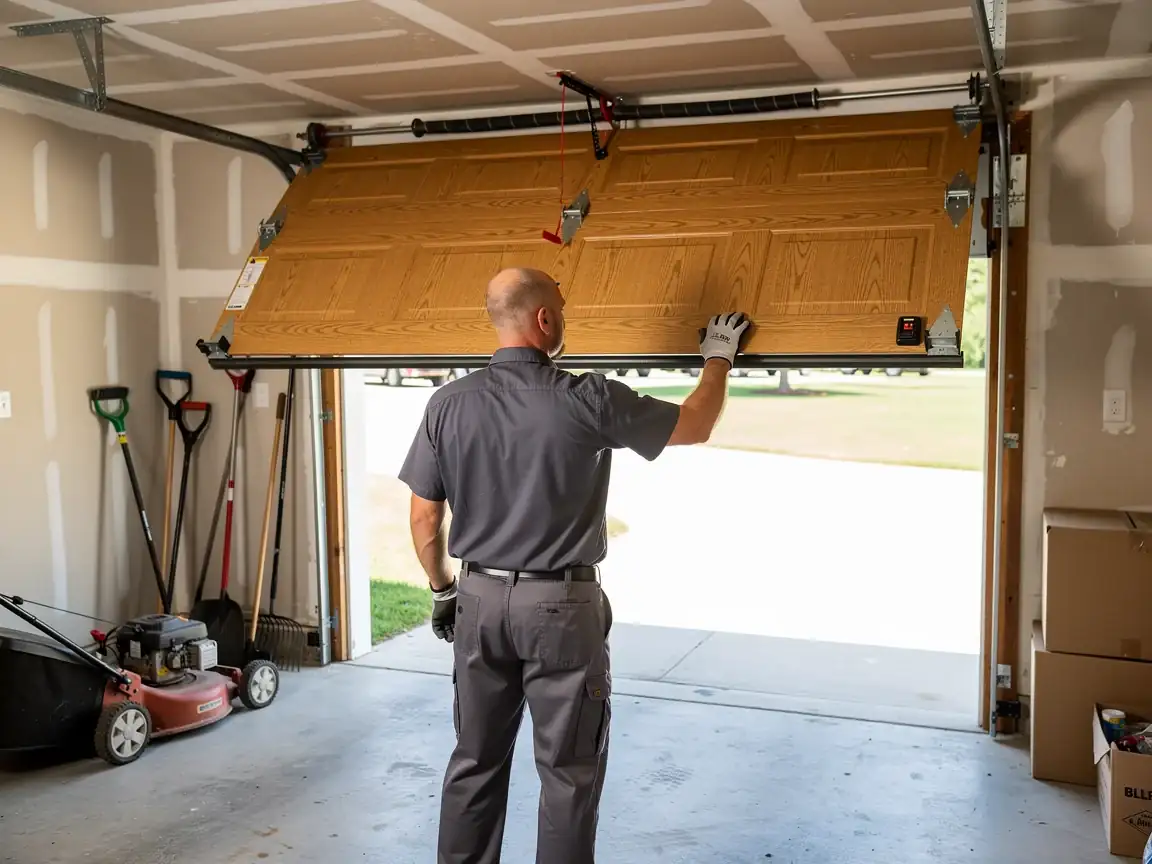
The trouble spot on older Shepherd doors is usually the drum or cable setup that was never upgraded alongside the spring - someone replaces the spring over the years but leaves the original cables and drums from 1988, and the mismatch puts uneven tension on one side of the door. We've also run into openers that were wired straight into the old spring-and-pulley assumption, so swapping the spring without checking the opener's force setting leaves you with a door that reverses on its own or slams down. Our limitation here is straightforward: we carry standard torsion spring sizes on the truck for a reason - they cover the vast majority of doors from this build era - but if your garage has a non-standard height or an older extension-spring design, we may need to order the part and come back, which can mean a day or two of lead time rather than a same-visit fix.