Booking a Visit
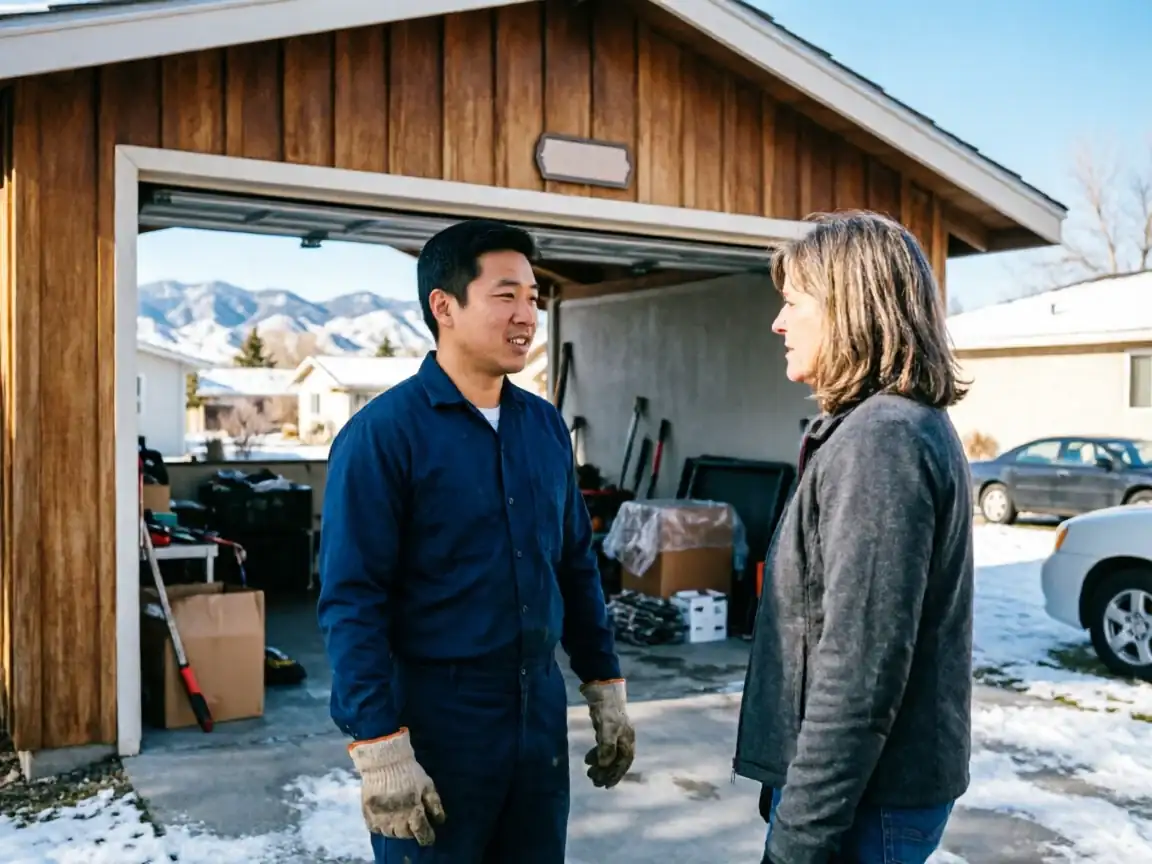
We run out of Billings, about 15 miles southwest, so a maintenance visit to Shepherd gets scheduled as a trip, not a drop-in. That's not a complaint - it just means we plan the route and bring what the job calls for rather than guessing. Because Shepherd is a smaller pocket of the service area, with roughly 261 households, we don't have a crew sitting idle nearby waiting for calls. Book ahead when you can, especially heading into winter, since that's when a worn spring or a dry track turns into a door that won't move at 6am. We don't claim a same-day window out here - the honest answer is we tell you the slot when you call, based on what's already on the truck that day. If you want the broader rundown of what maintenance covers across the whole service area, that's on our main maintenance page; this one is about what we actually find once we're parked in a Shepherd driveway.
We'll ask a few things before we come out - the door's approximate age, whether it's ever been serviced, and what it's doing (slow, loud, off-balance). That lets us load the right springs and rollers instead of making a second trip for a part we didn't bring.
The Symptom
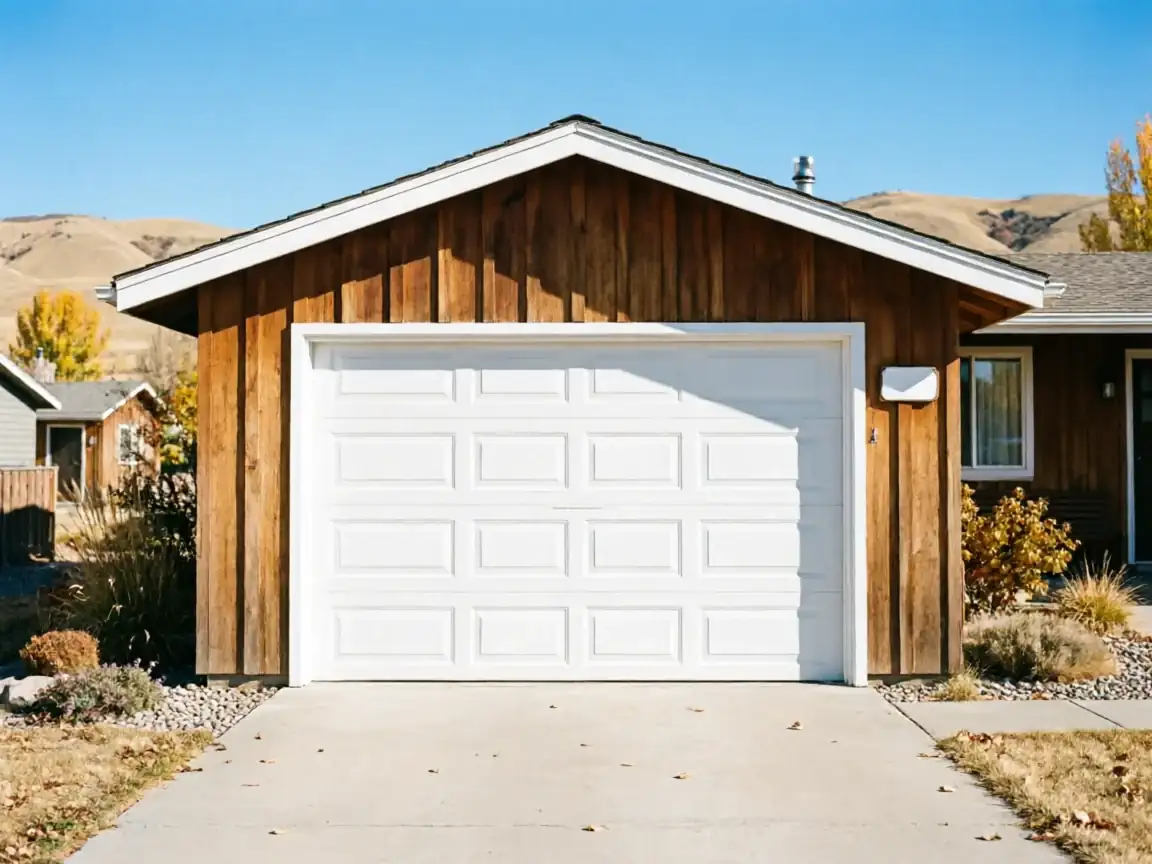
The typical Shepherd house we see was built around 1988, which puts most of this stock into one-car or two-car doors on hardware that's over three decades old. A lot of it has never been touched - same springs, same rollers, sometimes the same cable that went up with the house. The symptom that brings people to the phone is usually a door that's gotten loud, or one side that drops faster than the other when it closes. That second one is a torsion spring losing tension unevenly, and on a door this age, it's not a question of if, it's when.
Our winters here sit in the severe end of the cold band, and cold steel and cold grease don't move the way warm ones do. A spring that's been quietly weakening for years will often finally let go on the first hard cold snap of the season - the extra resistance from stiff lubricant and contracted metal is what finishes it off. If your door has been making a new noise since the temperature dropped, that's not a coincidence, that's the hardware telling you it's near the end of its working life.
What the Fix Involves
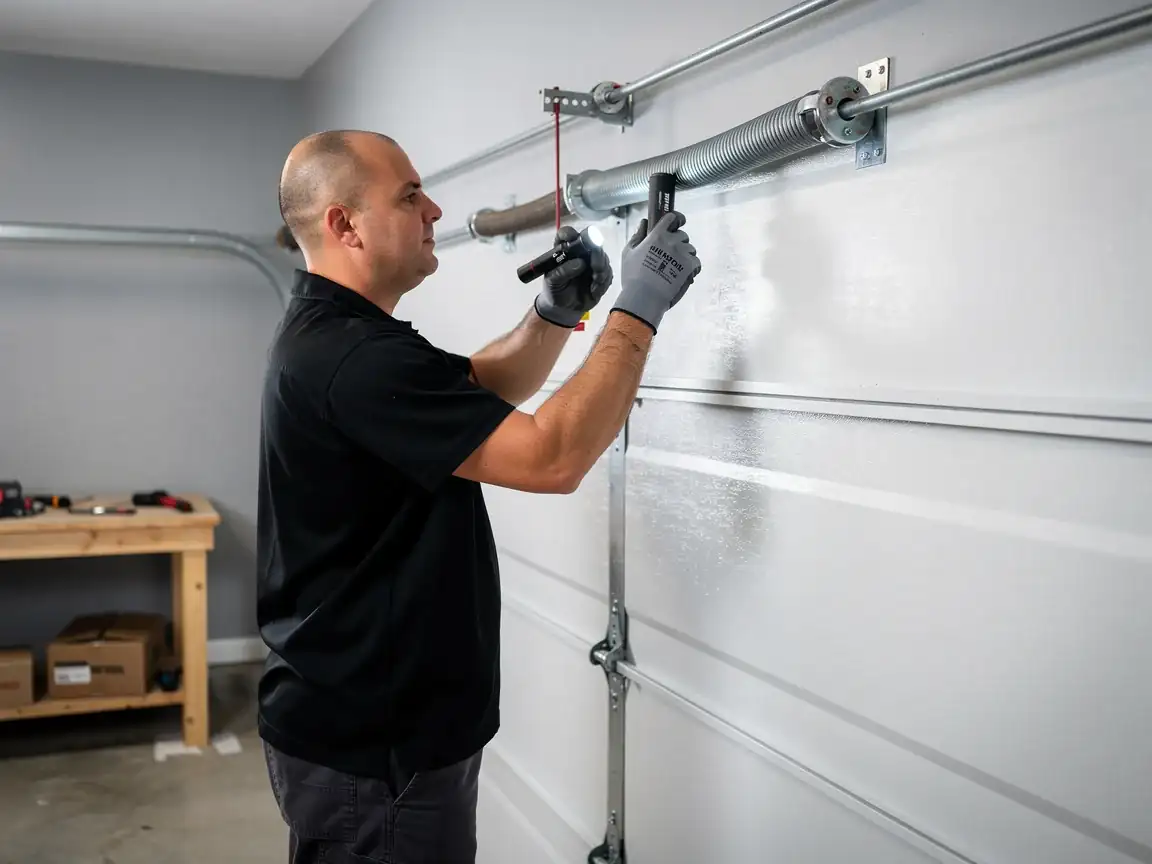
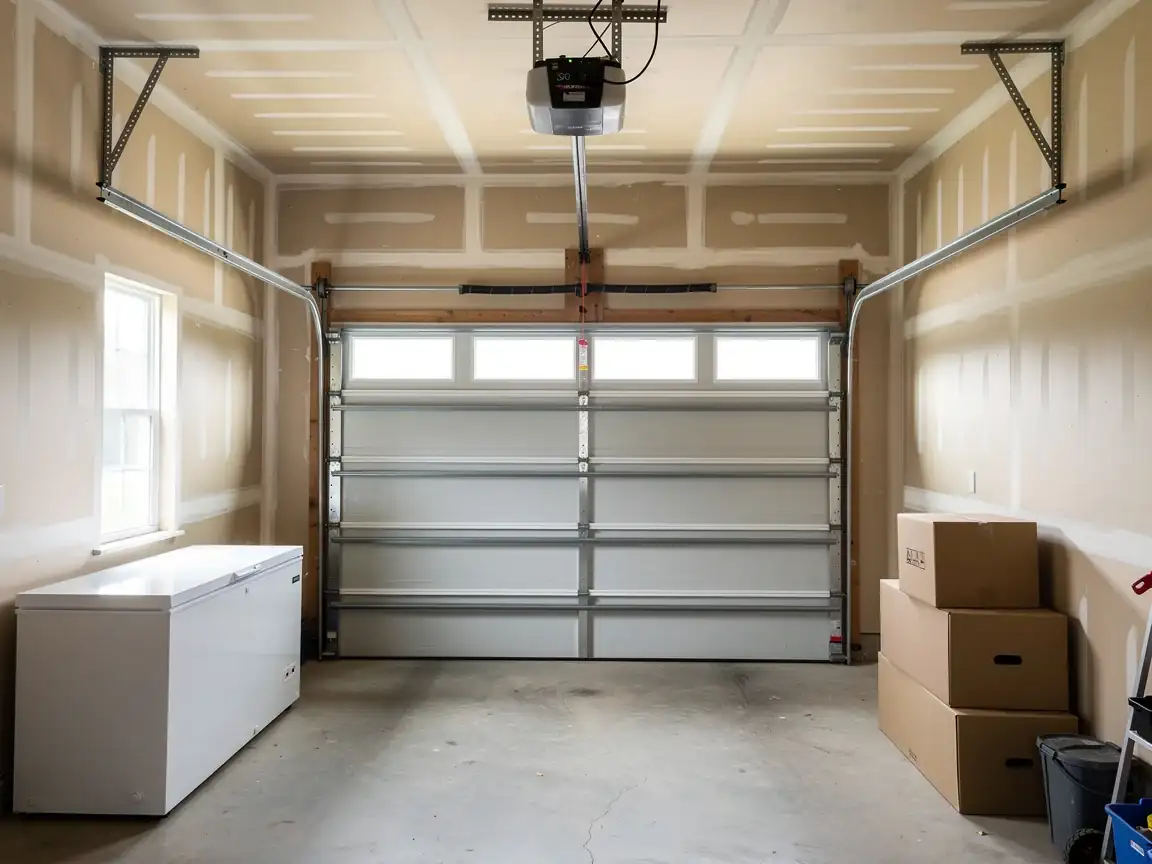
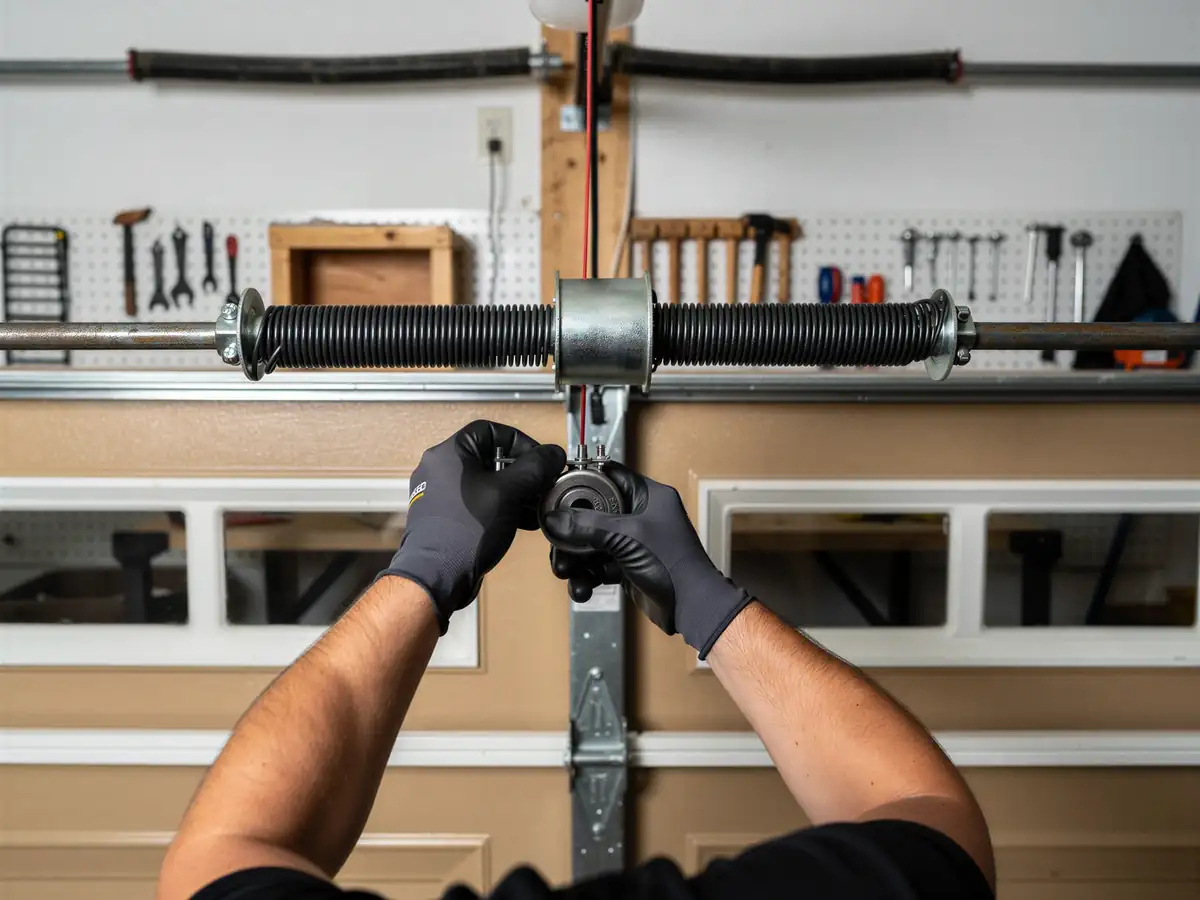
A maintenance visit on a house from this era starts with the springs
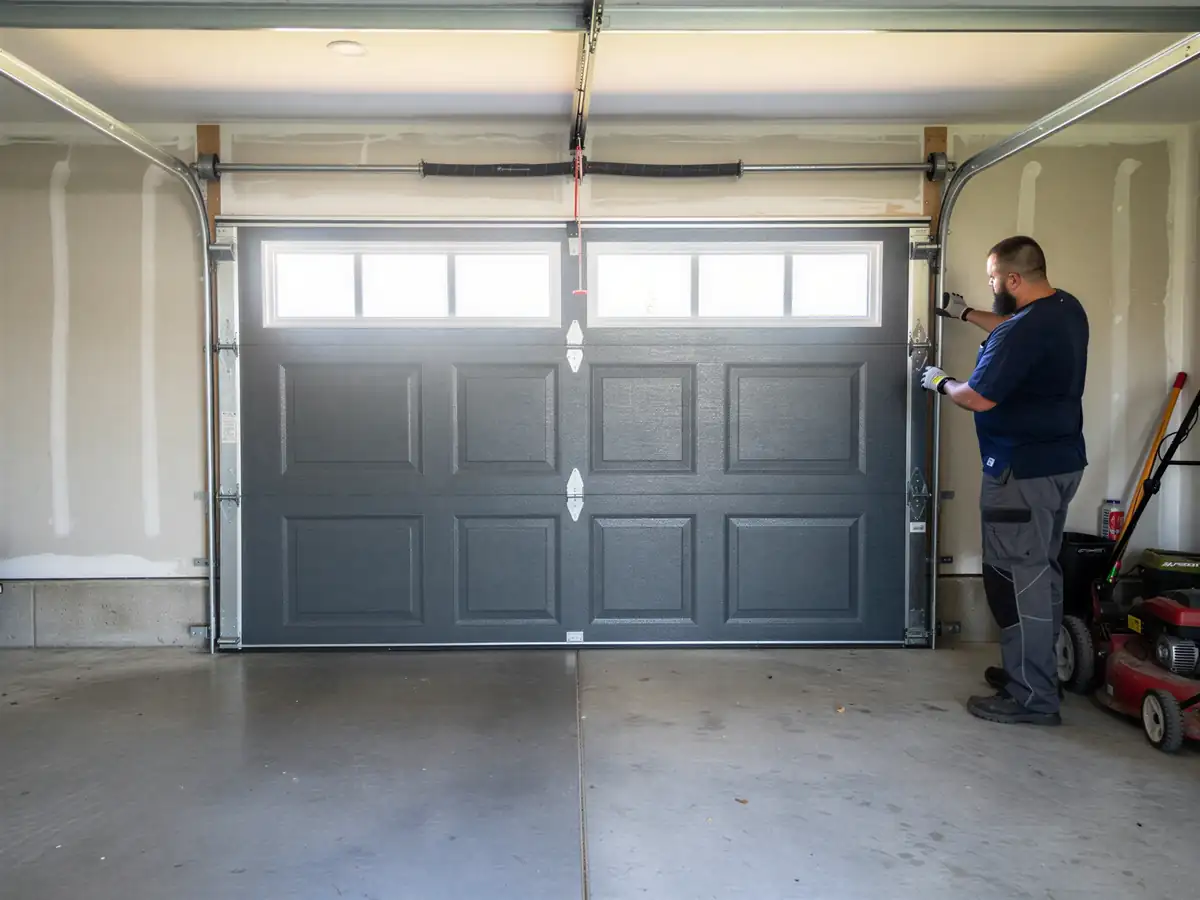
Because original torsion springs rarely make it past 10-15 years of daily cycles, let alone the 35+ some of these have logged. We check wind tension, look for flat spots or rust pitting, and measure wire gauge against the door weight it's supposed to be lifting - builders in the late 80s sometimes undersized springs to save a few dollars, and that shows up now as a door that's always felt a little heavy.
- 15 years
After the springs, we're on rollers and track alignment
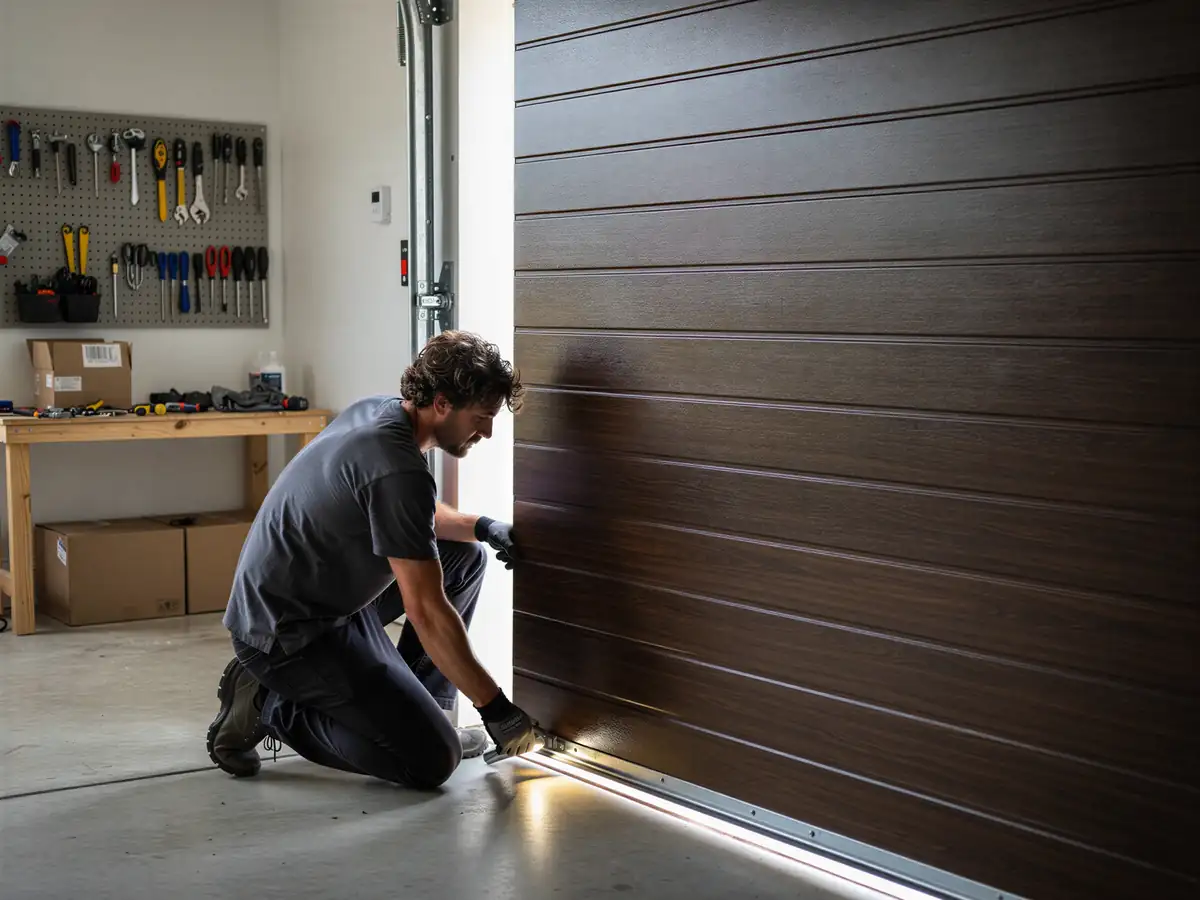
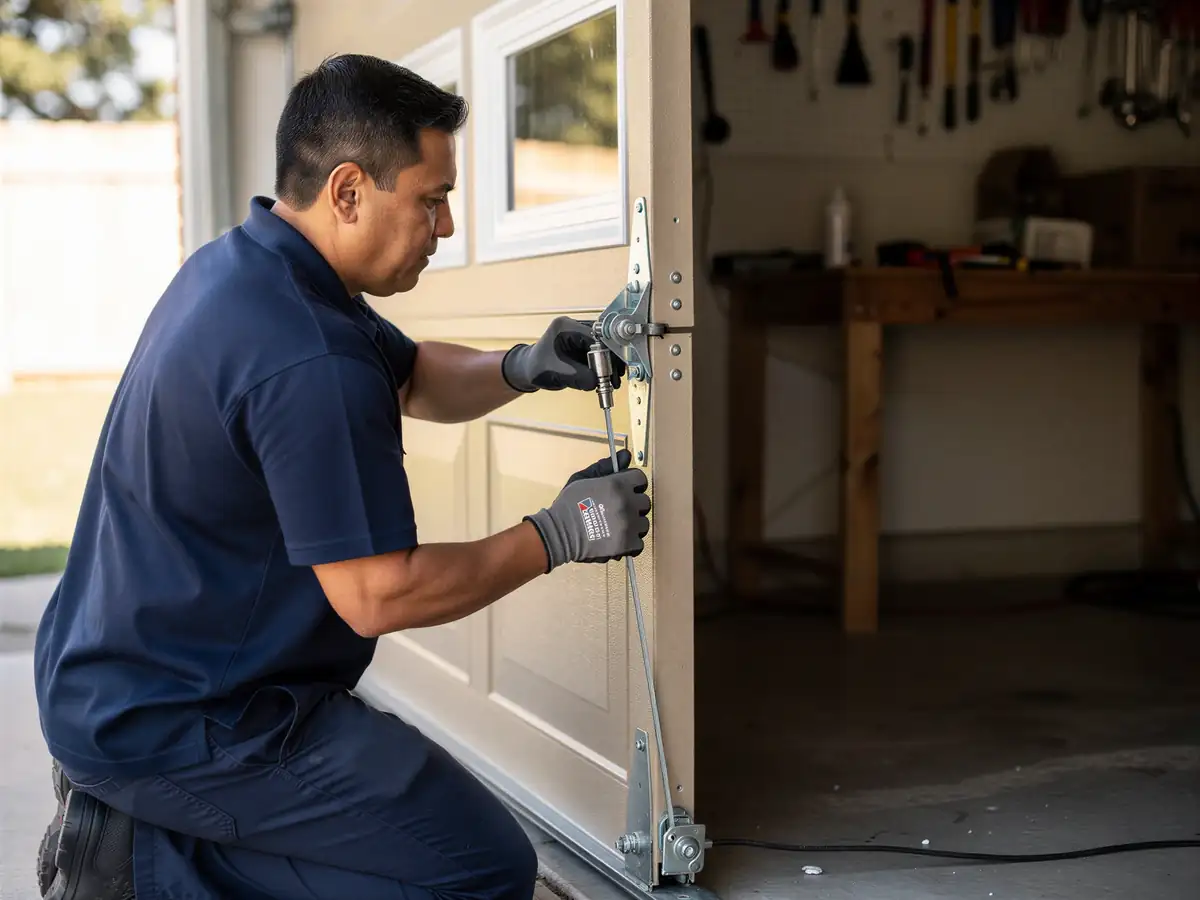
Steel rollers from a 1988 install have usually worn grooves into themselves and into the track, which is where a lot of the grinding noise comes from. We'll also check the opener's force settings if one was added later - a lot of these doors got openers retrofitted in the 90s or 2000s, and the force setting is rarely re-tuned to match a spring that's lost tension since. Lubrication is part of every visit, but on hardware this old, lube is a stopgap, not a fix, if the metal underneath is already worn.
Doing It Yourself
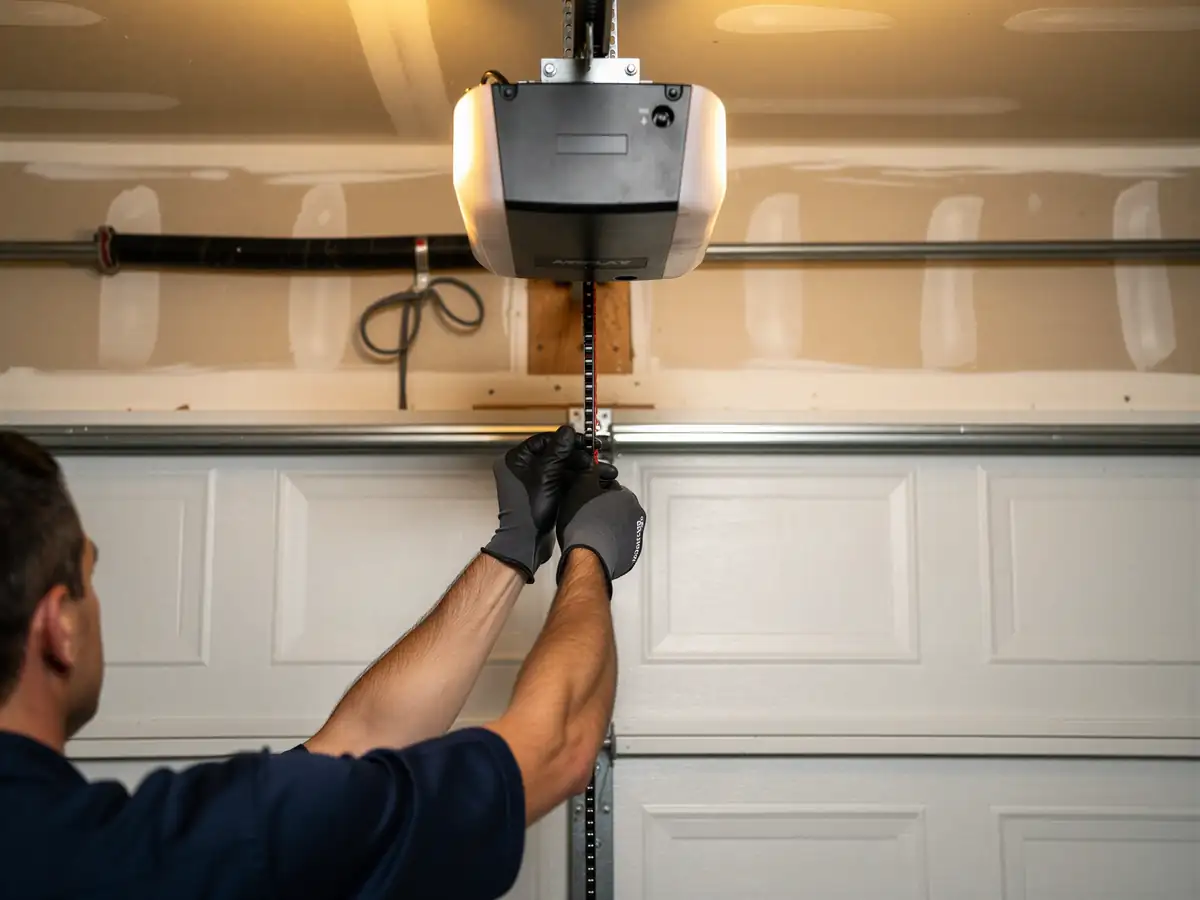
There's real maintenance you can do without us. Wipe down and lubricate the rollers and hinges with a garage-door-specific lubricant twice a year, check that the photo-eye sensors near the floor are clean and aligned, and listen for new sounds - a squeal, a thud, a slow spot in the travel. Tighten loose bolts on the track brackets if you can reach them safely.
What we don't recommend you touch is the torsion spring itself. On a door this age, the spring is under enough stored tension to cause a serious injury if it releases while you're working on it, and the tools to wind it safely aren't something most households own. If you're hearing a grinding noise and you're not sure if it's a roller or a spring, that's the line where a phone call is cheaper than a trip to the ER.
Where This Job Goes Sideways
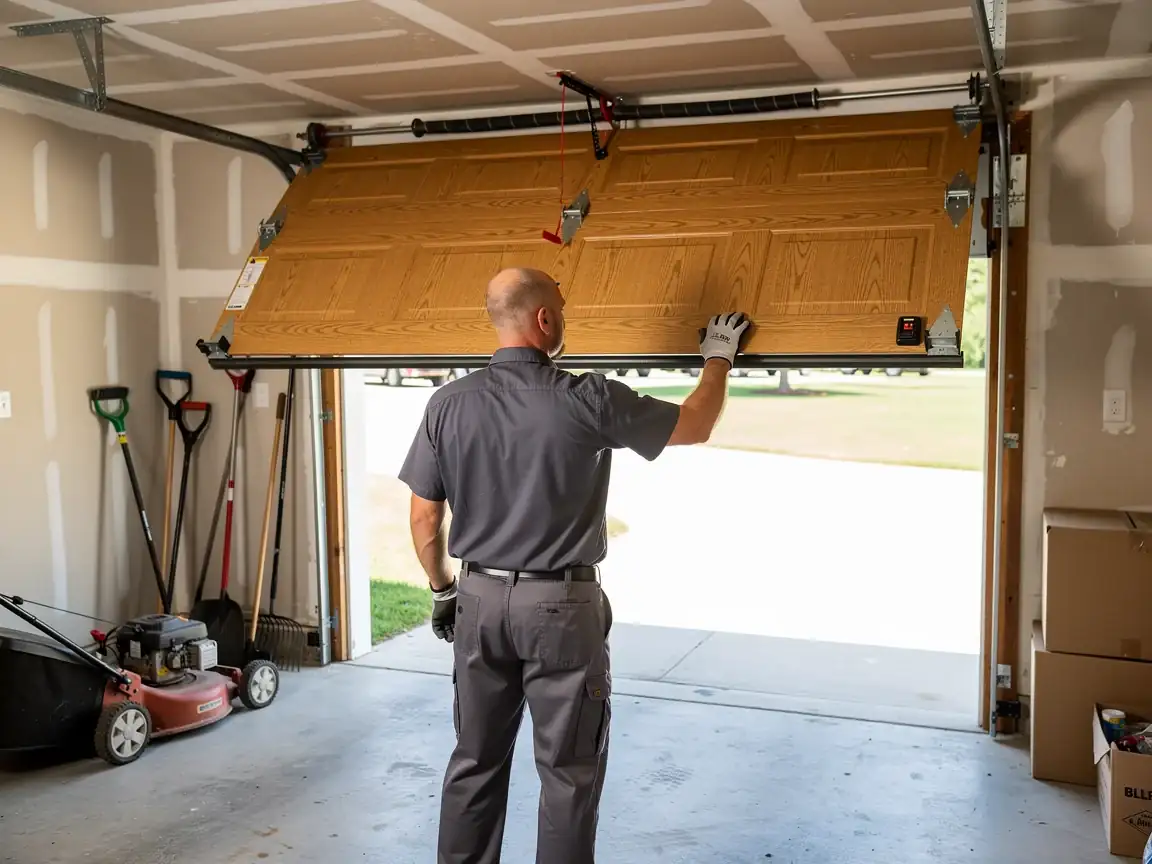
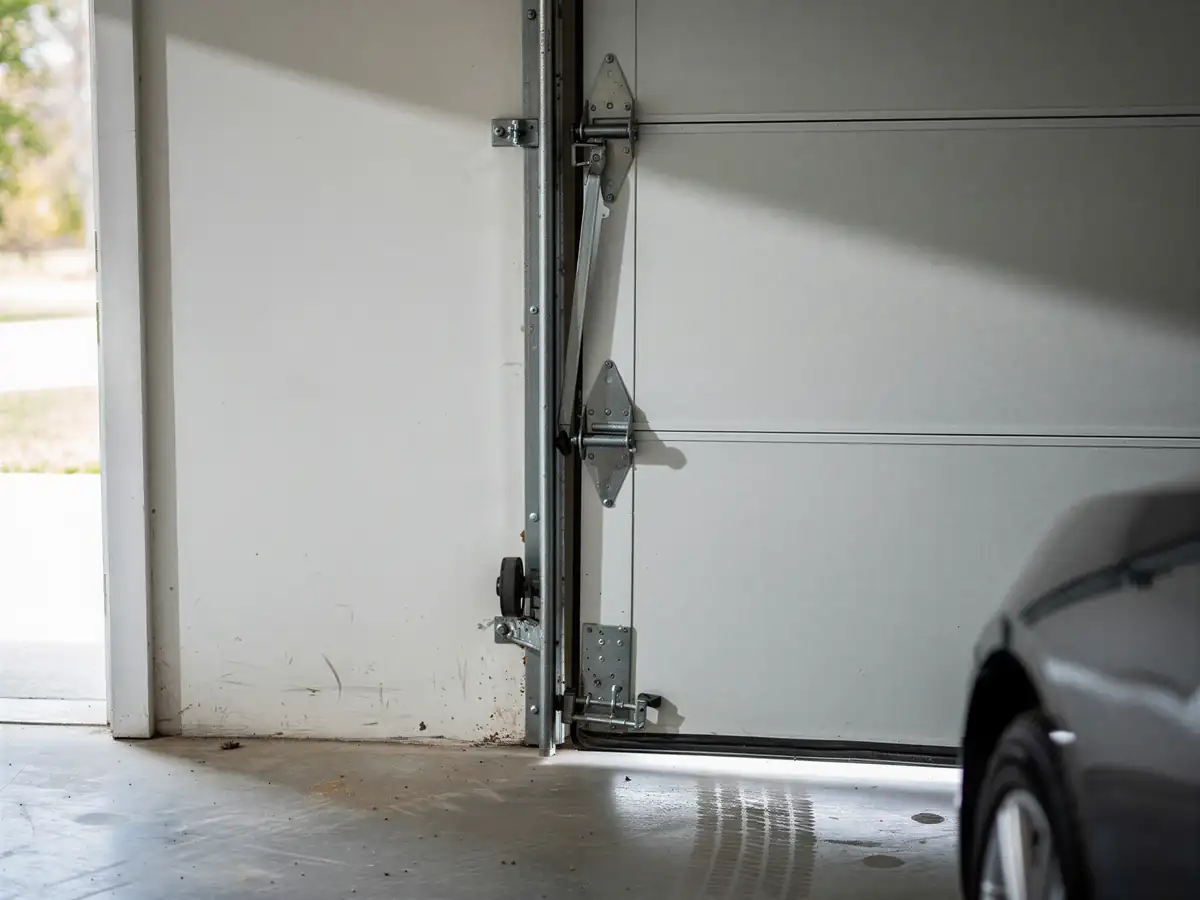
The trouble spot on these 1988-era Shepherd doors is almost always the spring-to-drum match. When a spring finally fails and someone replaces just that one part without checking the cable drums and the opposite spring, the door comes back out of balance within a year - one side is new, one side is thirty-five years old, and they don't share load evenly. We see this most on doors that got a quick fix from whoever was available at the time rather than a full check of the system.
The other place it goes sideways is openers bolted onto hardware that was never meant to carry motorized cycling at this frequency. If the springs are original and the opener is newer, the opener is doing extra work the springs should be doing, and that shortens the opener's life too. We'll flag it if we see it, but replacing a spring system on a house this age sometimes means replacing more than just the spring - and that's a conversation we'd rather have honestly up front than mid-repair.