The Cost of This Job
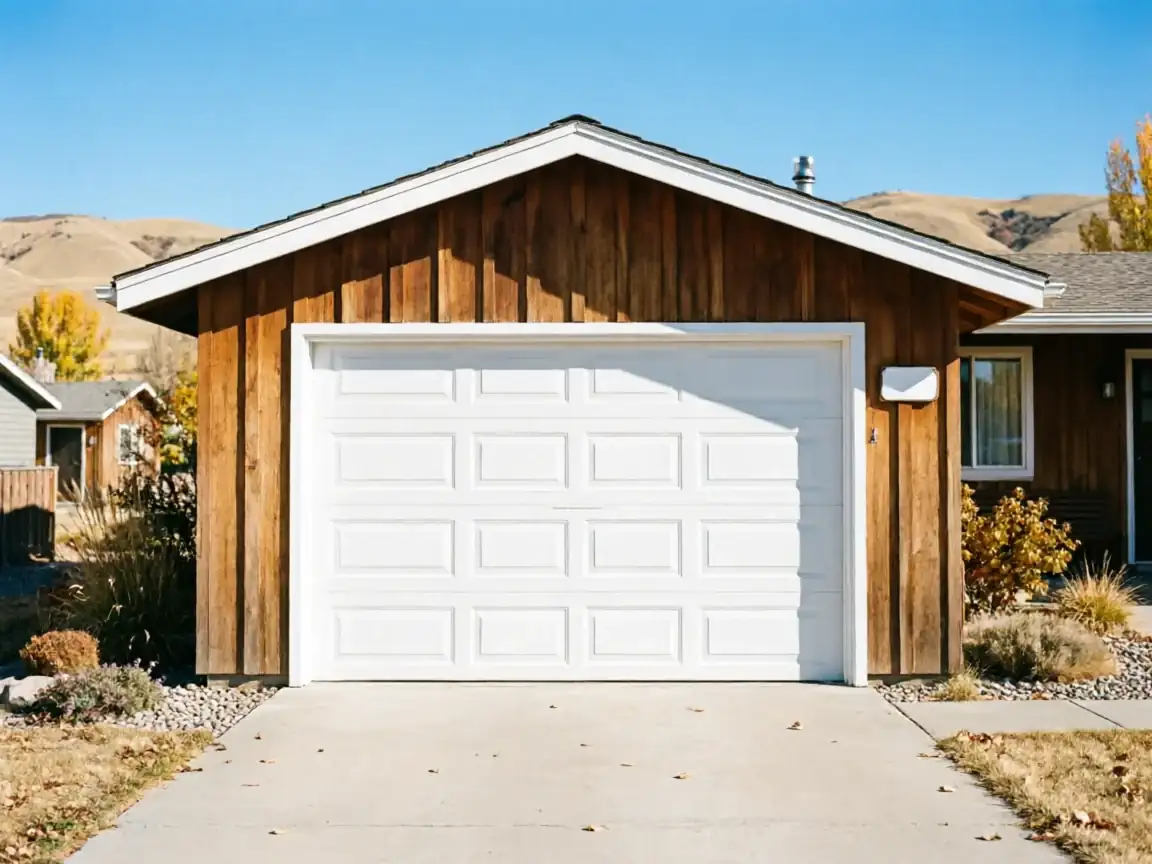
Lockwood is a small place as service areas go - 2,741 households, most of them in homes built around 1982. That size matters for how this job gets priced. A town this size doesn't generate enough call volume to justify a branch here, so every cable job rolls out from Billings, roughly 8 miles up the road. That travel is already built into how the job gets scheduled, not added as a surprise.
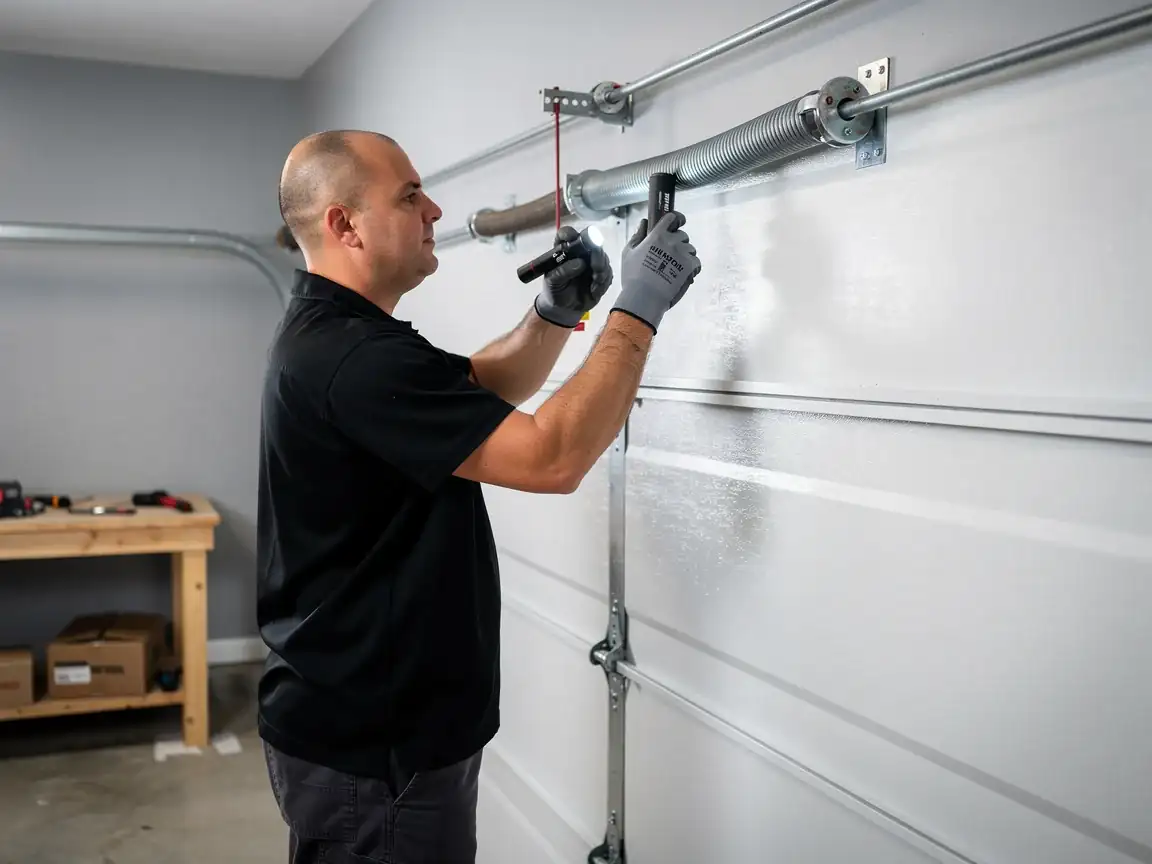
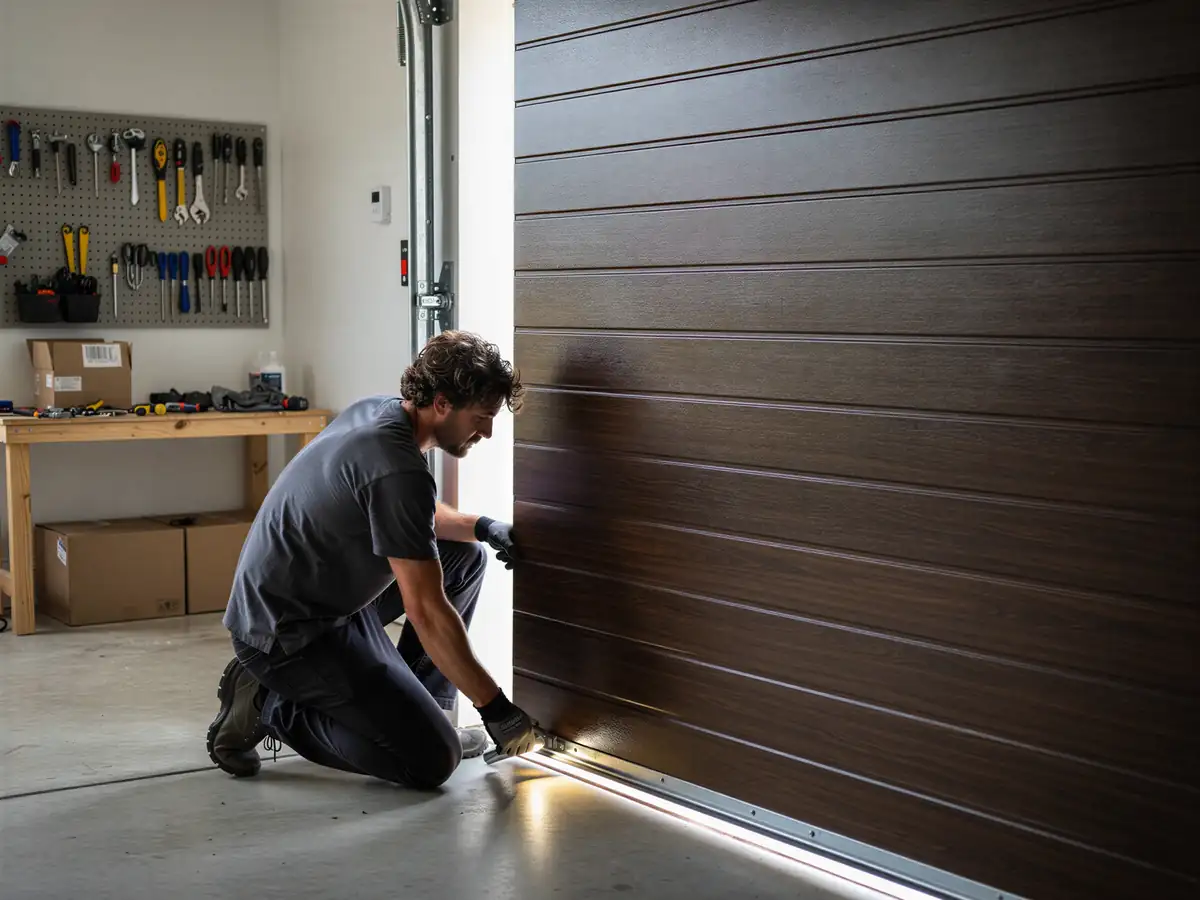
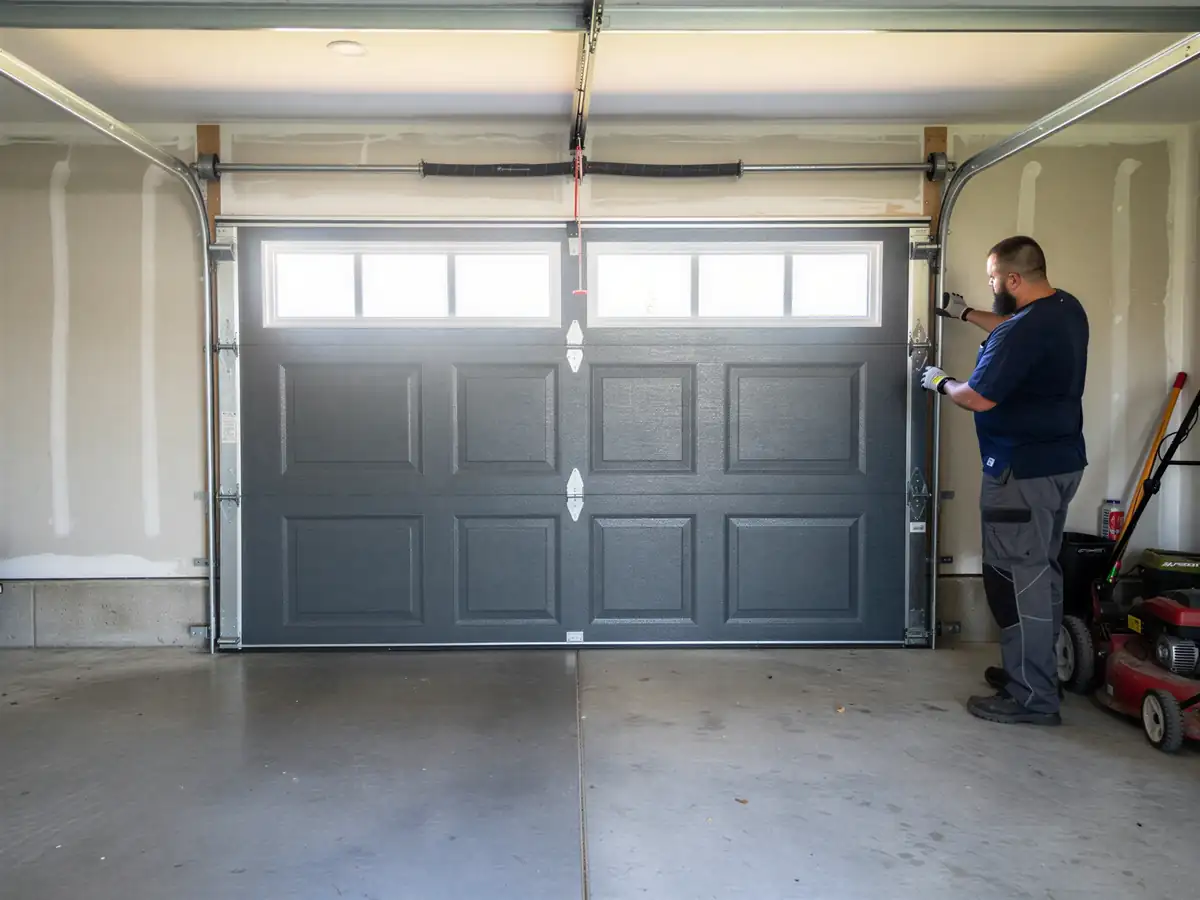
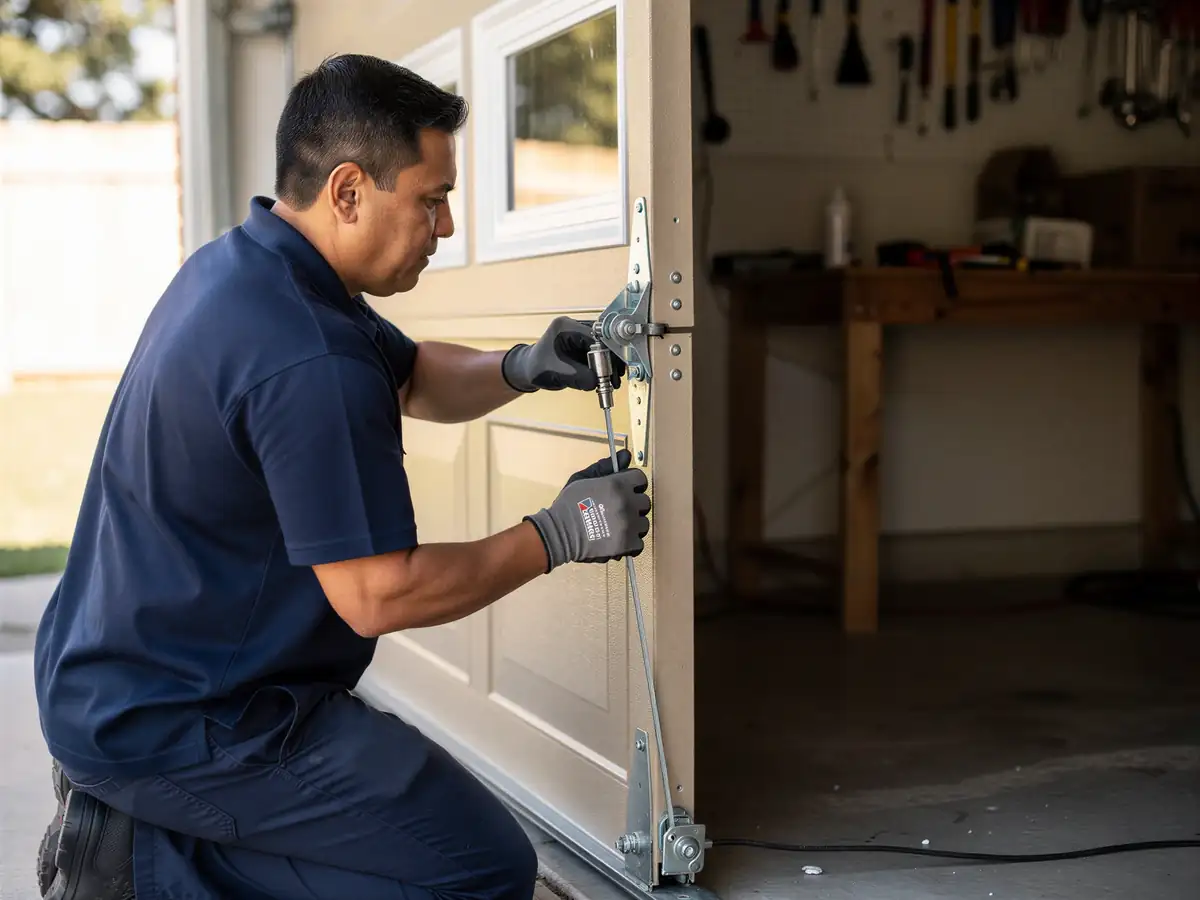
Cable repair itself splits into two jobs that look similar and aren't. A single frayed lift cable on one side of the door is a narrower job - unspool the drum, re-terminate or replace the cable, check the drum for a worn groove. A snapped cable with the door hanging crooked, or a cable that let go under spring tension, takes longer because the door has to come down safely first, and the spring often needs attention at the same time. On a lot of the 1980s-built houses out here, both cables and the springs are original, so if one side is going the other side usually isn't far behind. We don't quote a flat number over the phone for that reason - we quote after we see which version of the job we're looking at.
We won't replace a cable and leave a stretched, mismatched spring behind it. That's a callback waiting to happen, and it costs you twice.
Where This Job Goes Sideways
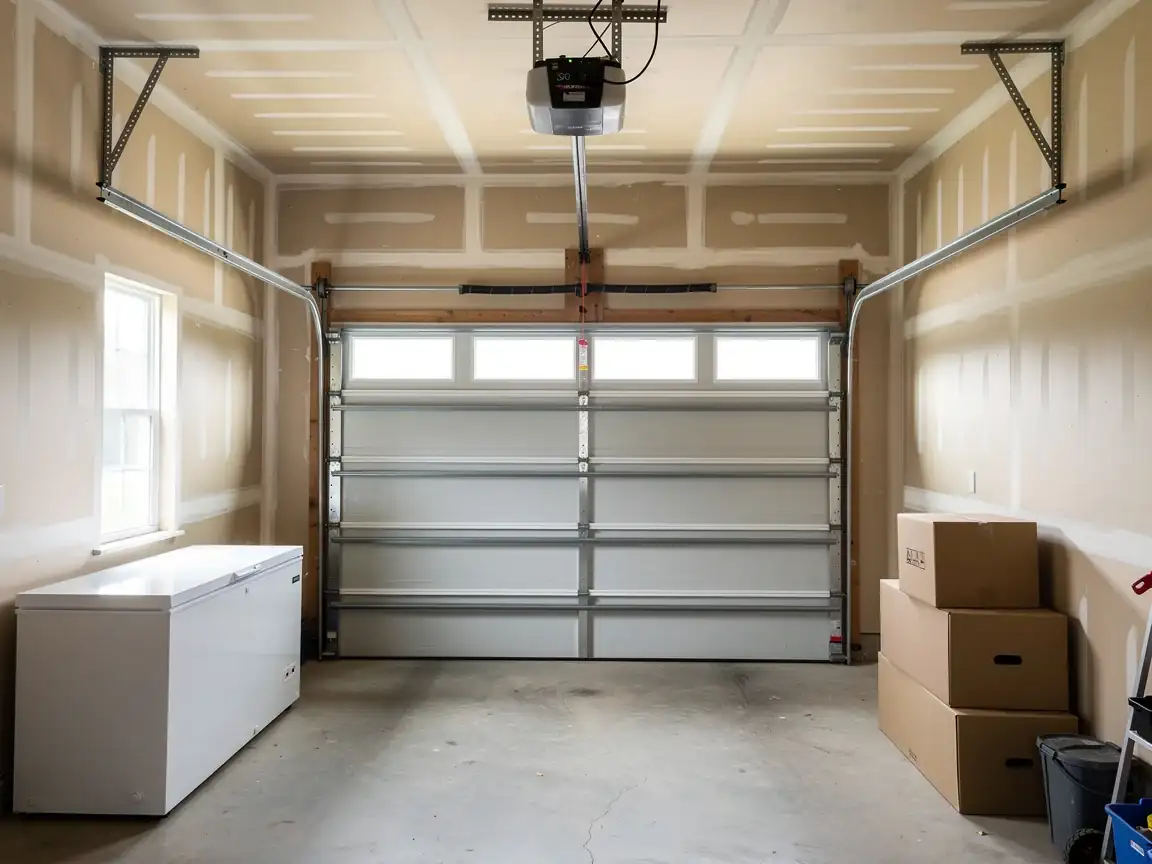
Most of the housing stock around Lockwood went up in the early 1980s, which puts a lot of these doors on galvanized aircraft cable and steel drums that have had forty-plus years of Montana winters to work on them. That's the part that catches people off guard: the cable itself rarely fails from one bad day. It fails because the strand has been rusting from the inside at the drum groove for a decade, and a cold snap is just the thing that finishes it off.
The climate here runs cold and severe enough that cable steel contracts and stiffens every winter, and that cycle - cold, flex, thaw, flex again - is what shortens cable life faster than it would somewhere milder. On a door that age, we also commonly find the drum itself grooved or the bottom bracket fatigued, so a cable-only repair on a door that's been running since the early '80s sometimes turns into a drum-and-cable job once the cover's off.
The other way this goes sideways: someone tries to re-string a cable themselves with the spring still loaded. On a torsion system that's a hospital trip, not a DIY afternoon. We'd rather you call before you touch the drum than after.
What Is on the Truck
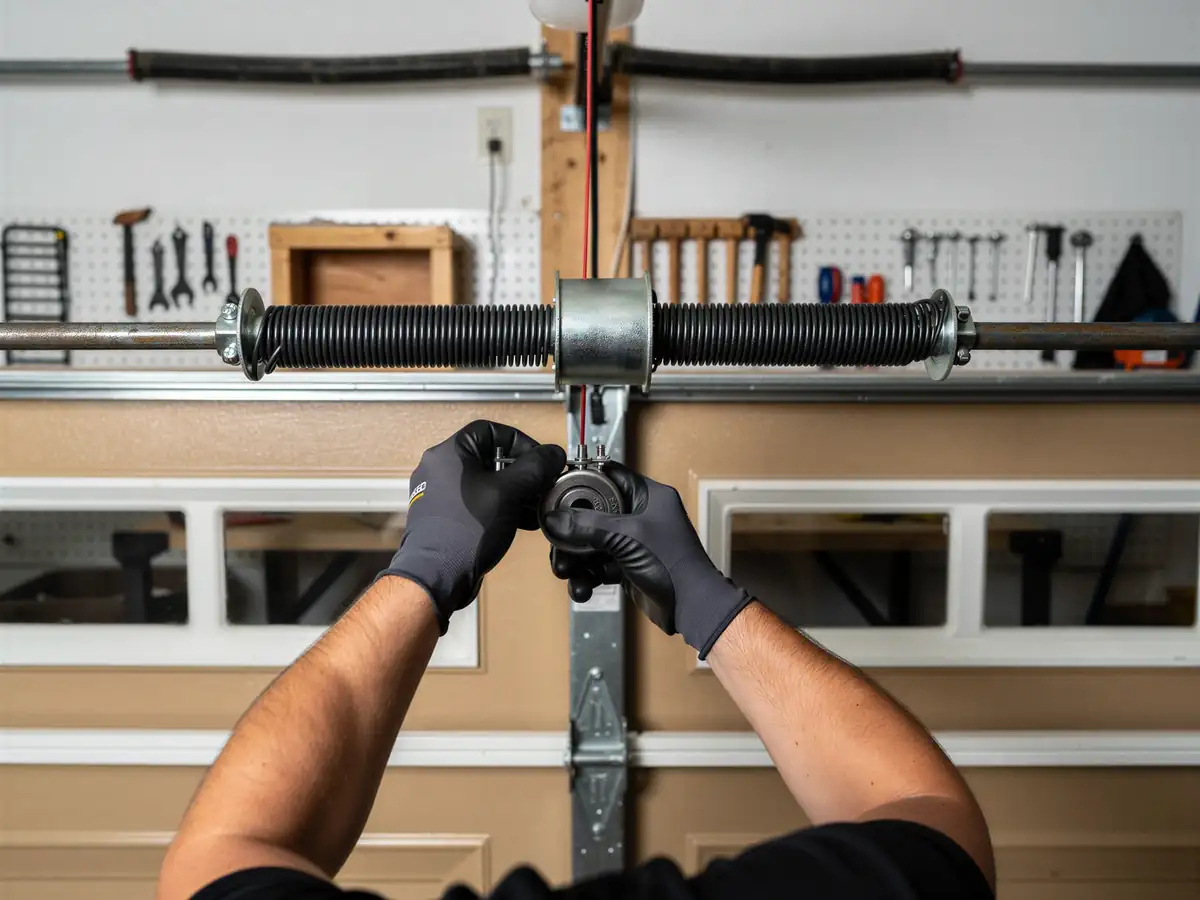
For cable work specifically, the truck carries galvanized lift cable in the sizes that fit standard residential drums, replacement drums for both 7-foot and 8-foot doors
And the swedged fittings or cable ends needed to terminate a new cable properly rather than just looping and clamping it. We also carry stop plates and bottom brackets, since a worn bracket is what usually takes the cable out in the first place.
What's harder to stock in advance is anything specific to a door that's forty-some years old and no longer made by its original manufacturer
On houses from the early '80s era that make up most of Lockwood, drum sizes and spring wind patterns are common enough that we carry the parts for them directly. Where we run into a gap - an odd track width or a discontinued hardware pattern - that's a part we order rather than carry, and we'll tell you that up front instead of guessing at a fix on-site.
Income levels in this area run close to $74,451 median household
Which is enough that most owners choose a proper cable-and-drum repair over a stopgap fix, and that's what we stock the truck to do.
The Symptom
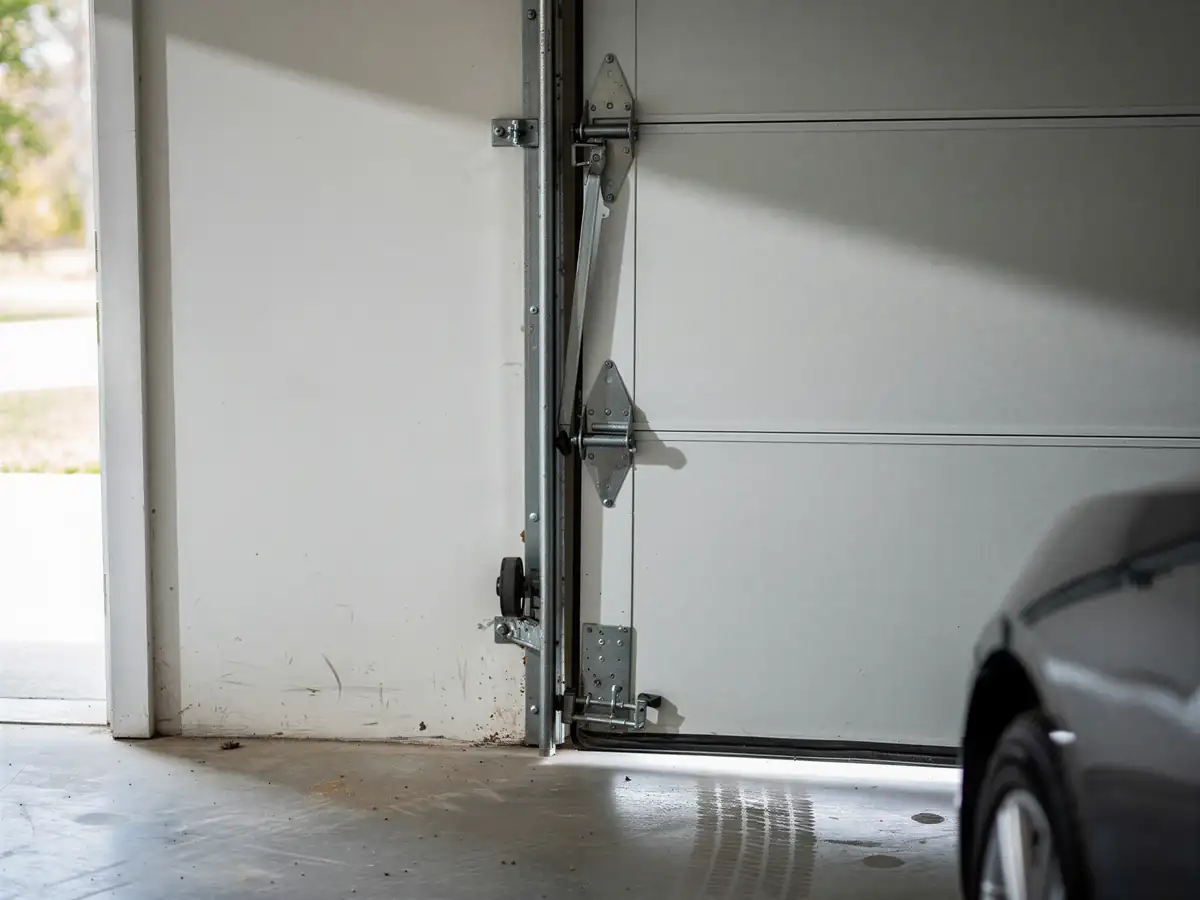
The giveaway is usually one corner of the door sitting lower than the other, or the door running crooked in the track right before it jams. Sometimes you'll see the actual strand - a few broken wires poking out of the cable near the bottom bracket - before it lets go completely. Other times the first sign is a loud bang as the cable snaps under tension, usually on a cold morning when the steel's stiffest.
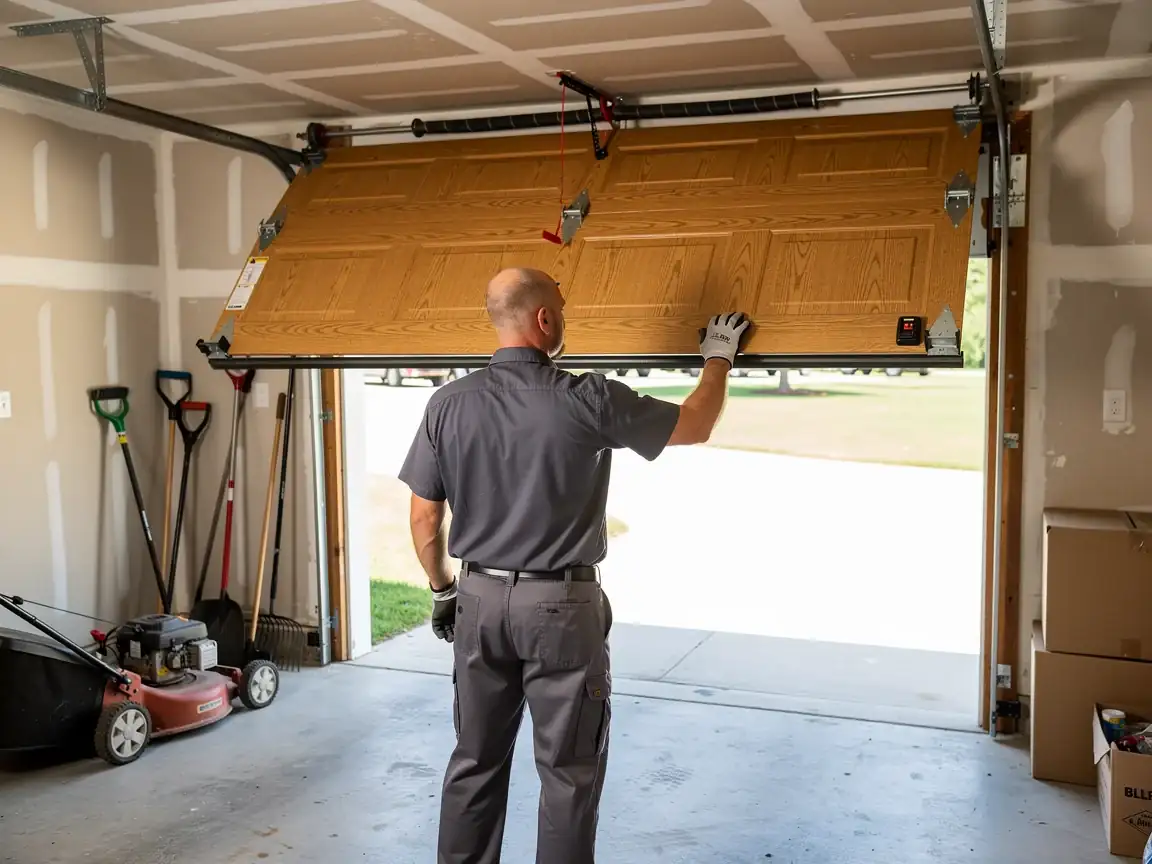
If the door won't move at all and one cable is visibly slack or hanging, don't run the opener. Forcing it with a slack cable can bend the track or drop the door unevenly on its roller, which turns a cable job into a track-and-roller job. On the 1980s-era doors common around Lockwood, a cable failure on one side often means the opposite side isn't far behind, so if you're calling about one broken cable, expect us to check the other.
This is a same-visit repair in almost every case - cable work doesn't usually need an ordered part. The exception is a non-standard track width, which is uncommon but does happen on some of the older original installs out here.