The Cost of This Job
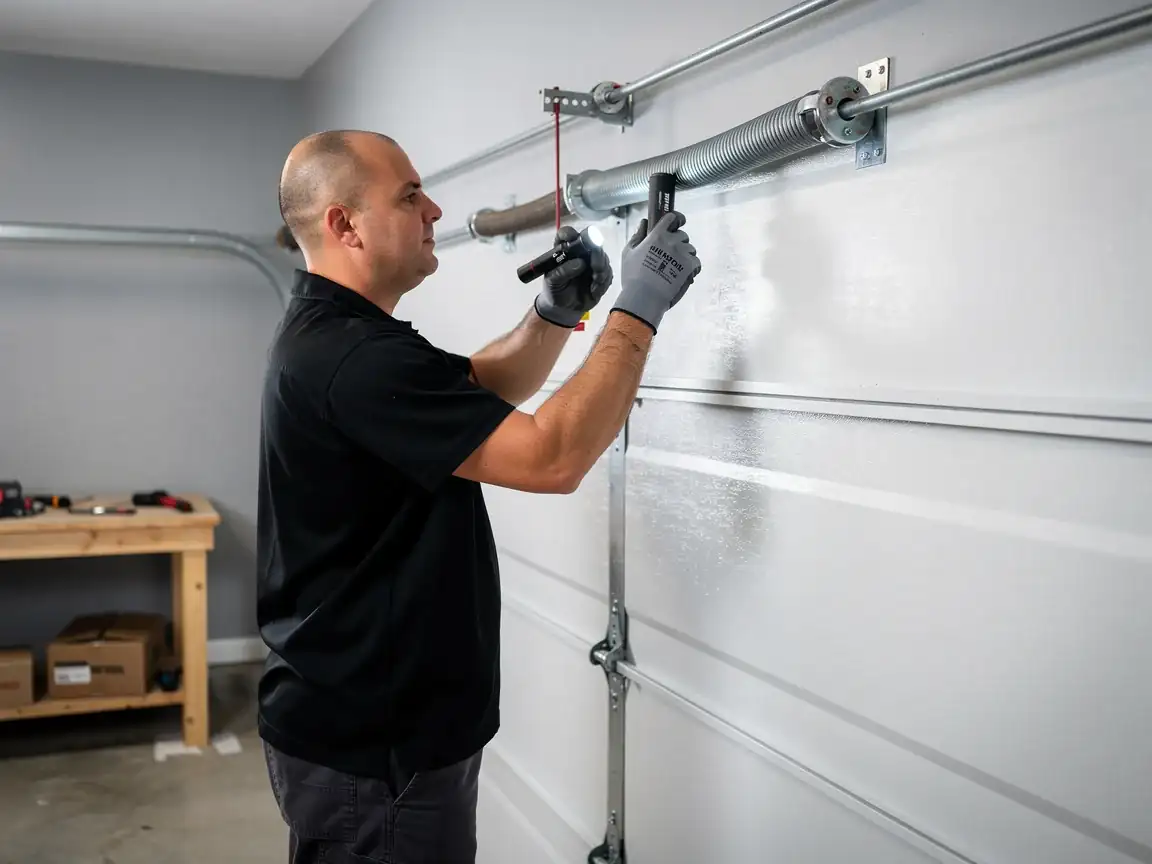
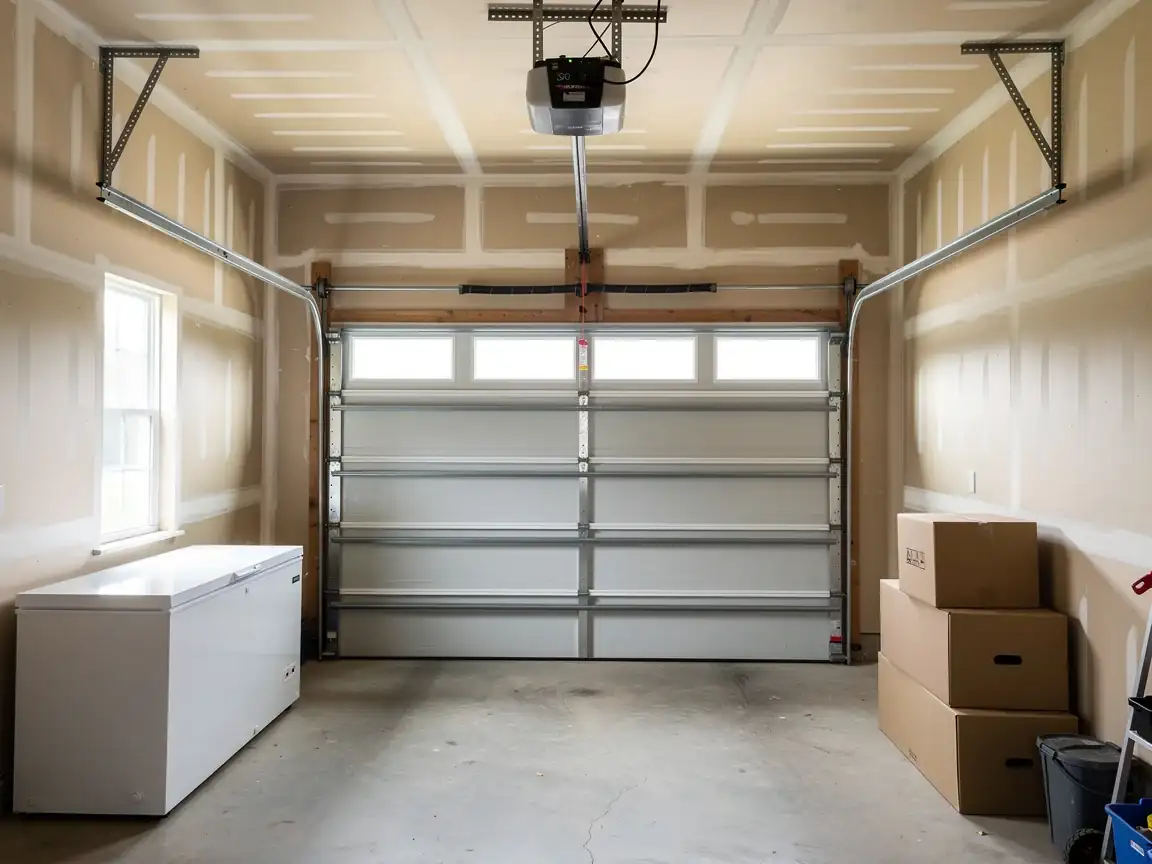
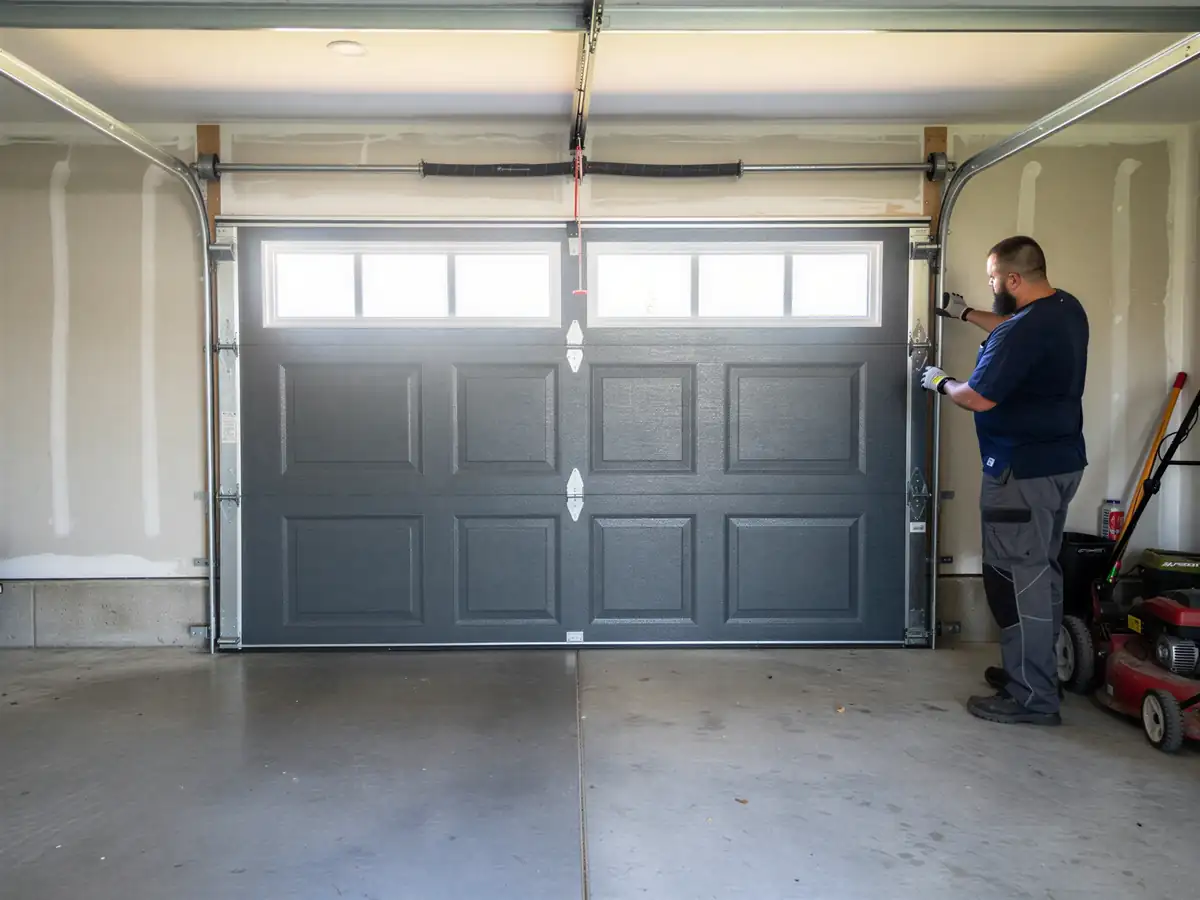
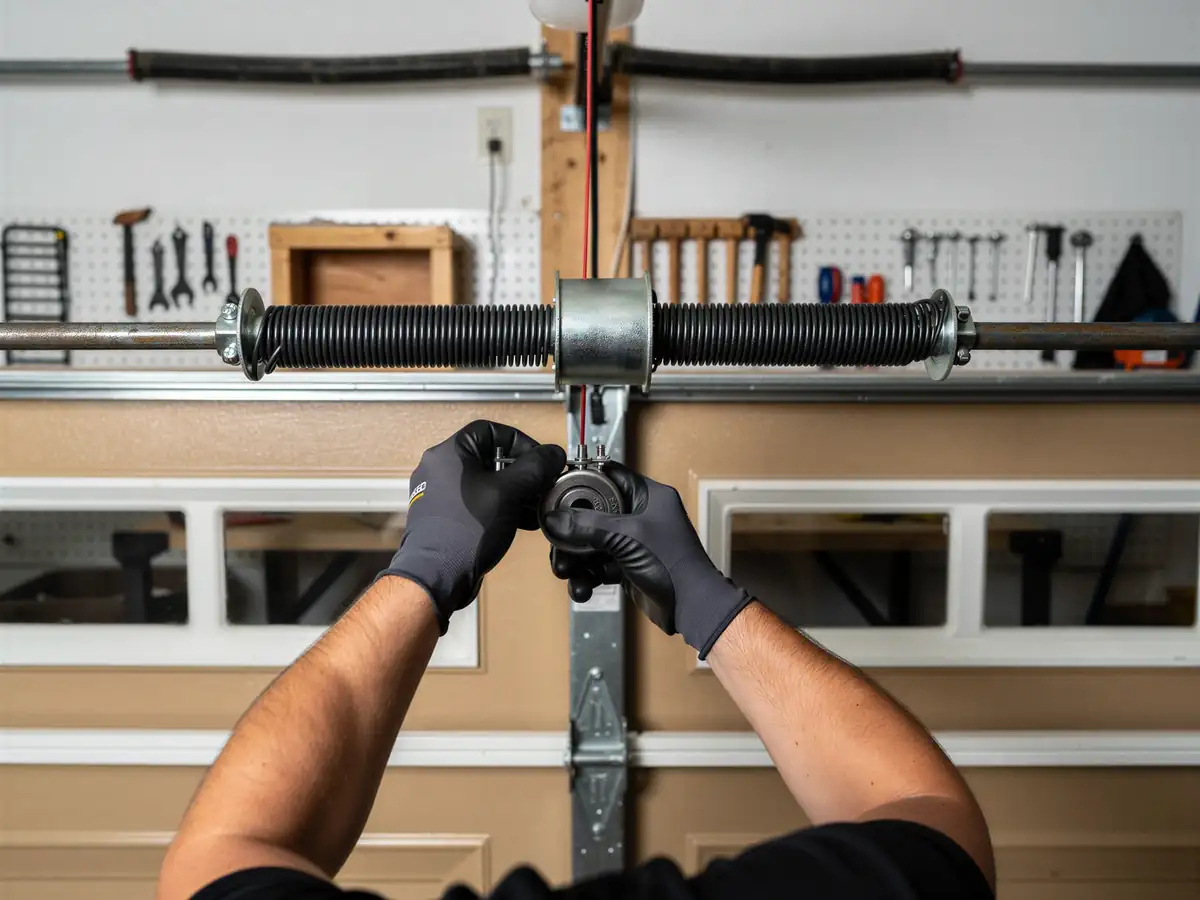
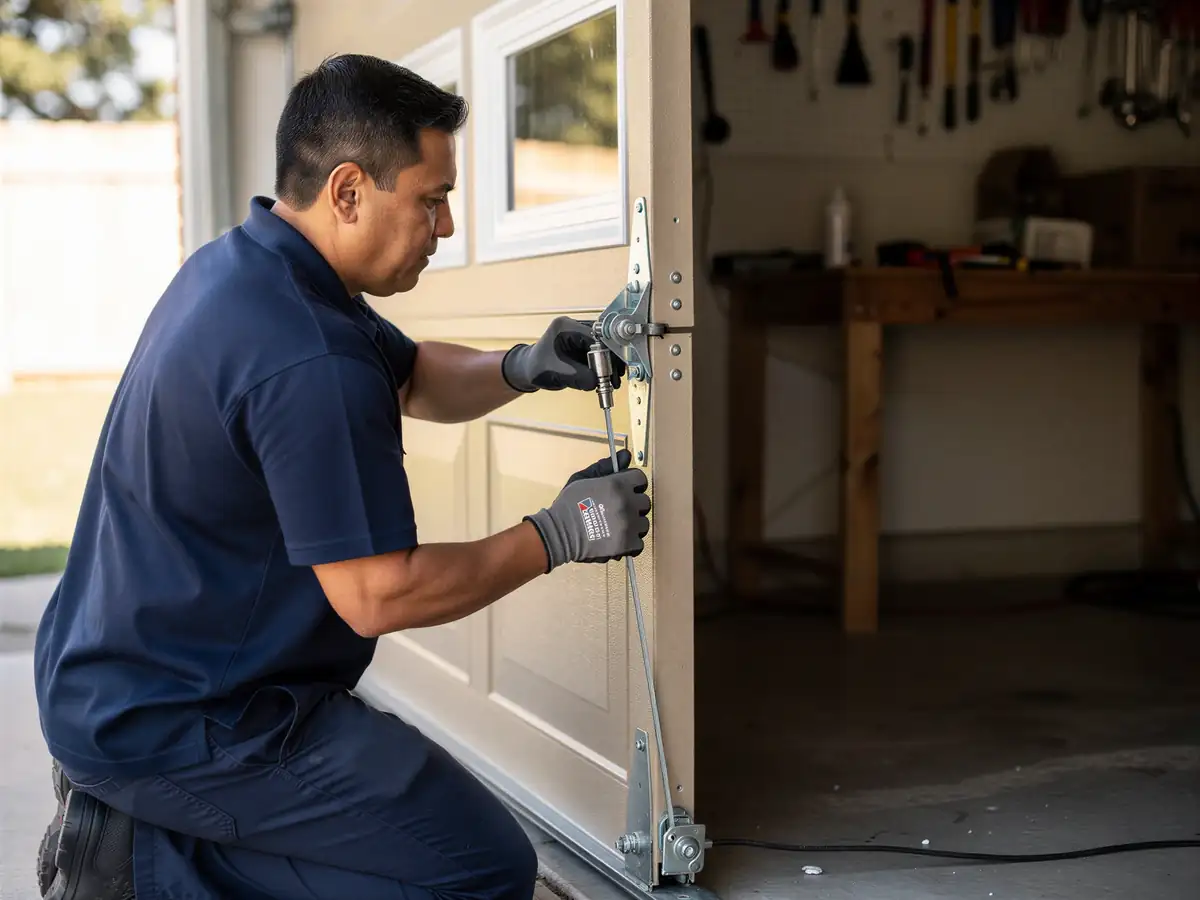
Lockwood's median home dates to 1982, which puts most doors here on hardware that predates the torsion-spring standard a lot of newer Billings subdivisions were built with. What drives the bill on a Lockwood call usually isn't the door panel itself - it's whether the house still has its original extension-spring setup with the old safety cables, or whether someone already converted to torsion at some point in the last forty years. Original extension hardware from this era is still serviceable, but the pulleys, cable drums, and side brackets that came with it aren't something every supplier keeps on the shelf, so sourcing a matching part can add a day to a job that would otherwise be same-visit. We don't quote a flat number over the phone for this reason - a sagging door on a 1982 build might need one stretched spring replaced, or it might need the whole lift system brought up to a torsion setup because the extension hardware is past safe service life. That's a judgment call we make standing in front of the door, not on a phone screen. Across the wider service area the housing stock runs from 1973 through 2010, so a Billings quote and a Lockwood quote on paper can look identical and still mean two different jobs once the truck gets there.
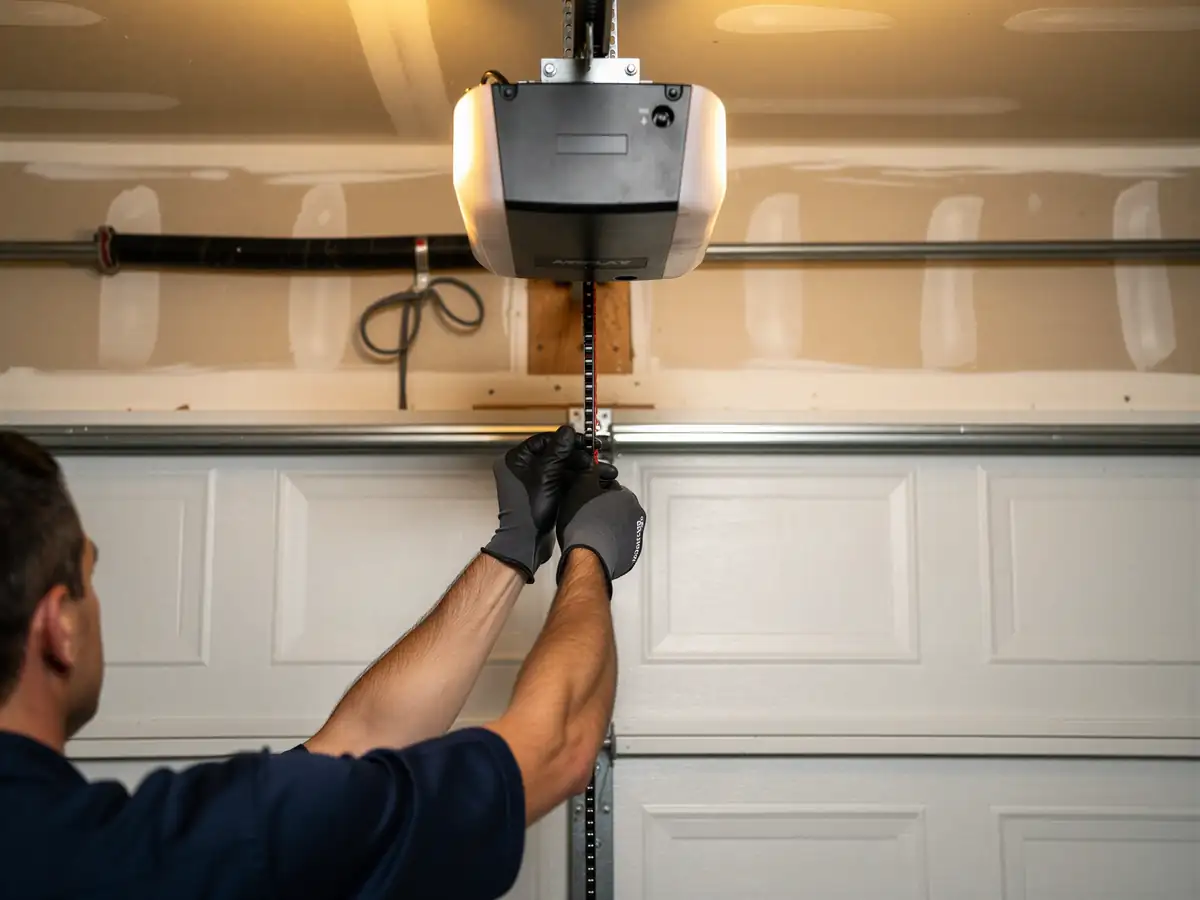
The honest limitation: if your opener and track are both original to the house, expect the estimate to include a look at both, not just the spring that broke.</br>
Where This Job Goes Sideways
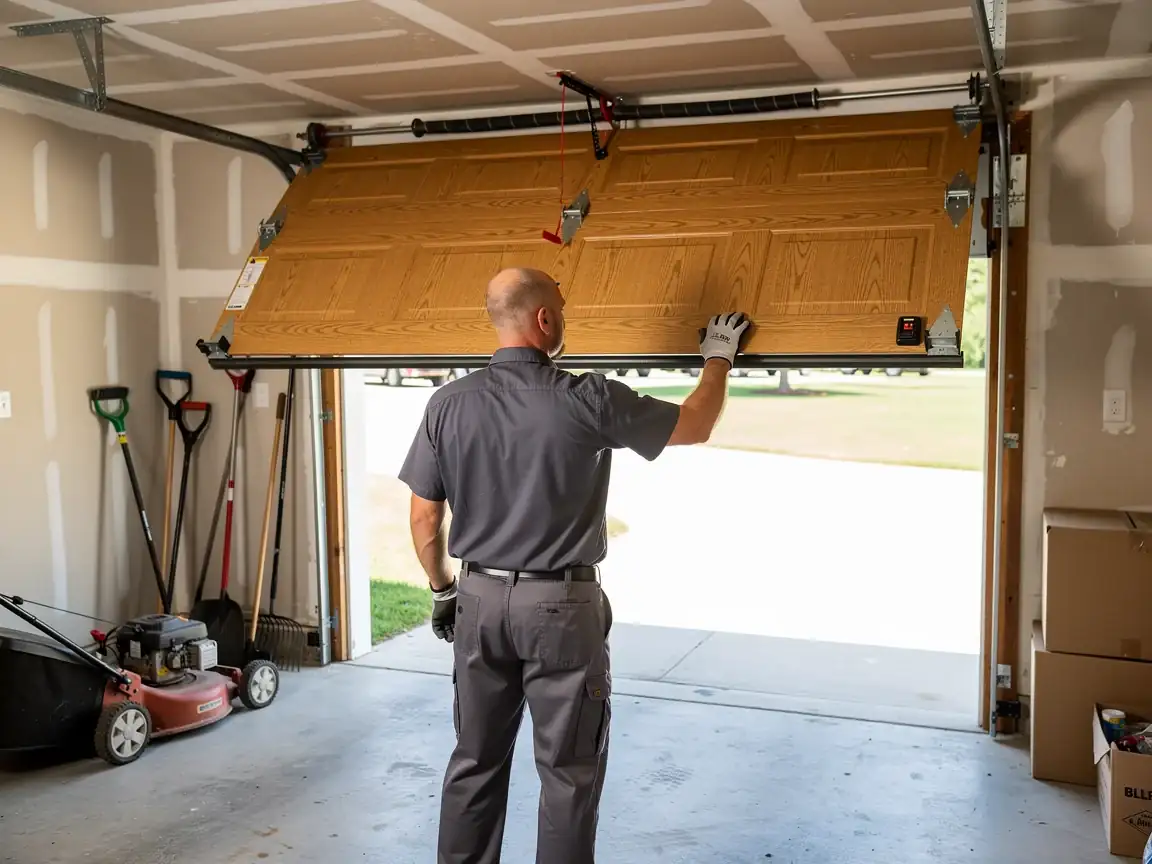
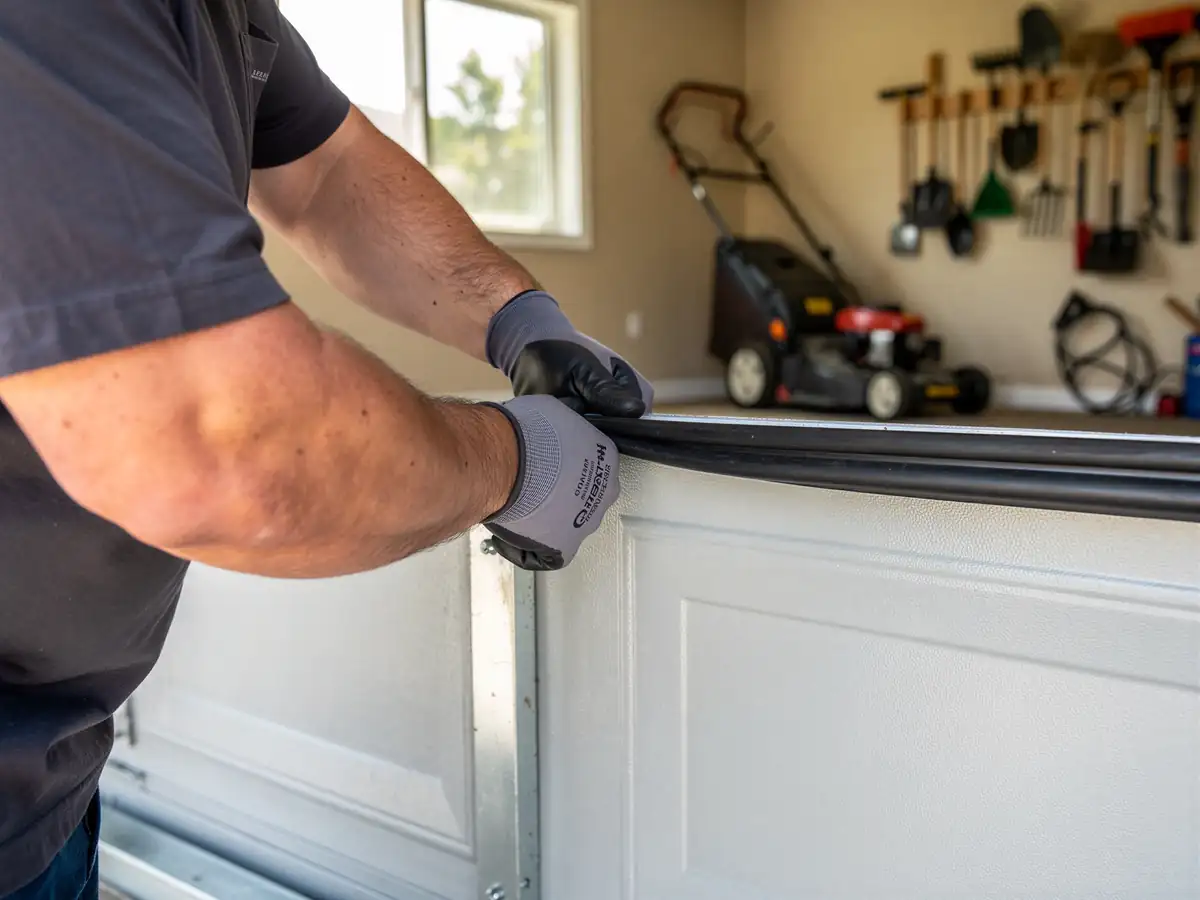
The failure pattern in Lockwood tracks pretty closely with the 1982 median build year. Extension springs stretch out long before they snap outright, so a door that's been getting slower to close for months is usually further along than it looks - by the time it won't stay up at all, the cables and pulleys riding alongside that spring have usually taken damage too. Montana's cold climate makes this worse: a stretched spring loses more of its lift on a frozen morning than it does in July, and homeowners often call us on the exact week it finally fails rather than months earlier when it would've been a cheaper fix. Steel panels from this era also show bottom-panel rust where the door sits closest to grade, especially on the north side of a house where snowmelt sits longest. That rust doesn't just look bad - it adds weight the original spring was never sized for, which speeds up the same stretching problem. Where this job goes genuinely sideways is when someone tries to tension an old extension spring to compensate, instead of replacing it. That buys a few weeks and then the door comes down hard. If your door is dropping fast in the last foot of travel, that's the symptom to stop and call on, not drive through.
The Symptom
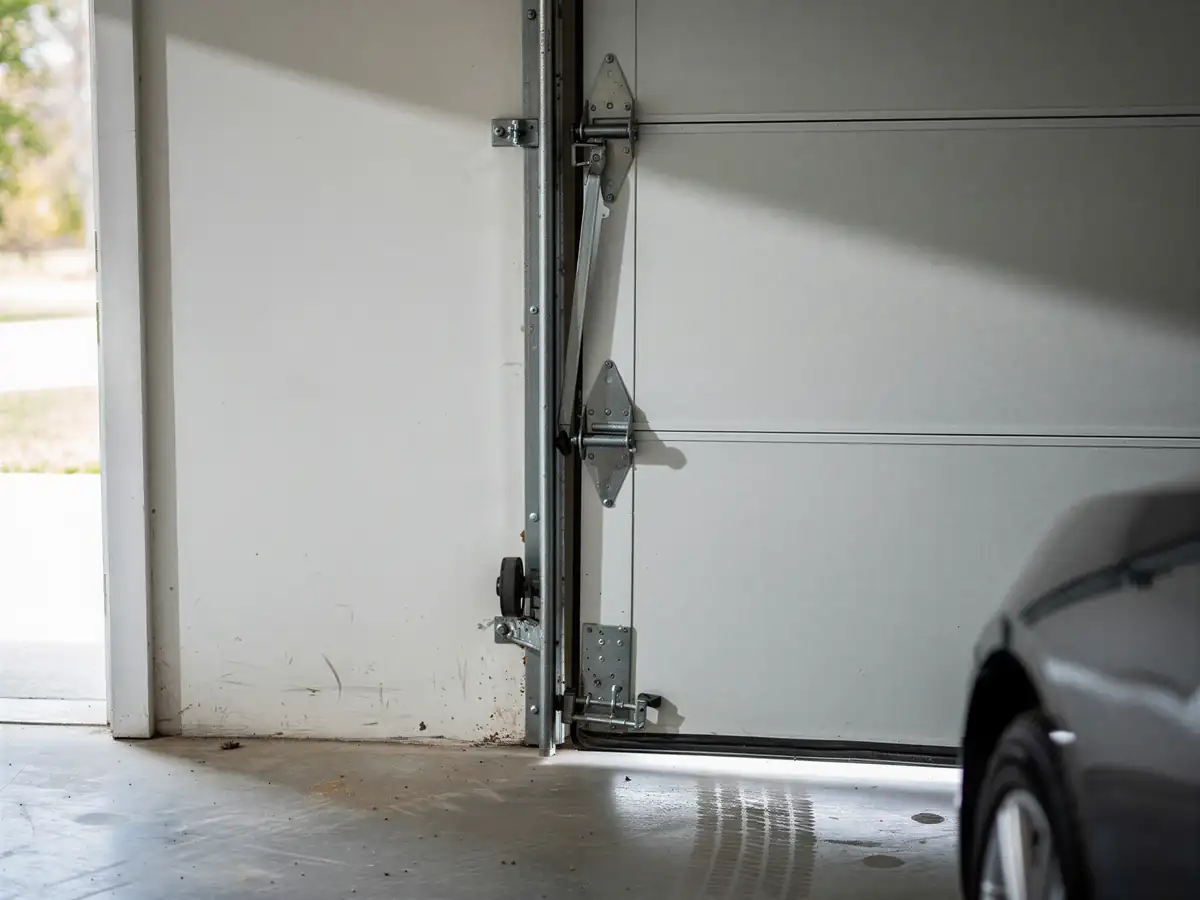
The symptom worth paying attention to in Lockwood is a door that closes noticeably slower than it opens, or one that seems to drop the last six inches instead of settling. On a house built around 1982 with its original extension springs, that's almost always spring fatigue, not an opener problem, even though the opener usually gets blamed first. A second pattern: cables that look slack at the bottom of the door when it's fully open. That slack means the spring isn't carrying its share of the weight any more and the opener is doing the lifting alone - which is exactly the kind of strain that burns out a motor that otherwise had years left in it. If you're hearing a grinding or popping noise specifically in cold weather and it goes quiet once the garage warms up, that's stiffened lubricant on old hardware, not a part that's failing outright - worth a service call, not a panic. The one thing we won't do is tighten an old extension spring to patch over the real problem; it's a short-term fix that fails without warning, usually while the door's halfway down.