The Cost of This Job
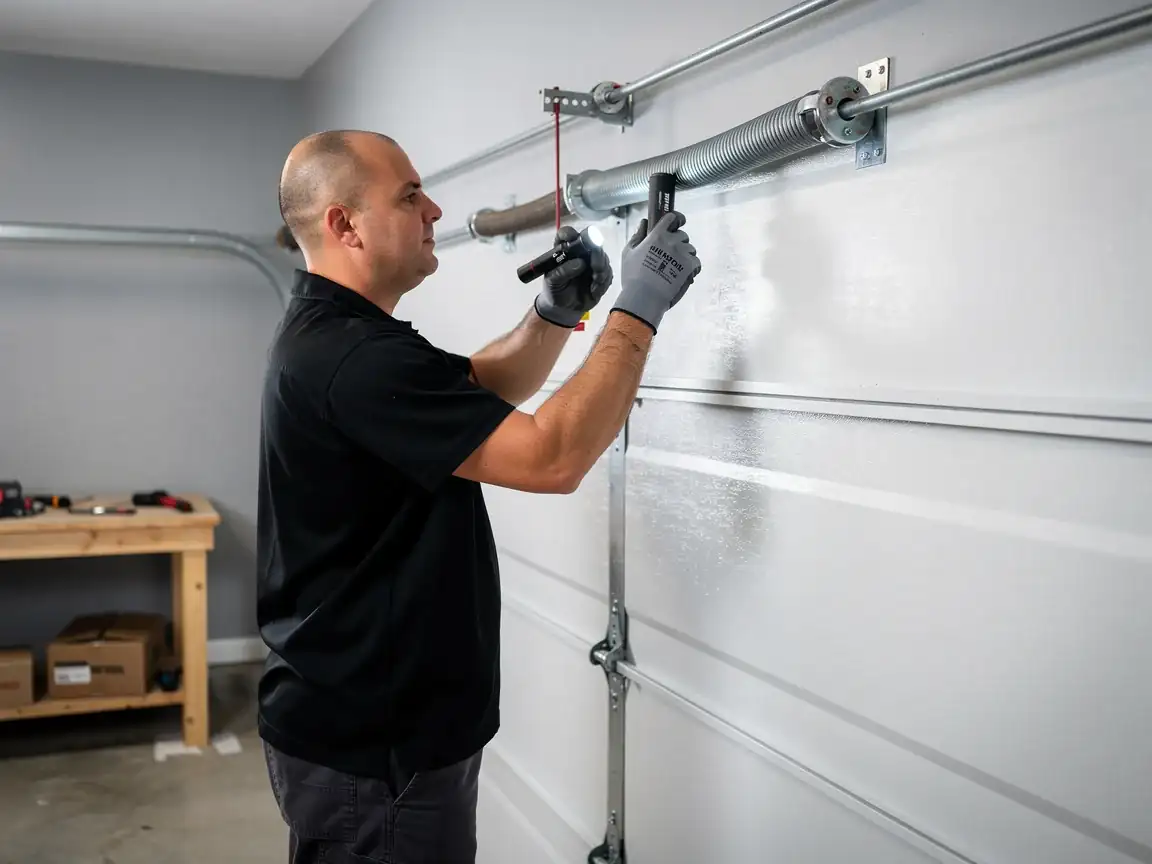
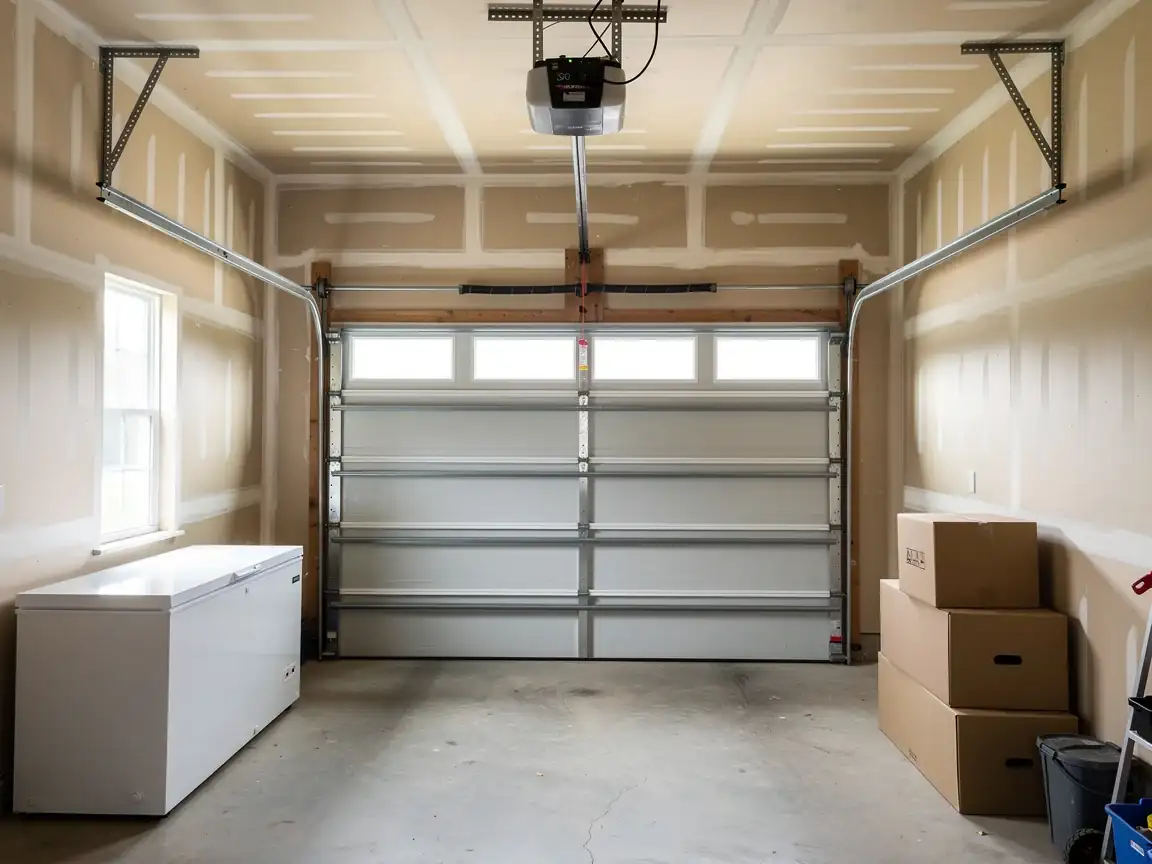
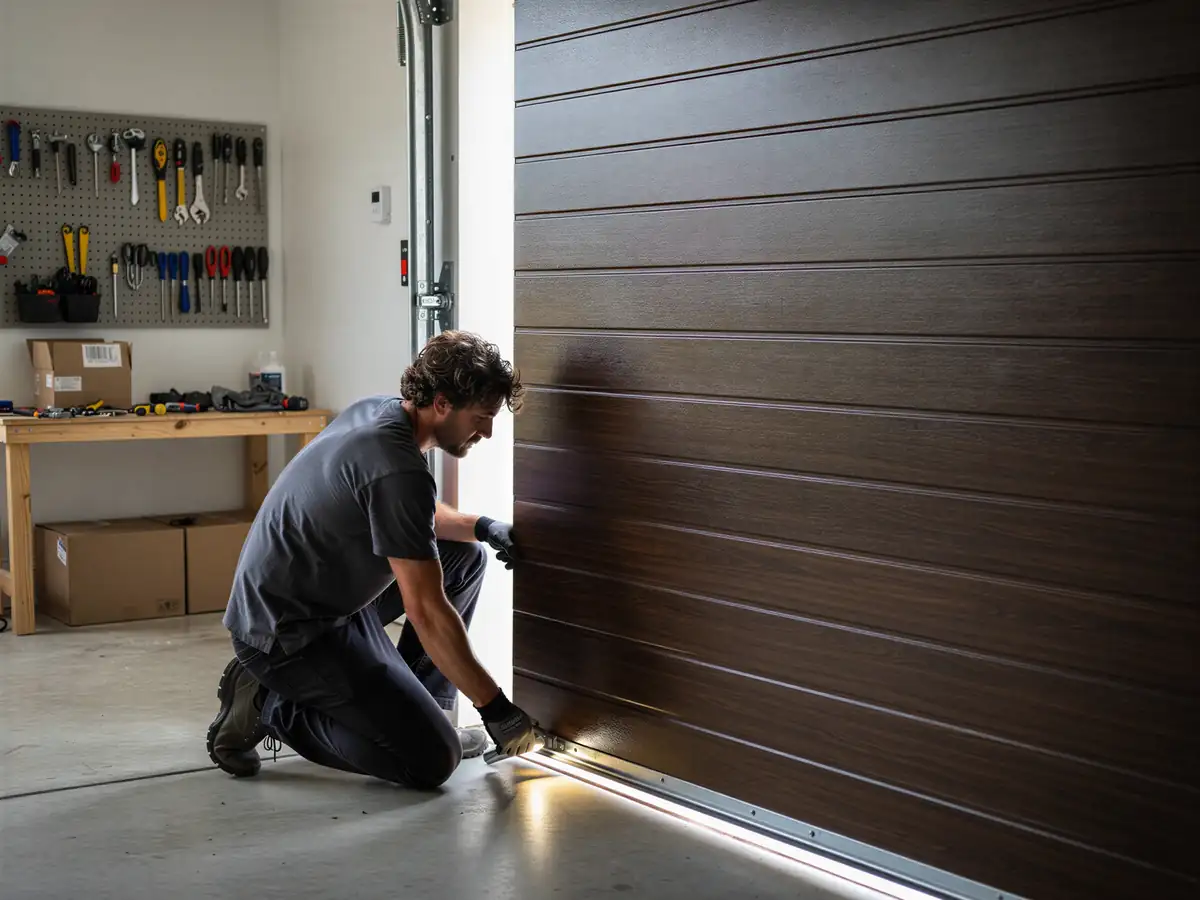
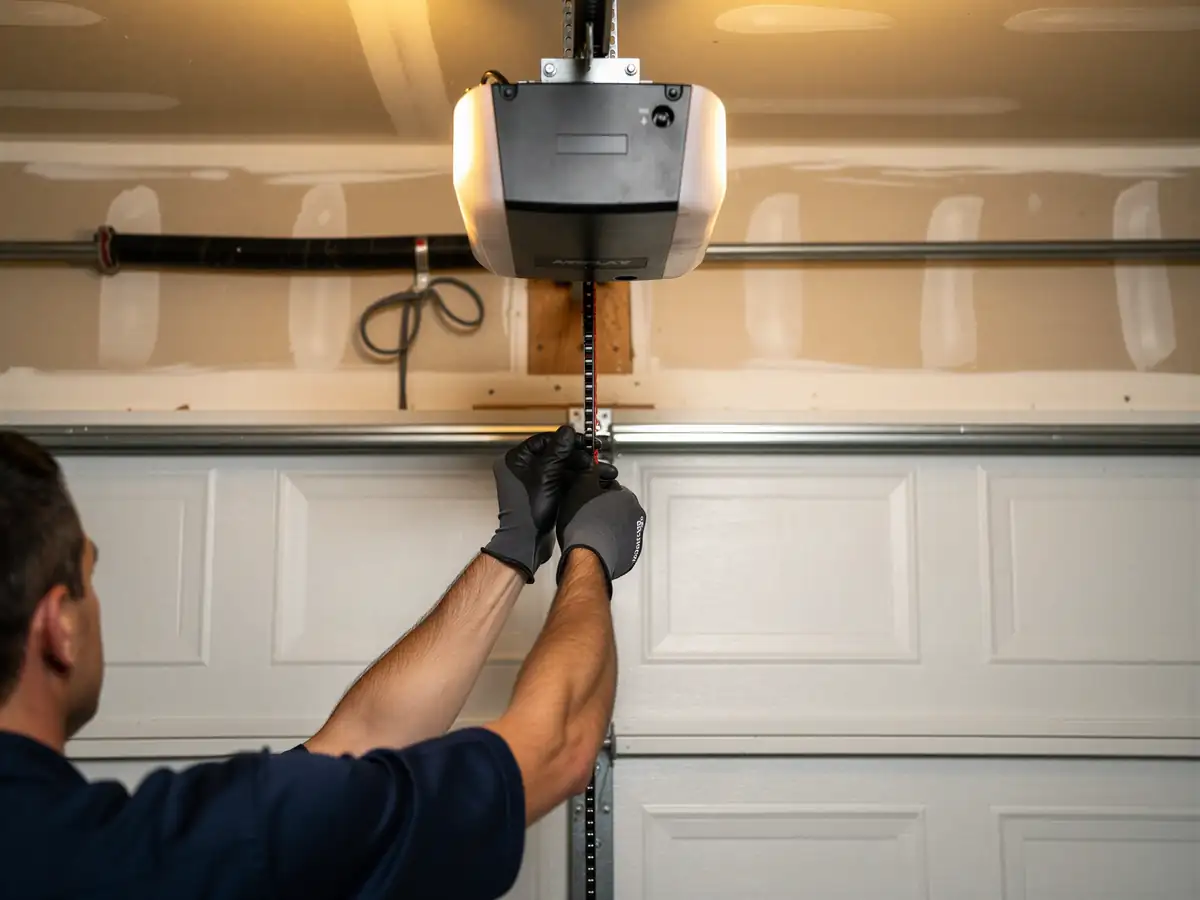
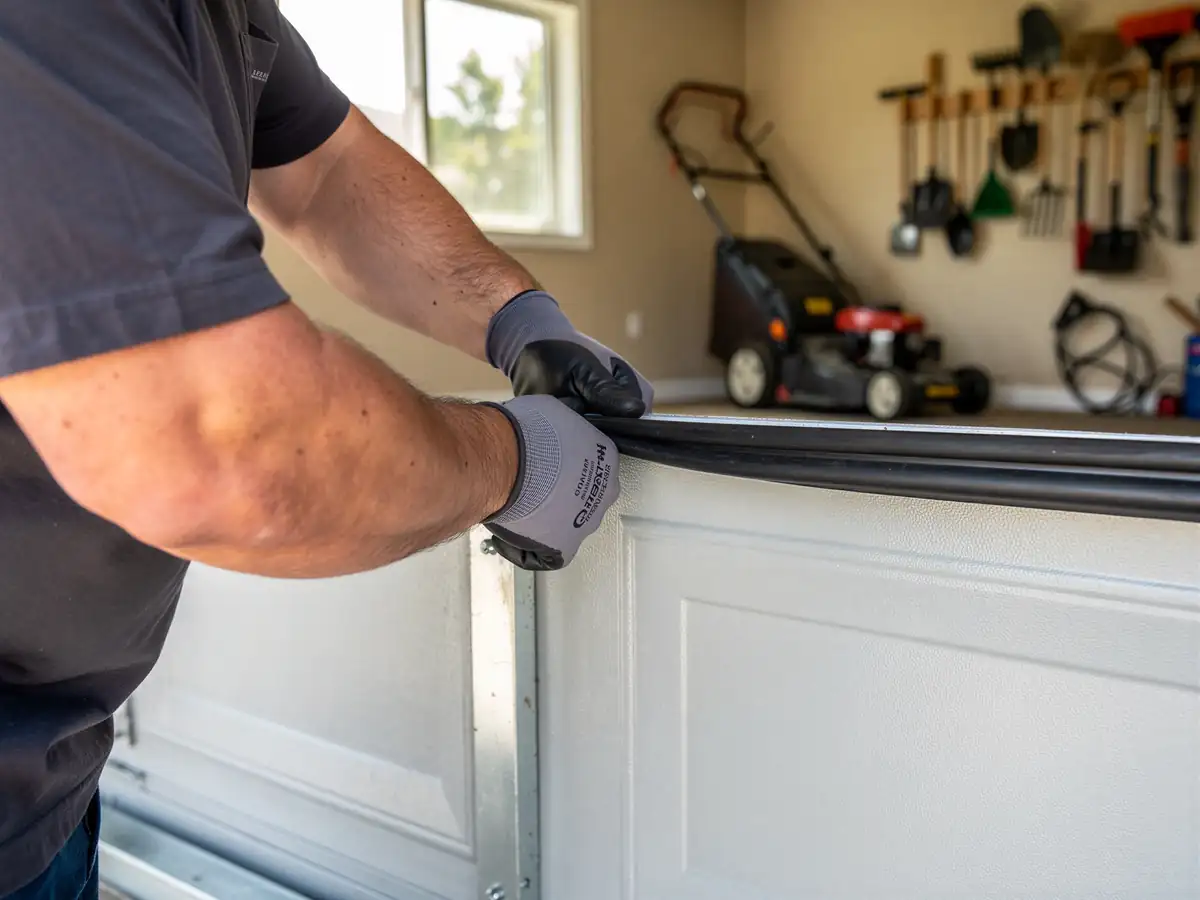
Start with the number that actually decides most calls out here: median household income in Lockwood runs about $74,451. At that level, the math on a double garage door almost always favors a tune-up and targeted repair over a full replacement, provided the opener motor and track are still sound and the only thing failing is hardware - springs, rollers, cables, the stuff that wears out on a schedule. A full replacement only pencils out when the door itself has gone soft (sagging sections, rust-through on the bottom panel) or the track is bent beyond adjustment. Maintenance visits exist to keep you on the cheaper side of that line for as long as the door will allow it. Lockwood sits about 8 miles from Billings, close enough that a truck doesn't need to pad the estimate for drive time, which keeps a standard maintenance visit priced like the job it is rather than like a special trip. We don't quote a flat number here without seeing the door - a torsion spring job and a worn-roller tune-up aren't the same ticket - but the starting point for most Lockwood houses is repair, not replace.
Where This Job Goes Sideways
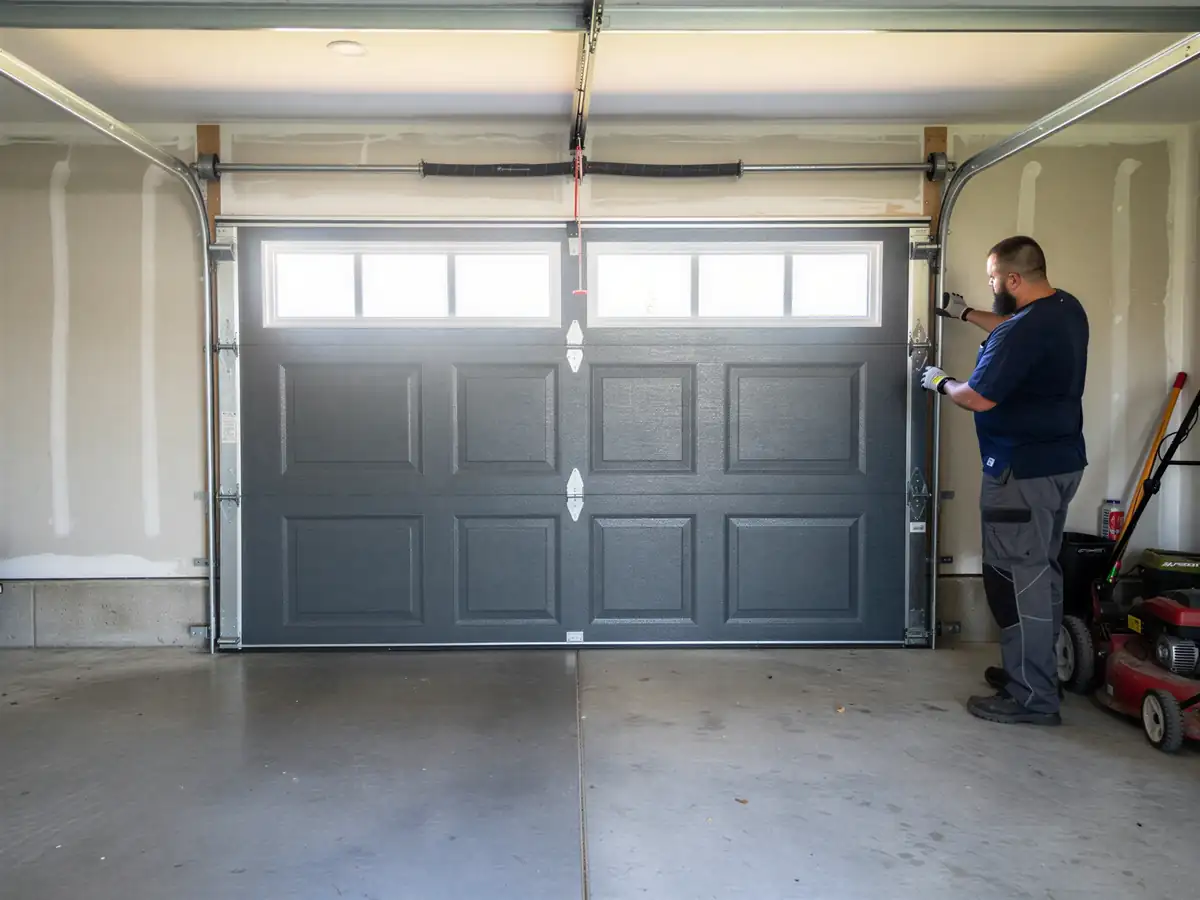
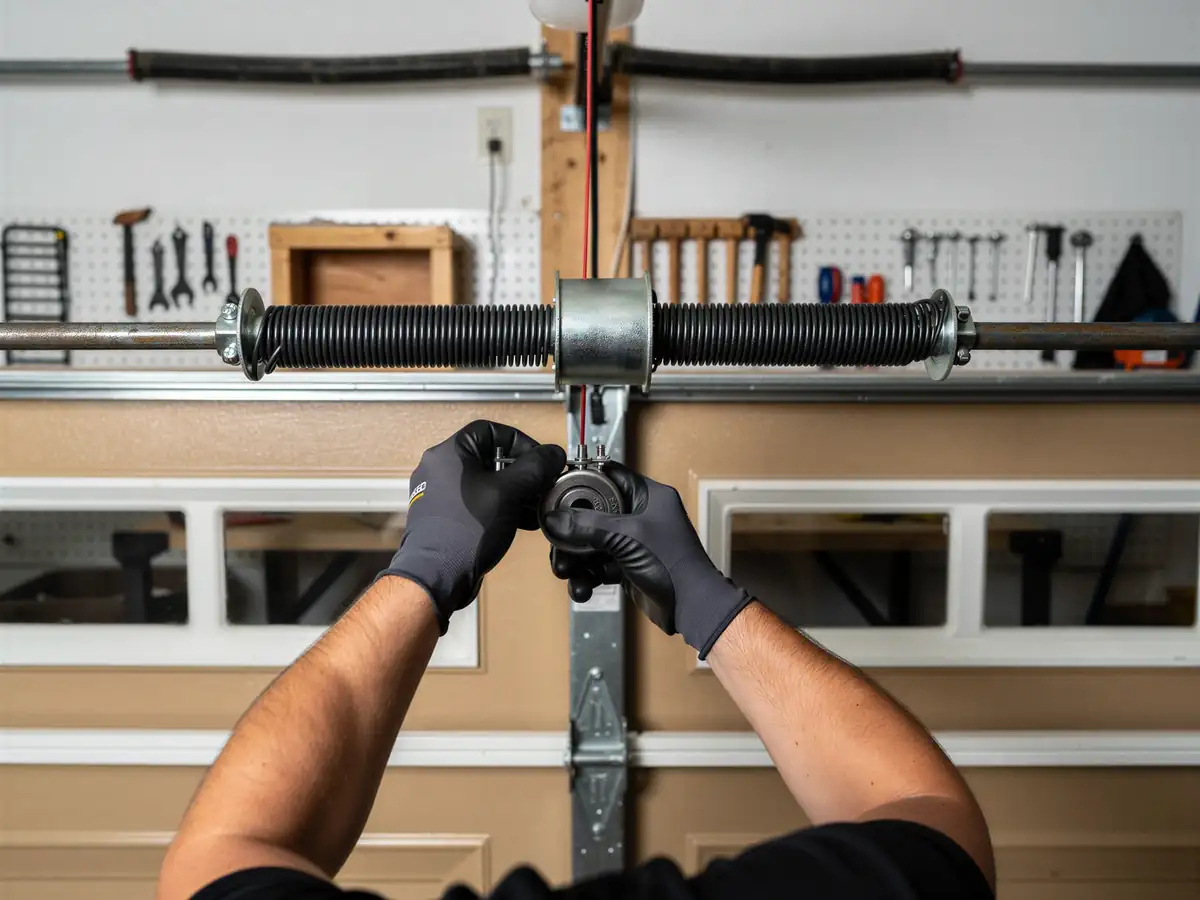
The median year built in Lockwood is 1982, a few years ahead of the 1973-2010 range (median 1985) that covers the broader service area. That small gap matters: it means a larger share of Lockwood doors are running original or first-replacement torsion springs that have already outlived their rated cycle count, and nobody notices until the spring lets go on a cold morning. This area sits in a severe-cold climate band, and cold is what exposes tired hardware - stiff lubricant, nylon rollers that have gone brittle, cables that have lost a strand nobody saw because they never got looked at. The job goes sideways when a homeowner books a 'quick tune-up' and the tech finds a spring at the end of its life, because now it's not a lubrication visit, it's a parts call. We'll always tell you straight when that's what's in front of us instead of running up the invoice on work the door doesn't need yet. The honest limit: a maintenance visit can extend a spring's life, but it can't reset the cycle counter, and it won't fix a track that's already bent.
The Symptom
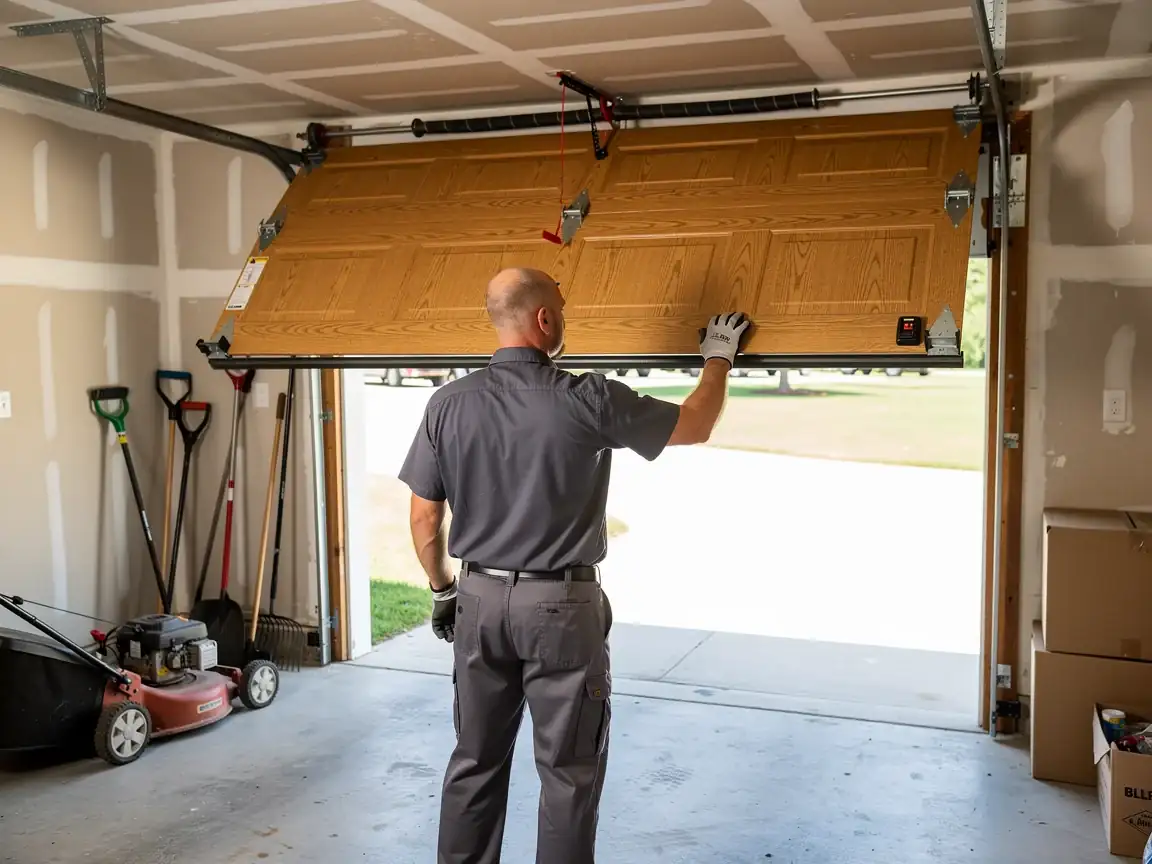
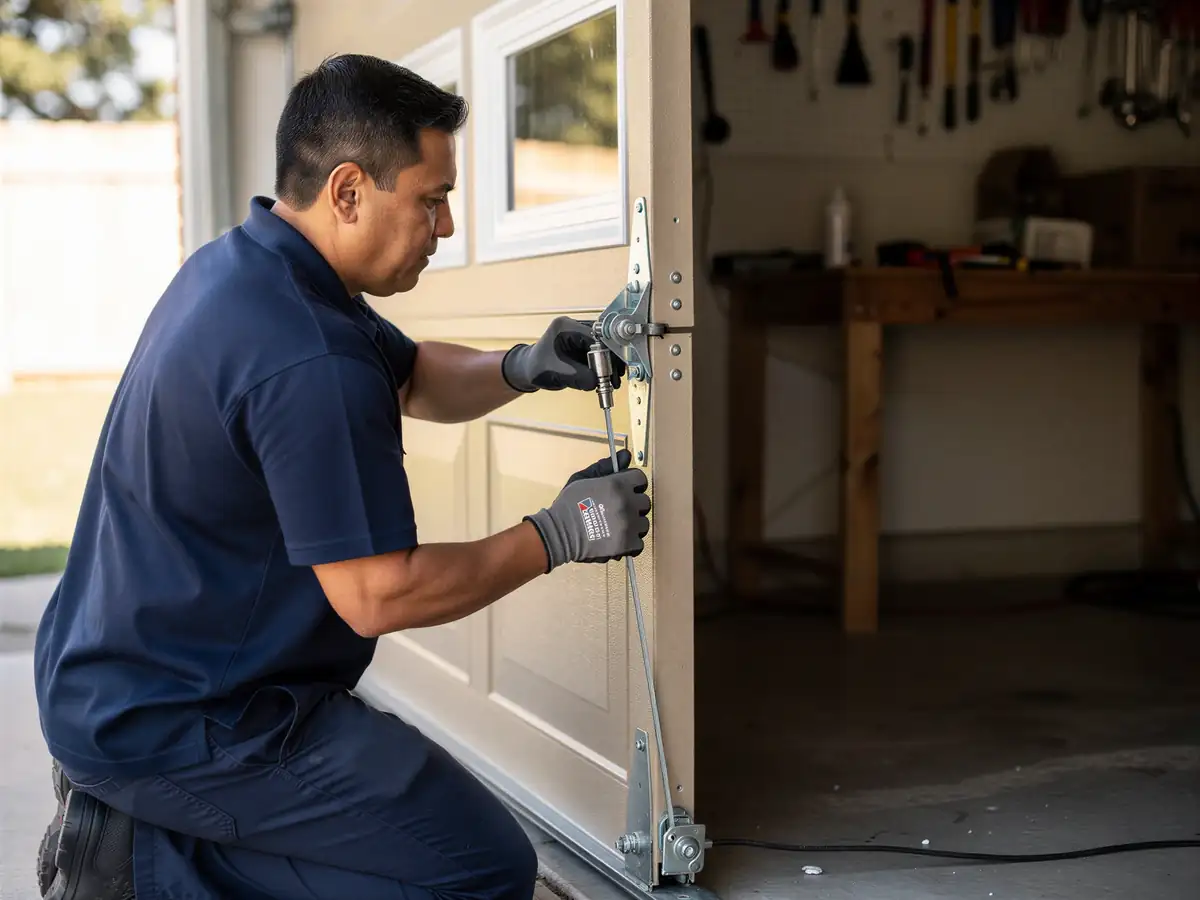
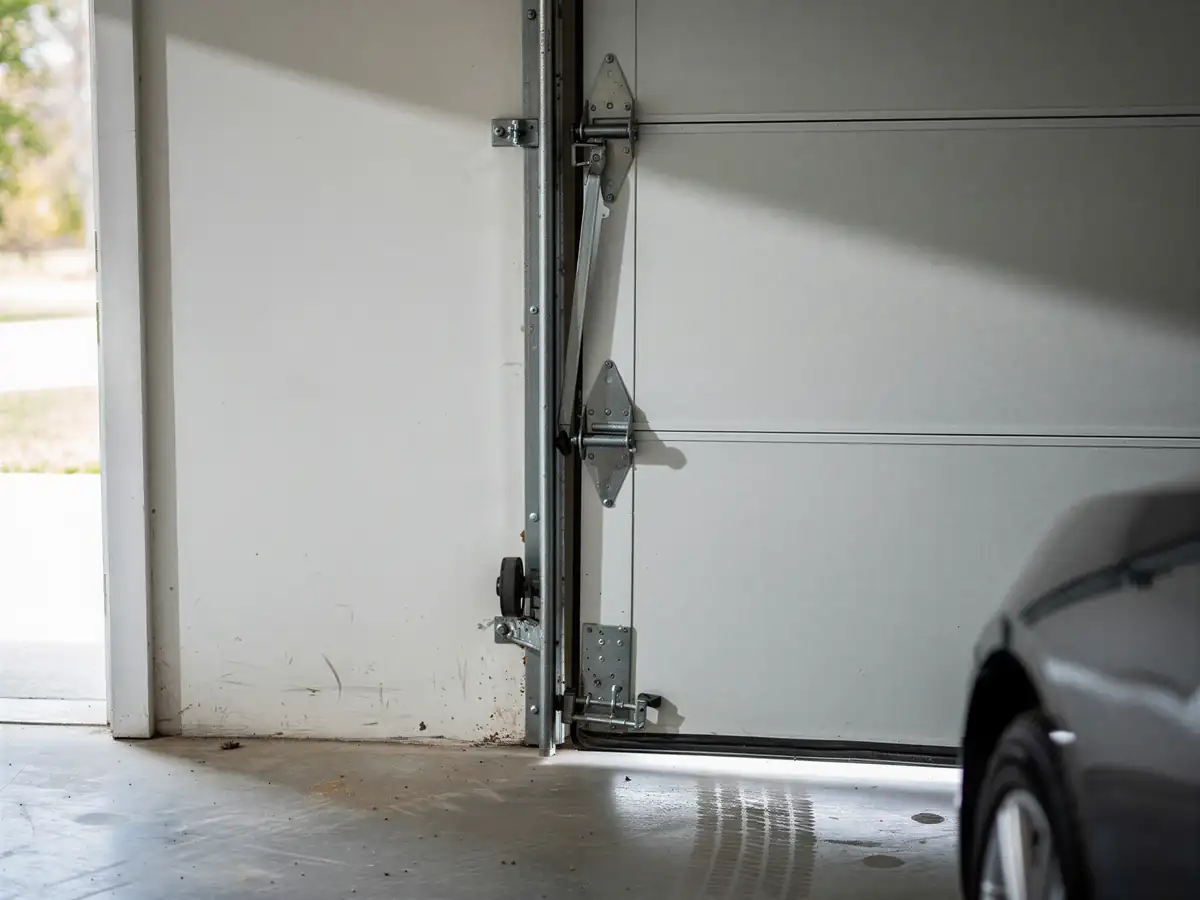
The complaint we hear most from this stretch of houses is a door that's started making a grinding or popping noise partway through its travel, usually worse in the cold months. On a door from the early 1980s that's often a roller that's gone from nylon to brittle plastic chips, or a hinge that's loosened just enough to let the panel flex against the track. The second most common symptom is a door that reverses on its own a few inches off the floor - more often a sensor alignment knocked off by seasonal ground shift than a safety fault, but it's worth checking before assuming the worst. Across the broader area this company covers, the household count runs about 6,294 with 2,689 owner-occupied houses, and Lockwood's own count of roughly 2,741 households sits close enough to that pattern that its 1980s-era doors are a known quantity, not a guess. If your door is doing either of these things, a maintenance visit is the right call before it becomes a spring replacement.