The Cost of This Job
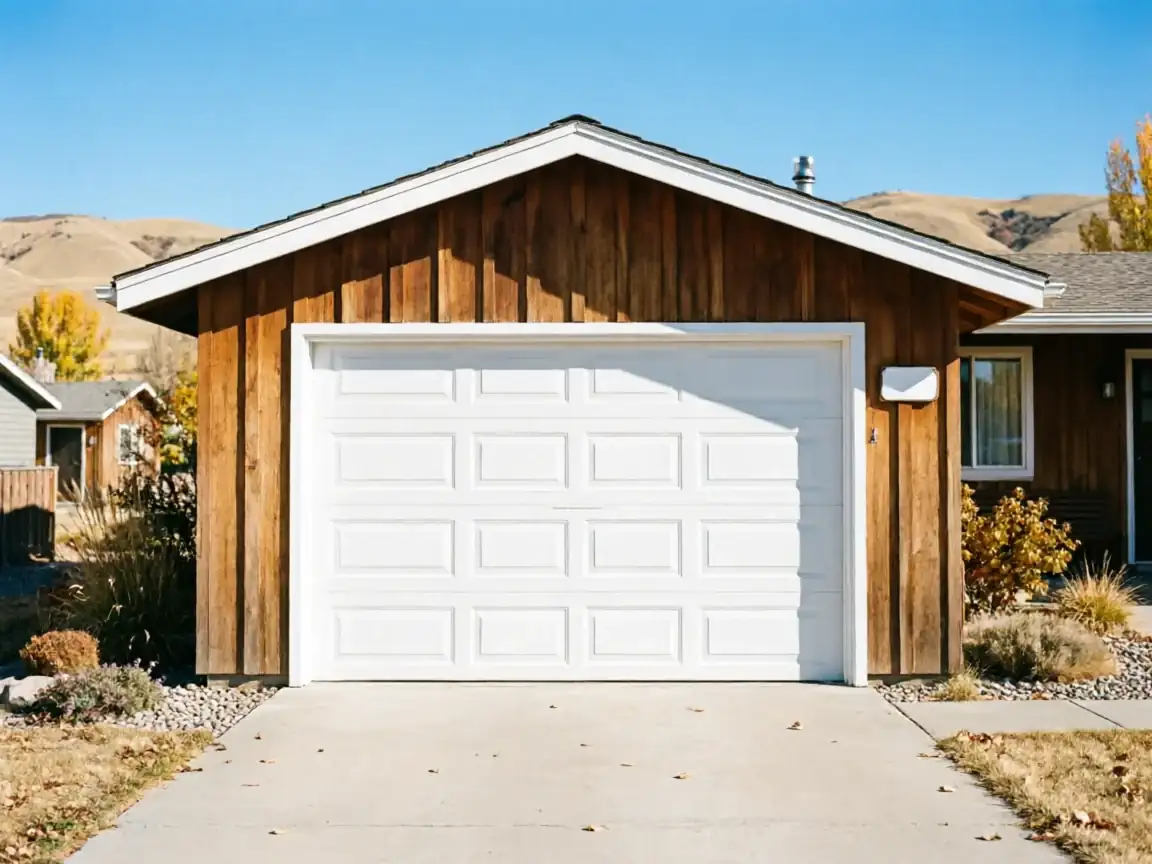
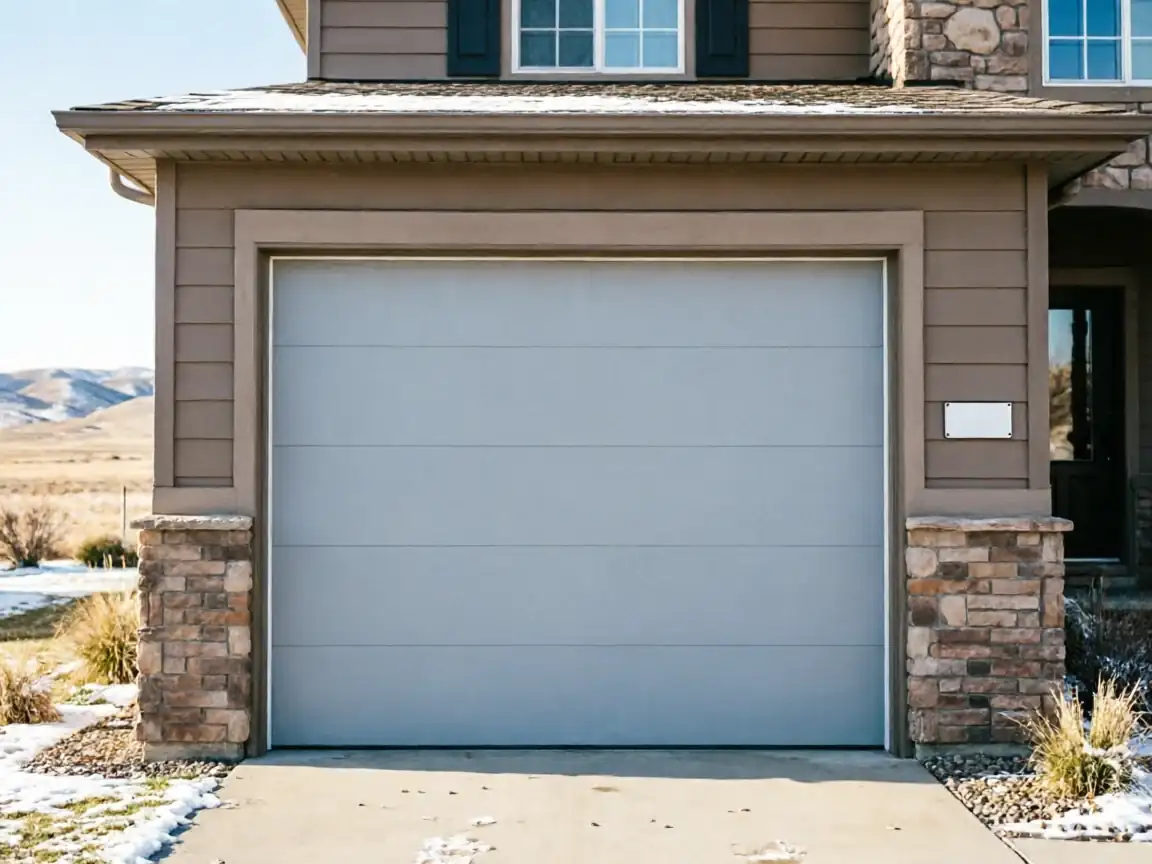
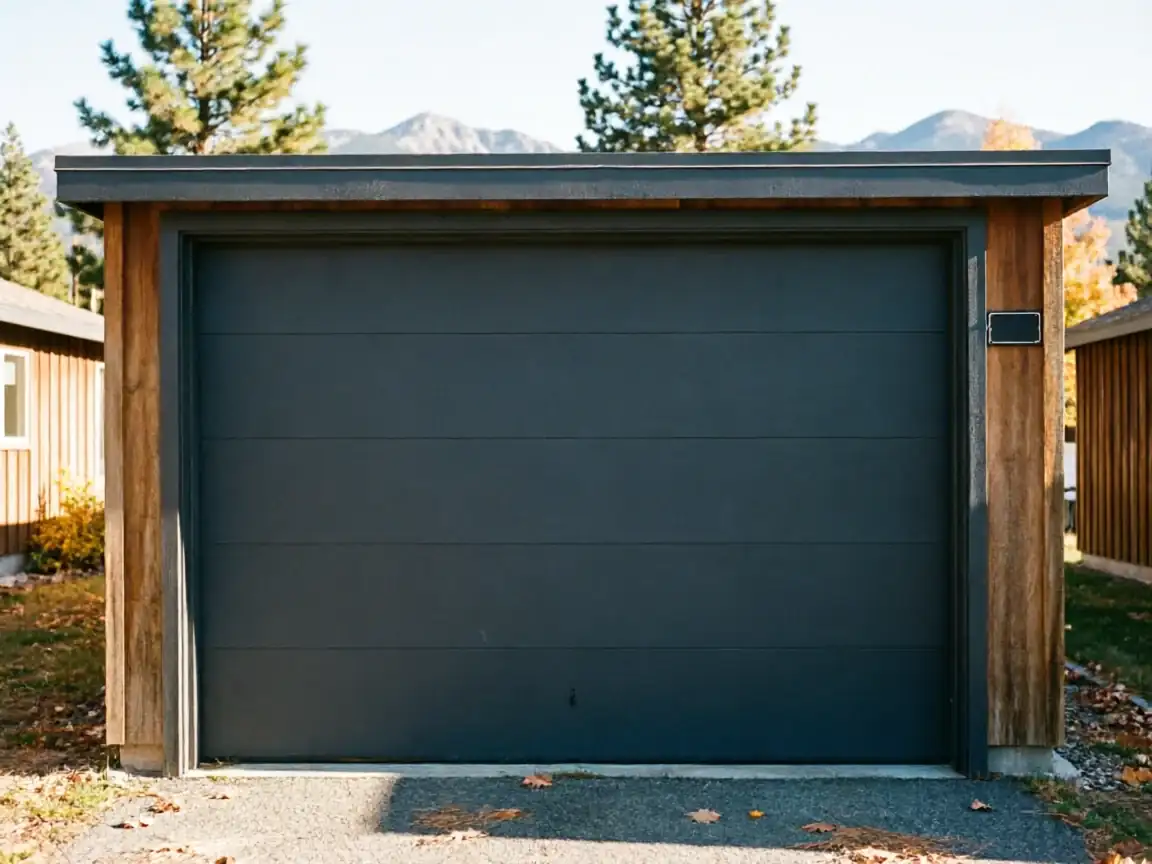
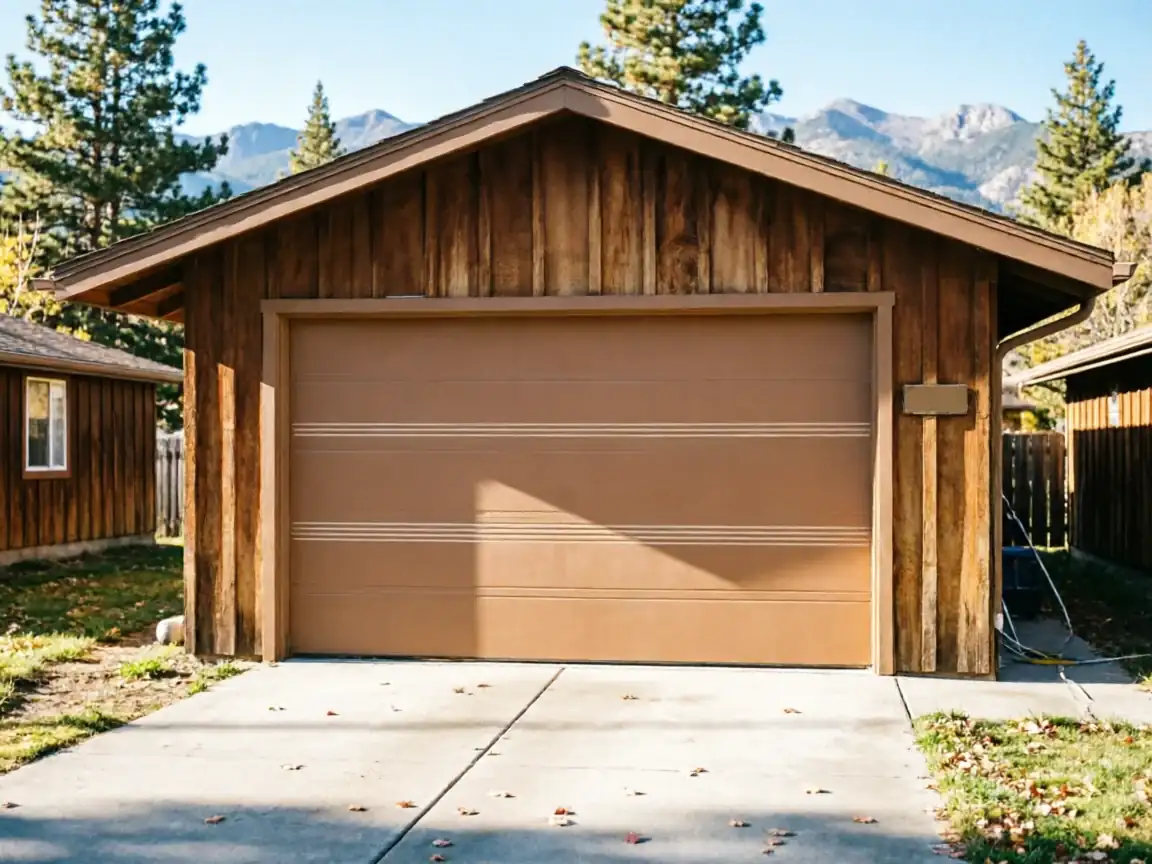
Most houses in Lockwood went up in the early 1980s, and that shapes what a repair actually costs here more than anything else. The original door on a lot of these homes is a plain steel sectional, two-car width, hung on torsion springs that were never upgraded. Replacing a spring on that setup is a bounded job - the hardware is standard, the parts are common, and the labor is predictable. Where the number climbs is when the door itself is the problem: forty years in, panels rust through at the bottom section, rollers wear oval, and the track has been reset by hand once too often. At that point you're pricing a door, not a spring, and that's a different conversation.
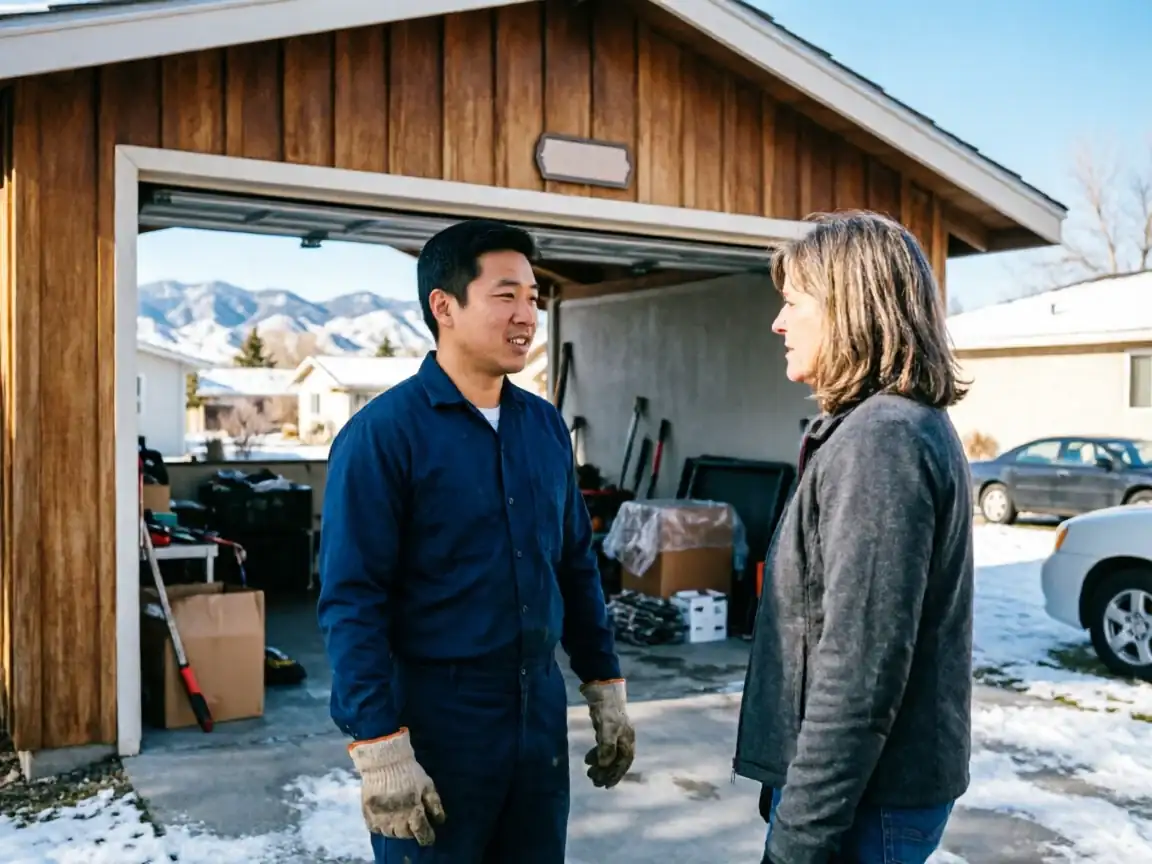
Lockwood sits about 8 miles out from Billings, and that drive is part of the job cost whether it's a same-day spring call or a scheduled install. It's not a separate fee line so much as it's built into how the day gets planned. Median household income in this area runs around $74,451, and most homeowners here treat a full door replacement as a planned expense, not an impulse buy - which is fair, because a quality insulated door is not a small purchase. The honest limitation: if a part is obsolete - some of these early-80s doors used discontinued hardware - we may need to order it rather than carry it on the truck, and that adds days, not hours.
Where This Job Goes Sideways
A door built around 1982 almost never has the gap tolerances or safety features of anything made in the last fifteen years. The job goes sideways when someone tries to treat it like a modern door - swapping in a universal opener bracket, for instance, on a track that's been bent slightly out of true for a decade and nobody noticed because the door still closed. It closed. It just closed wrong.
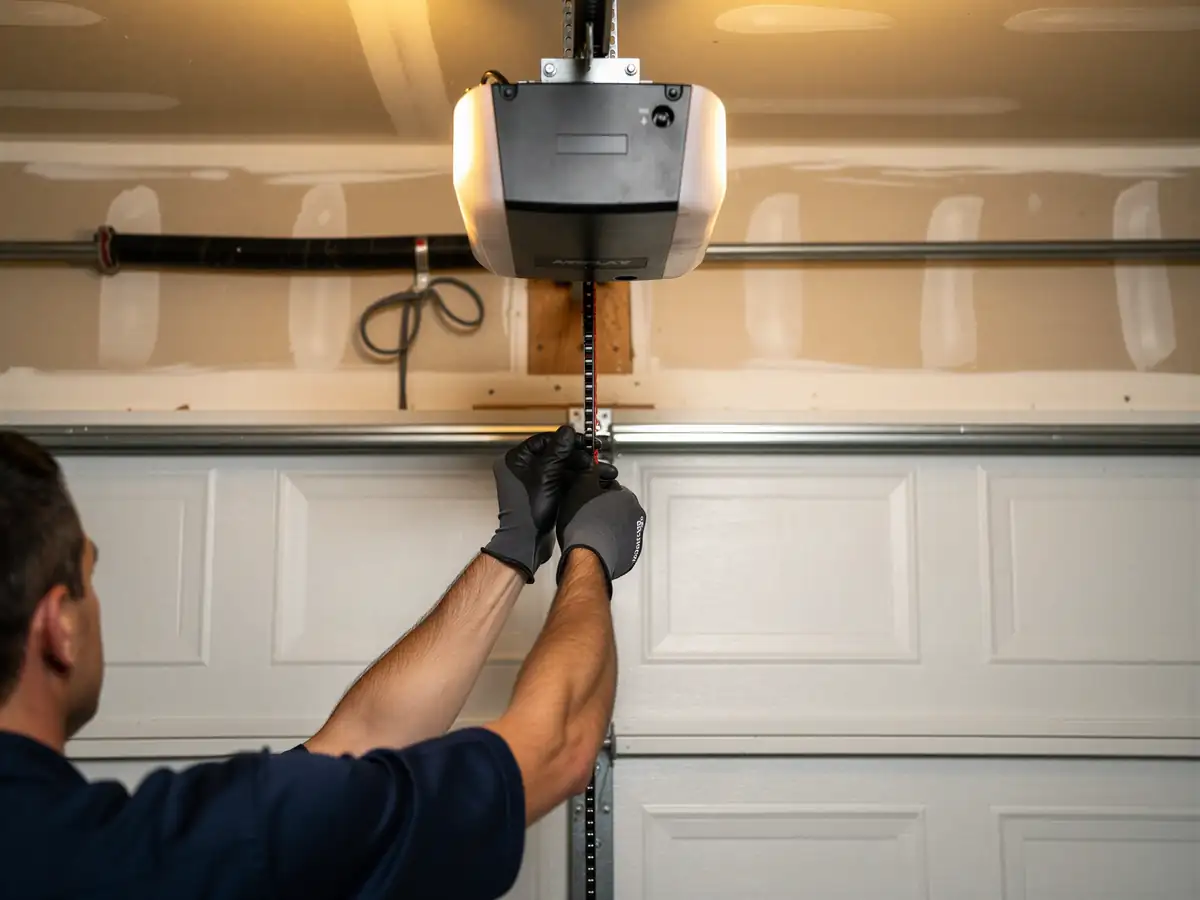
Cold is the other variable that catches people. This area sits in a severe-cold band, and a steel door from the early '80s typically has no foam core - it's a single skin of metal. That means condensation and ice form on the inside face in winter, not just the outside, and a torsion spring that's lived through forty winters of expansion and contraction is more likely to fail on the coldest morning of the year, not a mild one. We've seen people try to force a frozen door with the opener still engaged, which strips the drive gear and turns a $200 spring call into an opener replacement. If the door won't move freely by hand, don't let the opener keep trying.
What Is on the Truck
For Lockwood calls we load for the door that's actually likely to be there
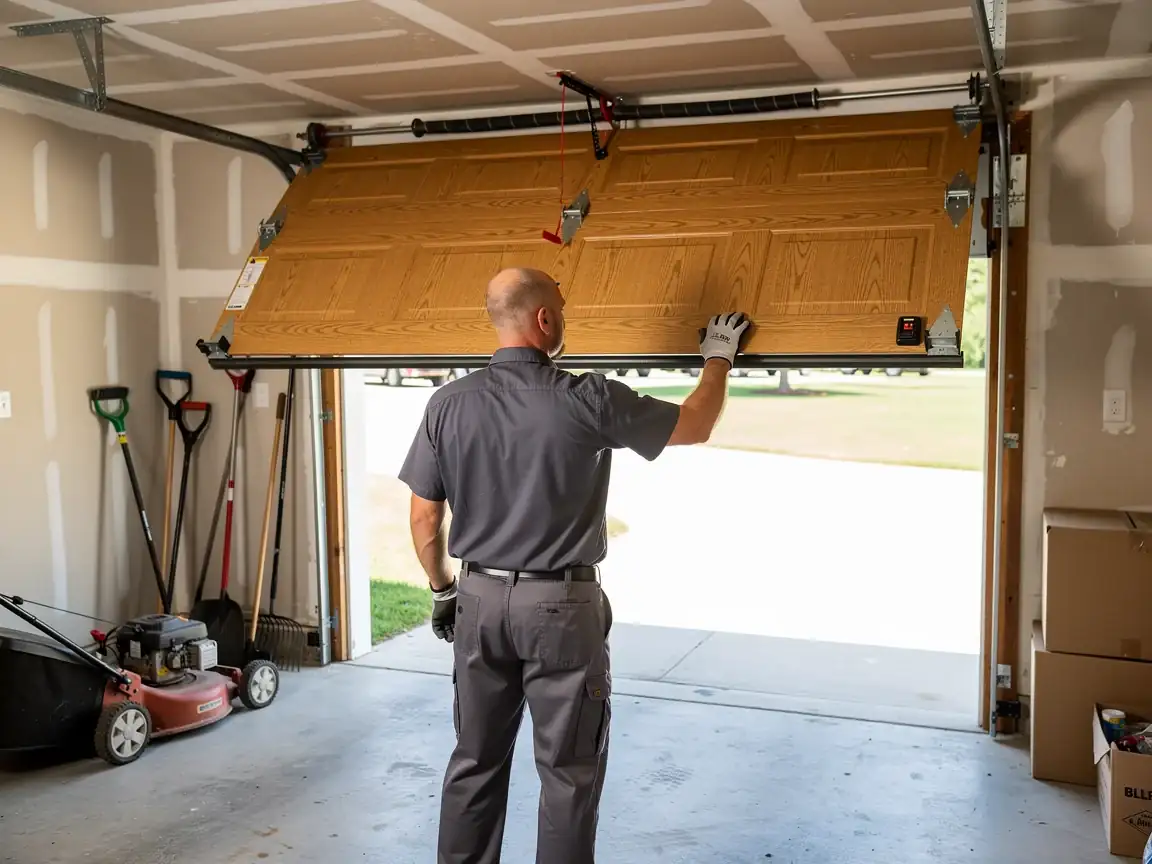
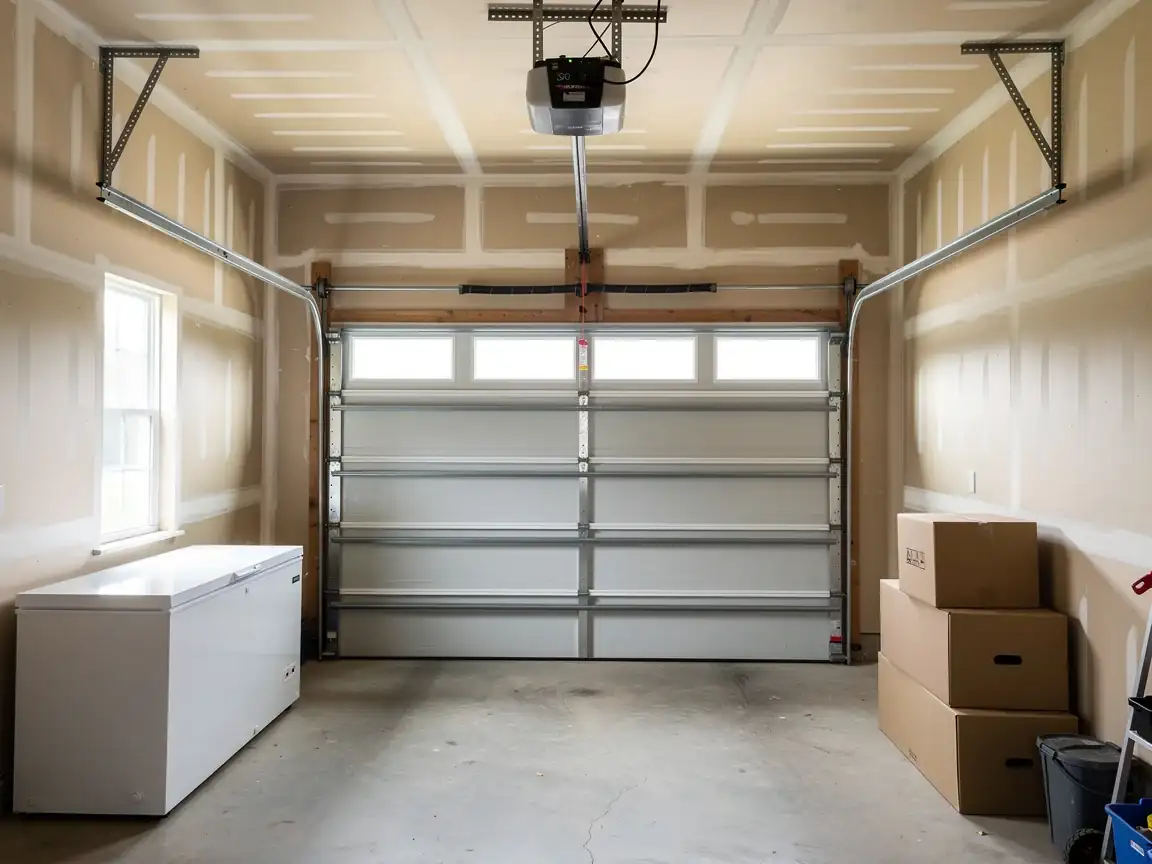
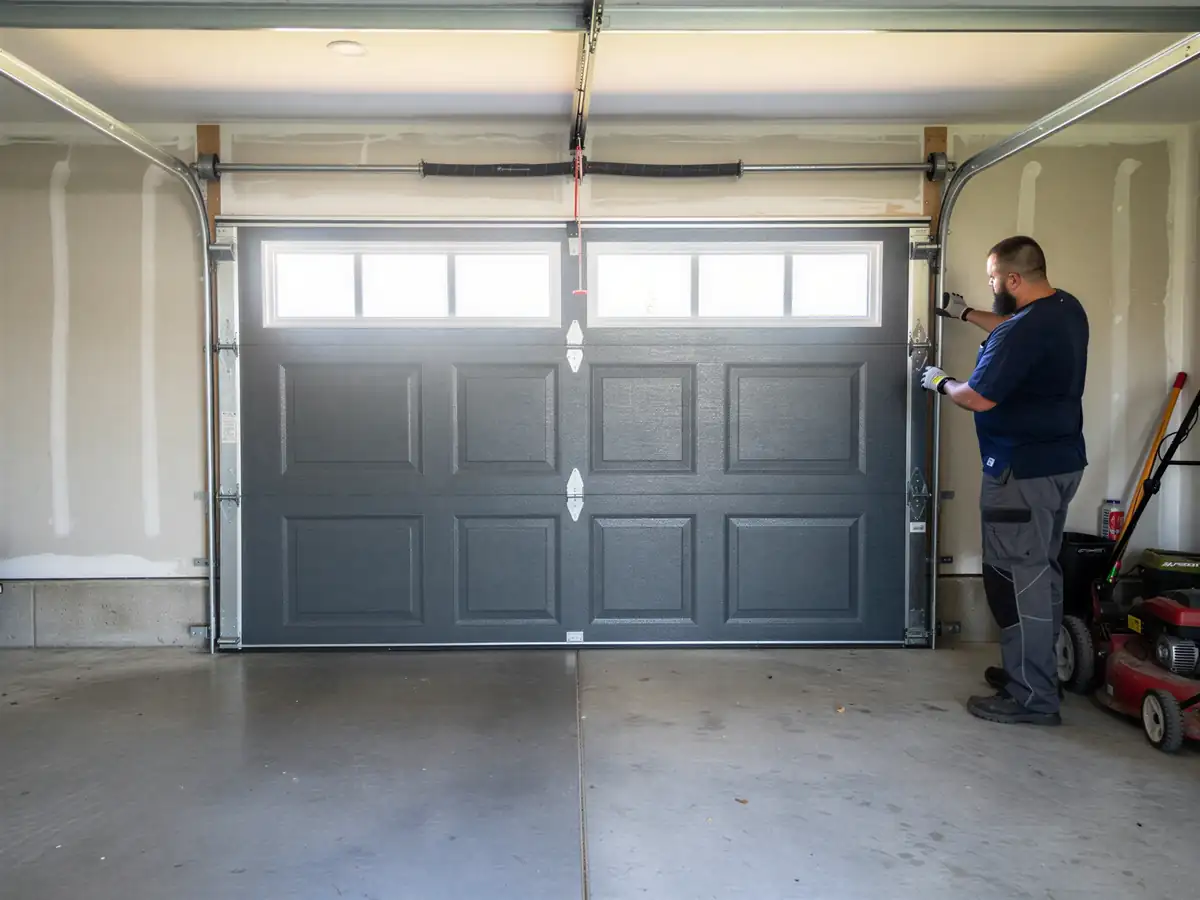
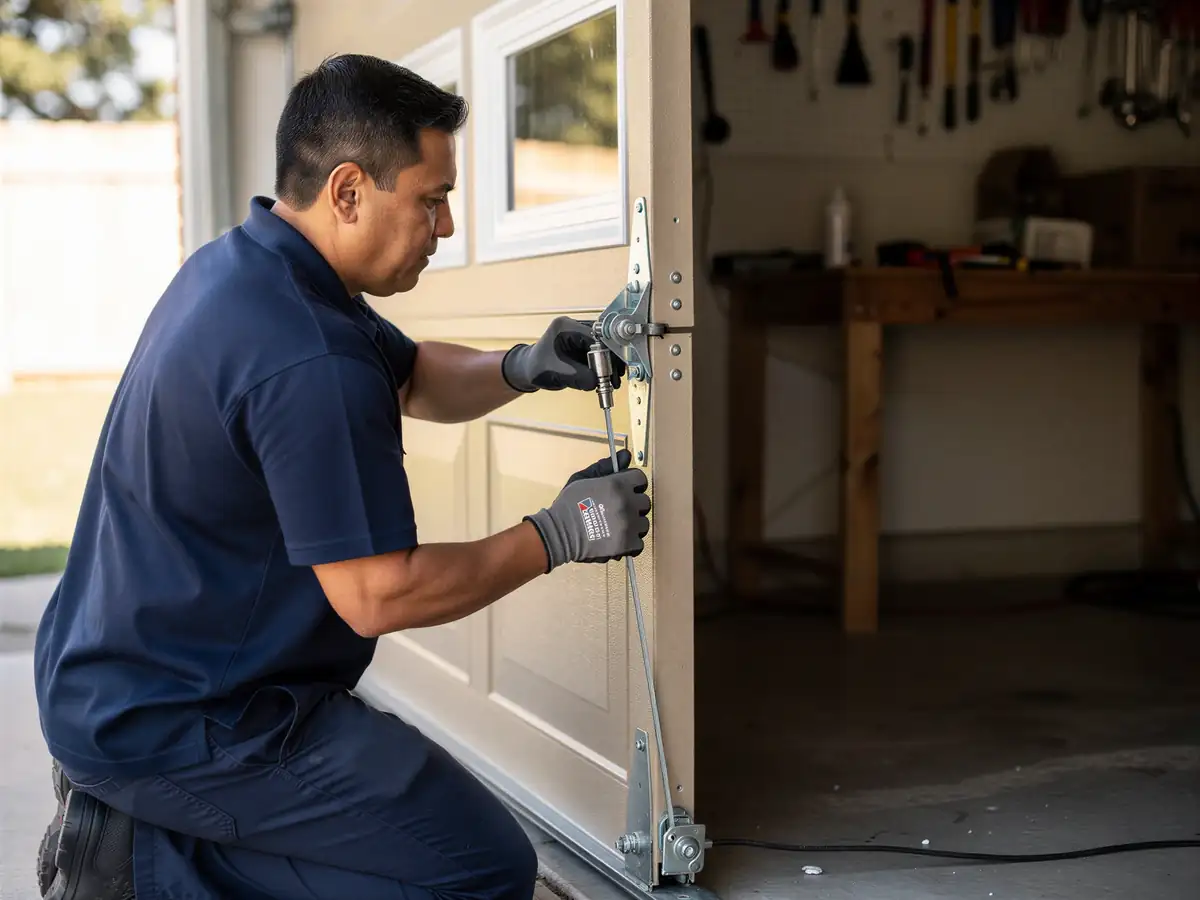
A steel sectional sized for a standard two-car bay, torsion spring setup, and galvanized track hardware consistent with early-to-mid 1980s construction. That means standard-wind torsion springs in the sizes that fit that era's drums, steel rollers to replace the worn originals, and the fasteners and track brackets that match older stud spacing rather than newer pre-fab kits.
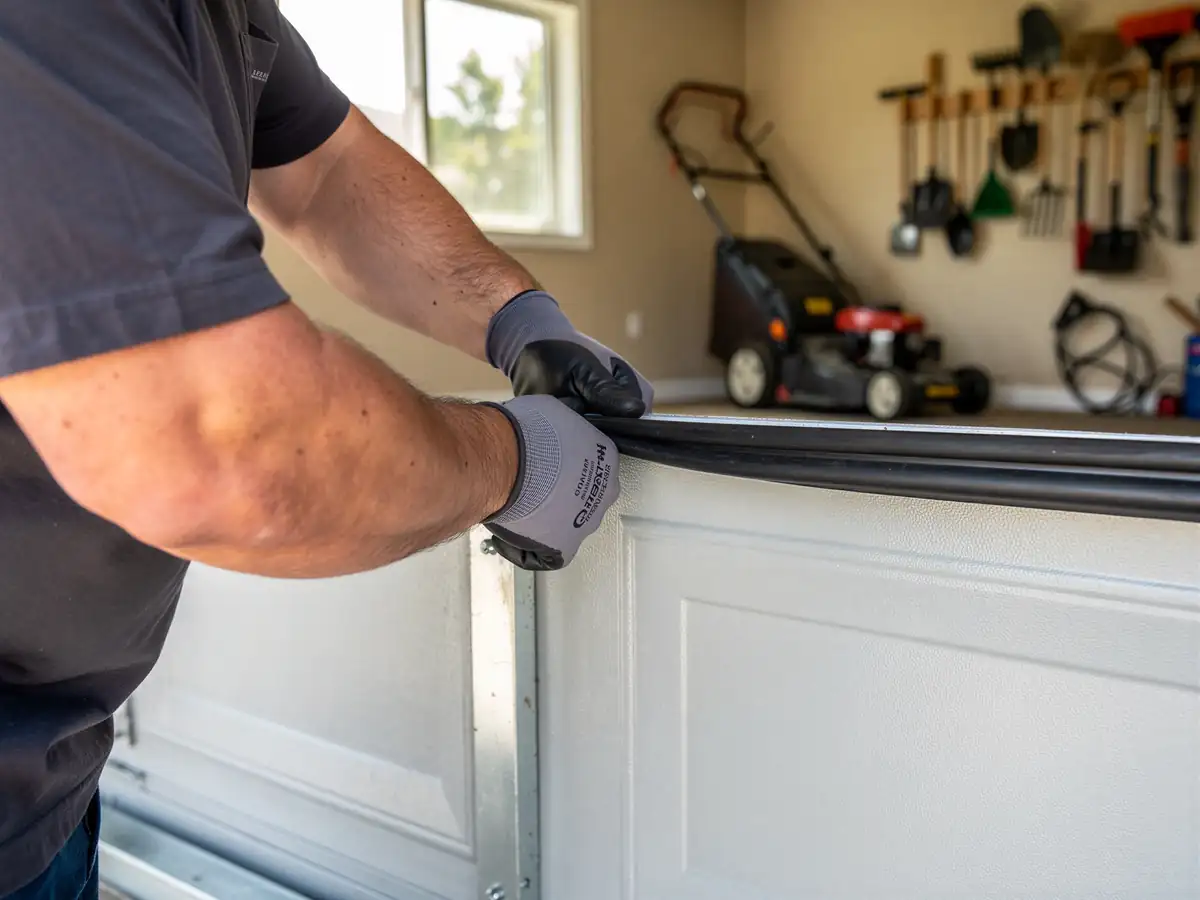
We also carry weatherstripping and bottom astragal seals
Since an uninsulated door from this period usually has whatever seal was on it decades ago, cracked and compressed flat. In a severe-cold climate that seal is doing real work, and replacing it is often the cheapest fix that makes the biggest difference to how the garage feels in January. What we don't carry as a standard stock item is a replacement door panel matched to a discontinued 1980s profile - those sometimes have to be special-ordered, and we'll tell you straight if that's the case rather than jury-rig a mismatched panel.
The Symptom
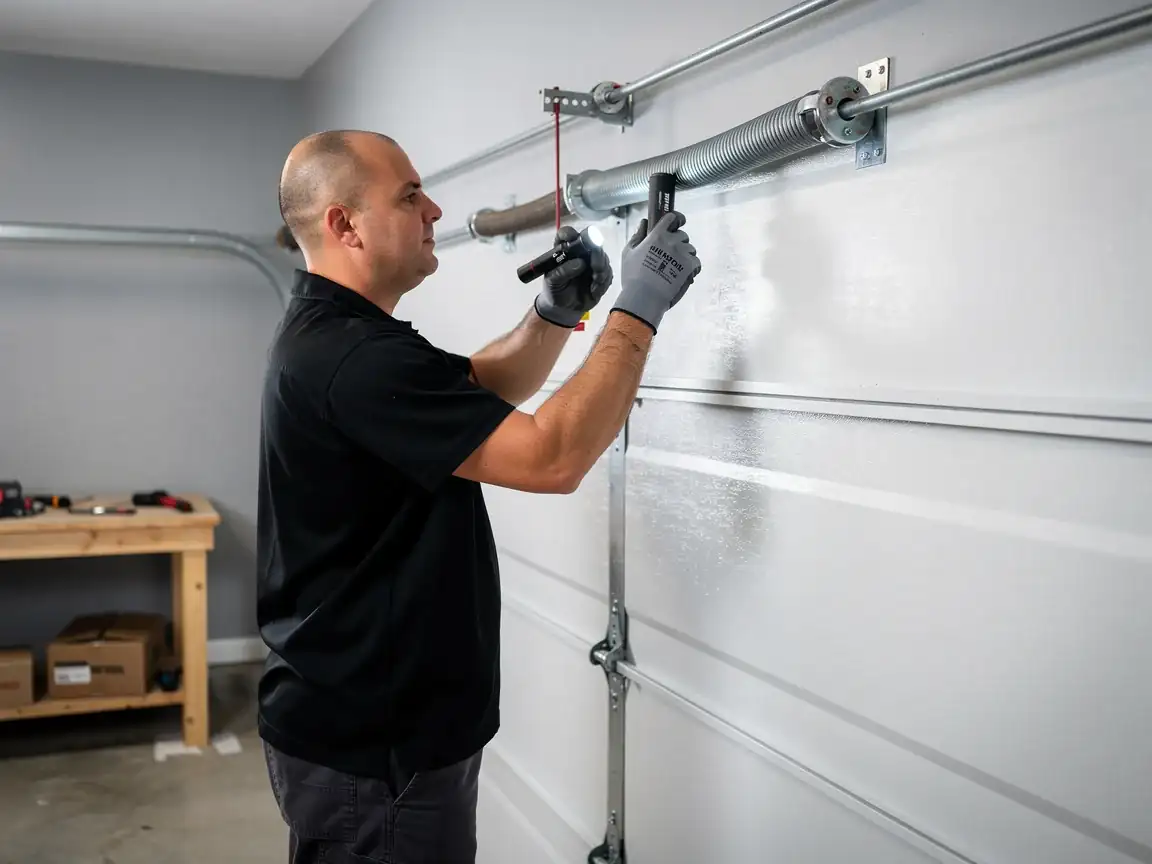
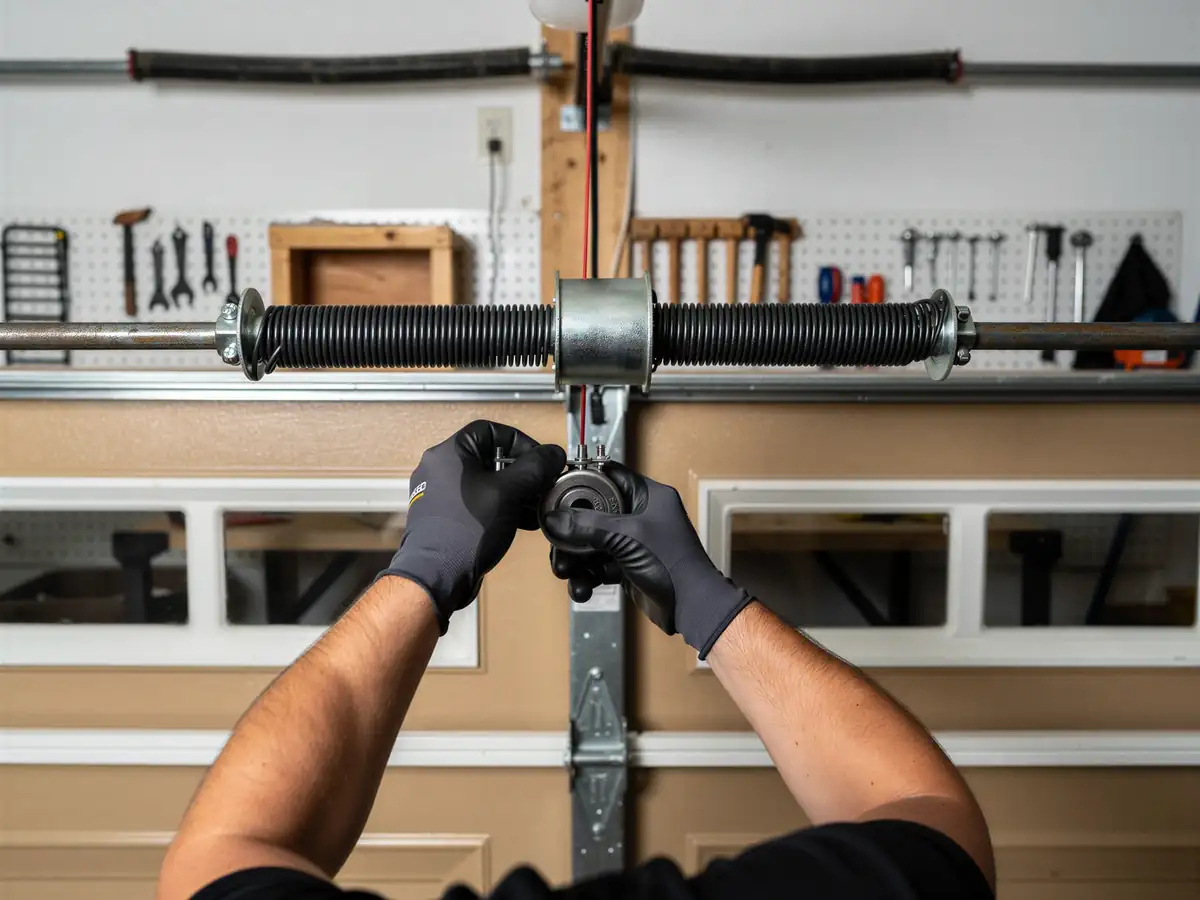
The call we get most from this part of the service area starts the same way: the door is heavy to lift by hand, or the opener strains and reverses partway up. On a door from this era, that's almost always a torsion spring that's lost tension after years of temperature swings, not an opener problem, even though the opener is what's making the noise. A spring built in the 1980s wasn't rated for the cycle counts we expect from doors today, so by now it's simply worn out.
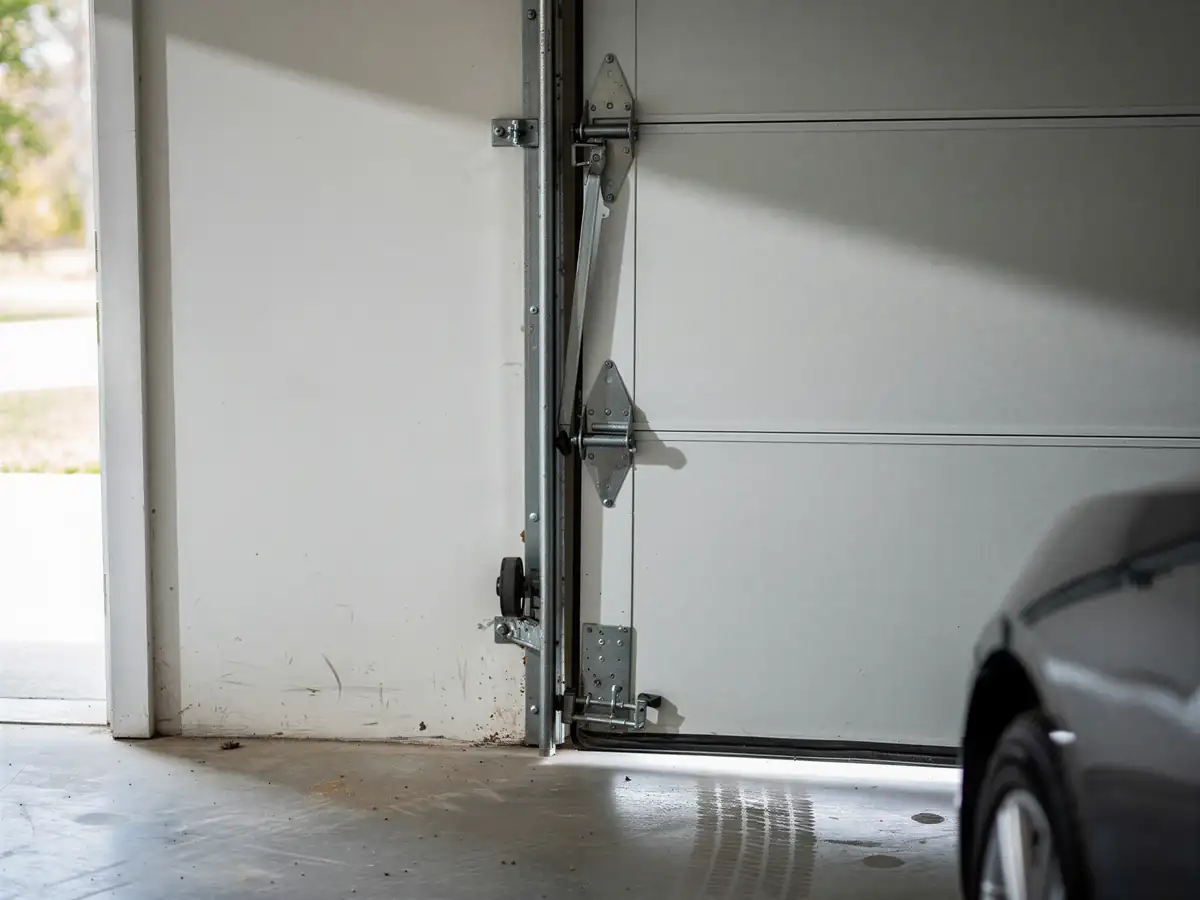
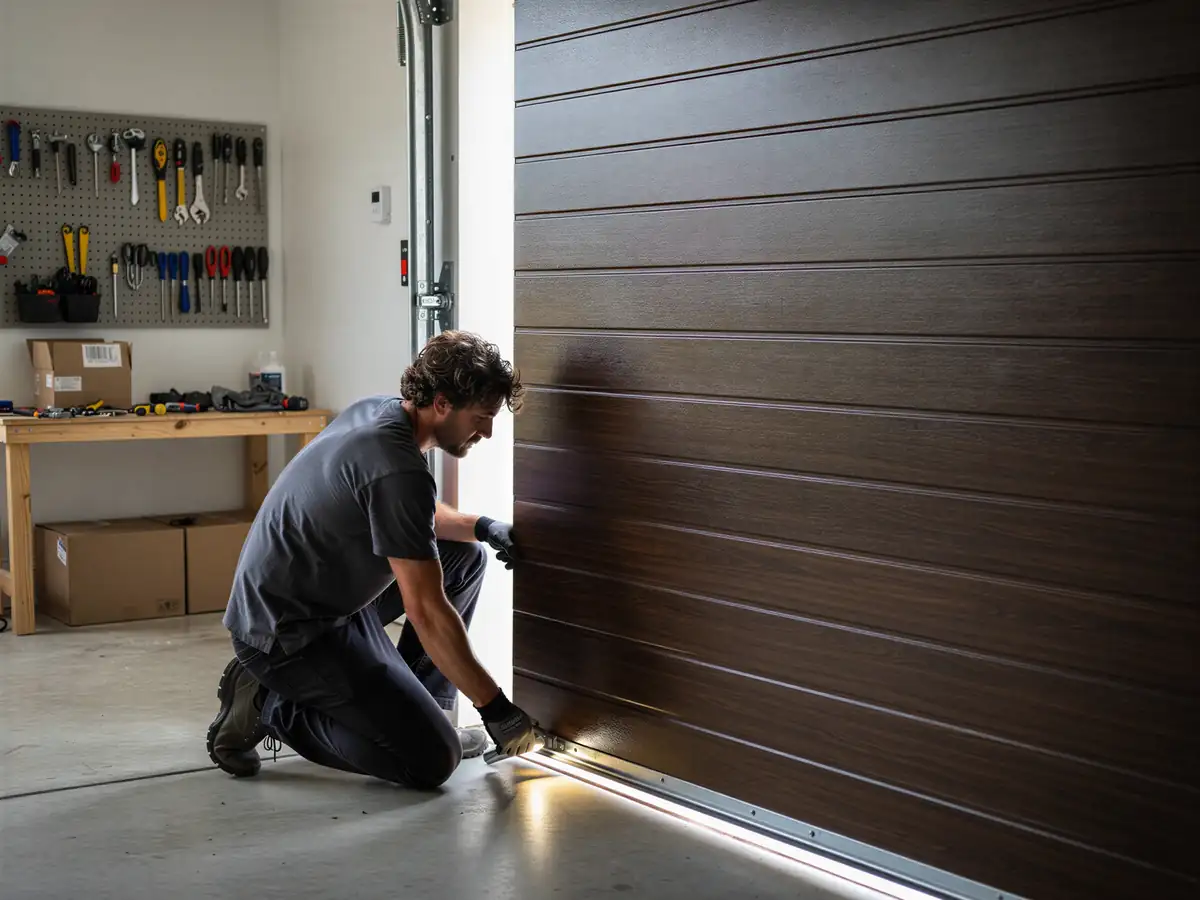
The second most common symptom is a door that looks fine closed but won't seal at the bottom - gaps you can see daylight through on both corners. That's usually the original wood or rubber astragal, compressed and cracked from decades of cold, combined with a track that's shifted slightly as the slab settled. Neither fix is dramatic on its own, but together they explain most of the cold-garage complaints we hear from this stretch of the county, and neither one gets better by waiting for a warmer month to deal with it.