The Cost of This Job
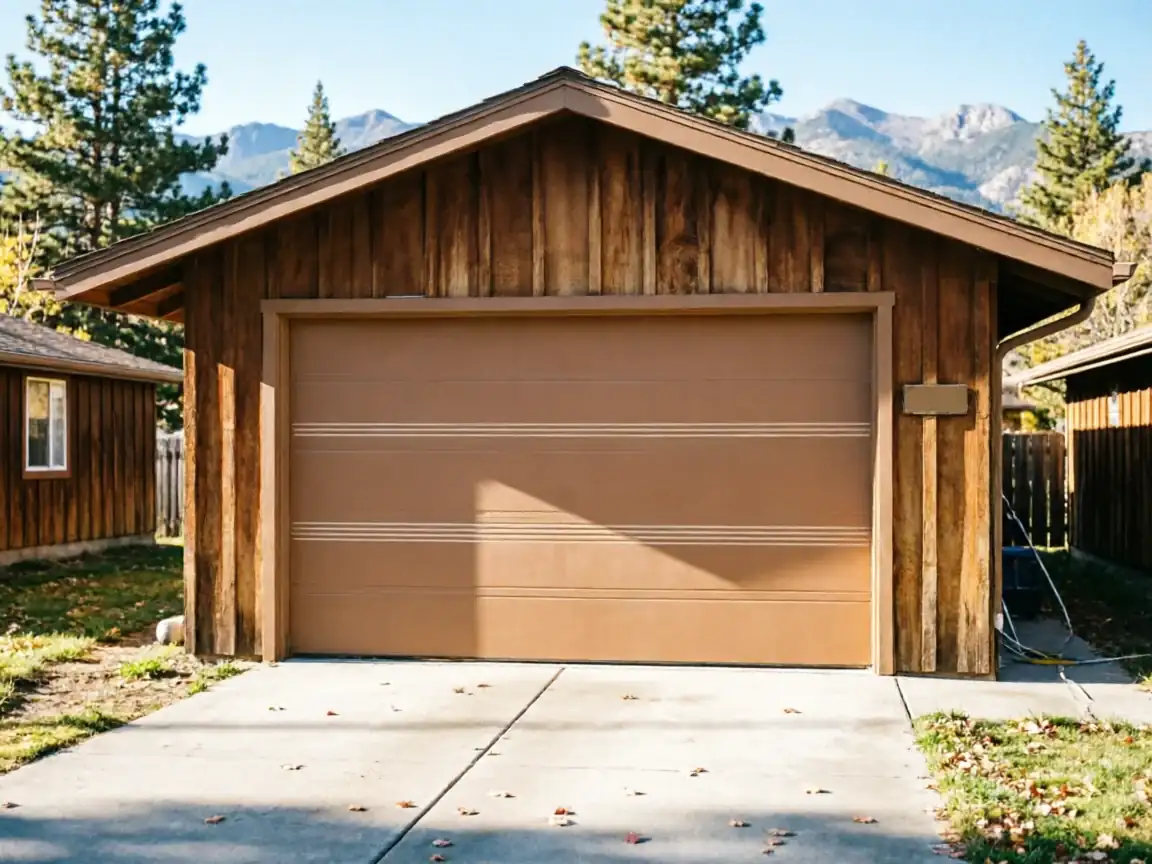
Lockwood sits about 8 miles from our shop in Billings, and most of the houses out here went up around 1982, inside the broader 1973-2010 window we see across the service area. That build year matters more than the mileage. A torsion spring has a rated cycle life, and a spring installed when the house was framed in 1982 has had over forty years to fatigue, rust, or just plain give out. We price the job by spring size and door weight, not by the drive - the truck roll from Billings doesn't change what two torsion springs and labor cost on a double door. Median household income out here runs $74,451, which is in line with what we see across the rest of the area, and most owners we talk to want the spring fixed correctly once rather than patched twice. If the cable or the bottom brackets are also shot from the same four decades of use, we'll say so before we quote - replacing a spring on hardware that's about to fail elsewhere just means a second call.
Where This Job Goes Sideways
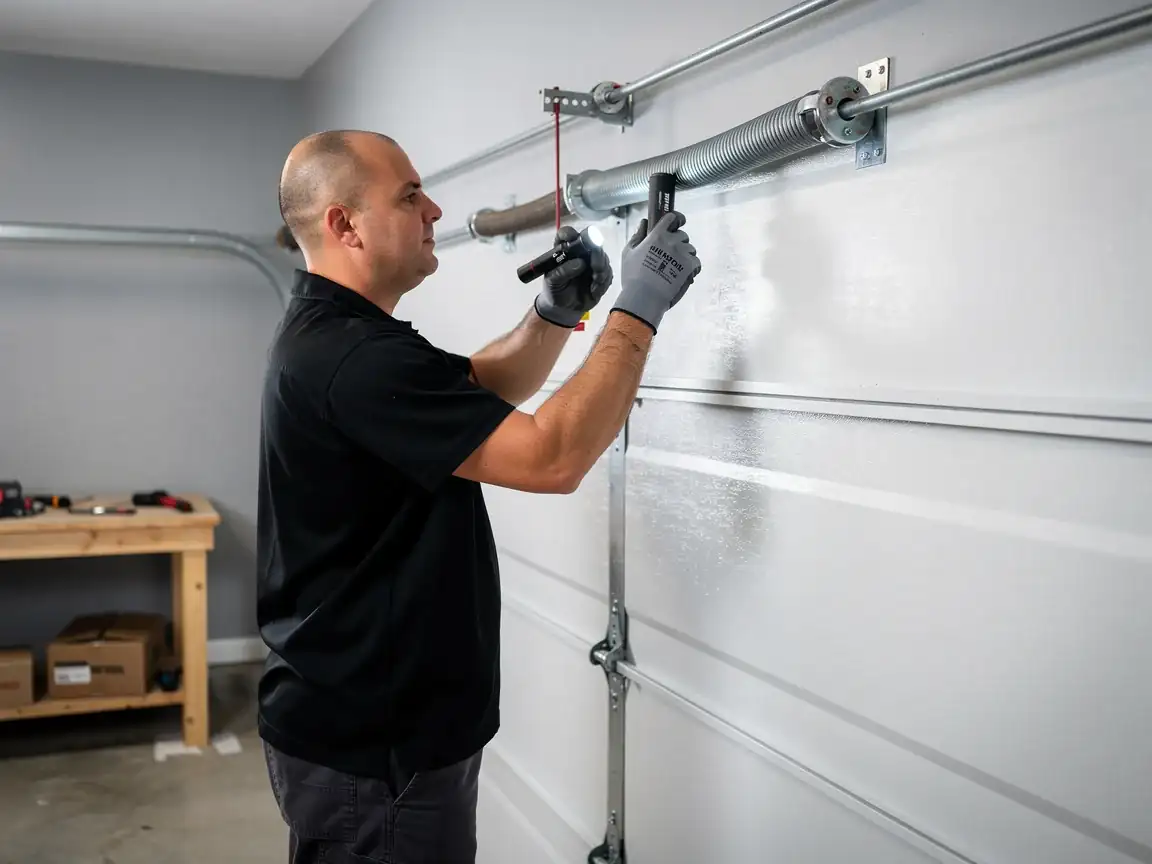
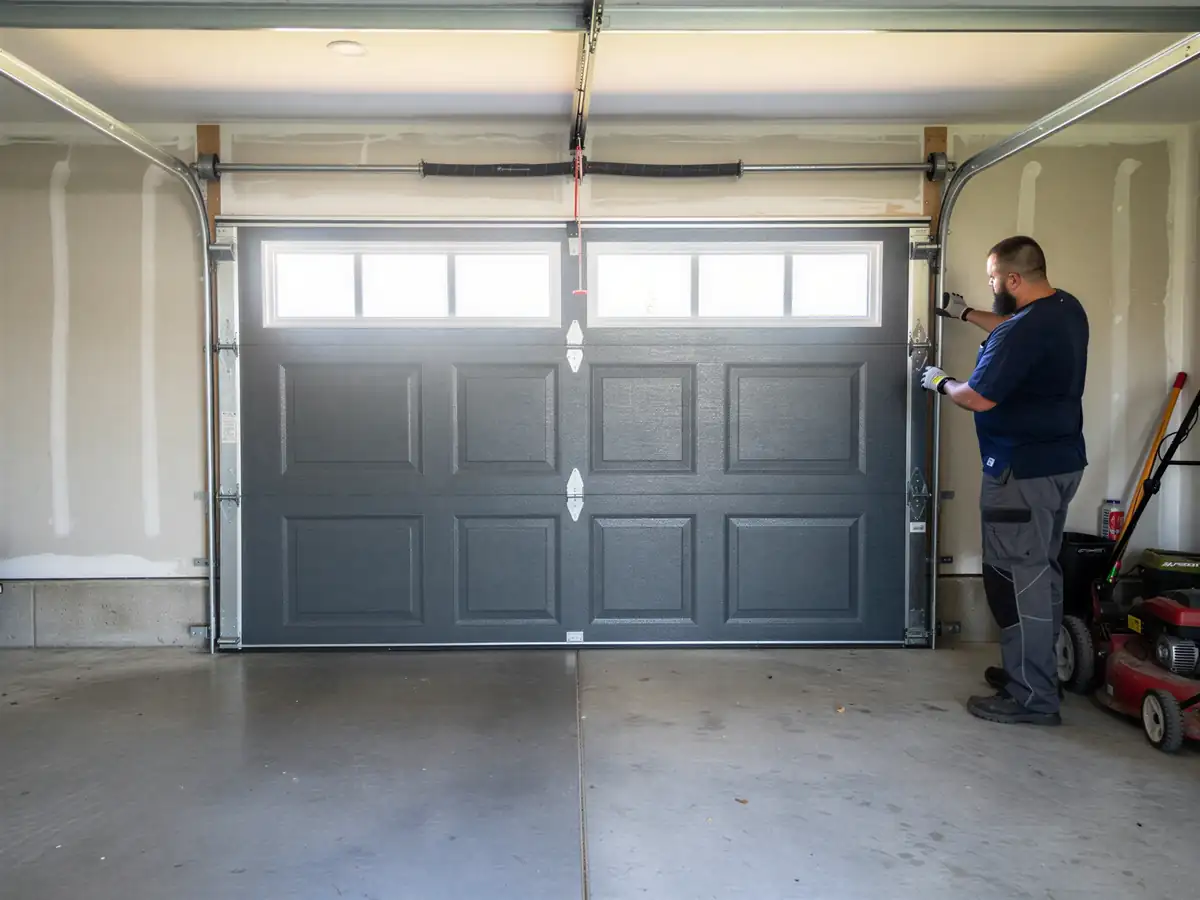
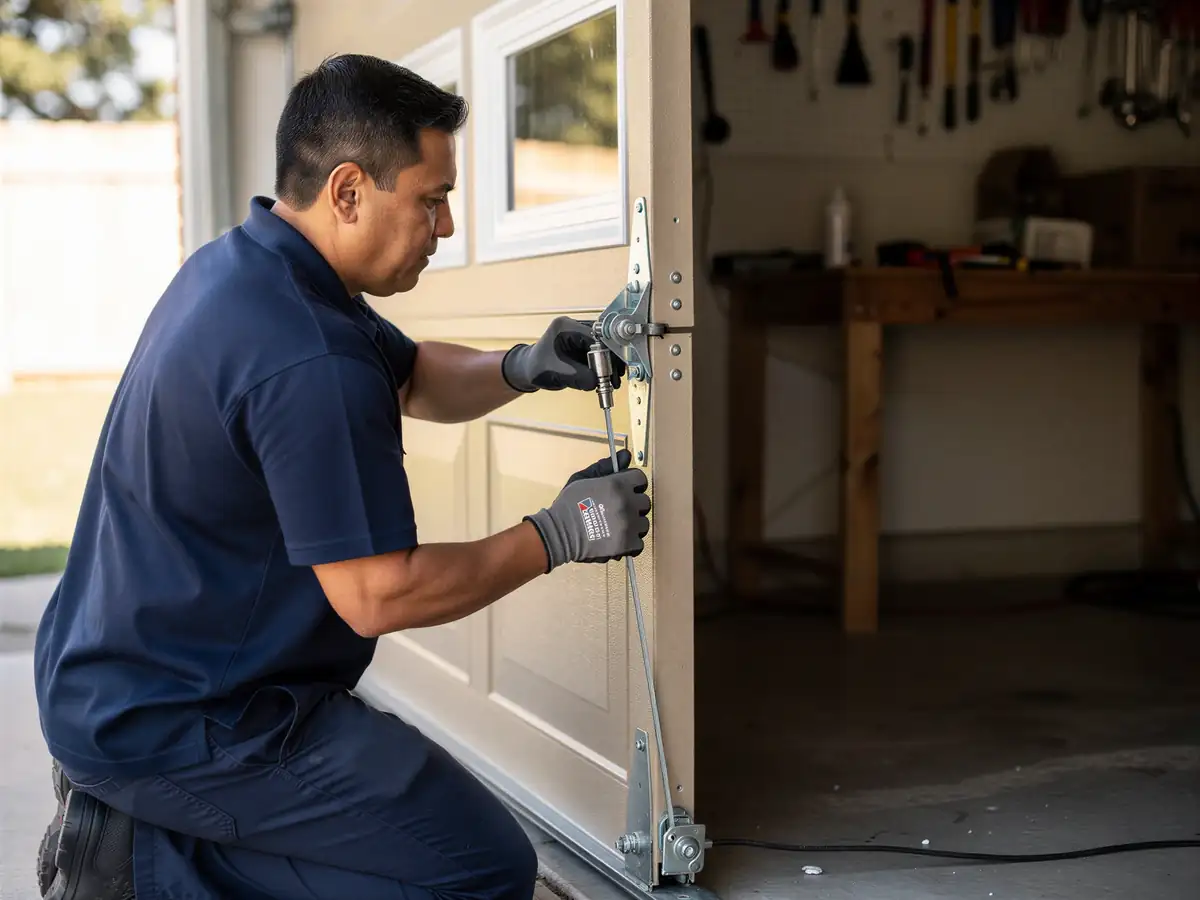
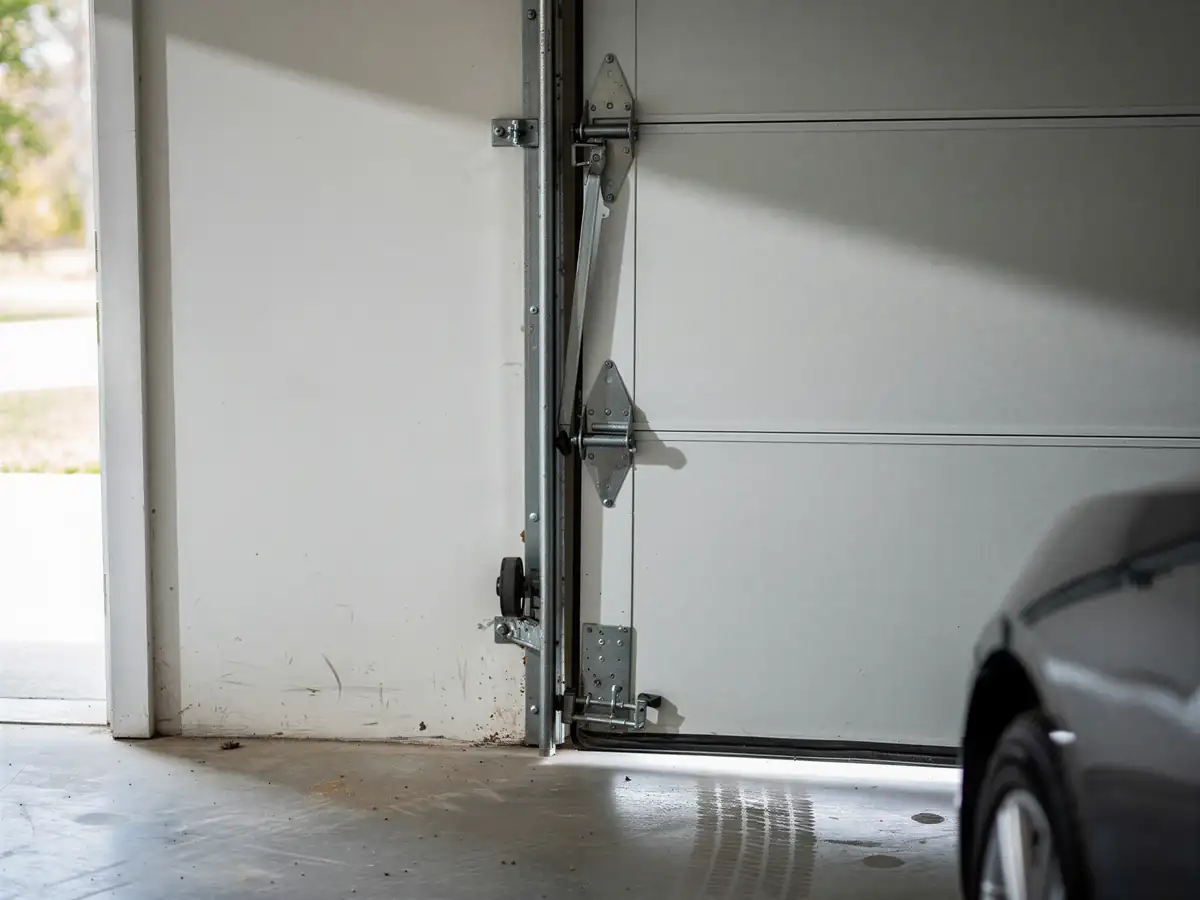
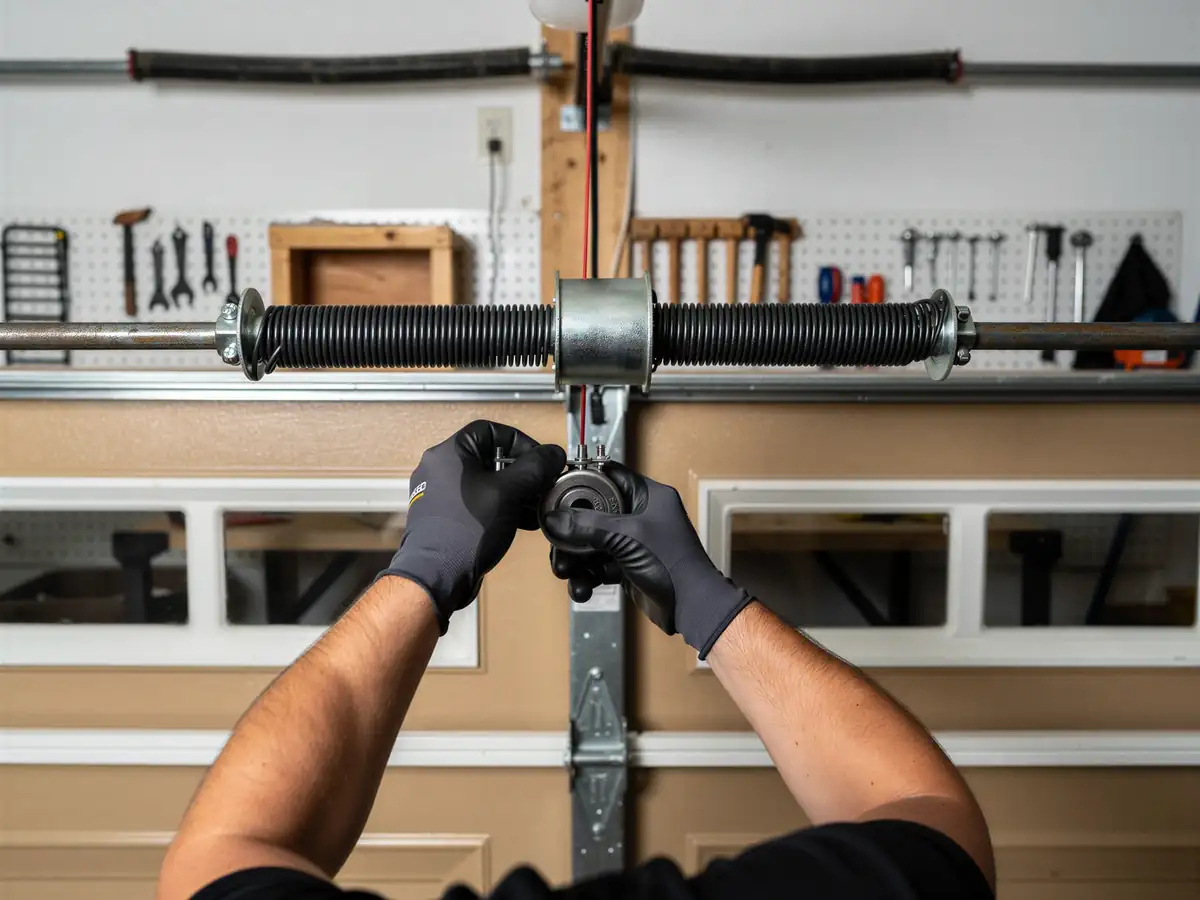
The complication in Lockwood isn't the spring itself, it's what's still attached to it. A door from 1982 usually still has its original center bearing plate and sometimes the original cable drums, neither of which was built to current spring specs. Swap in a new spring without checking those parts and you can end up with a cable that jumps the drum or a bearing that seizes within a season. We see this more here than in newer construction because so much of Lockwood's stock dates from that single build era - there wasn't a mix of renovation years to replace hardware piecemeal. The other place it goes sideways is winter. This is a severe cold climate, and a spring that's already fatigued can snap outright when the steel contracts on a sub-zero morning, usually while someone's halfway out the door for work. We don't carry every obsolete bracket size on the truck, so if your door needs a part that hasn't been made in twenty years, we'll tell you straight that replacement is the better call rather than chasing a part.
The Symptom
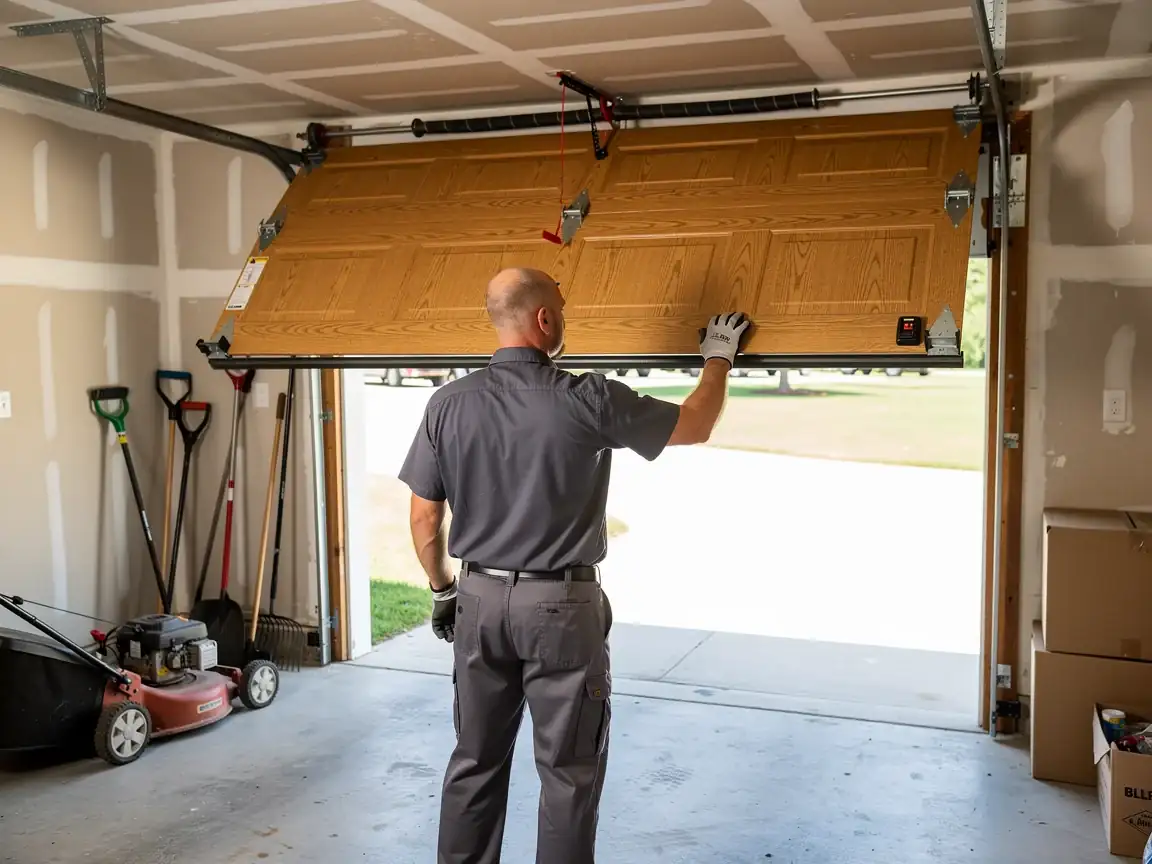
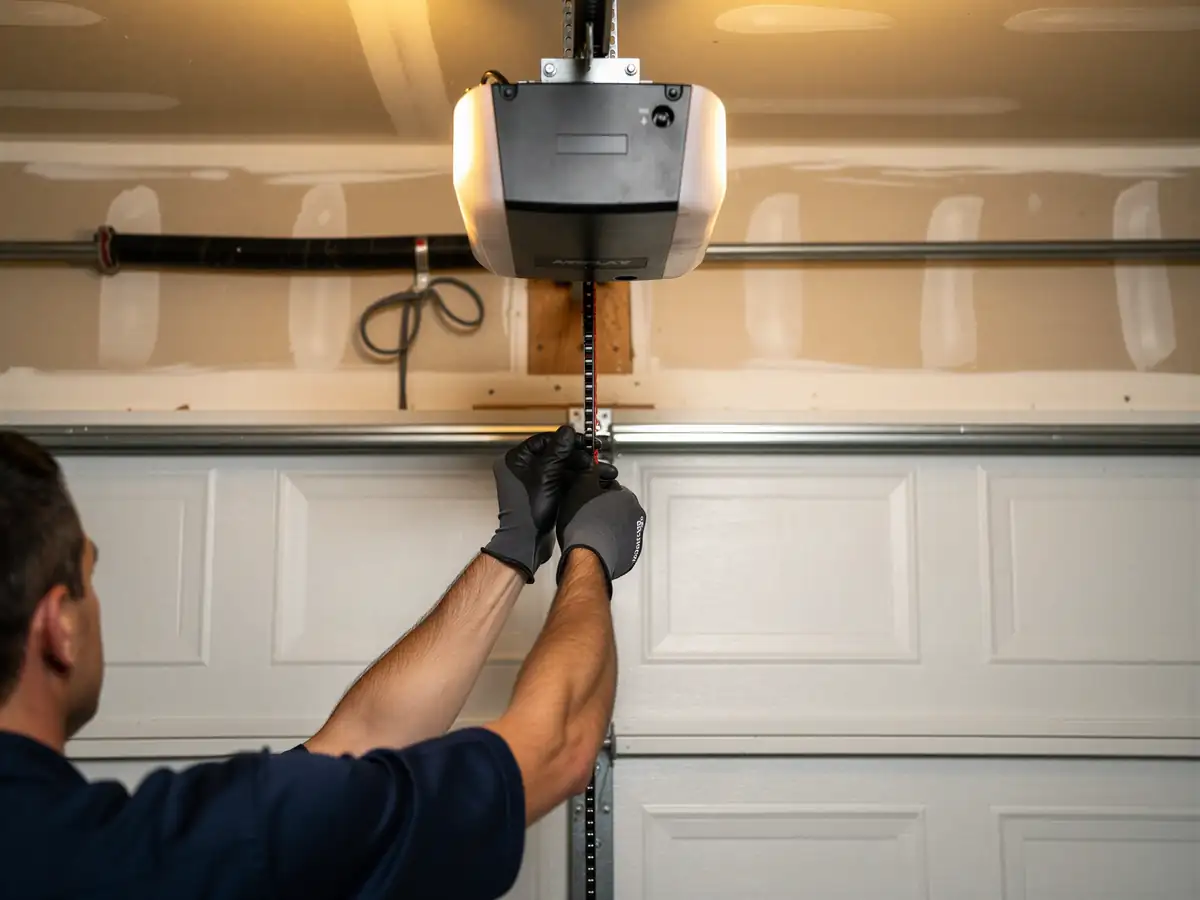
The door that won't stay up on its own, or drops the last foot and slams, is a broken or badly fatigued torsion spring nine times out of ten - and in a neighborhood built around 1982, it's often the original spring finally giving out after decades of cold-weather cycling. A door that feels twice as heavy when you lift it manually is telling you the same thing before it breaks outright. If you hear a loud bang from the garage and then the opener struggles or won't move the door at all, that's usually the spring snapping, not the opener failing - don't keep running the opener against a broken spring, since that's how you burn out the motor on top of the spring job. Call before it fully breaks if you can; a fatigued spring under tension is a hazard to touch yourself.