Where This Job Goes Sideways
Most of the cable calls we get out of Laurel trace back to one thing: the doors are old. Housing stock across the Billings Garage Door Pros service area runs from 1973 up through 2010, and Laurel sits right at the front edge of that range, with a median build year of 1973. That means a lot of original torsion and extension hardware that's now pushing fifty years old, including the lift cables themselves.
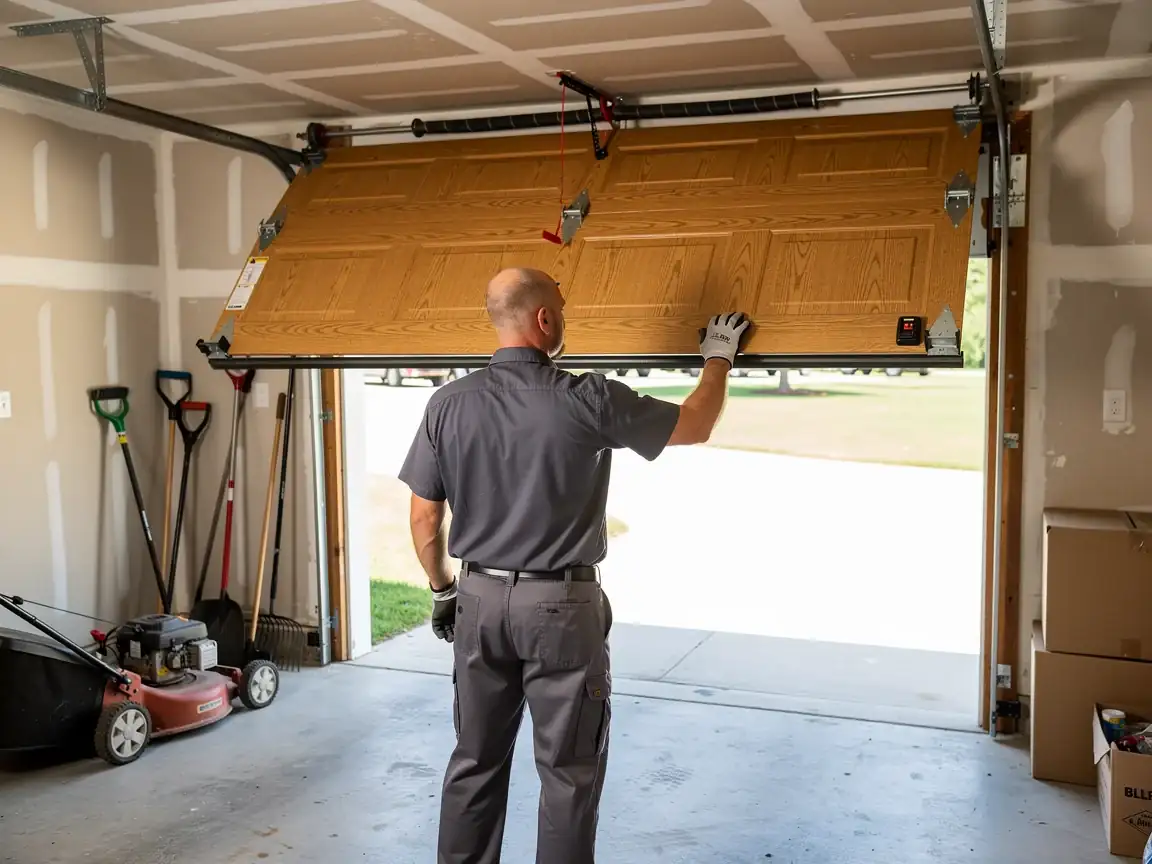
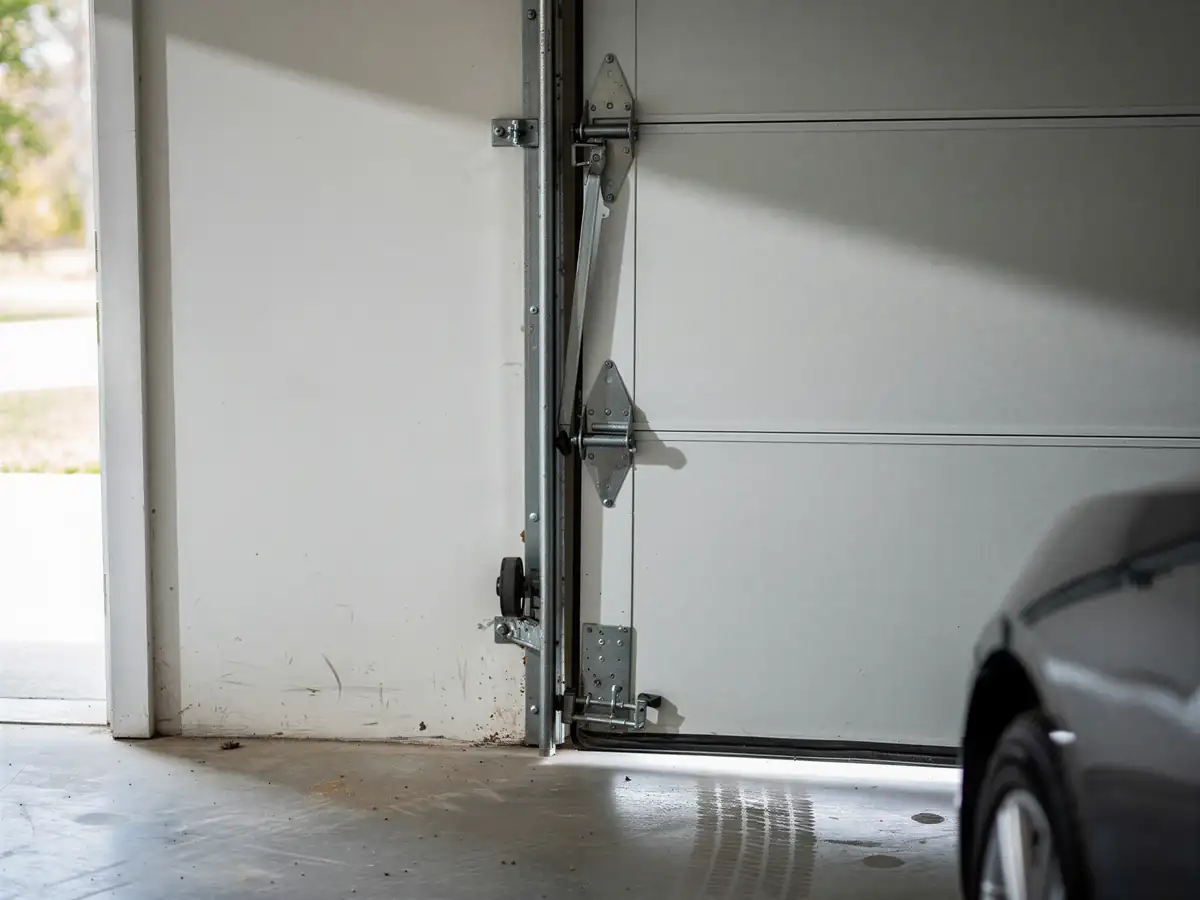
A cable that old doesn't usually snap clean. It frays a few strands at a time where it wraps the drum, and the door starts riding crooked on one side before anyone notices. By the time a homeowner calls, the door is often jammed at an angle in the track, with the remaining cable strands about to let go. On a double-wide door that's heavy to begin with, that's not a job to push through on your own - the spring side still under tension can take a finger off if the cable lets go while you're working near it.
What the Fix Involves
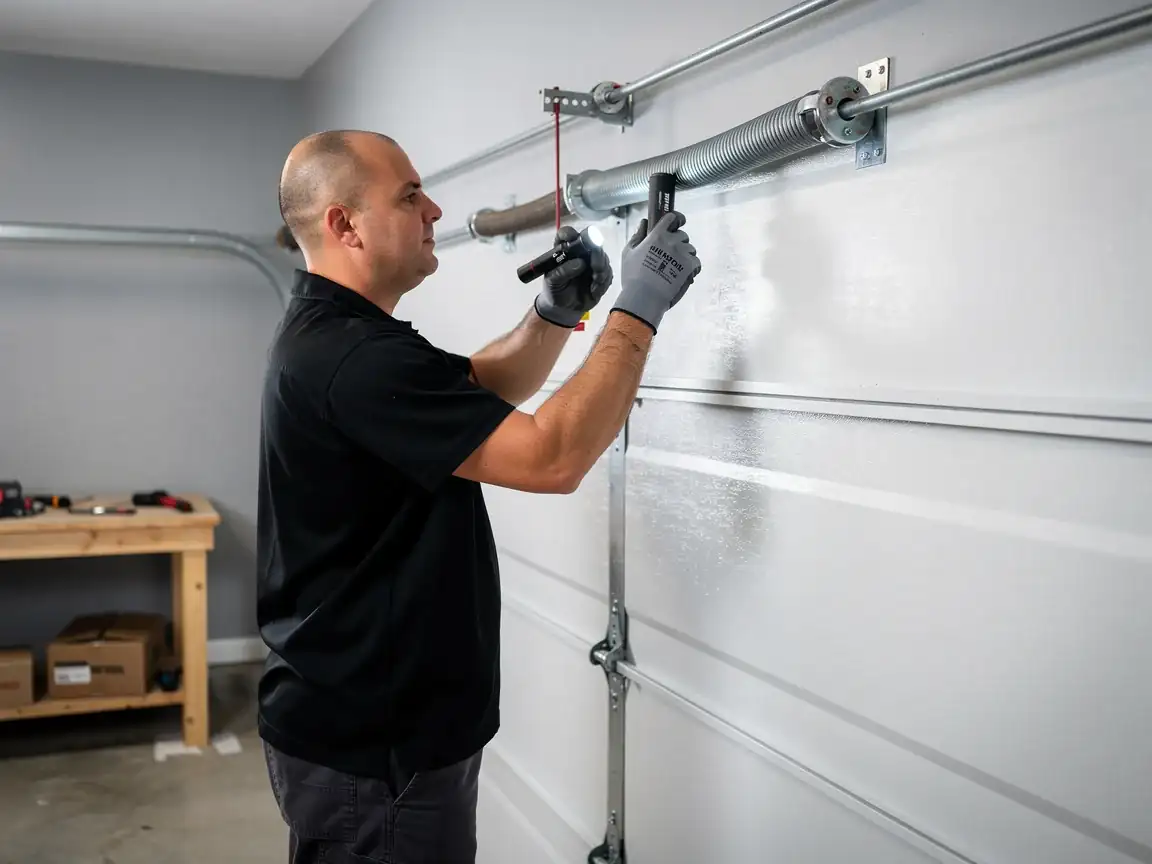
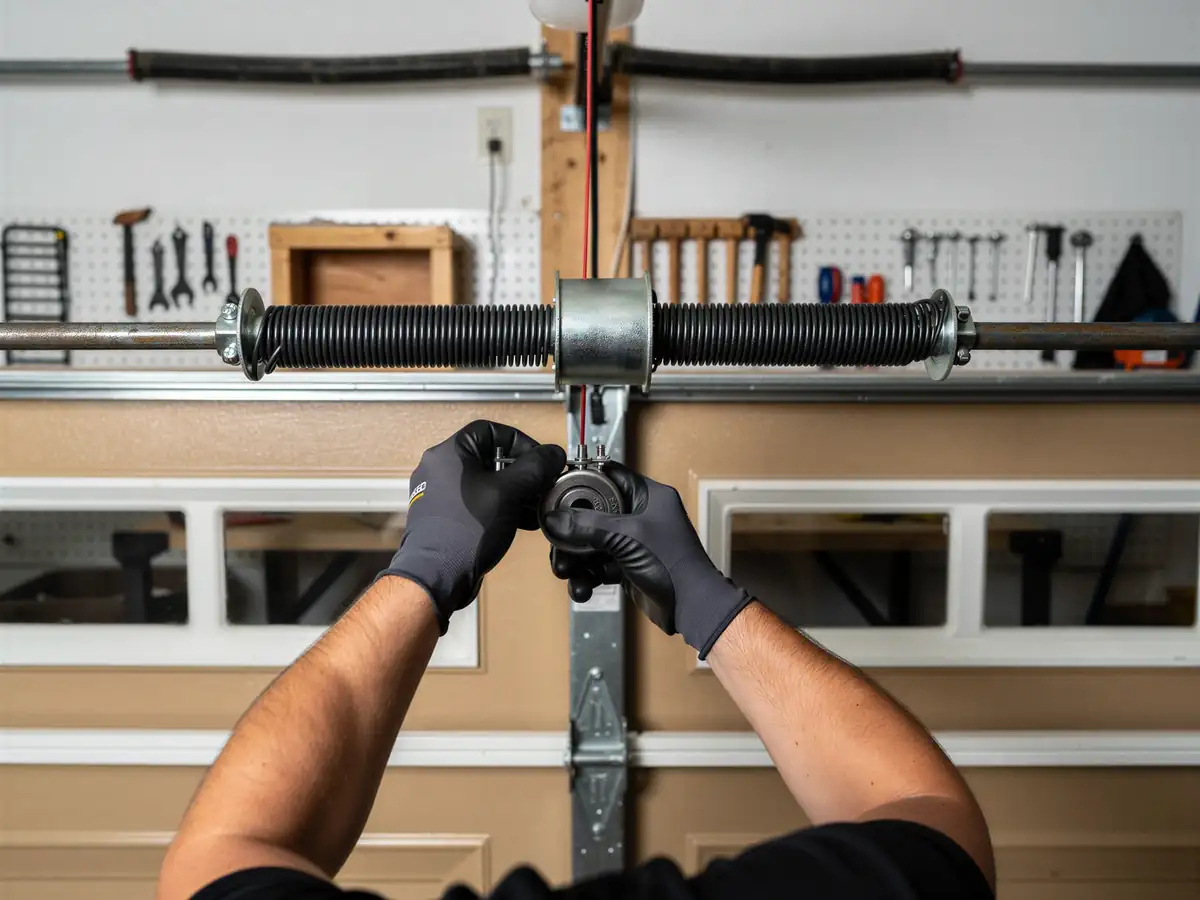
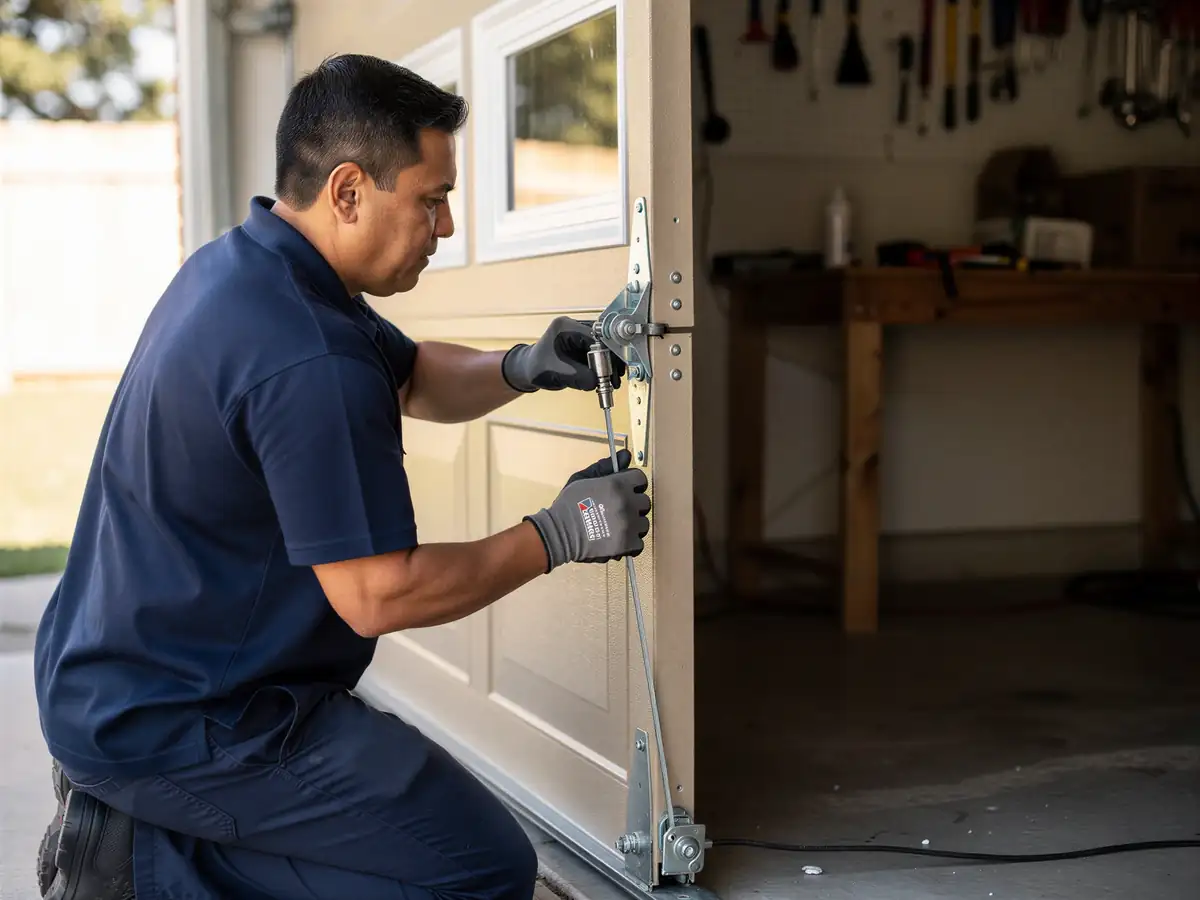
Cable repair is straightforward in principle: unwind the torsion spring safely, pull the old cable off the drum, measure and run a new one at the correct length, and re-tension. The trouble on a house built in 1973 is that the drums and tracks have usually never been touched, so they're pitted or slightly bent, and a new cable run on a bad drum will fray again inside a season.
Billings sits in a cold-and-severe climate band, and that matters for cable work specifically. Cold makes the galvanized coating on old cable brittle, and any grease or lubricant that's been sitting on the drum for decades has usually gone gummy or dried out entirely, which speeds up fraying in the first place. Part of the job is cleaning and relubricating the drum and track, not just swapping the cable and calling it done. If the drum itself is scored, we'll say so before we quote the swap - putting new cable on a bad drum is a repair that doesn't hold.
Doing It Yourself
We'll say this plainly
A torsion spring under load is not a DIY project, and cable work almost always means dealing with that spring. If you're tempted to save the trip out from Billings, the honest limit is this - we don't recommend attempting a cable swap on a double door with the spring still wound, full stop. People have been hurt doing exactly this.
What you can safely check yourself before calling
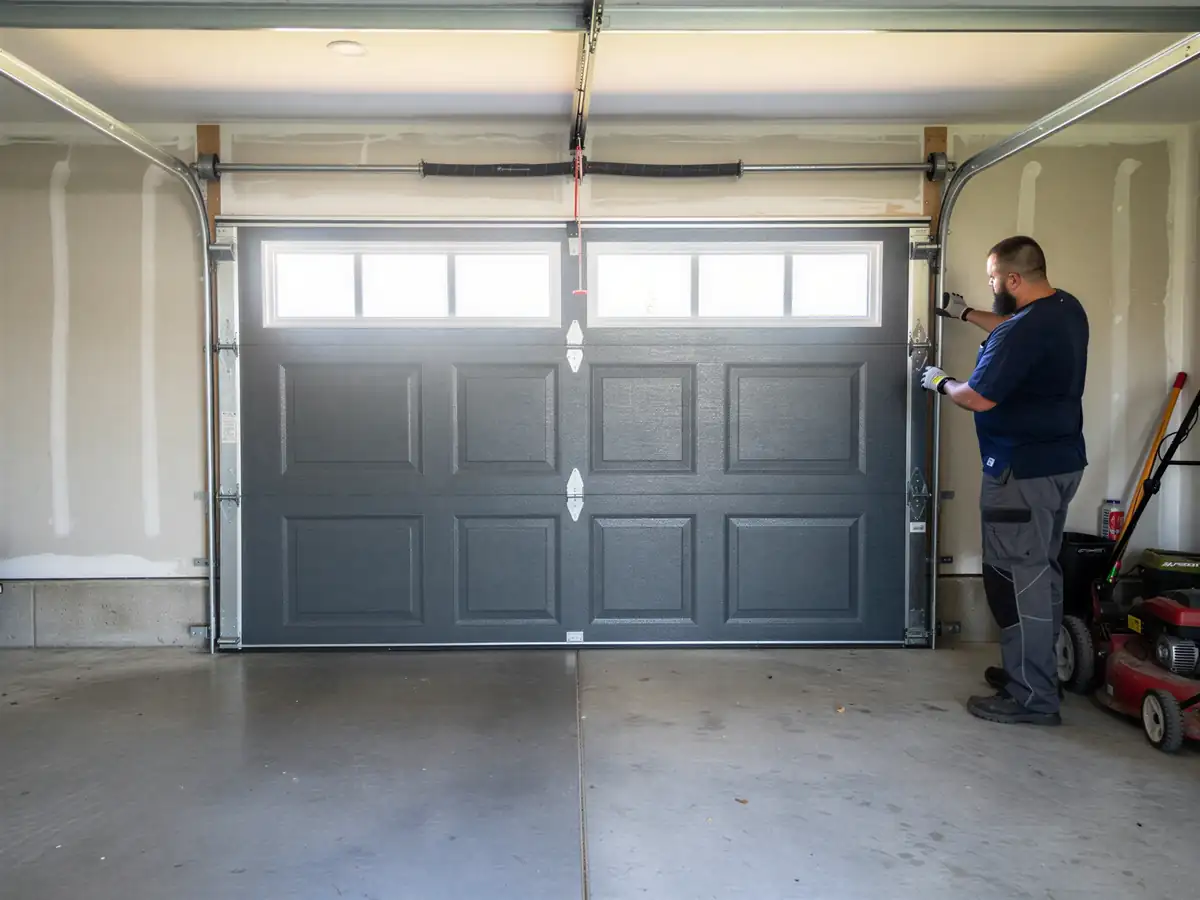
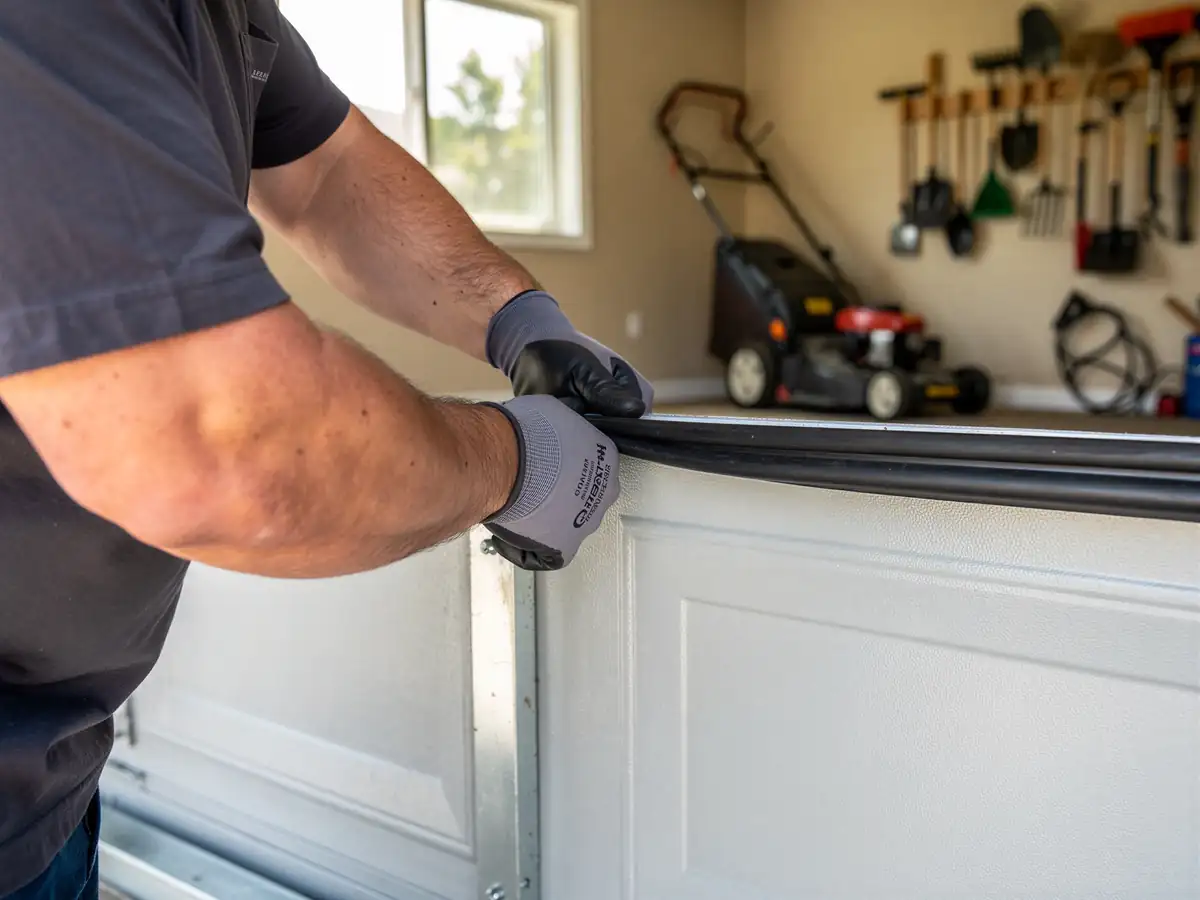
Look at the cable where it sits on the bottom bracket and where it wraps the drum at the top. Fraying shows up as thin wire strands sticking out like a broken guitar string, usually before a full snap. If you see that, stop using the opener and don't try to manually force the door up or down - leave it where it sits. That one visual check costs nothing and can keep a frayed cable from becoming a door off its track.
What Causes It Around Here
Three things line up in Laurel to make cable failure more common than it might be in a newer subdivision. First, the age of the stock itself - a median build year of 1973 means original hardware that predates a lot of the galvanizing and coating standards used today. Second, the cold-and-severe climate here means cables see repeated freeze-thaw cycling on any moisture that gets into the garage, which speeds up rust at the point where cable meets drum.
Third, because Laurel is about 13 miles out from Billings, a lot of these doors don't get looked at until something actually breaks - there's no walk-by inspection happening on a house that far from where the trucks are based day to day. None of that is a knock on the town; it's just what happens when the oldest median build year in the service area sits furthest from routine service calls. It adds up to cable failure showing up as a sudden problem rather than a slow one anyone caught early.