Where This Job Goes Sideways
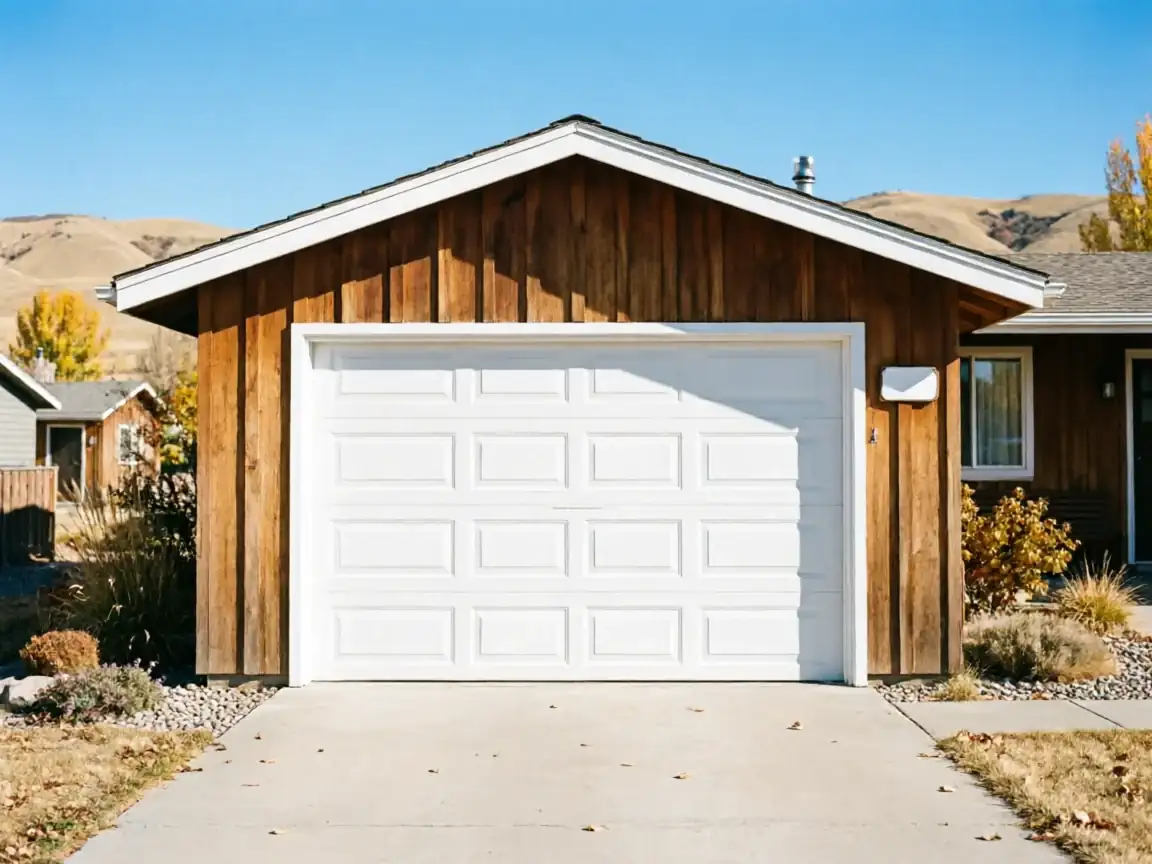
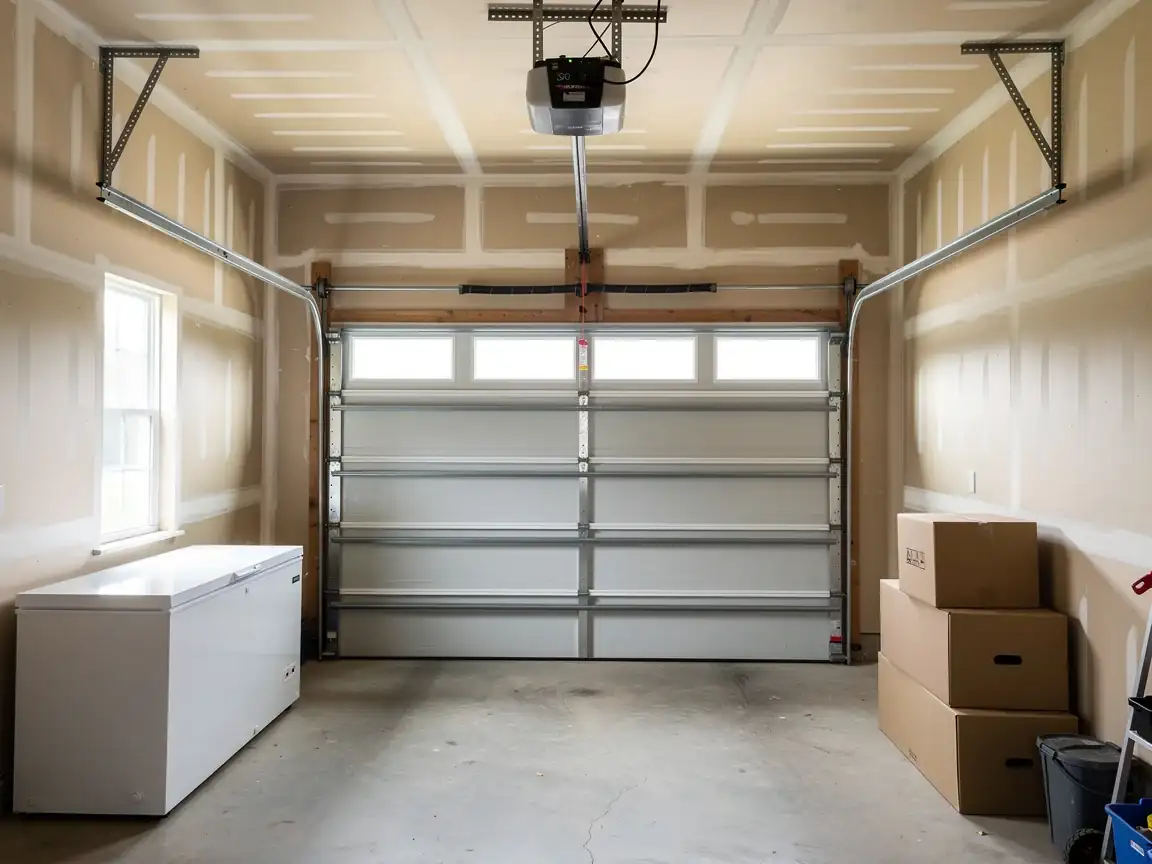
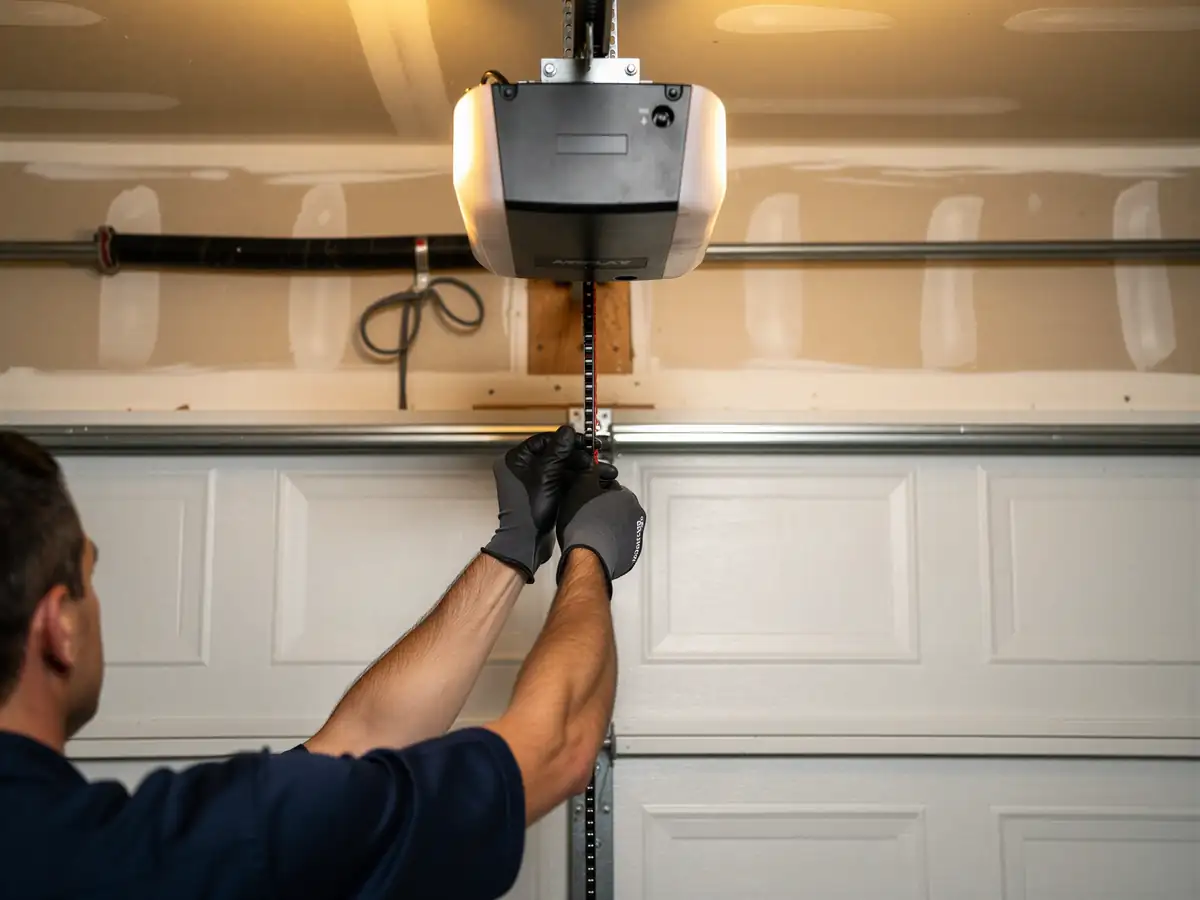
Laurel's housing stock centers on 1973, which puts most garages here right at the point where openers were still an afterthought, not a factory feature. That means the header above the door opening was framed for a basic bracket and a manual lift, not for the backplate and rail support a modern opener needs. When a homeowner swaps a dead chain-drive unit for something newer without checking that header, the new opener ends up fastened into framing that was never built to carry it. The job doesn't go sideways because the opener is bad. It goes sideways because the house is thirteen years older than the typical home across the rest of this service area, where 1985 construction gave installers factory-ready headers to work with. Here, we're often adding blocking or a reinforcement plate before the opener goes in at all. Skip that step and you get a unit that works for a season, then starts racking the rail or pulling loose at the mounting bolts. It's not a defect in the opener. It's a mismatch between 1970s framing and 2020s equipment, and it's the single most common reason an opener install in Laurel takes longer than the same job across town.
What the Fix Involves
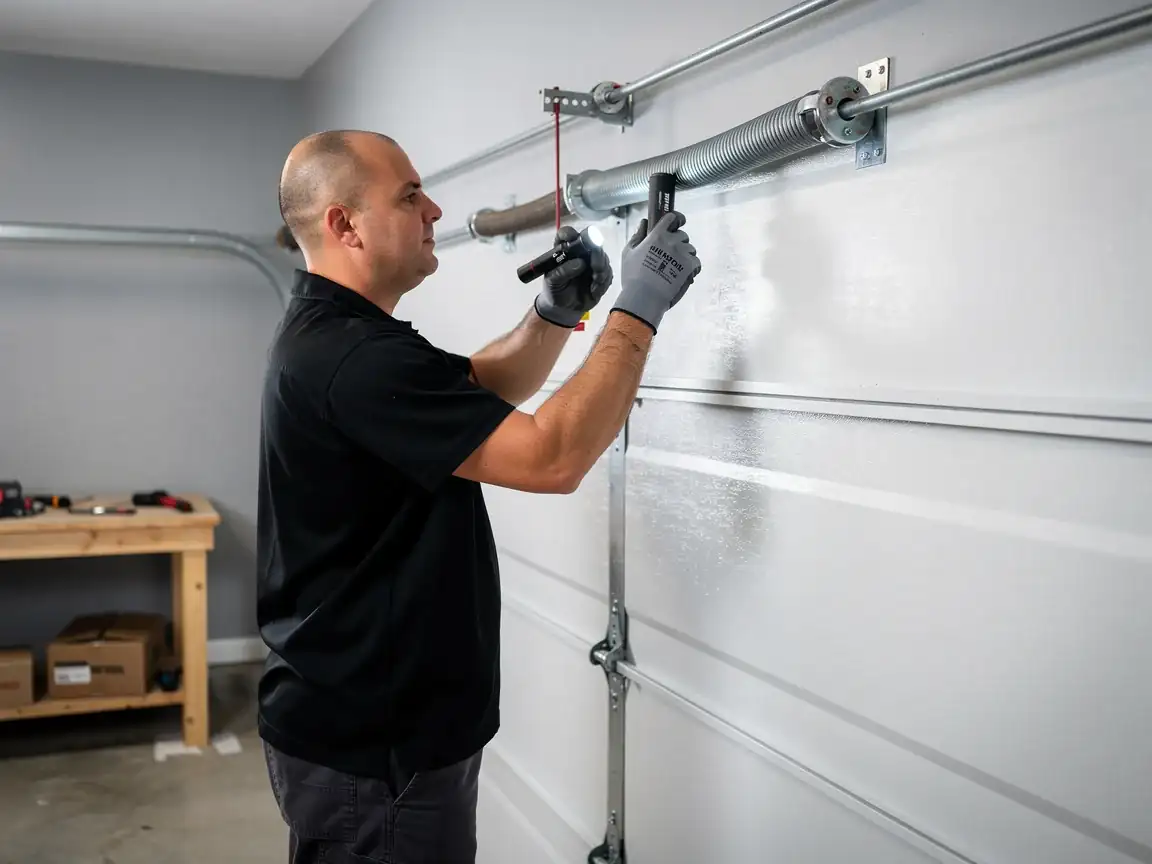
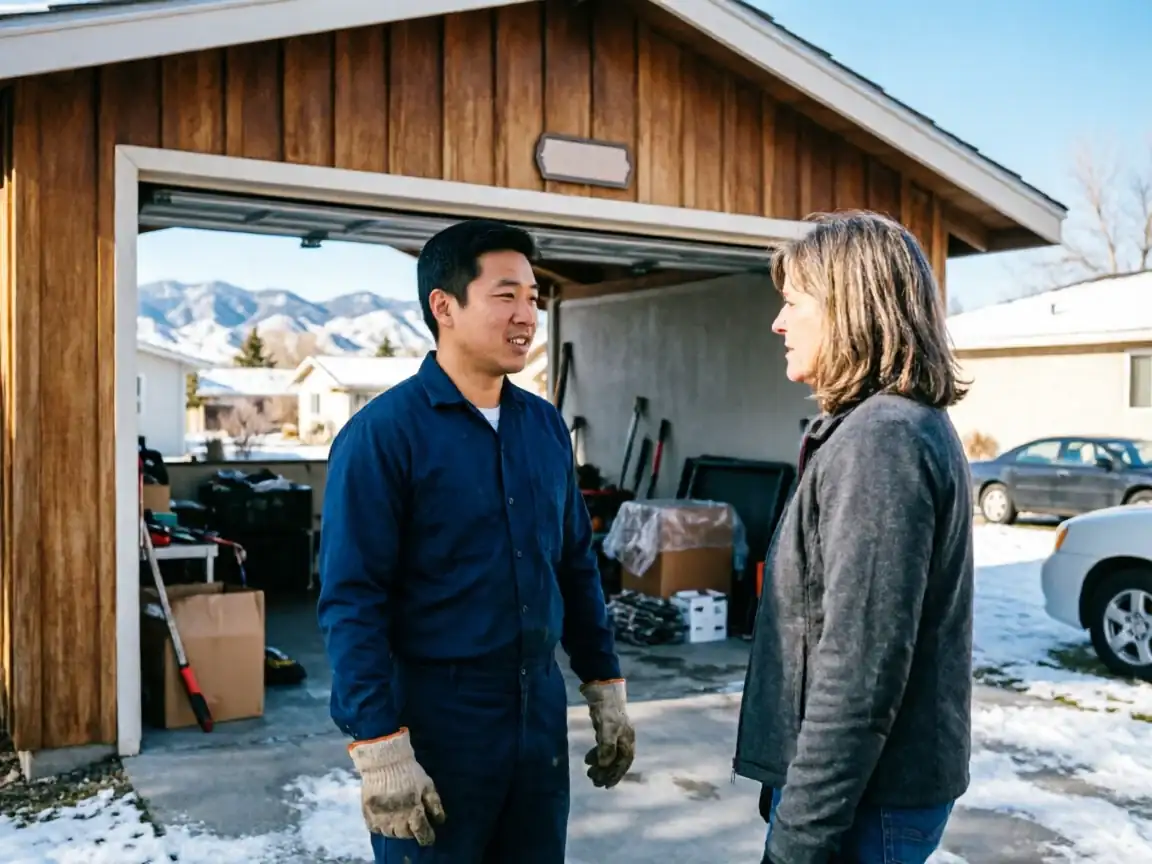
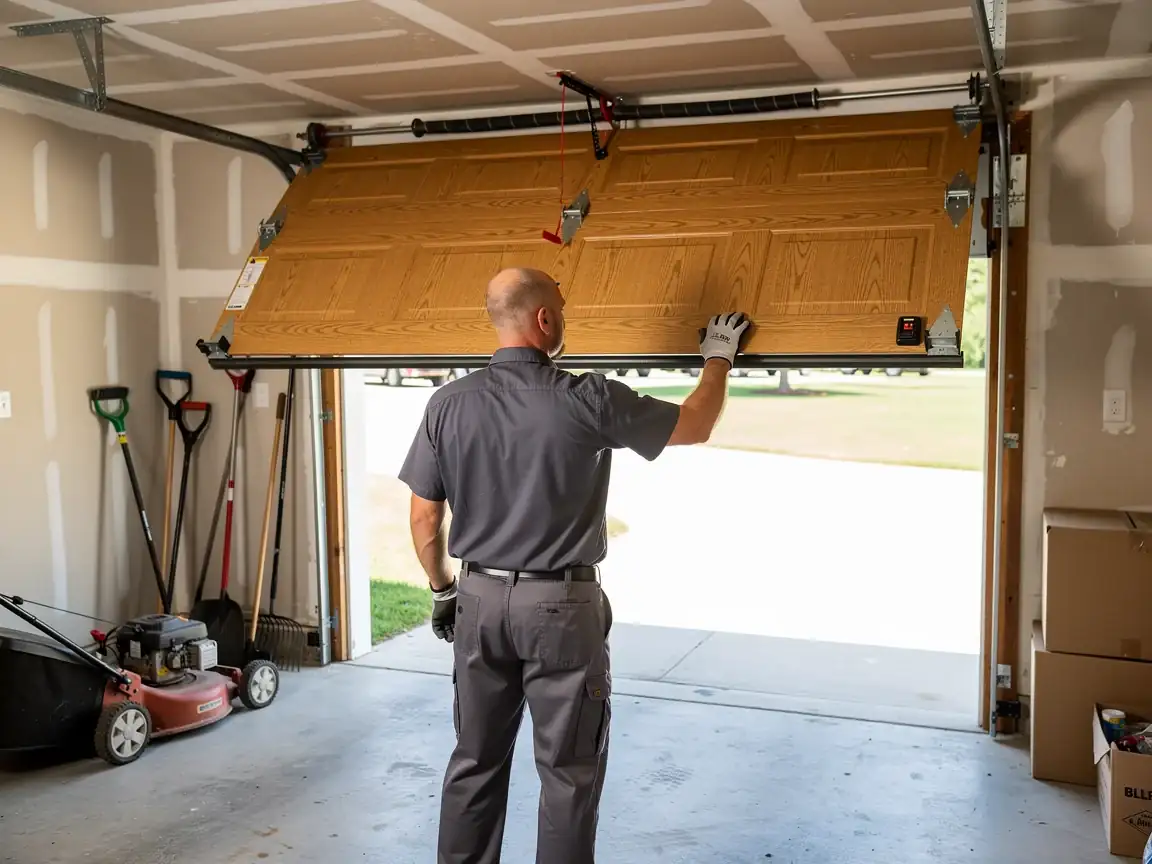
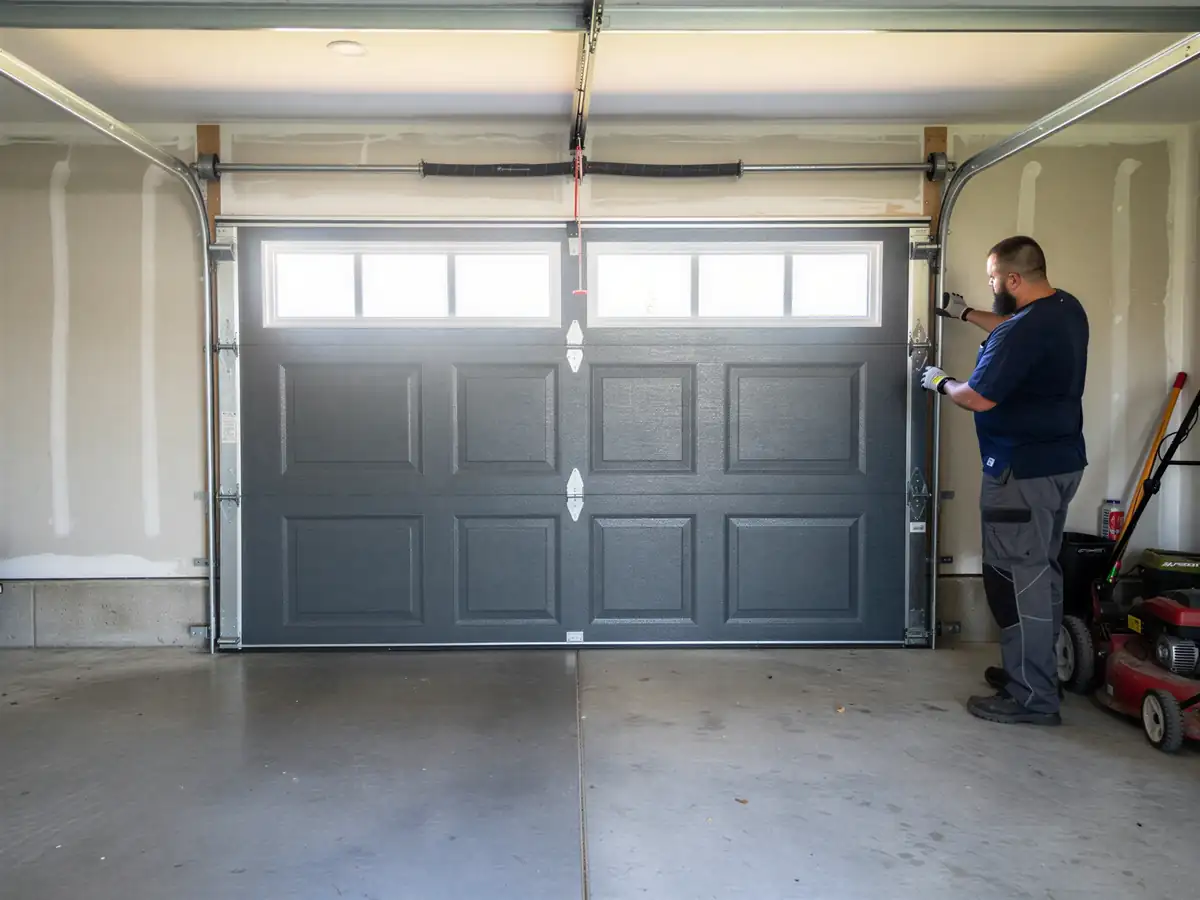
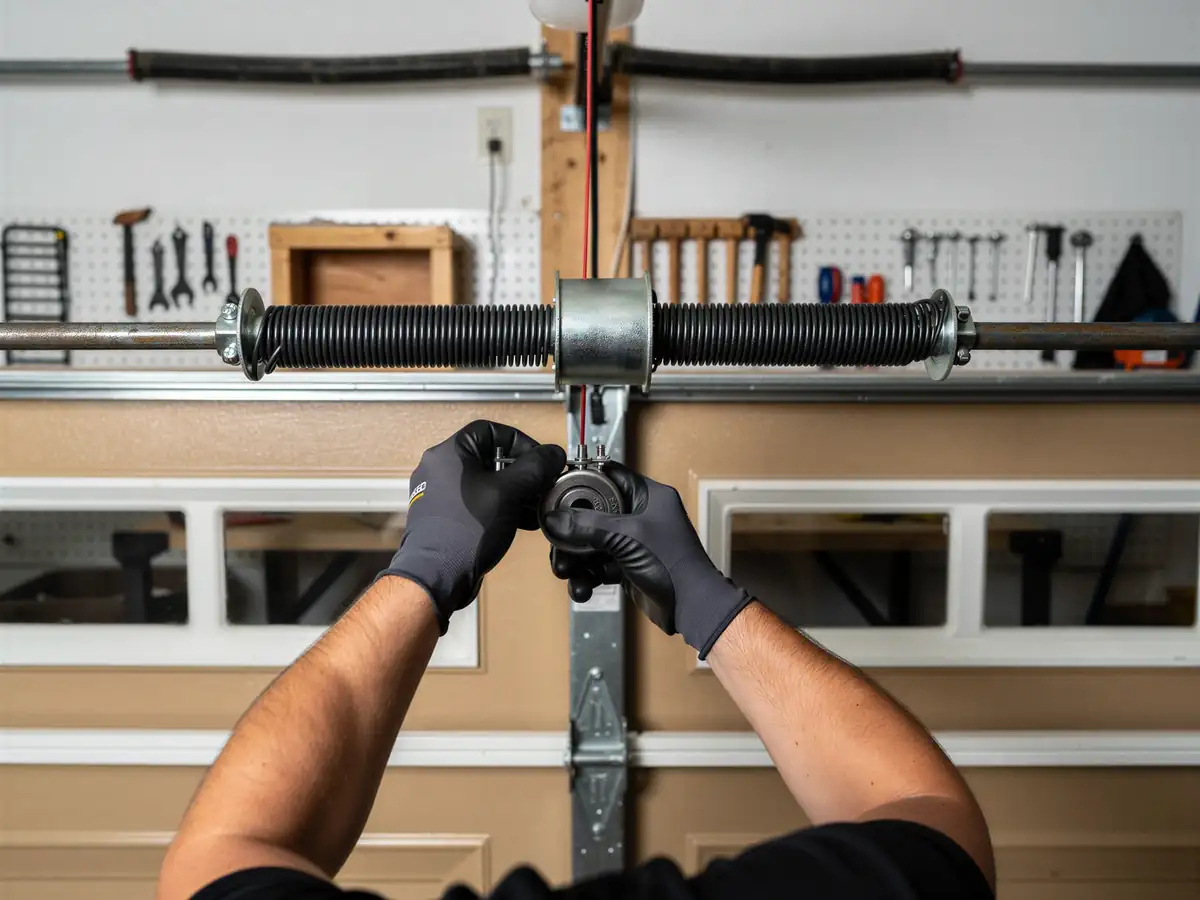
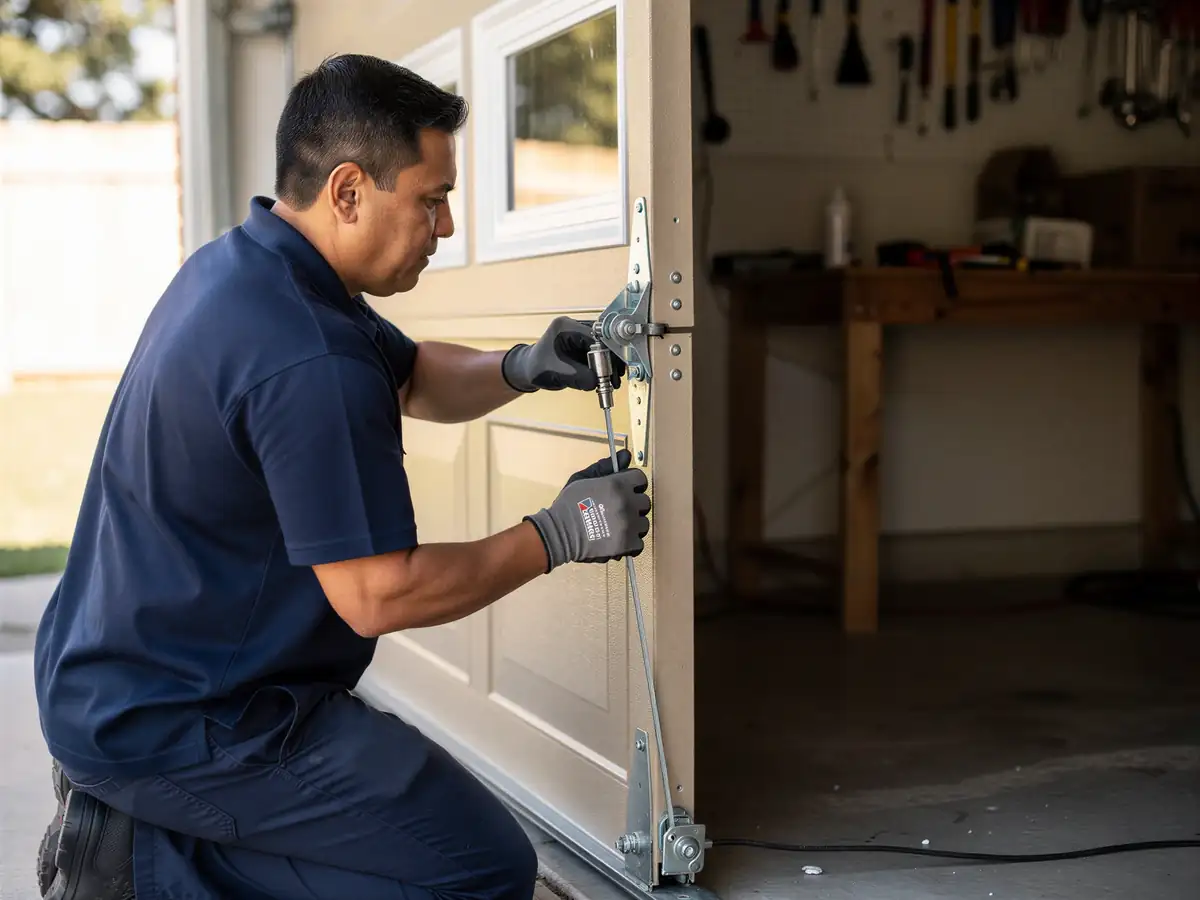
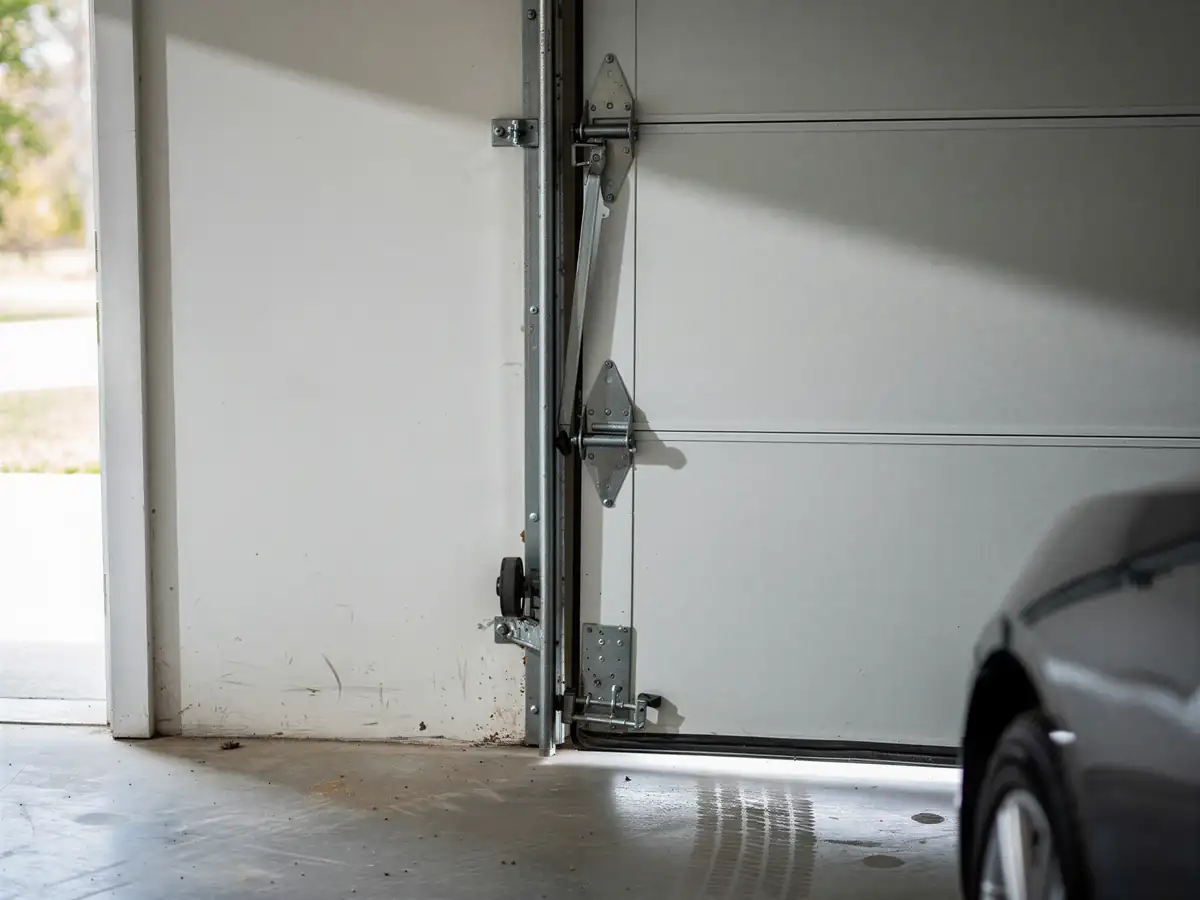
We start at the header, not the opener box. On a 1973-era garage, that means checking whether the framing above the door can take a modern rail bracket without extra blocking, and adding it if it can't. From there it's a standard install: rail, carriage, safety-reversing sensors at the base of the track, and a wall control wired to code. The sensors matter more here than the brand of opener you pick, because homes from this build era were never wired for them originally - we're running new low-voltage wire from scratch, not reusing anything. We also check the spring and cable setup on the existing door before the opener goes on, since an opener will run on a door with a weak spring, but it won't run it well or safely for long. Laurel sits thirteen miles out from our shop in Billings, so once we're on site we do the full job in one visit rather than coming back for a second trip - header work, wiring, and opener mounting all happen the same day.
What Causes It Around Here
The cold is the other half of the story. This area sits in a severe cold climate band, and an opener motor working against frozen grease on the rail or a torsion spring stiffened by sub-zero temps pulls a lot more startup torque than it does in July. On a house built in 1973, that load is landing on framing that's fifty years old, which is exactly why a header that's marginal in summer can start separating by February. We size openers for that torque curve rather than picking the cheapest horsepower rating on the shelf, because an underpowered unit straining against cold hardware burns out its gears faster than it would anywhere warmer. None of this is unique to one house in Laurel - it's the combination of this area's build year and this area's winters, and it's why an opener that's rated fine for a showroom in a warmer state doesn't always hold up out here.