Where This Job Goes Sideways
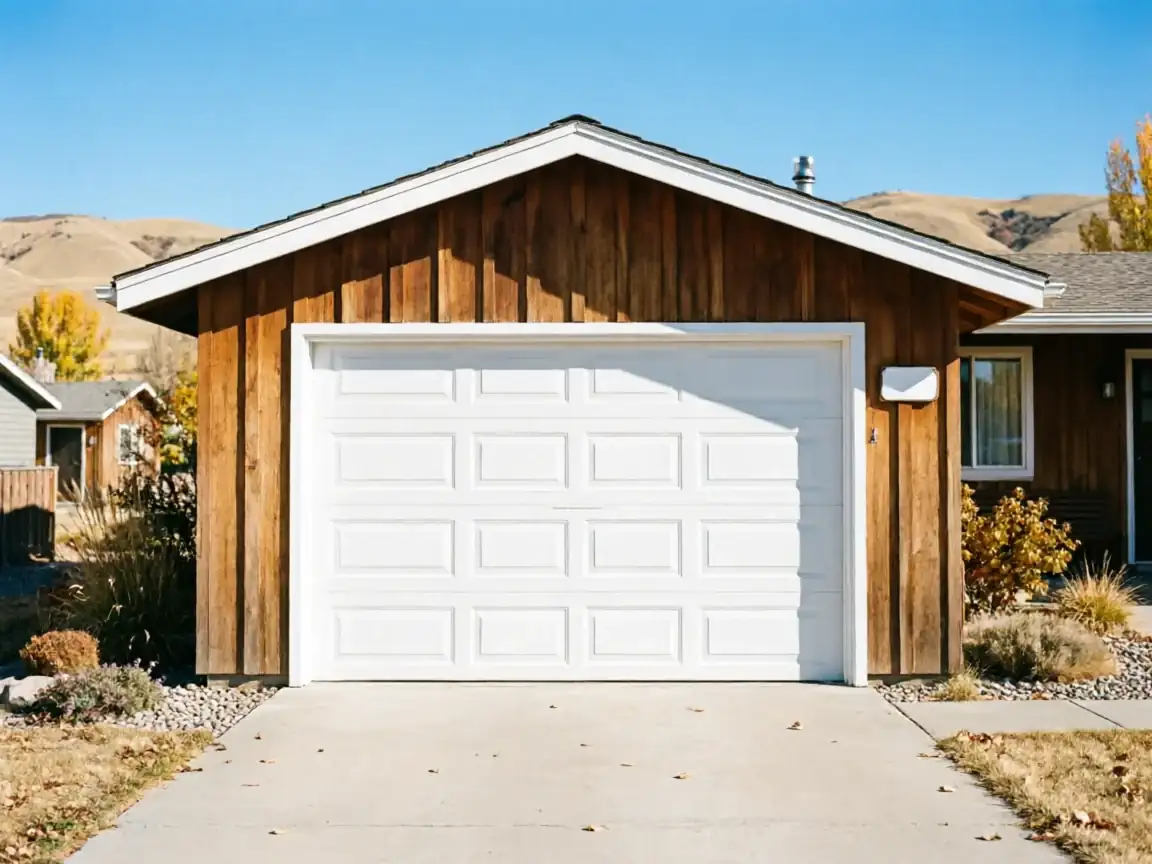
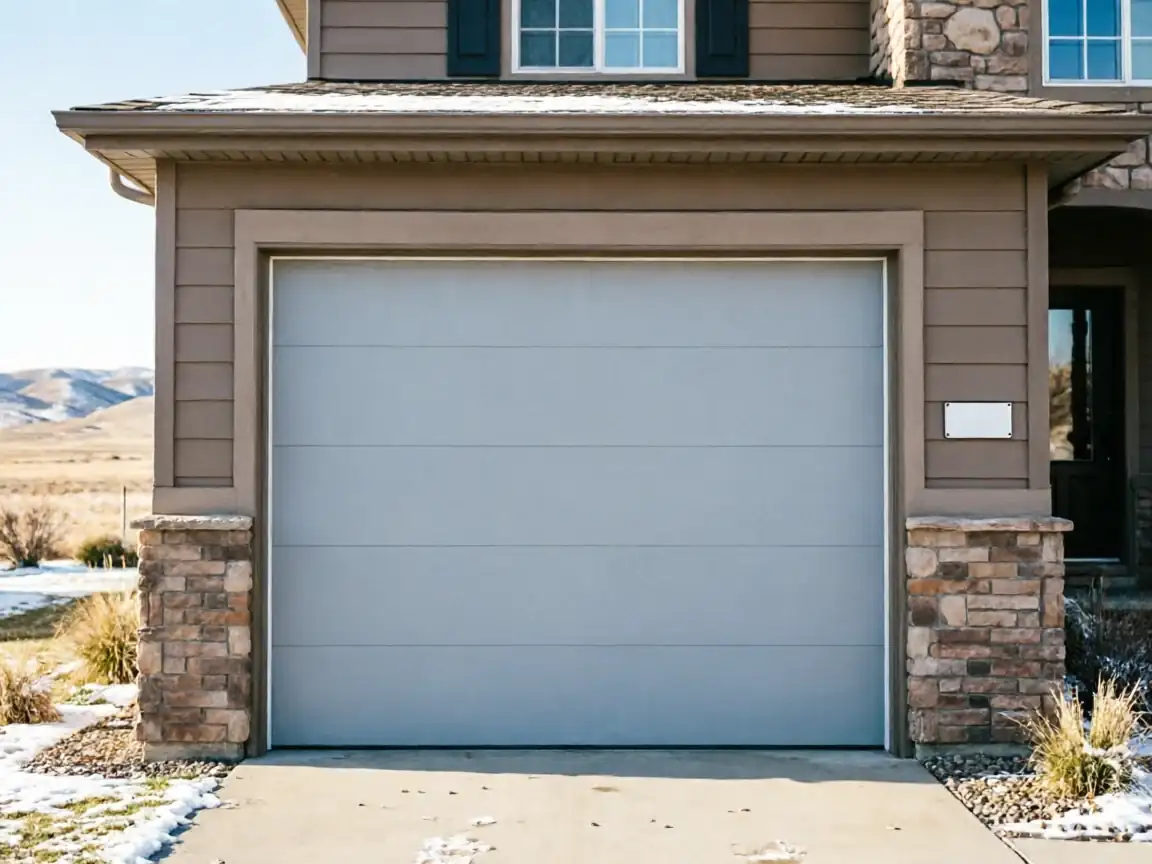
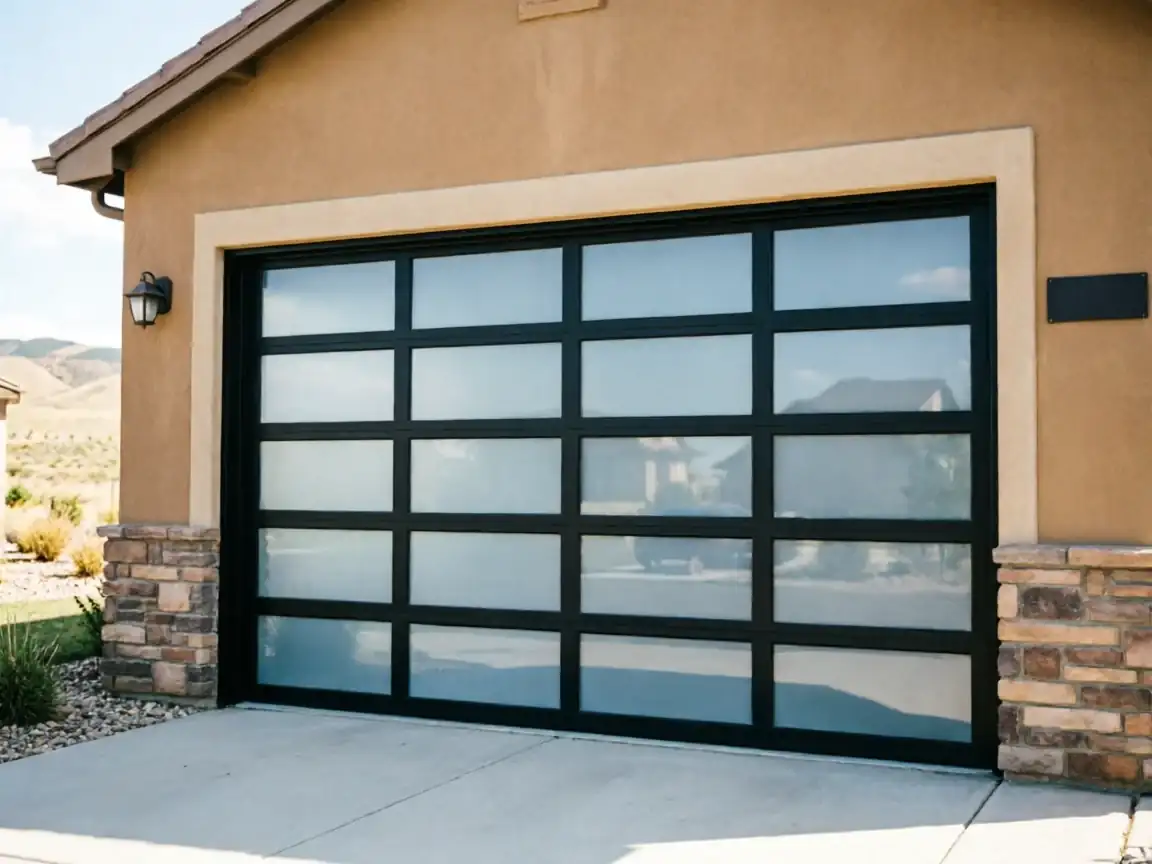
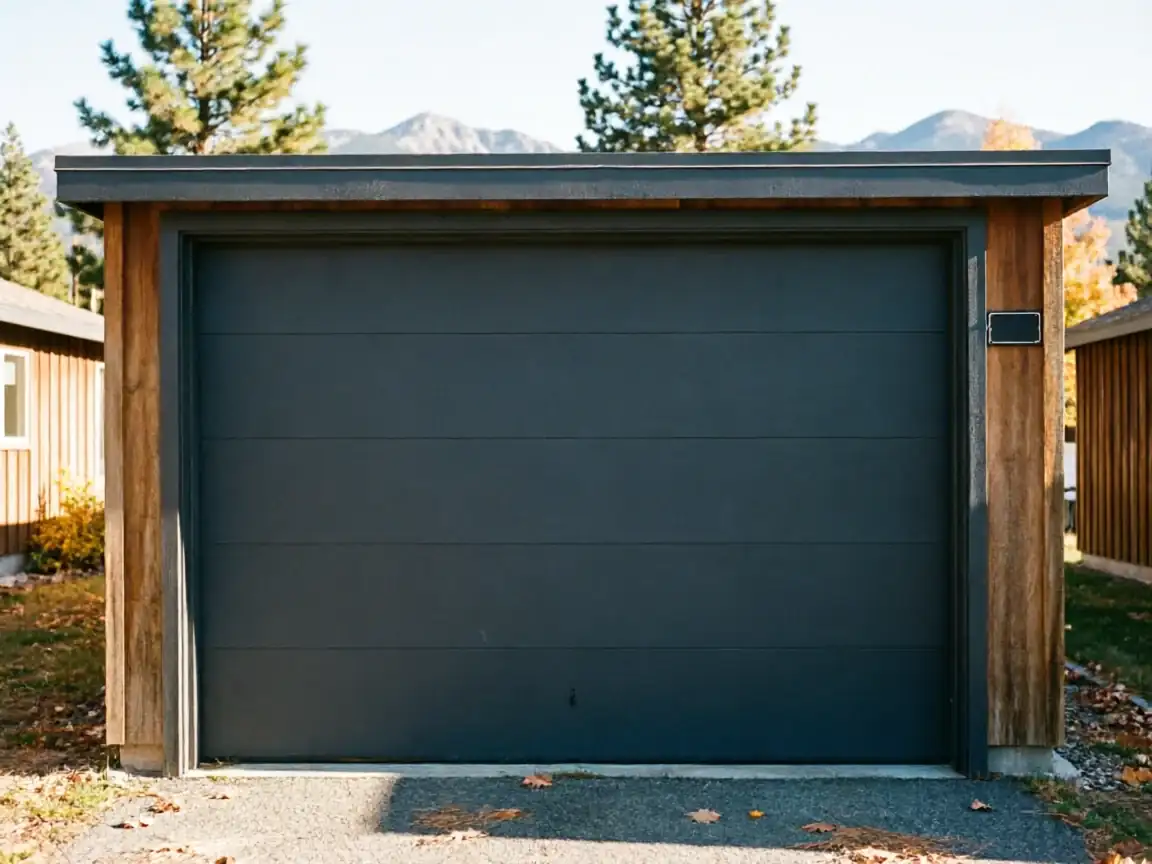
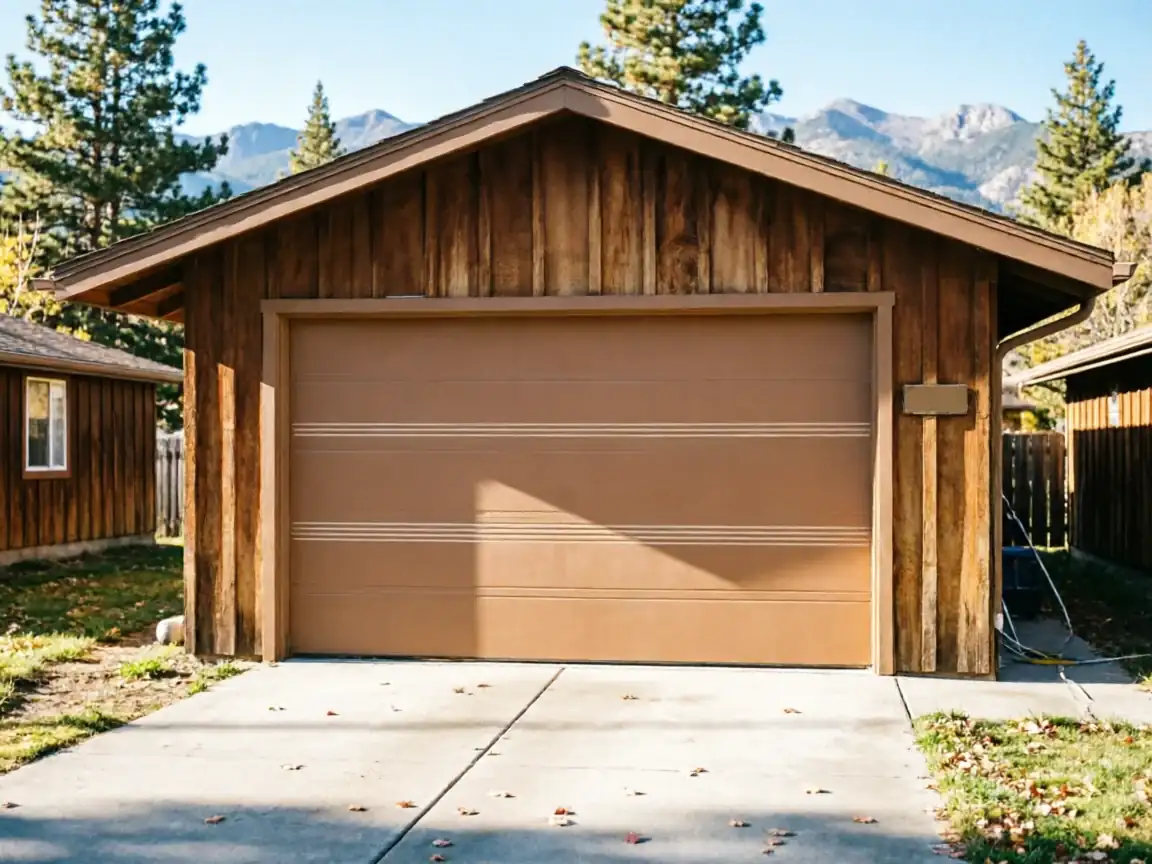
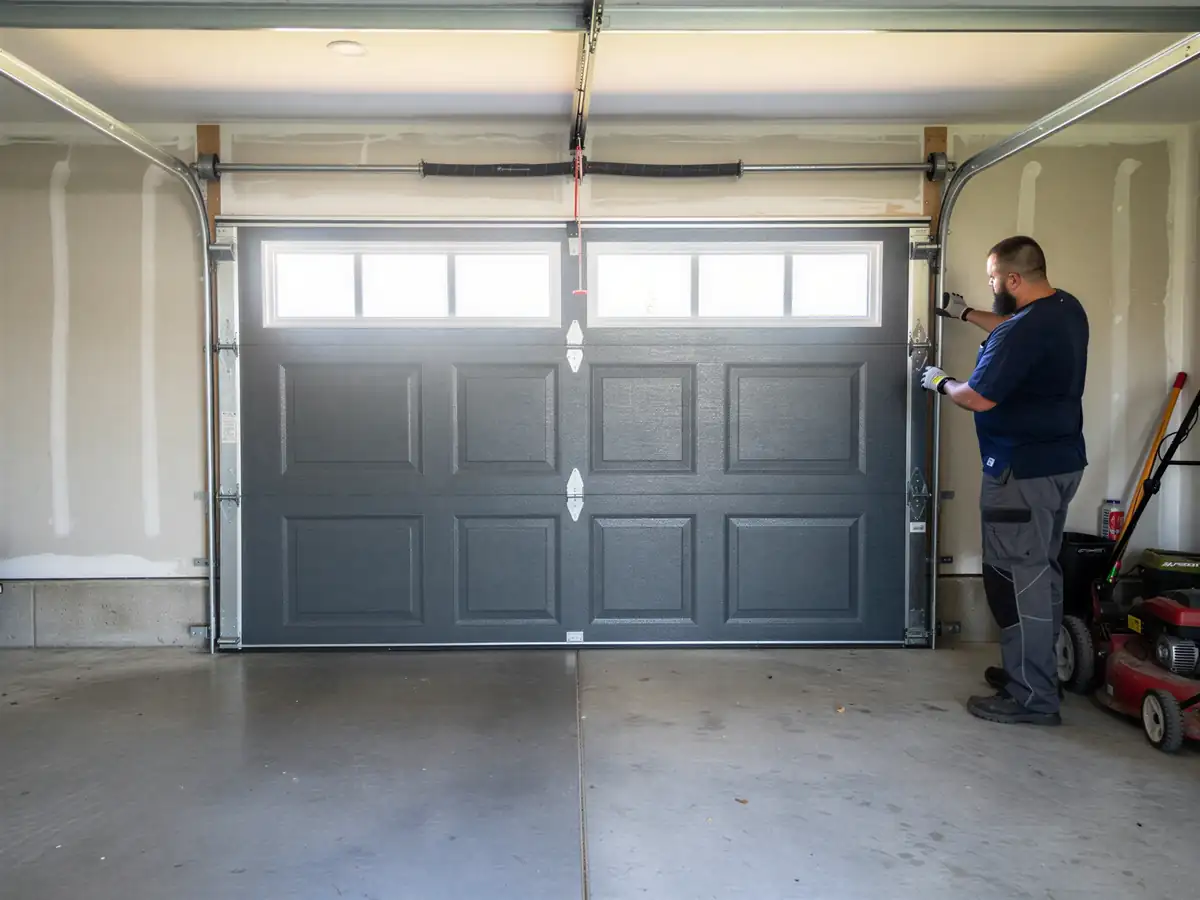
Laurel's housing stock sits at a different point in time than the rest of the Billings service area. Across that wider area, homes run from 1973 up through 2010, with the median build landing around 1985. Laurel's own median build year is 1973 - right at the old edge of that range, not the middle of it. That ten-plus year gap matters when you're ordering a new door. Openings framed in the early 1970s were often cut to dimensions that don't match the standard 16-by-7 or 9-by-7 sizes most manufacturers stock today. We've measured jambs on Laurel garages that run an inch or two off from what a newer Billings subdivision would give us, and that inch changes which door fits off the shelf versus which one needs a custom order. With about 3,088 households in Laurel and a median income near $66,382, most of the installs we quote out here lean toward solid, insulated steel doors rather than higher-end wood or glass-panel units - practical choices for practical money. Skip the measurement step on a house this age and you'll find out at delivery, not before."
What the Fix Involves
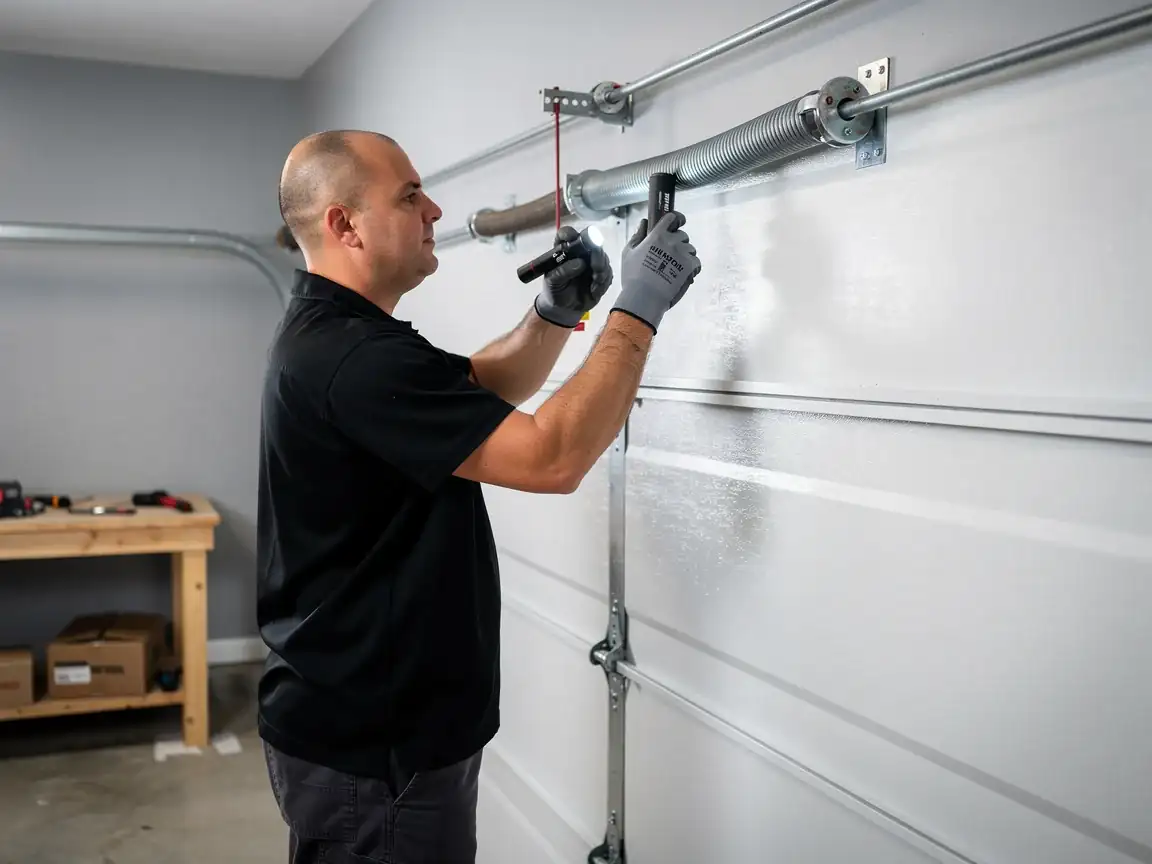
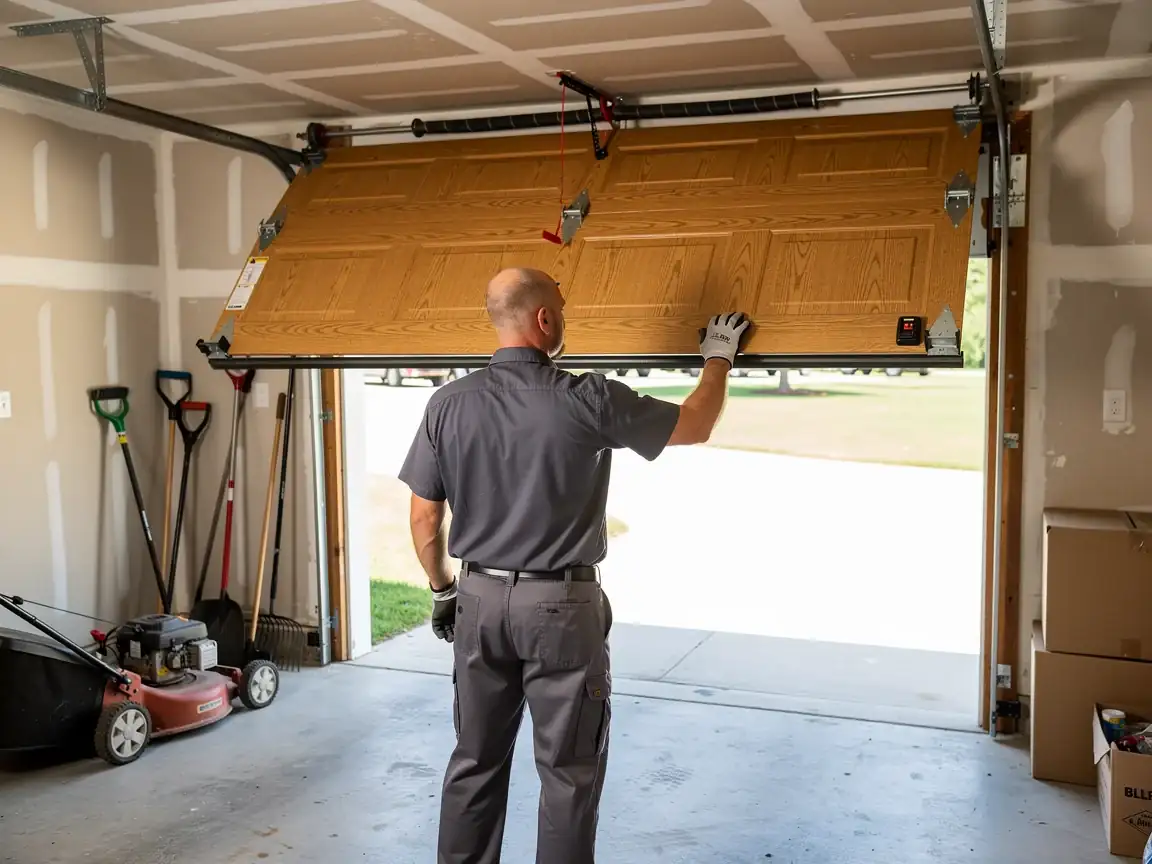
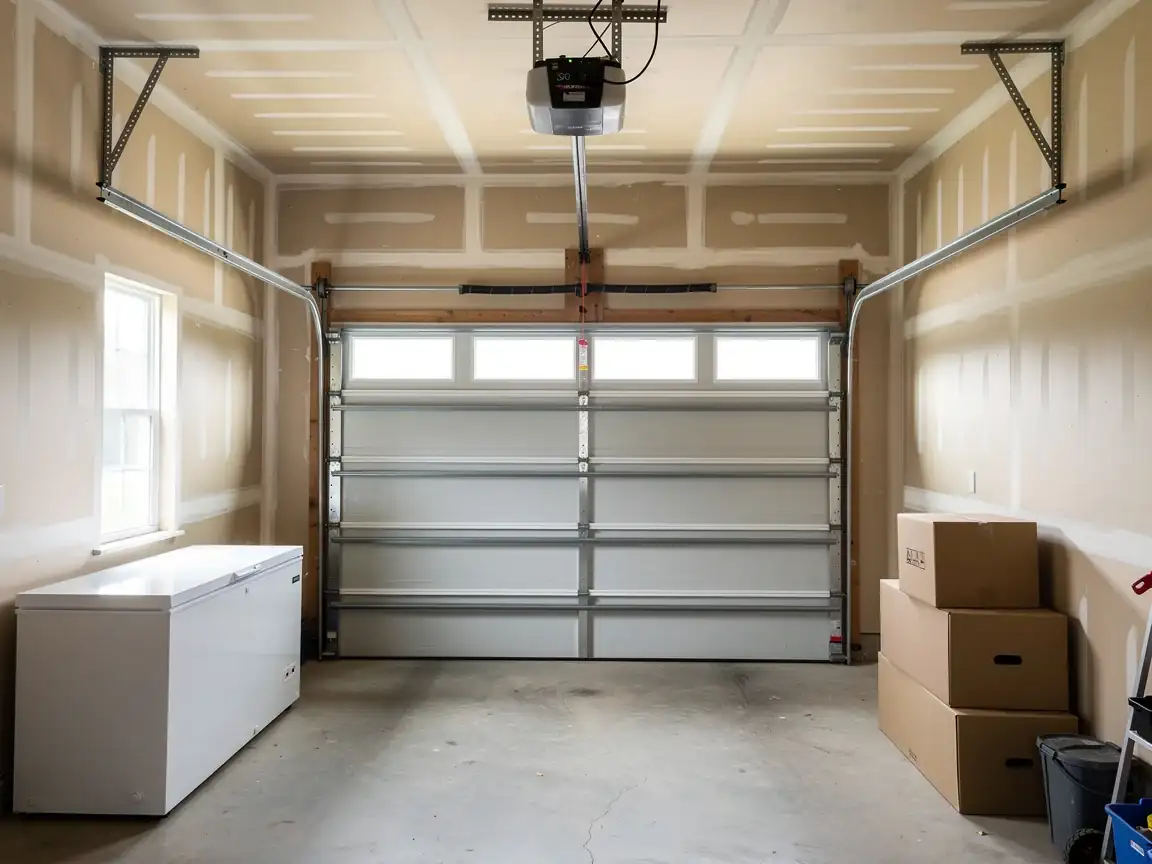
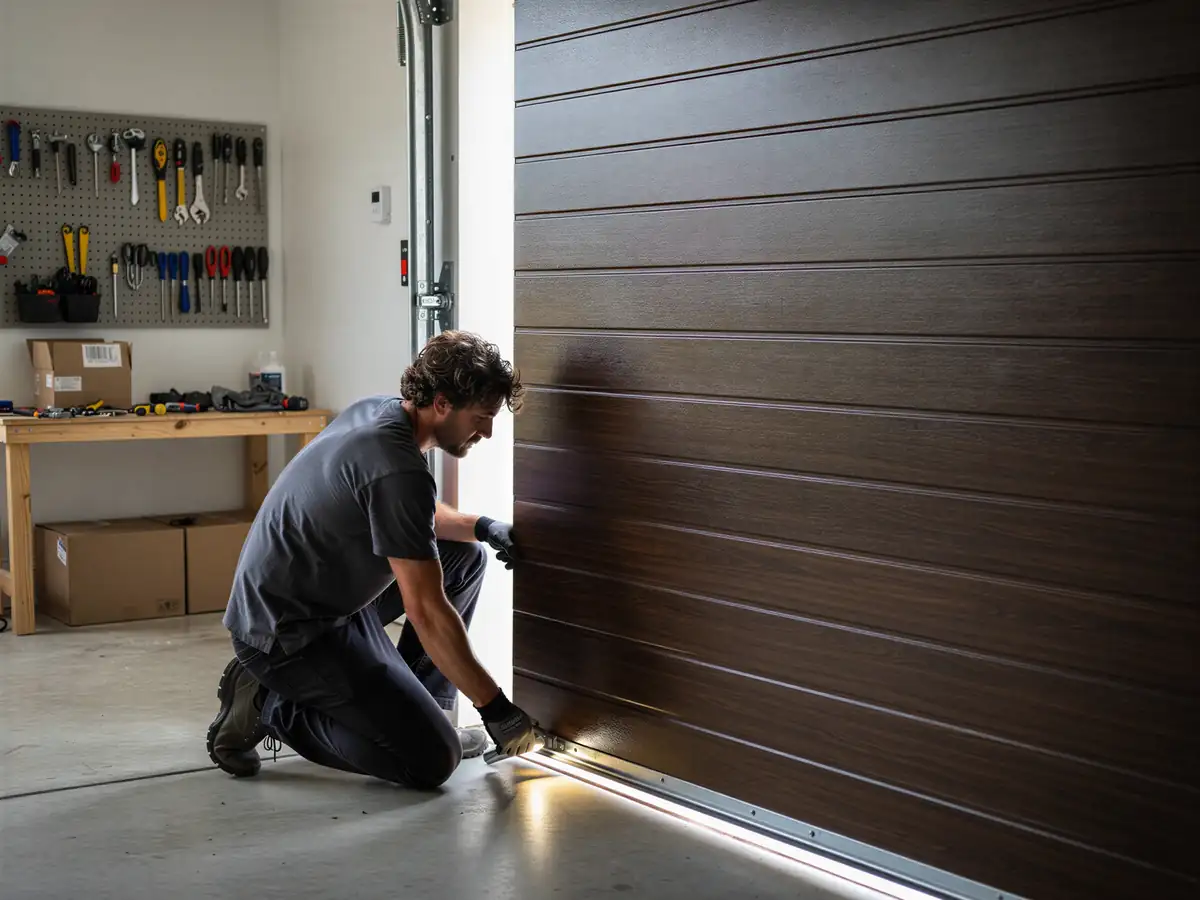
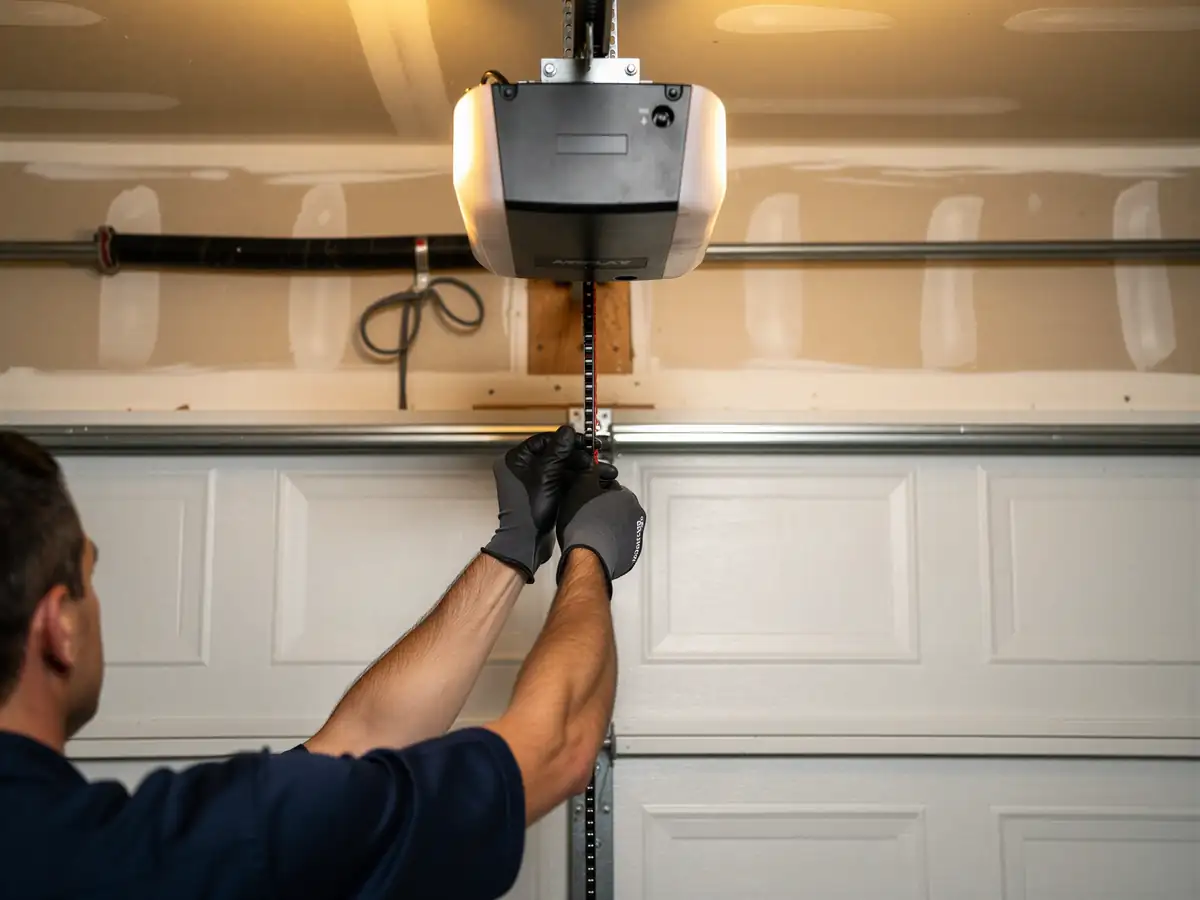
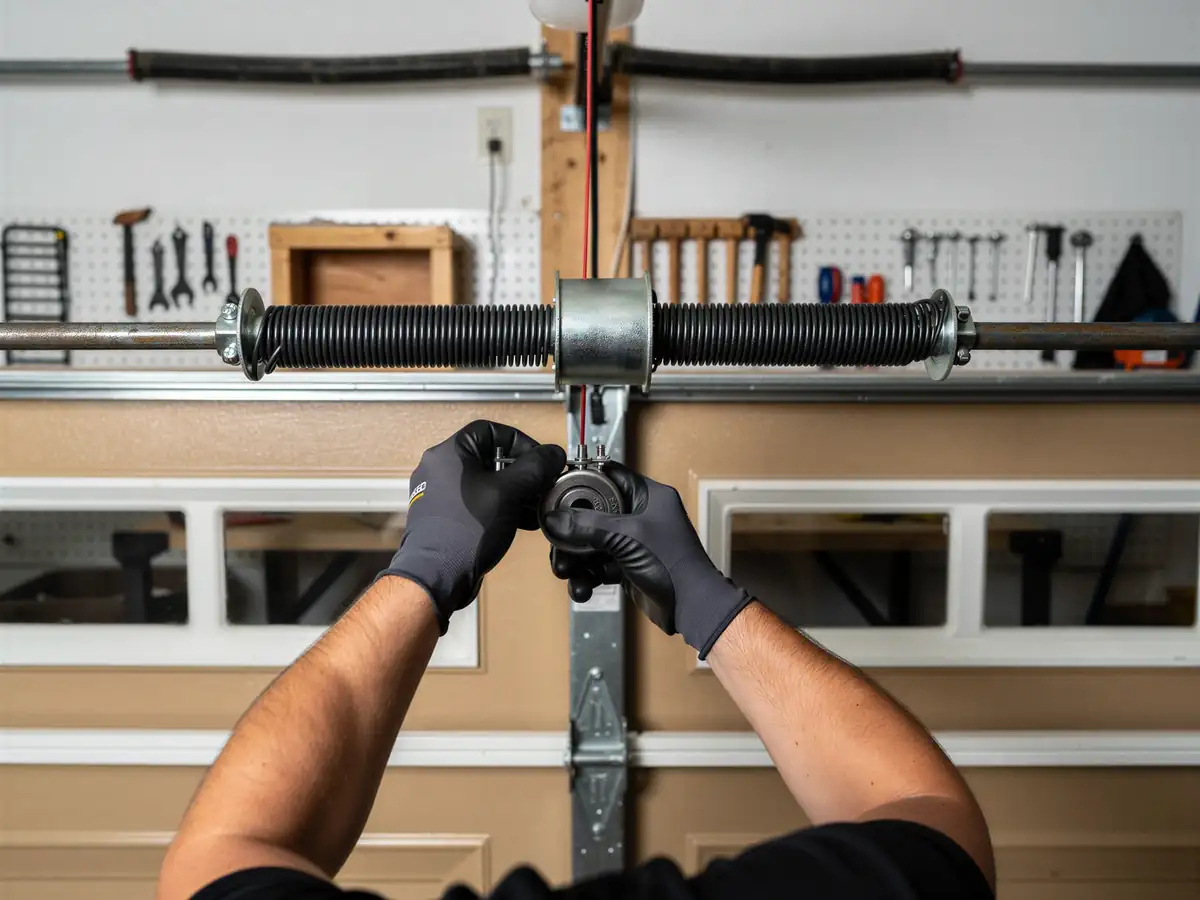
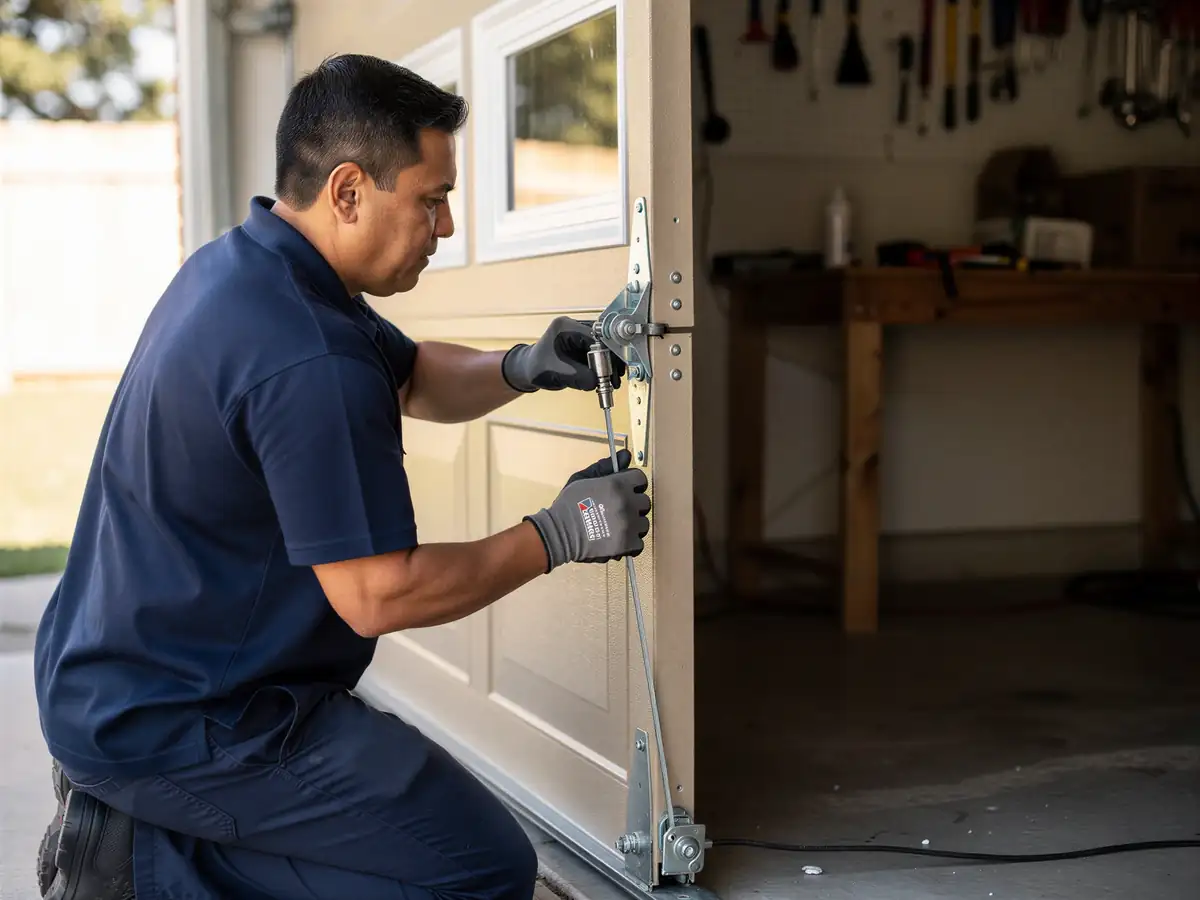
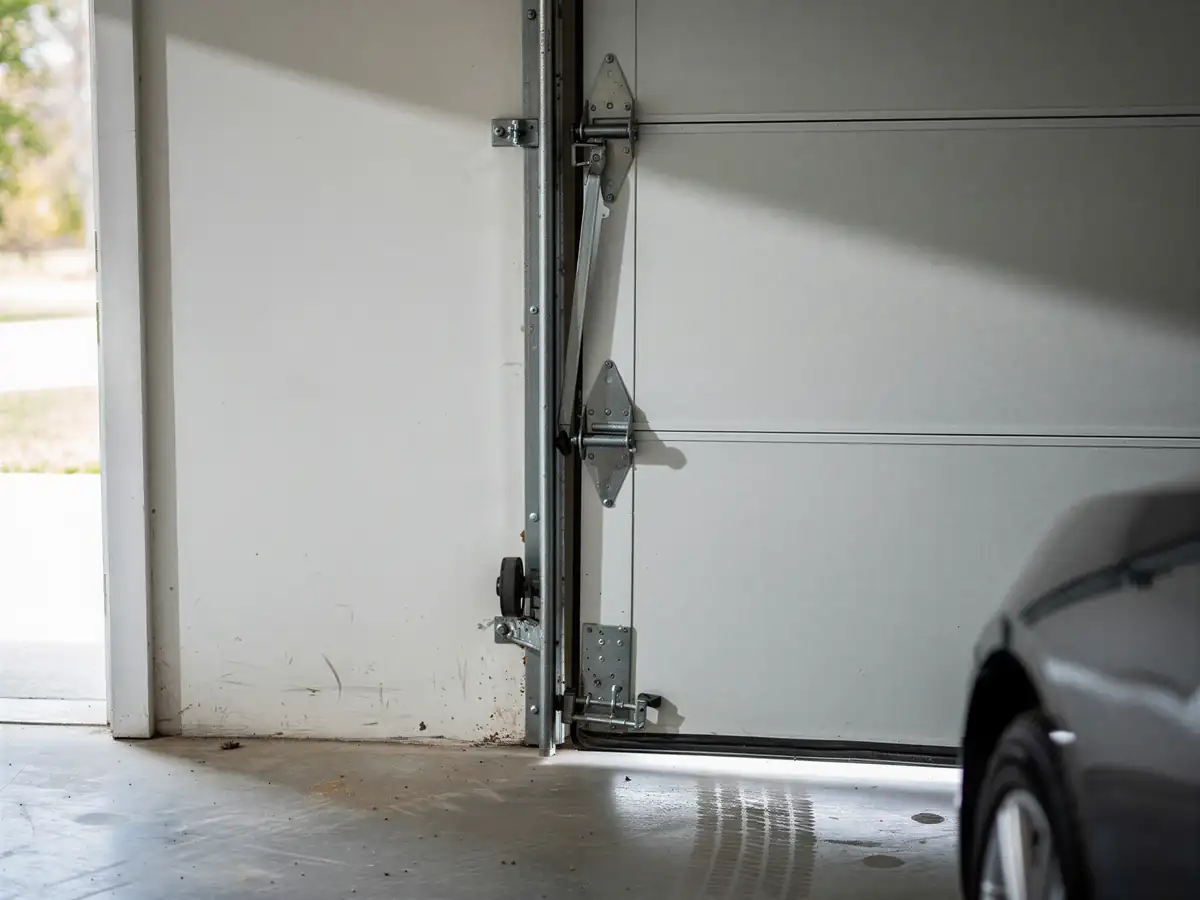
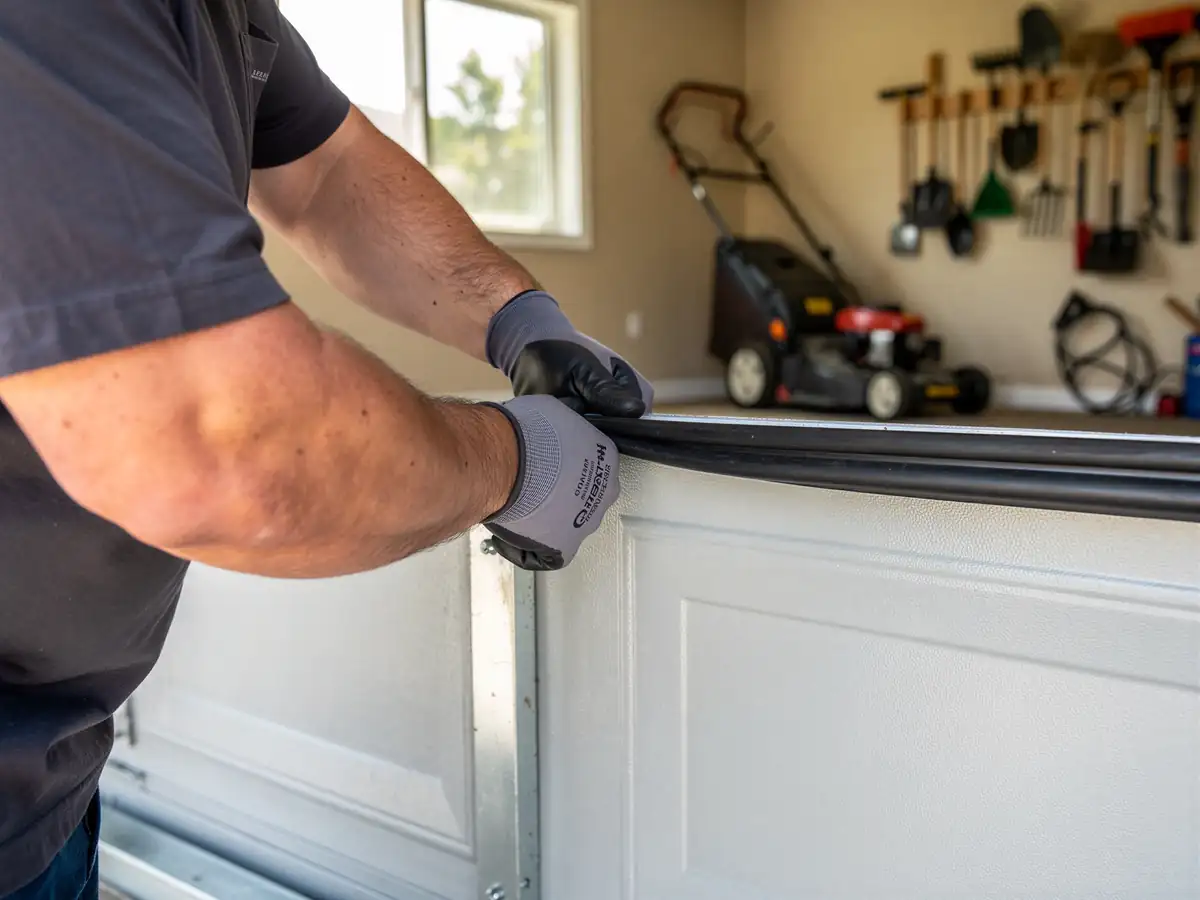
A new install on a 1973-era Laurel garage starts with the opening itself, not the door. We check the header for sag, confirm the track height clears any low-slung rafters common to that build period, and verify the framing can actually take a torsion spring system if the house still has an old extension-spring setup from its original construction. Laurel sits in a severe cold climate band, so insulation isn't optional - a single-layer steel door with no thermal break will cost you heat all winter through a garage that's often attached to the house. We spec doors with polystyrene or polyurethane cores and weather seals rated for sustained cold, not just a door that looks right in the showroom. Opener compatibility is the other piece: a 1973 opening may have been fitted for a chain-drive unit decades ago with no modern safety reversal sensors, so a new door usually means a new opener too, wired to current standards. The whole job gets scheduled as a dedicated trip out from Billings - Laurel runs about 13 miles from our shop, so we batch the measurement visit and install visit when we can to keep the job efficient for you.
What Causes It Around Here
Laurel's climate is the same severe-cold band as the rest of the service area, and that cold is what wears out garage doors built in the early 1970s faster than it wears out newer ones. Original wood jambs from that era have had five decades of freeze-thaw cycling to shrink, twist, and pull away from true square, which is why a replacement door ordered to factory spec sometimes won't seat right without shimming. Steel doors from that period, where they still exist, were rarely insulated at all - builders in 1973 weren't speccing for the energy codes that came later, so what's hanging on the house now is often a single skin of metal doing nothing to slow heat loss. None of that is unique to one house; it's a function of when Laurel's housing went up and what a severe cold climate does to it over time. Newer construction elsewhere in the service area, built closer to the 1985 median or later, generally doesn't carry the same framing wear or insulation gap.