Where This Job Goes Sideways
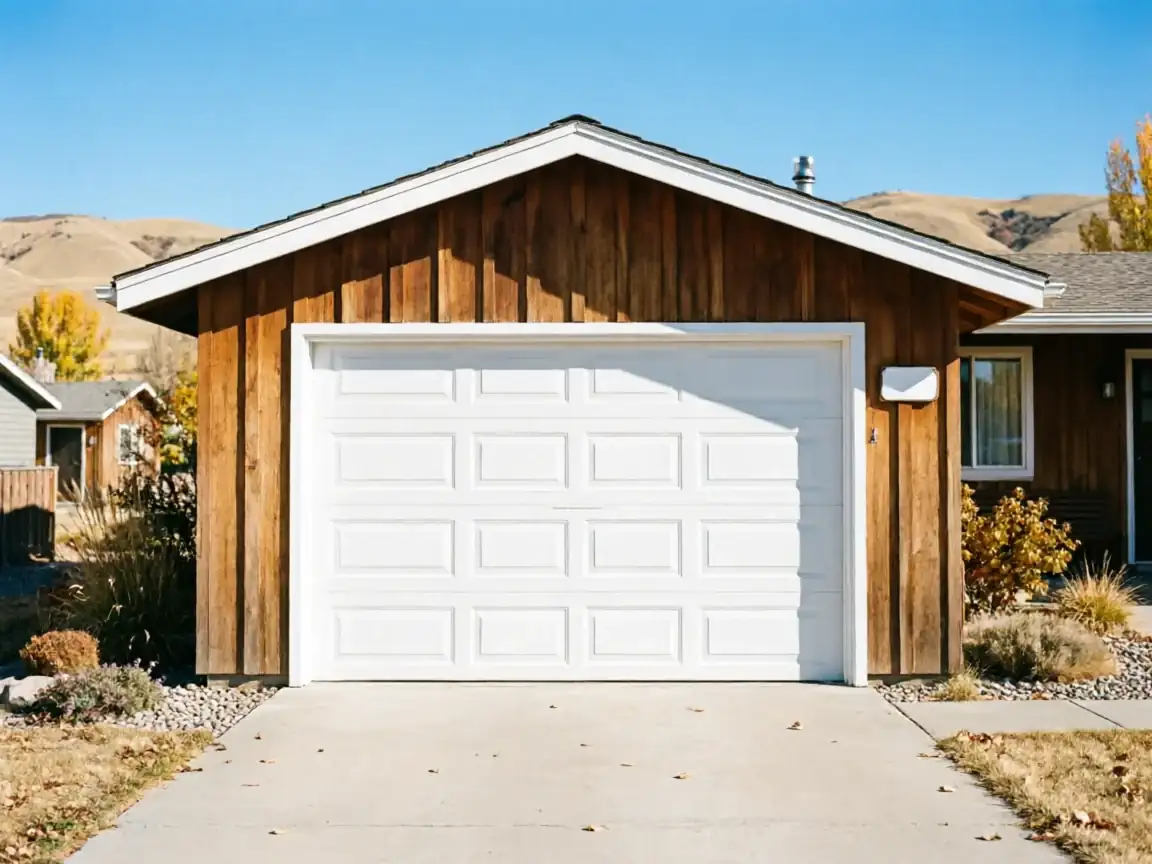
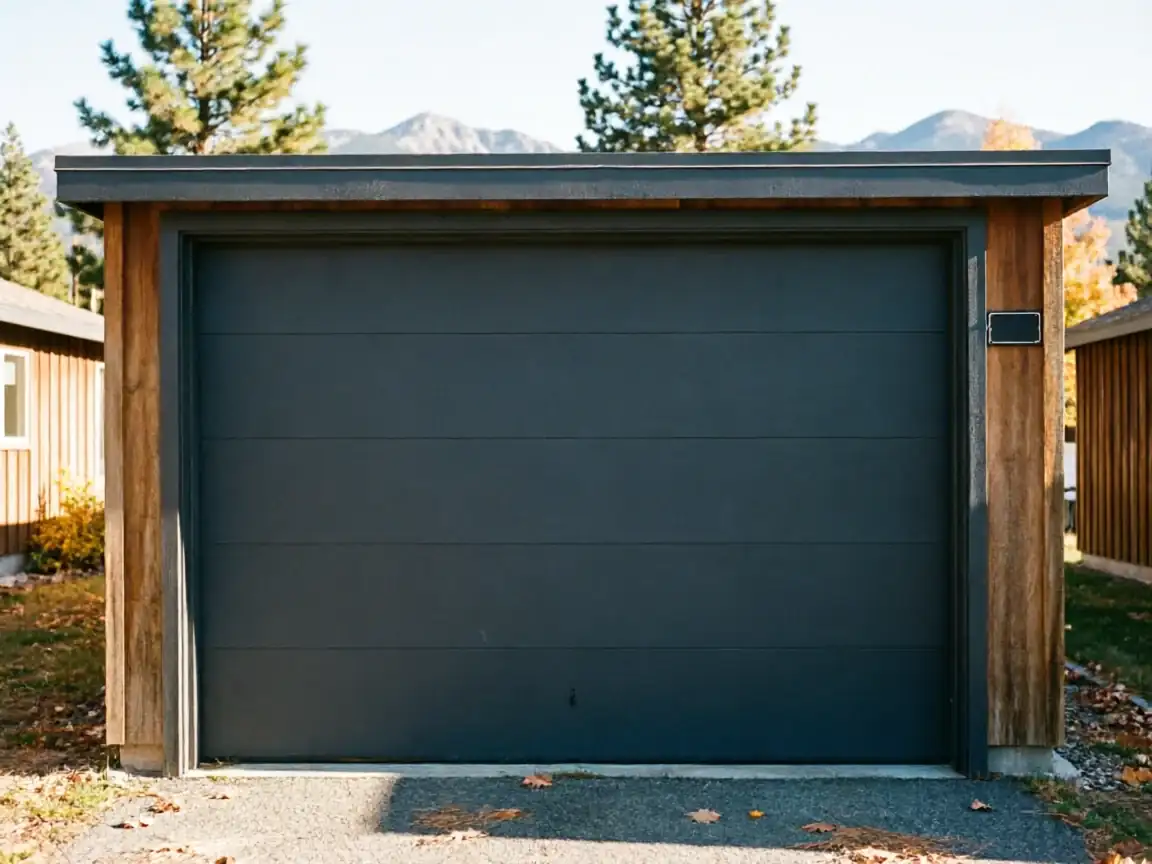
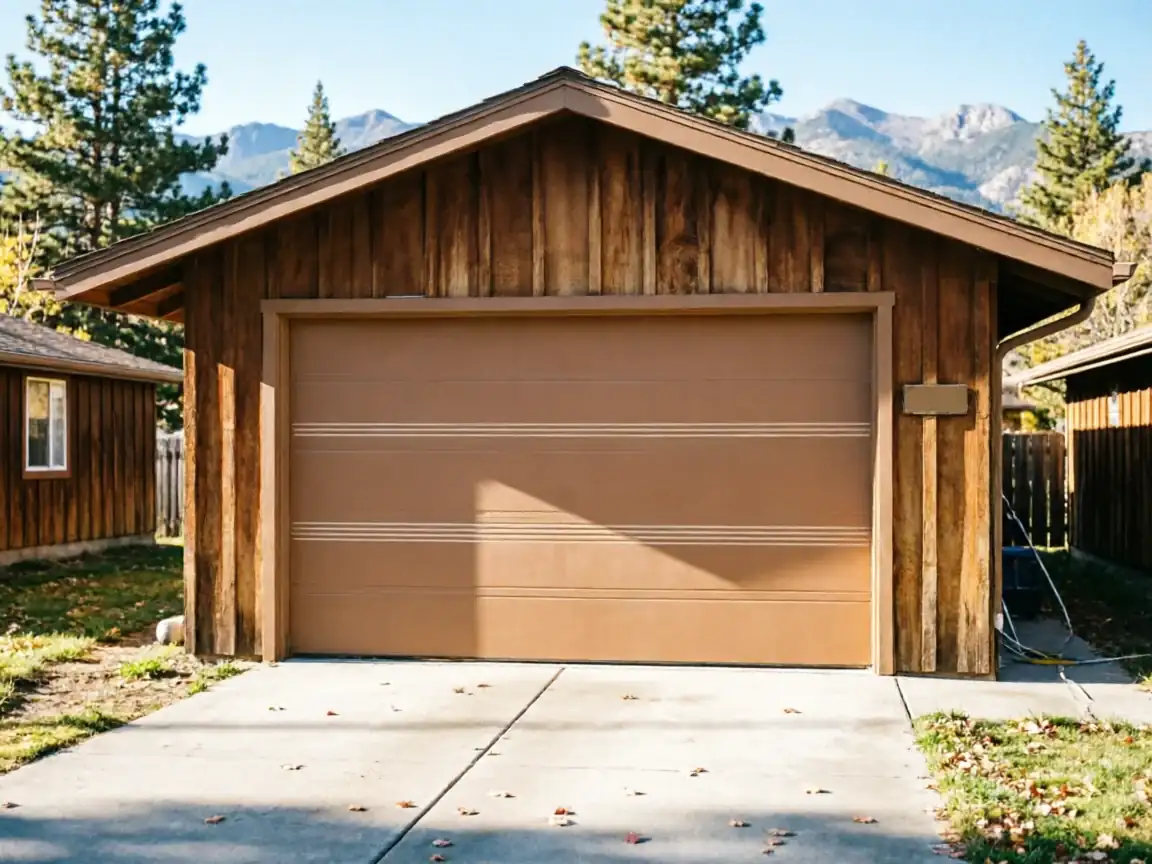
Laurel's median house went up in 1973, which puts a good share of this town's garage doors ahead of the 1973-2010 range that covers the wider Billings service area. That matters because a door hung in 1973 has had fifty years to outlive at least one spring, but plenty of owners never got that far - the original torsion spring, the original hinges, sometimes the original track brackets, are still on the door. Nobody swapped them because nothing broke loudly enough to force the issue.
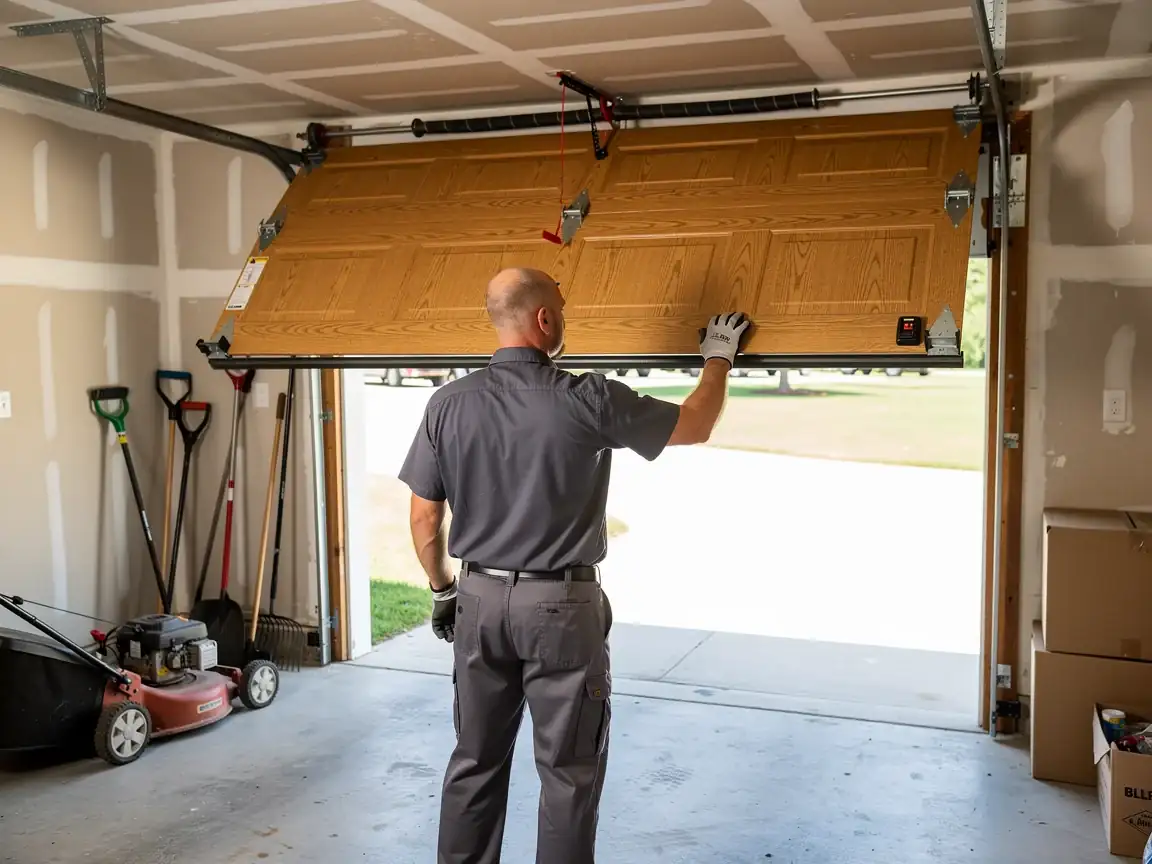
That's where this job goes sideways. A spring rated for a certain door weight and cycle count doesn't announce it's at the end of its life. It just gets a little stiffer, a little slower to lift, and then one morning it doesn't lift at all - or worse, it lets go while the door is half up. On a house this old, the rollers are usually steel, not nylon, and steel rollers on original track wear the track itself, not just themselves. By the time a homeowner calls, we're often not looking at one worn part. We're looking at a chain of original hardware that's been compensating for each other's wear for decades.
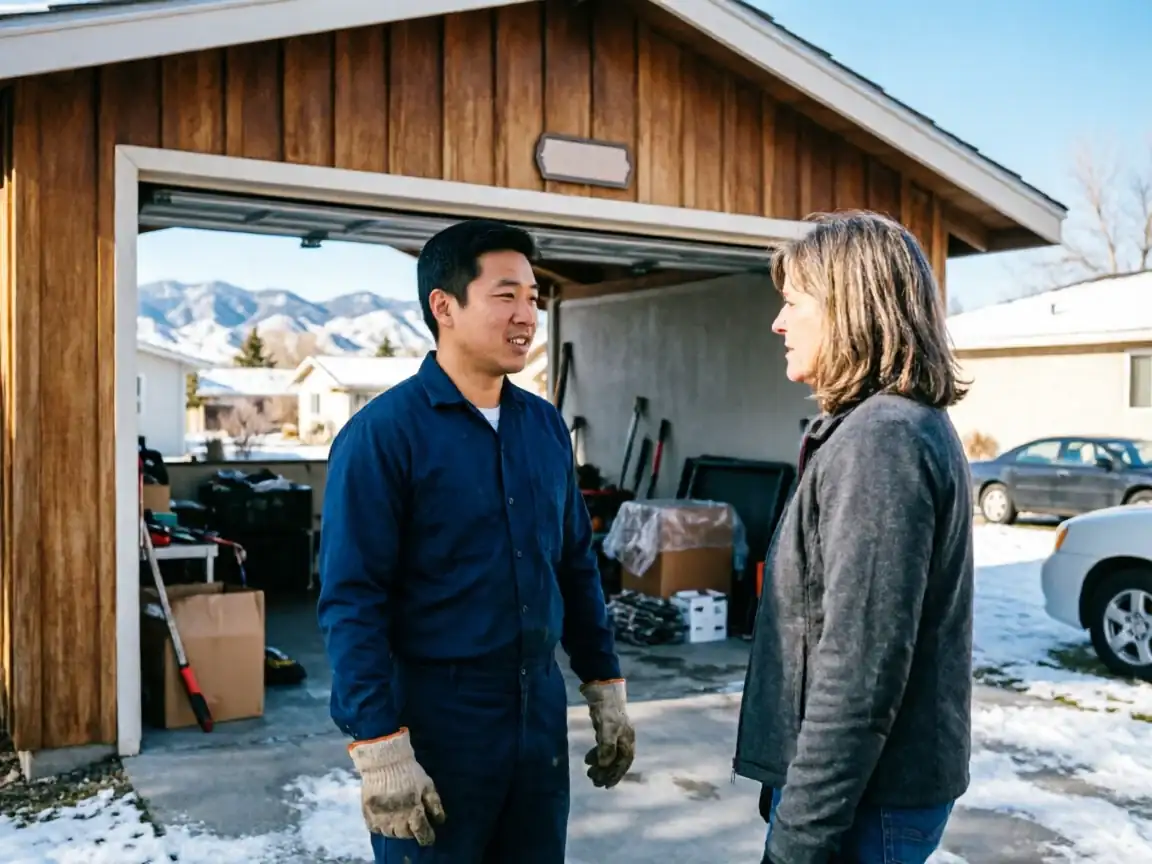
Thirteen miles out from Billings, we're not doing same-day drop-ins on a whim - we schedule the trip, so catching wear before it becomes a stuck door matters more here than it would somewhere we're already parked outside.
What the Fix Involves
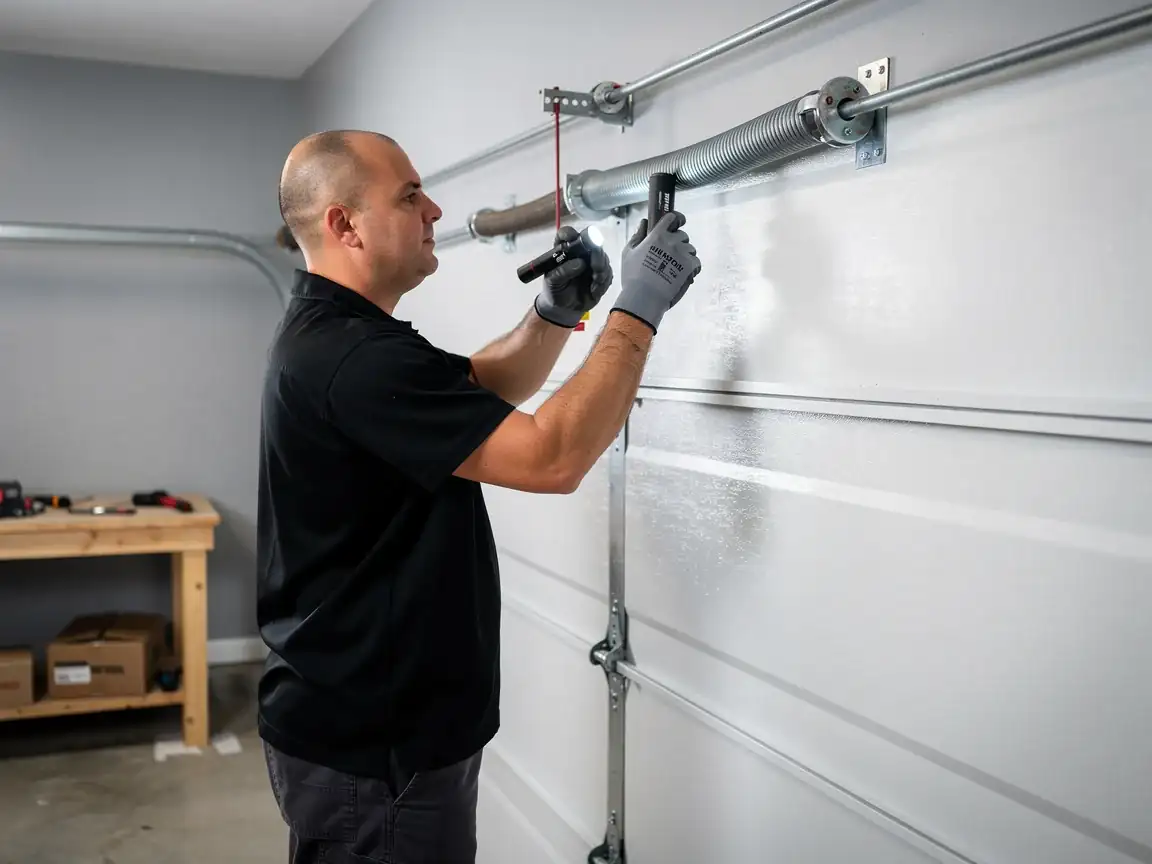
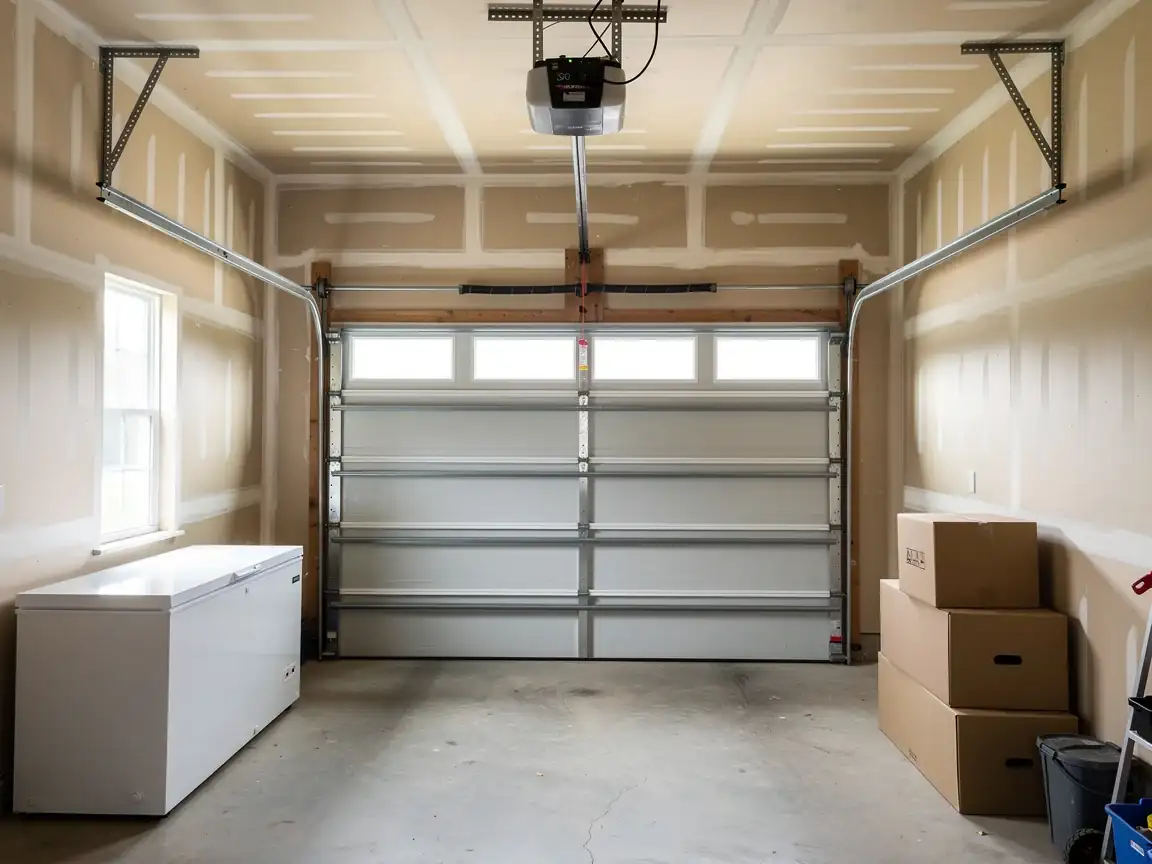
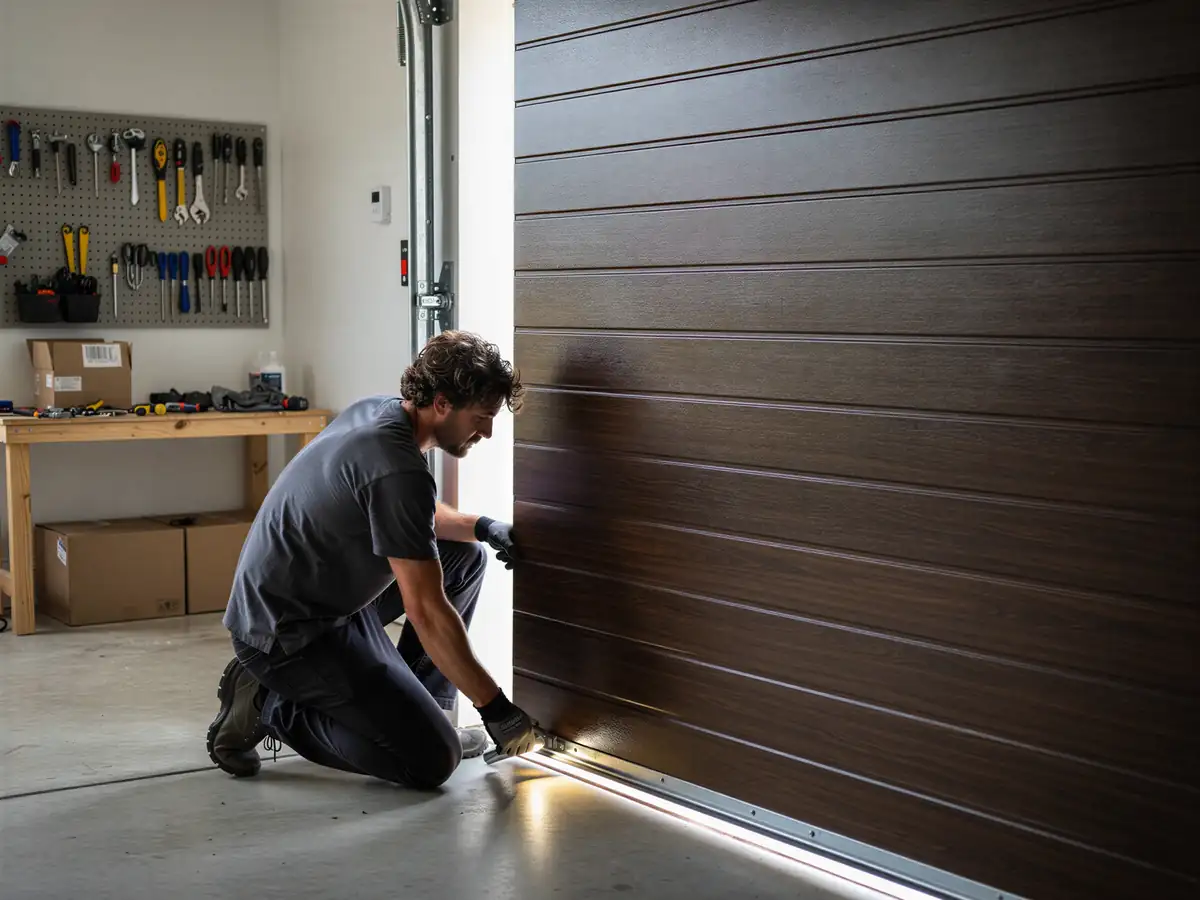
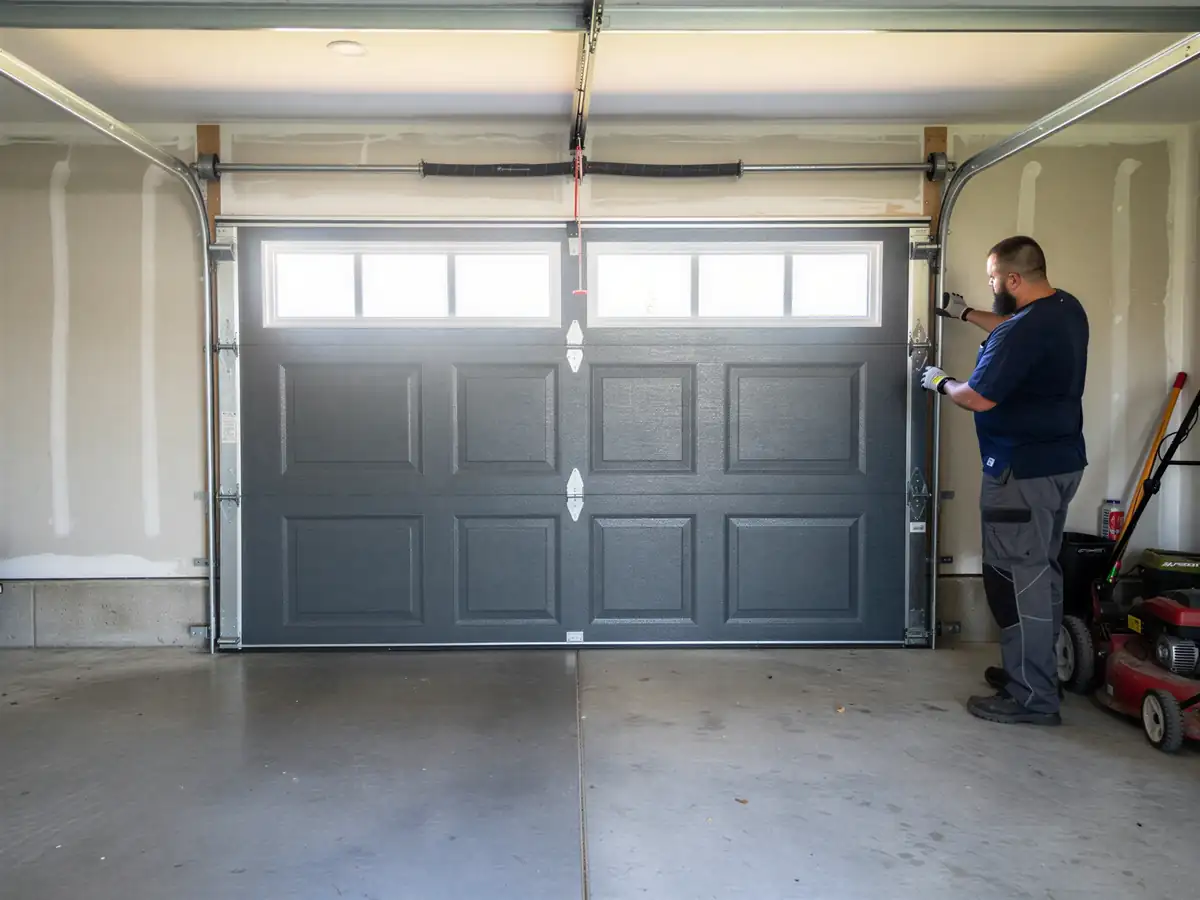
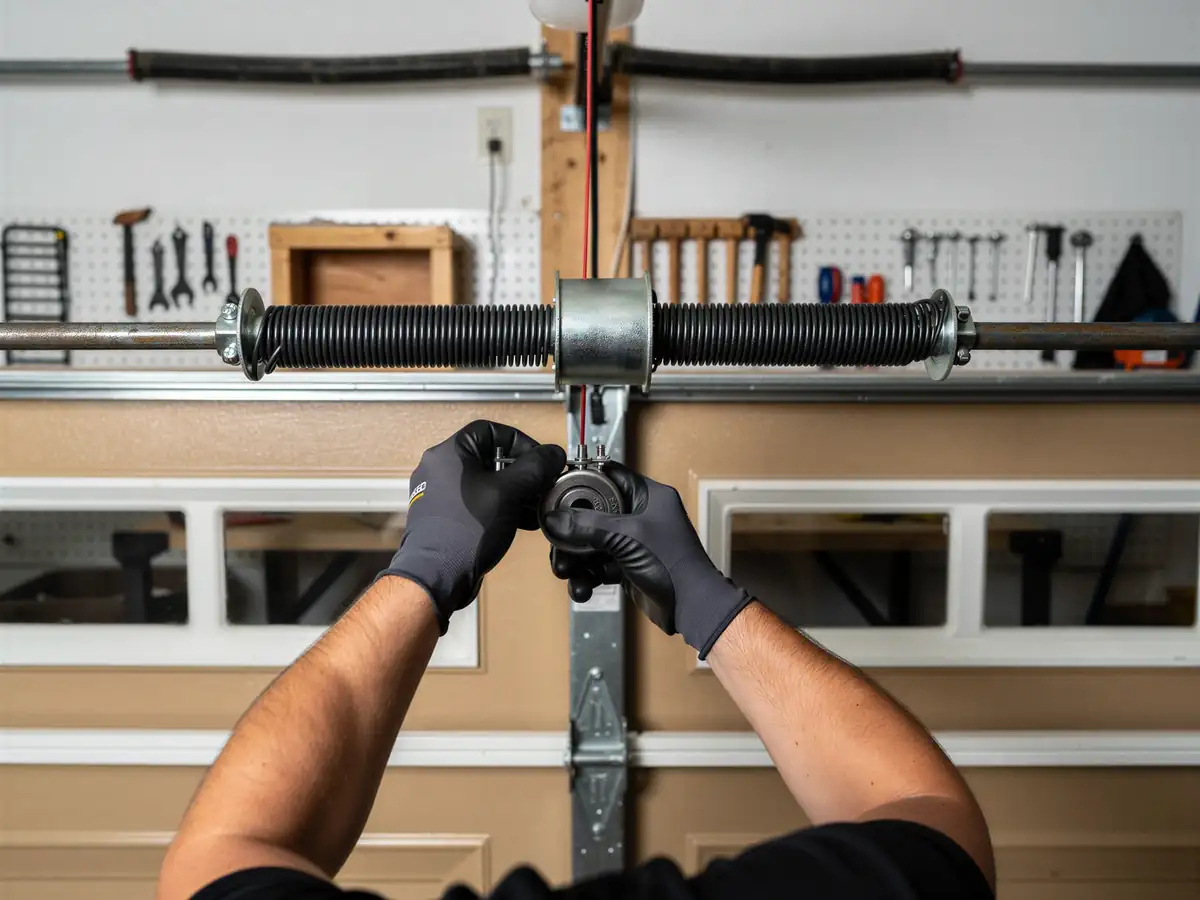
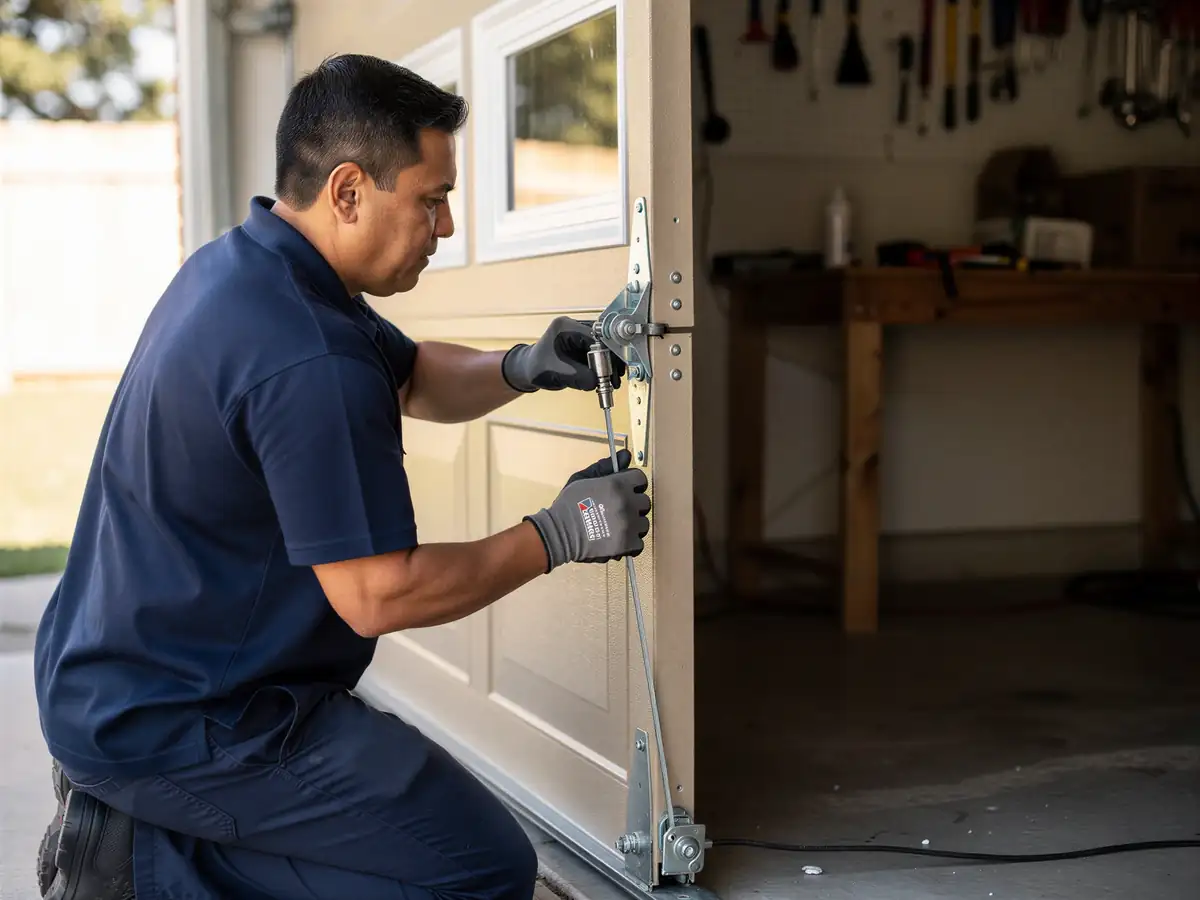
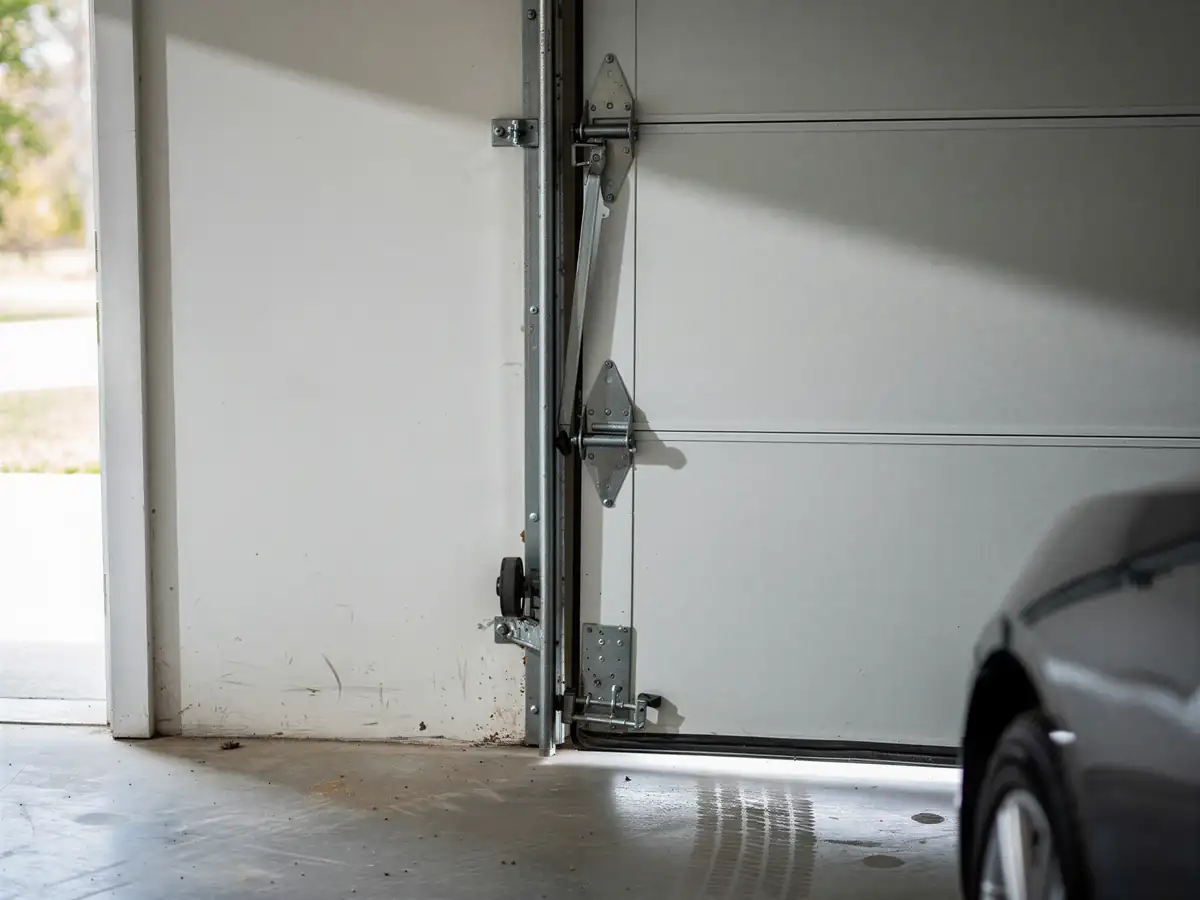
Maintenance on a door this age starts with figuring out what's actually original. We check the spring for the wind pattern and wire gauge that tell us its age relative to the house, inspect the track for the wear pattern steel rollers leave over fifty years, and check hinges and the lift cable for fraying that nylon hardware wouldn't show the same way.
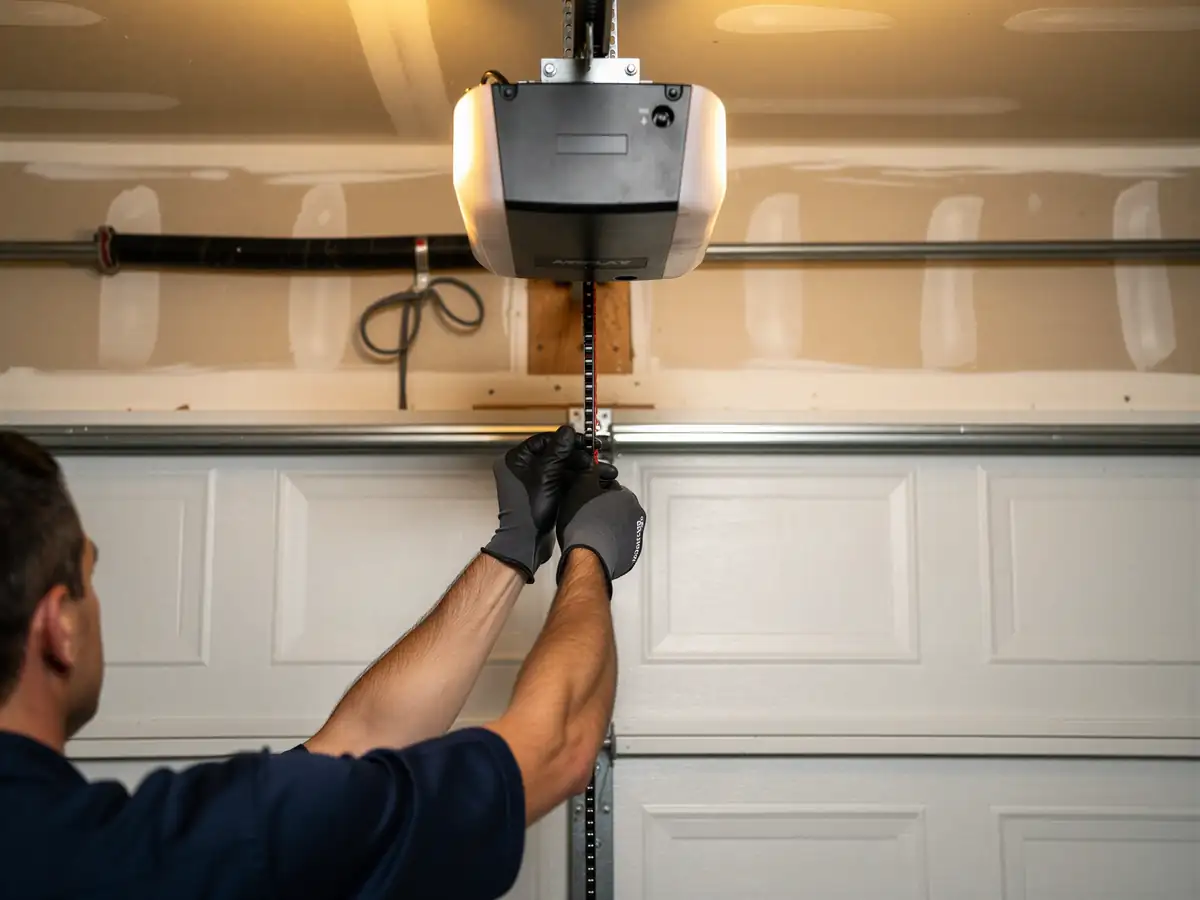
Most of these jobs end up being lubrication, tightening, and a hardware swap for whatever's at the end of its service life - not a full door replacement. We adjust spring tension where the door's balance has drifted, which it does slowly on a torsion spring that's never been touched, and we check the opener's force settings against the door's current weight, since worn rollers and a stiff track both make the opener work harder than it was set up for.
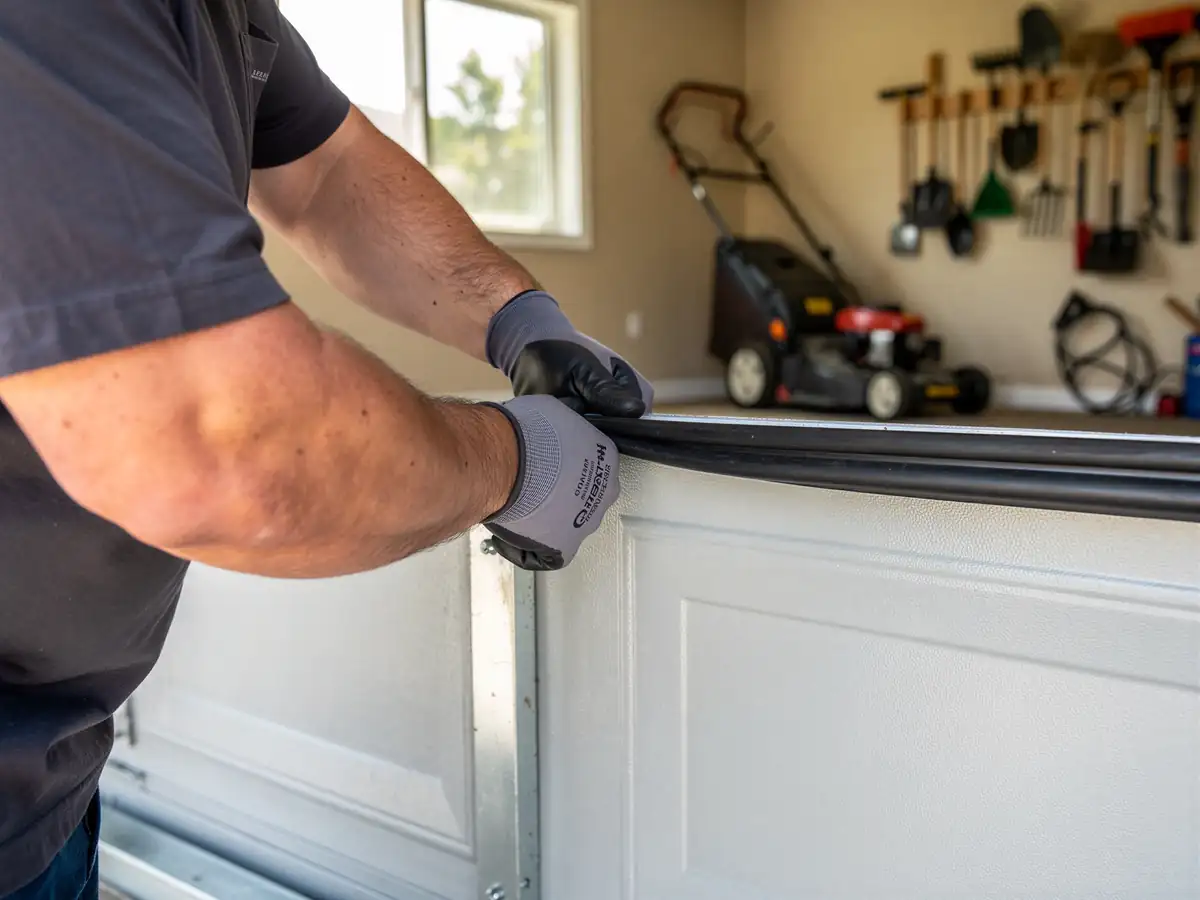
Colder service area means we also check seal and weatherstripping condition - rubber that's original to a 1973 door has usually hardened past the point of sealing anything, which shows up as drafts and ice buildup at the bottom panel rather than as a functional door problem. A severe cold climate is hard on rubber and lubricant both, so this isn't a one-time fix; it's why we recommend checking it on a schedule rather than waiting for a failure call.
Doing It Yourself
You can do some of this yourself, and you should
Visually check the cables for fraying, listen for grinding when the door runs, and look at the bottom seal for cracking or hardening - all of that takes five minutes and no tools. Lubricating hinges and rollers with a garage-door-specific lubricant (not WD-40, which attracts grit) is also a fair DIY job on most doors.
What you shouldn't touch is the torsion spring
It's wound under enough tension to cause a serious injury if it releases wrong, and on a door this old you genuinely don't know its condition until you're adjusting it - which is exactly the wrong time to find out. If your door is noticeably harder to lift by hand than it used to be, that's the spring telling you something, and it's not a weekend project.
What Causes It Around Here
The pattern we see in Laurel traces back to the build year more than anything else. A 1973 house means original garage hardware had decades to run before anyone thought to replace it, and the area's winters don't help - a severe cold climate band stiffens lubricant, hardens rubber seals, and puts extra load on a spring that's already near the end of its wind life. Ice forming at the bottom seal on a door with hardened original weatherstripping is a seasonal problem here, not a one-off.
We're thirteen miles from Billings, which doesn't change the hardware, but it does mean a maintenance visit is worth scheduling before something fails rather than after - a controlled check on a slow Tuesday beats a cold Saturday morning with a door stuck halfway up.