Where This Job Goes Sideways
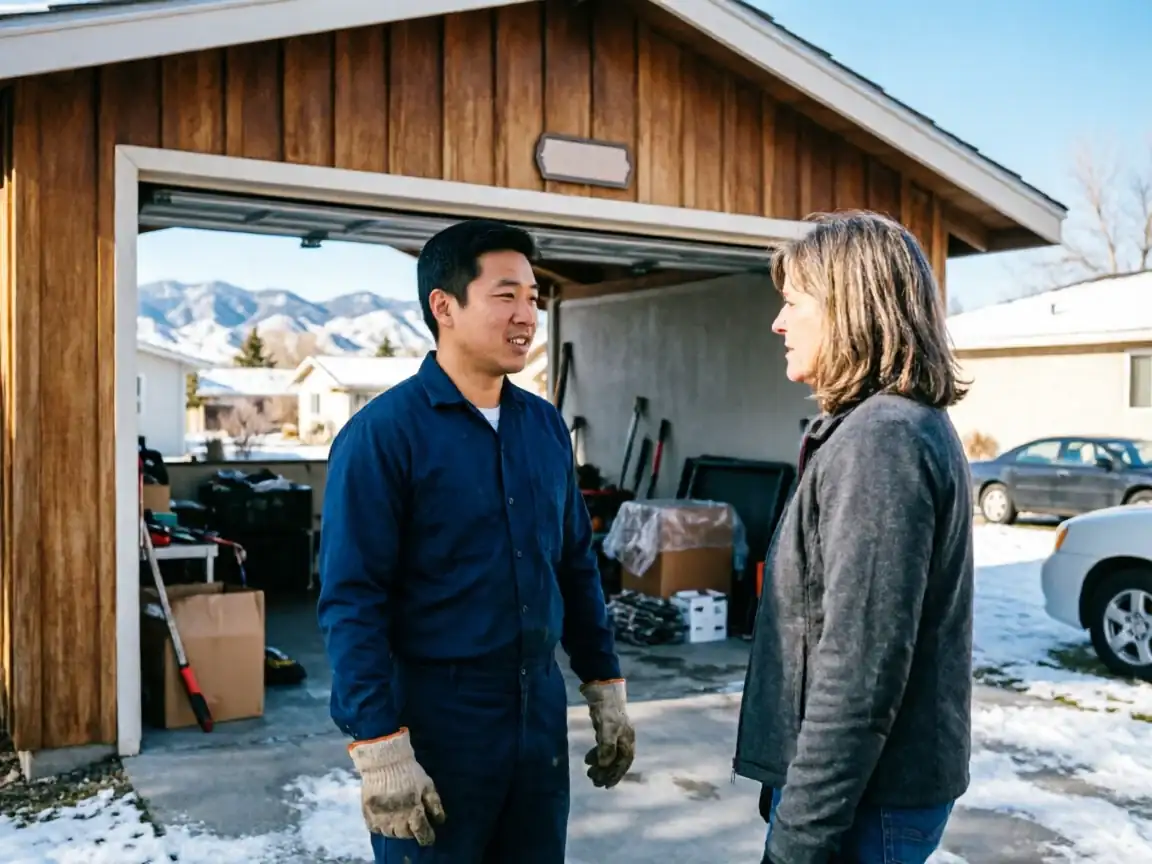
Laurel's median household income is $66,382, well under the $74,451 figure for the wider service area, and that gap matters the moment a spring breaks. At this income level, a full door-and-opener replacement is a real financial hit, not a weekend impulse buy, so the repair-or-replace line sits in a different place here than it does on the Billings side of the territory. Most of the time the honest answer is repair: a snapped torsion spring, a stripped gear in the opener, a bent roller track. Full replacement only makes sense when the door itself is failing structurally - rust-through on a steel panel, a warped wood section, or a frame that's pulled away from the house. We'll tell you straight which category your door is in before we quote anything. We're not going to upsell a $66k-median household into a new door when a $200 spring job gets another decade out of what's already hanging there. That said, if the opener or hardware is the original 1973-era unit, parts for it may not exist anymore, and repair stops being realistic - that's the one case where replacement is the cheaper long-run choice, not the more profitable one for us.
What the Fix Involves
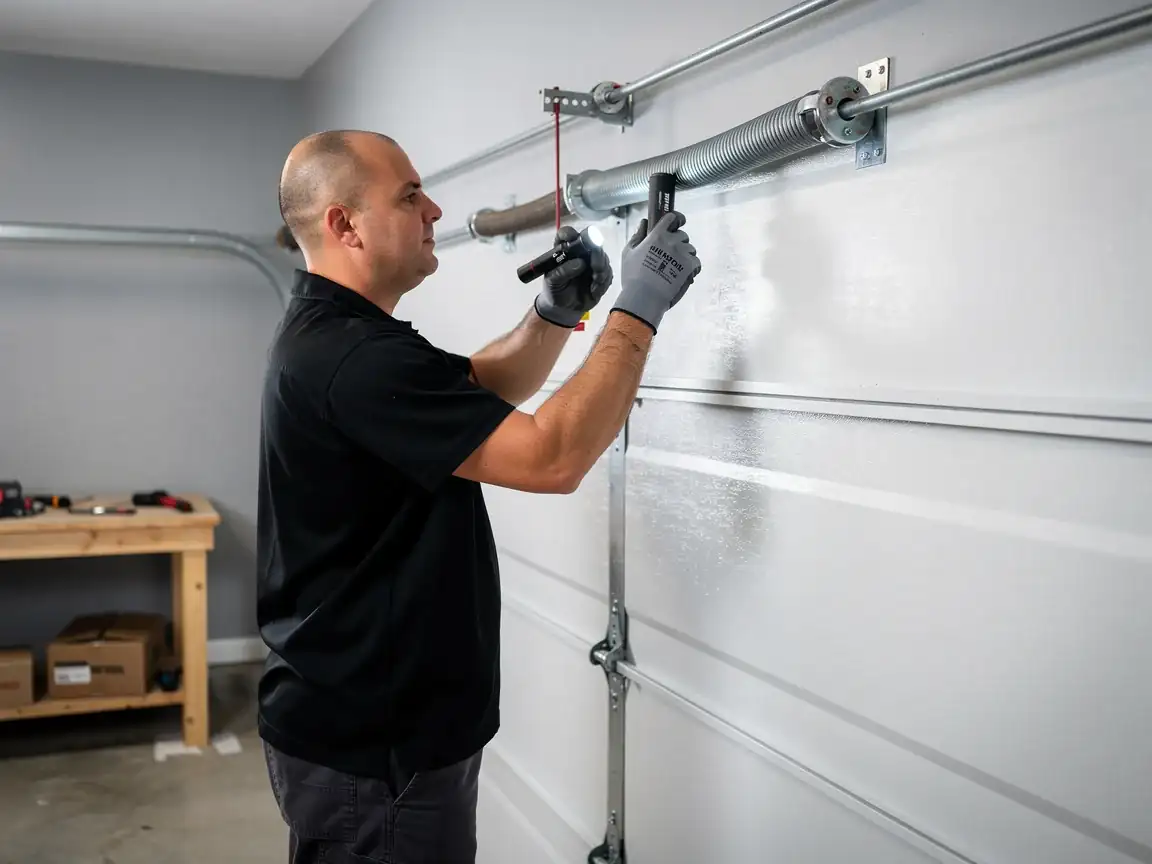
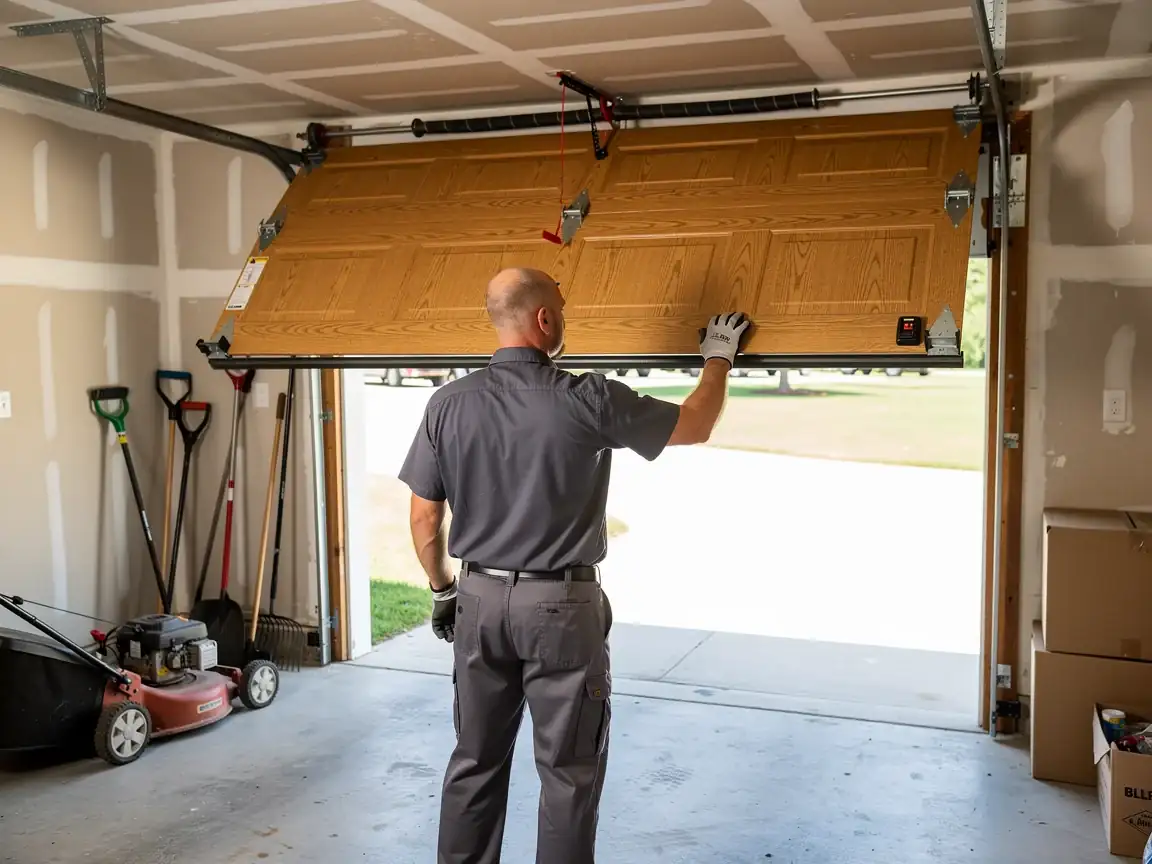
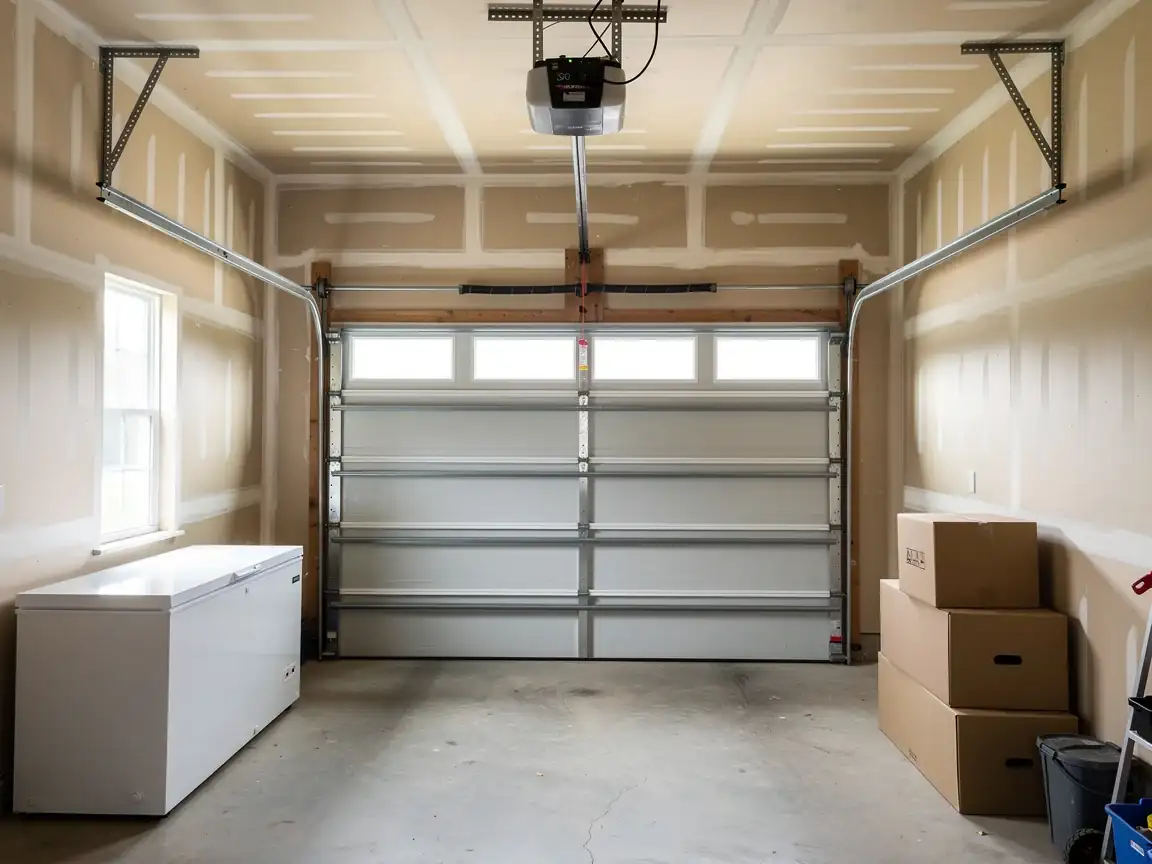
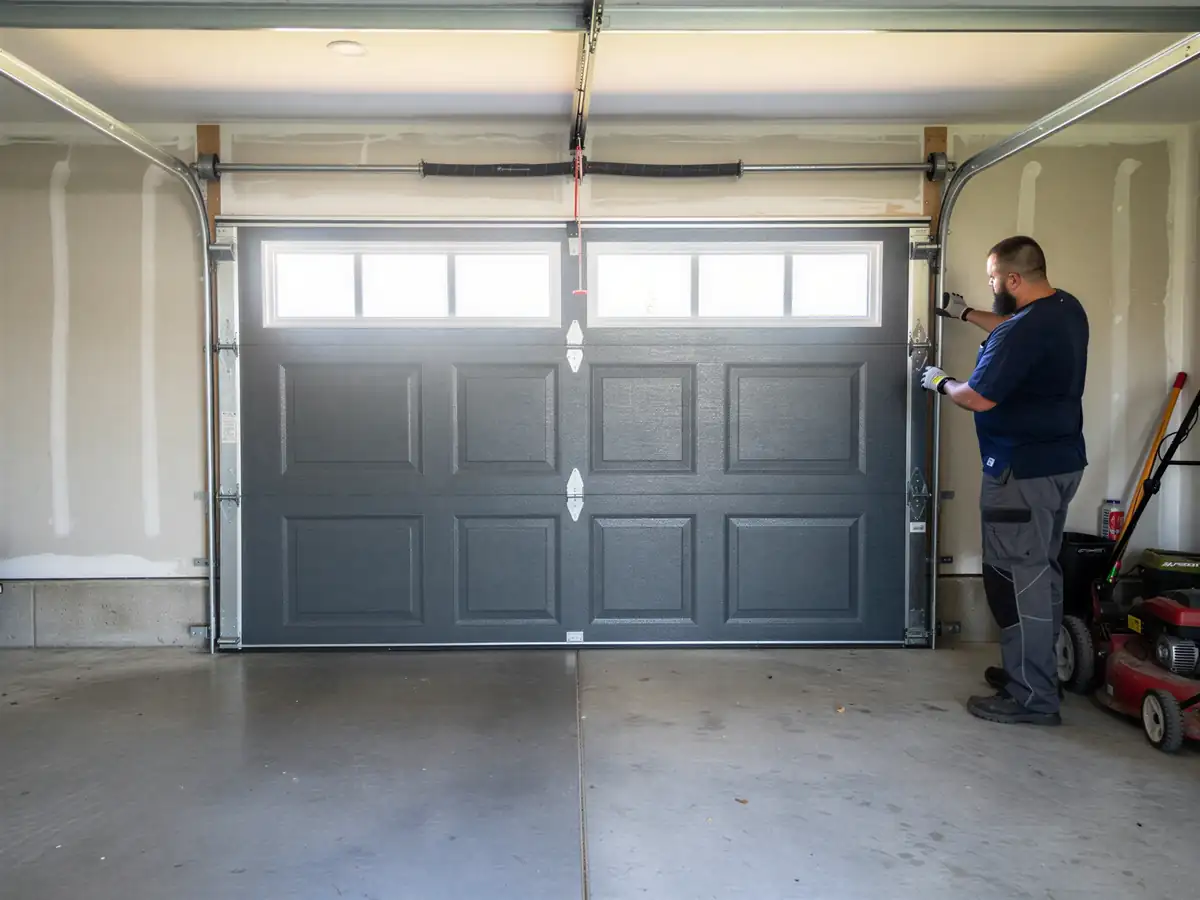
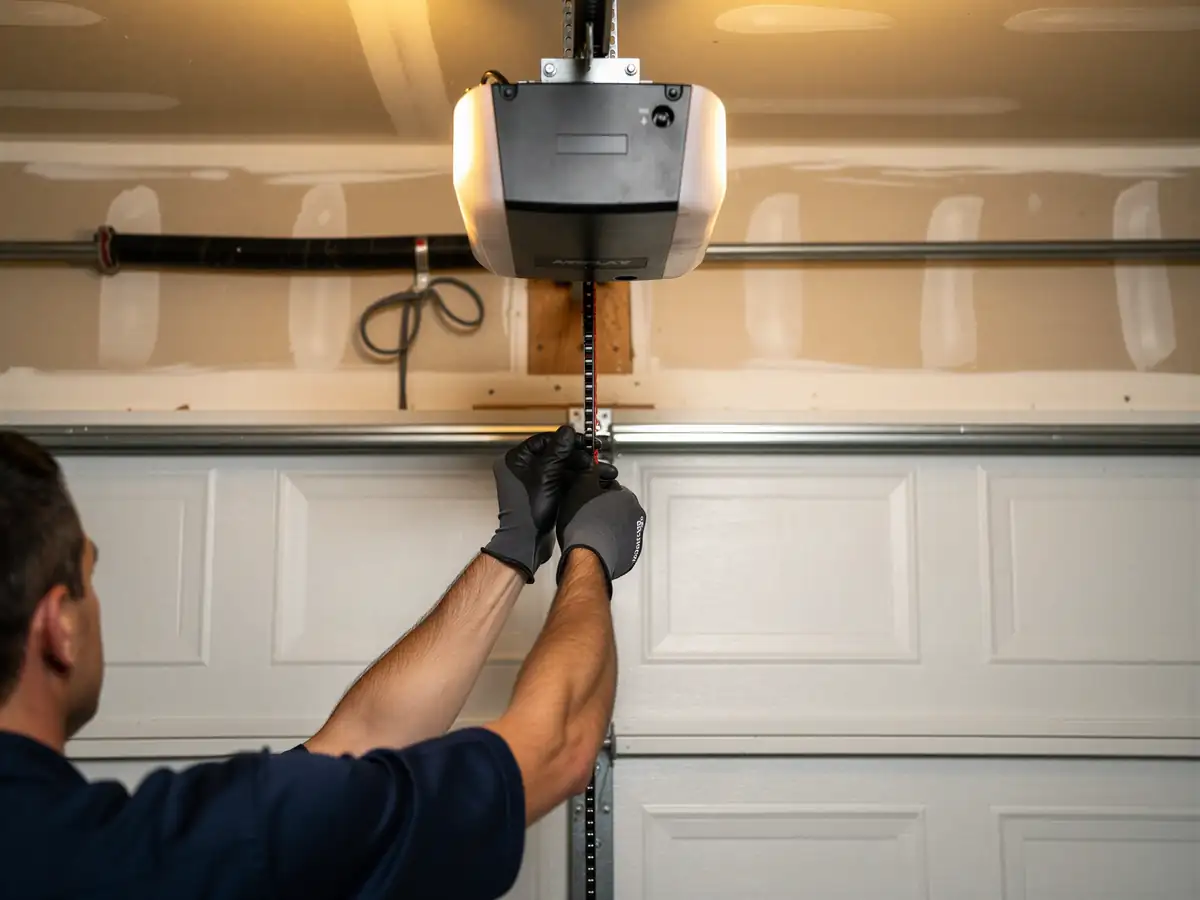
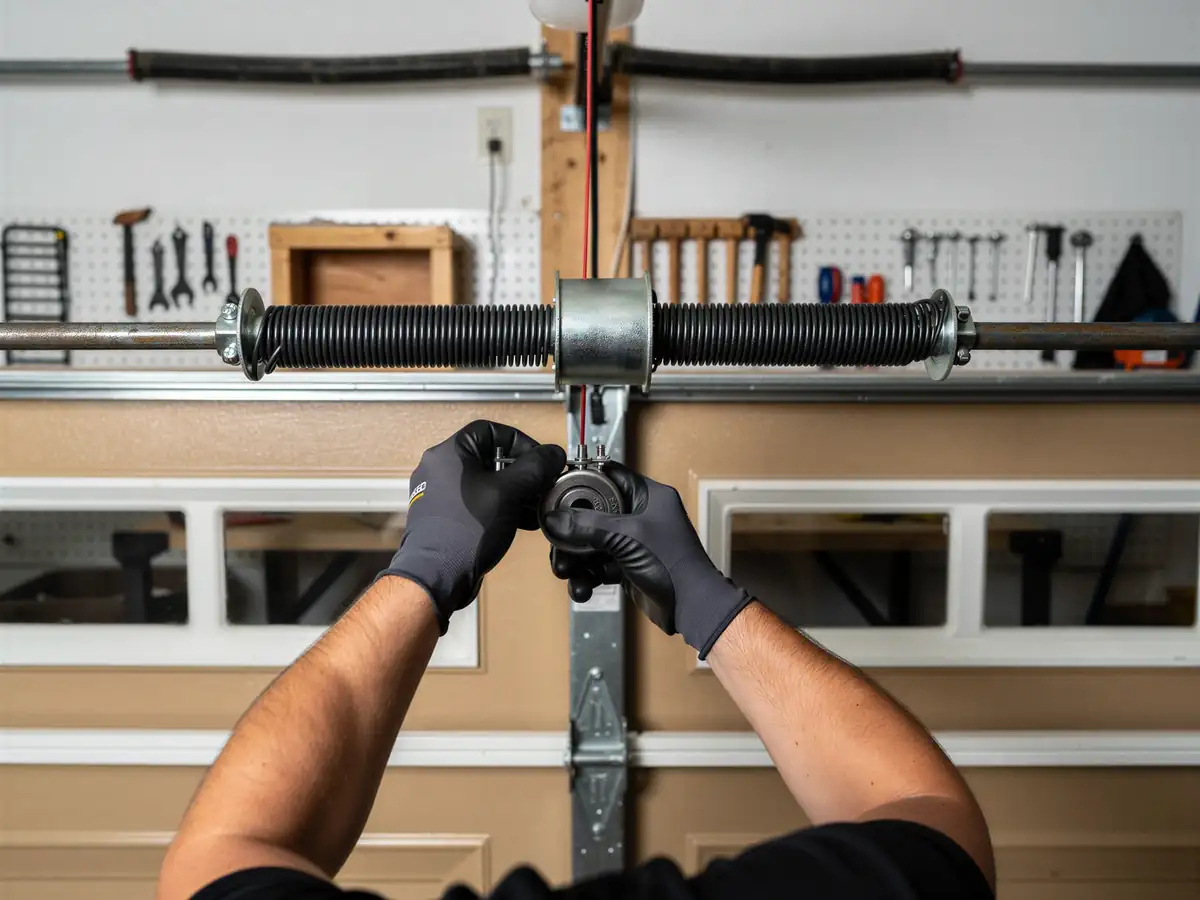
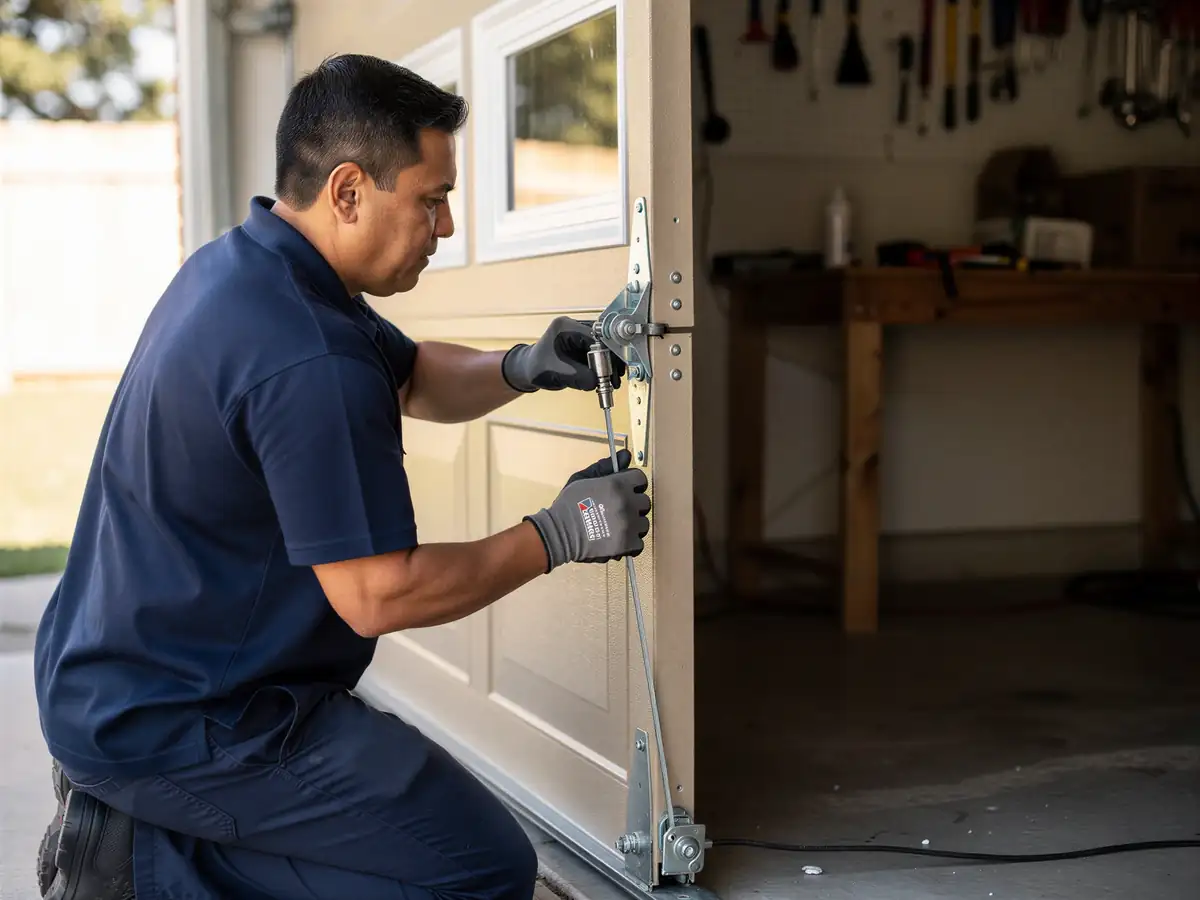
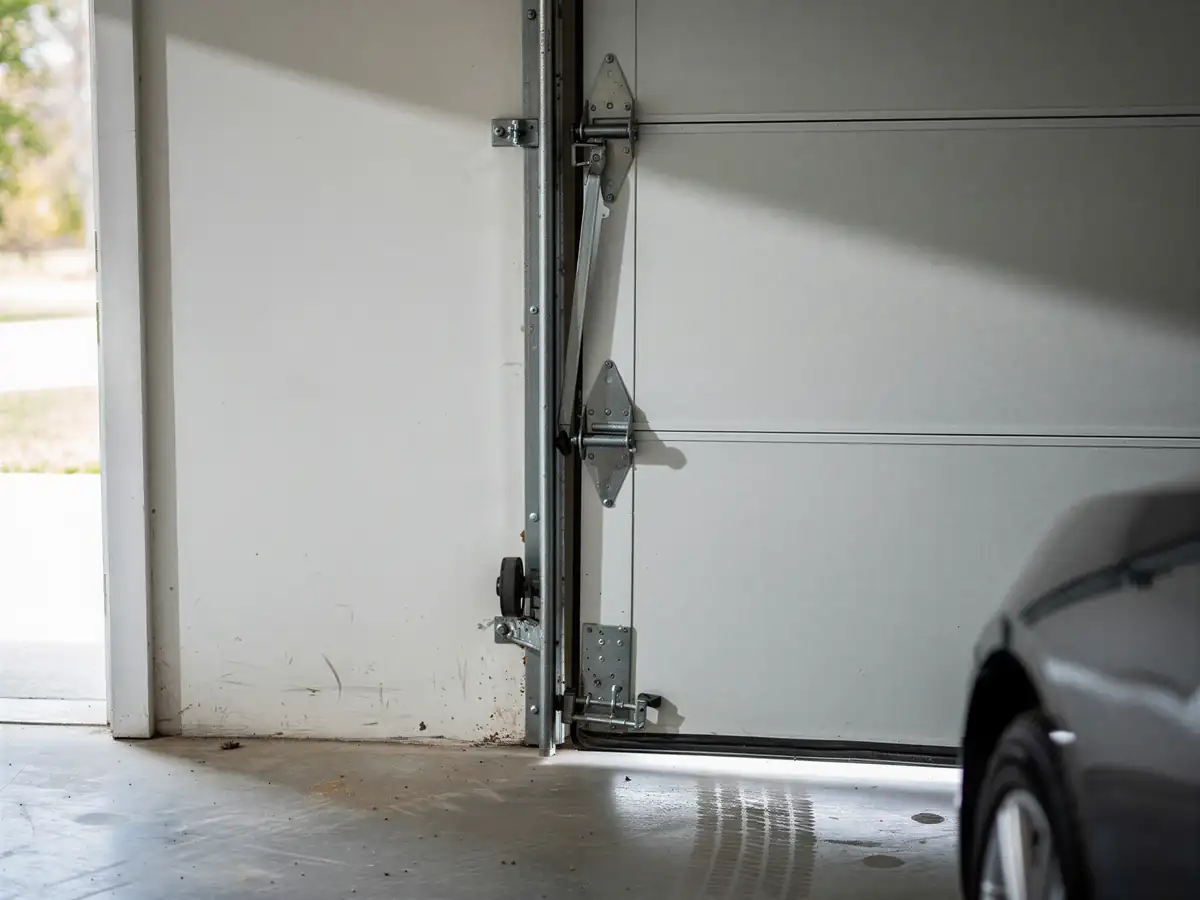
Laurel's housing stock runs older than much of the broader service area - median year built here is 1973, versus a median of 1985 across the four named areas we cover. That means a higher share of doors with original or first-replacement hardware: extension springs on pulleys rather than torsion bars, lighter steel track, and openers from before modern safety-reversal standards. The fix usually starts with identifying which generation of hardware is actually on the door, because parts for a 1973 extension-spring setup aren't the same parts a 1995 torsion system takes. We carry common spring sizes and track hardware on the truck, but a genuinely original setup sometimes means sourcing an obsolete bracket or waiting on a part that isn't a same-day item - that's the honest limit here, and we'll say so rather than string you along. Once the hardware's identified, the job is standard: pull the old spring or cable under control, set new hardware to the door's actual weight, check the track alignment, and test the opener's force and reversal settings against current safety specs, since original units from this era usually don't meet them.
What Causes It Around Here
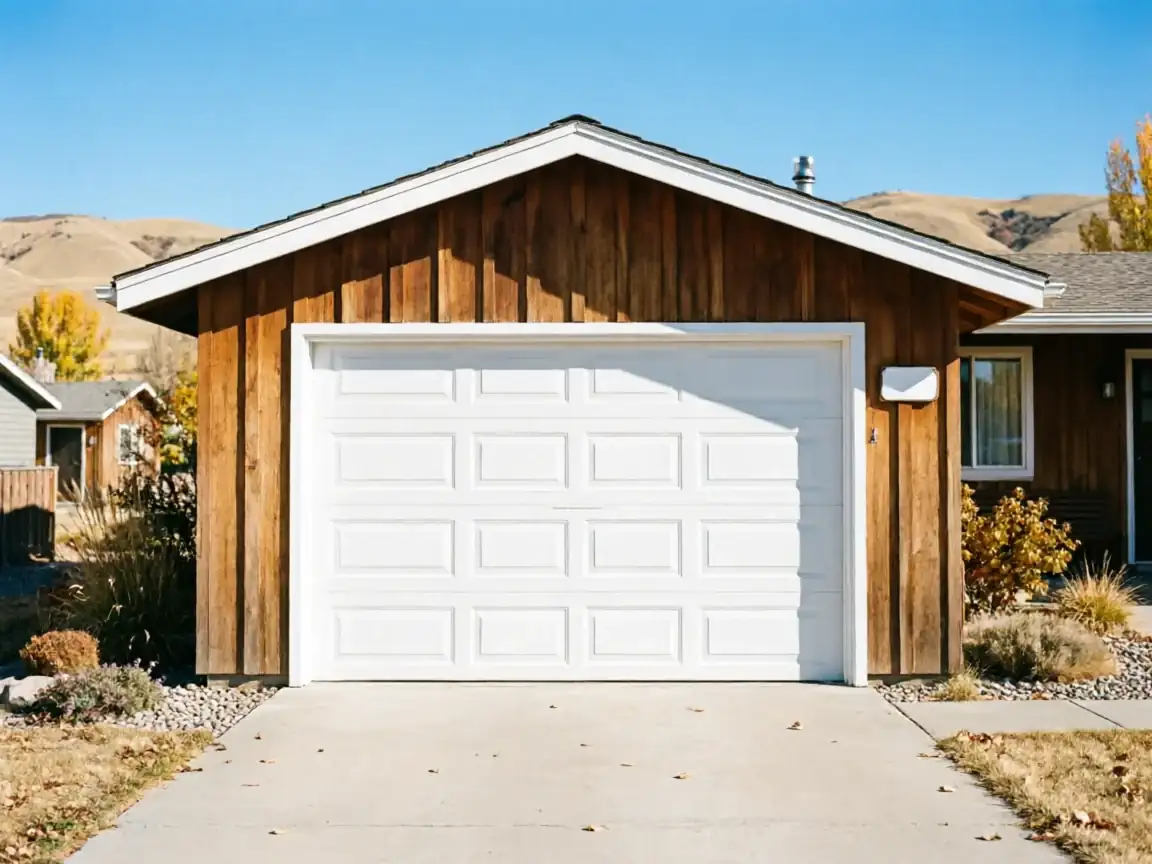
Two things drive most service calls on this side of the territory: age and cold. With a median build year of 1973, a lot of Laurel's garage doors and openers are on their second or third decade past when the original hardware was rated to last, and galvanized coatings on older track and springs have had that much longer to wear through. Layer the area's severe cold climate on top of that, and steel contracts, lubricant thickens, and an opener motor already working against a heavier, stiffer winter door draws more current than it was built for. The combination shows up as torsion springs that let go on the first hard cold snap of the season, extension cables that fray at the pulley, and openers that start grinding before they finally quit. None of that is unique to any one house - it's a pattern tied to when this area's homes went up and what winter does to hardware that age. We cover this call from Billings, 13 miles out, so there's no local branch or same-day guarantee attached to the address - just the honest read on what's actually failing and why.